Comprehensive Guide to Foundation Repair in Muskegon: 2026 Solutions and Costs
Muskegon homeowners often face foundation issues due to the region's unique geography near Lake Michigan, characterized by high water tables and sandy-loam soil. Effective foundation repair in 2026 involves structural stabilization thr...
Muskegon homeowners often face foundation issues due to the region's unique geography near Lake Michigan, characterized by high water tables and sandy-loam soil. Effective foundation repair in 2026 involves structural stabilization through helical piers, carbon fiber reinforcement, or polyurethane injection, with typical project costs ranging from $3,500 to $15,000 depending on the severity.
Contents
Understanding Muskegon’s Unique Soil and Geological Challenges
The geological profile of Muskegon, Michigan, presents specific challenges for residential and commercial foundations. Being a coastal community, the soil composition is primarily a mix of sand, silt, and pockets of heavy clay. While sand generally offers good drainage, the high water table near the lakefront and the Muskegon River often leads to saturated soil conditions.
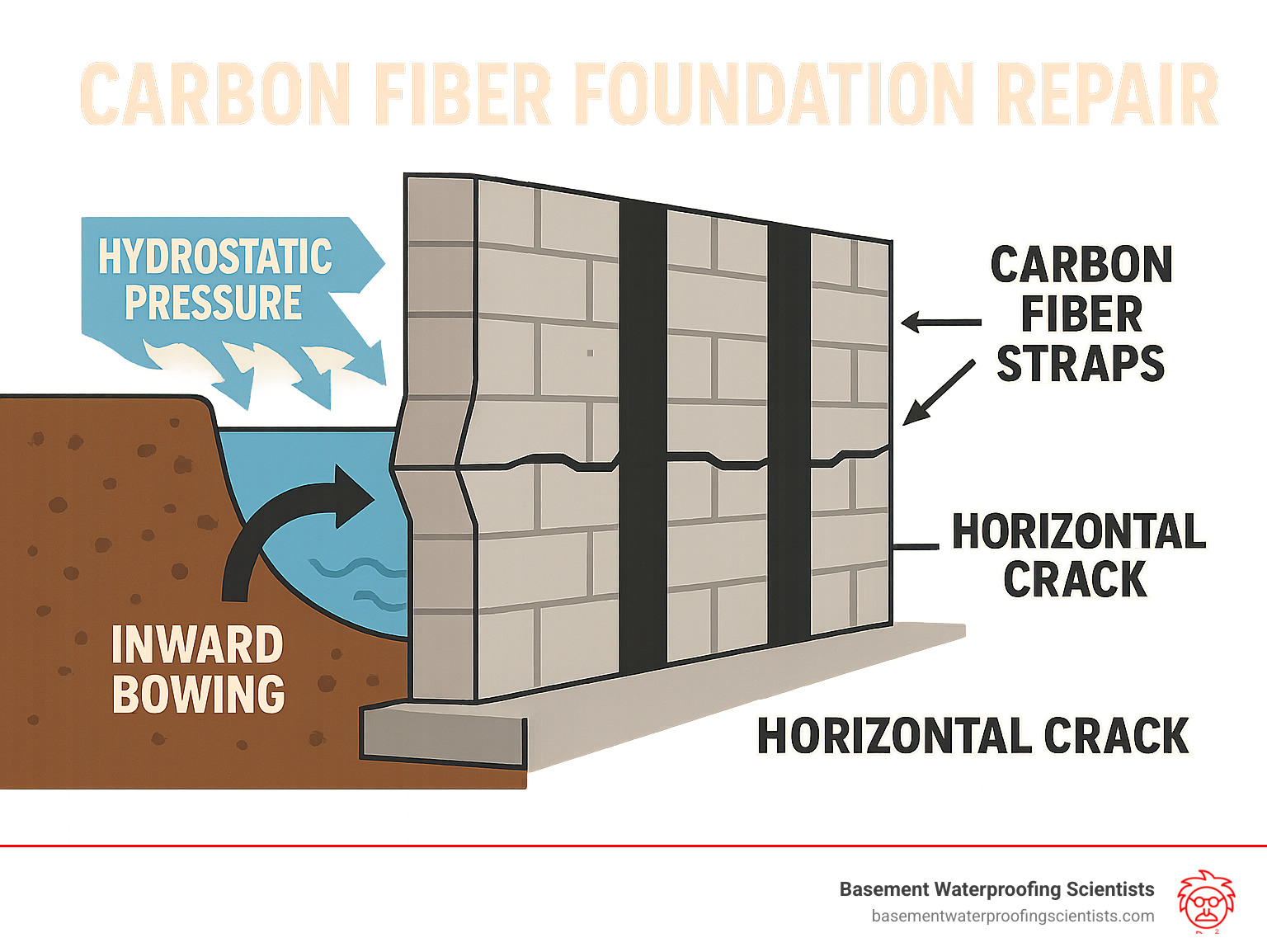
When soil becomes oversaturated, it undergoes a process called hydrostatic pressure. This occurs when the weight of the water in the soil pushes against the foundation walls. In Muskegon’s climate, where freeze-thaw cycles are frequent during the winter and spring months, this pressure is exacerbated. As the water in the soil freezes, it expands, exerting immense force against masonry. Conversely, during dry spells, the sandy soil can shift or settle, leaving voids beneath concrete slabs. This "settlement" is the primary cause of sinking foundations and cracked floor slabs in the area.
Furthermore, many older homes in Muskegon—particularly those in the historic districts—feature "Michigan basements" or fieldstone foundations. These structures are more susceptible to mortar deterioration and moisture seepage than modern poured concrete. Understanding whether your issue is caused by settlement (downward movement) or lateral pressure (sideways bowing) is the first step in selecting the correct repair methodology.
Common Signs of Foundation Distress in Muskegon Homes
Identifying foundation failure early can save homeowners thousands of dollars in secondary repairs. In the Muskegon area, signs of distress often manifest slowly before becoming structural emergencies.
Interior Indicators
Inside the home, the most common symptom is drywall cracking, particularly around the corners of door frames and windows. If a door suddenly begins to stick or fails to latch properly, it often indicates that the frame has been pulled out of square by a shifting foundation. Residents should also look for uneven or sloping floors. A simple test involves placing a level or a ball on a hard surface; if there is a consistent roll toward one side of the home, settlement is likely occurring in that specific quadrant.
Exterior and Basement Indicators
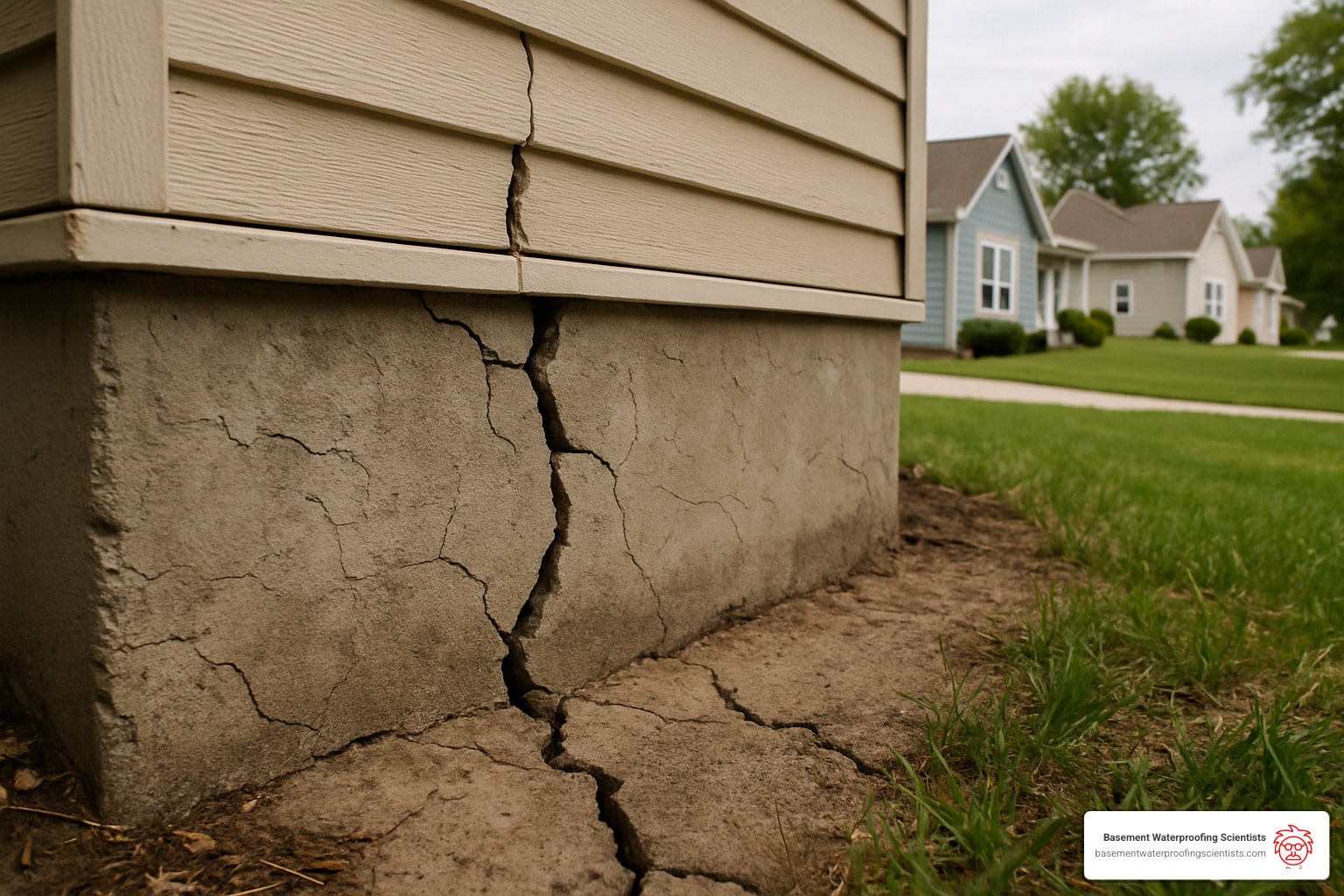
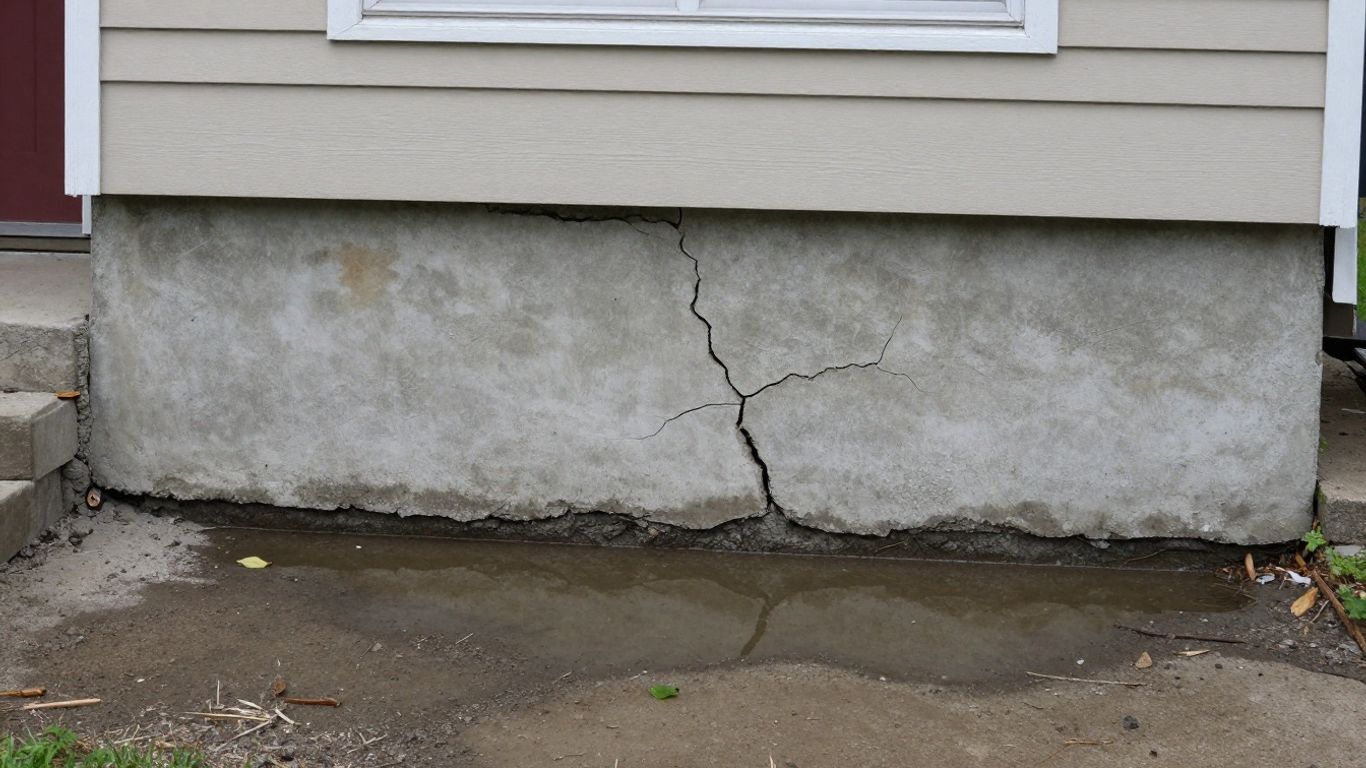
On the exterior, "stair-step" cracks in brickwork or siding gaps are major red flags. In the basement, homeowners should inspect the walls for horizontal cracks. Unlike vertical cracks, which are often caused by minor shrinkage in the concrete, horizontal cracks are almost always a sign of structural failure due to hydrostatic pressure. Another sign is "efflorescence"—a white, powdery substance on the walls. This is a mineral deposit left behind by evaporating water, signaling that the foundation is porous and under constant moisture attack.
Leading Foundation Repair Methods for 2026
Modern engineering has provided several non-invasive and permanent solutions for foundation stabilization. The choice of method depends on whether the goal is to stop sinking, straighten a wall, or fill a void.
Helical and Push Piering Systems
For homes experiencing significant settlement, piering is the gold standard.
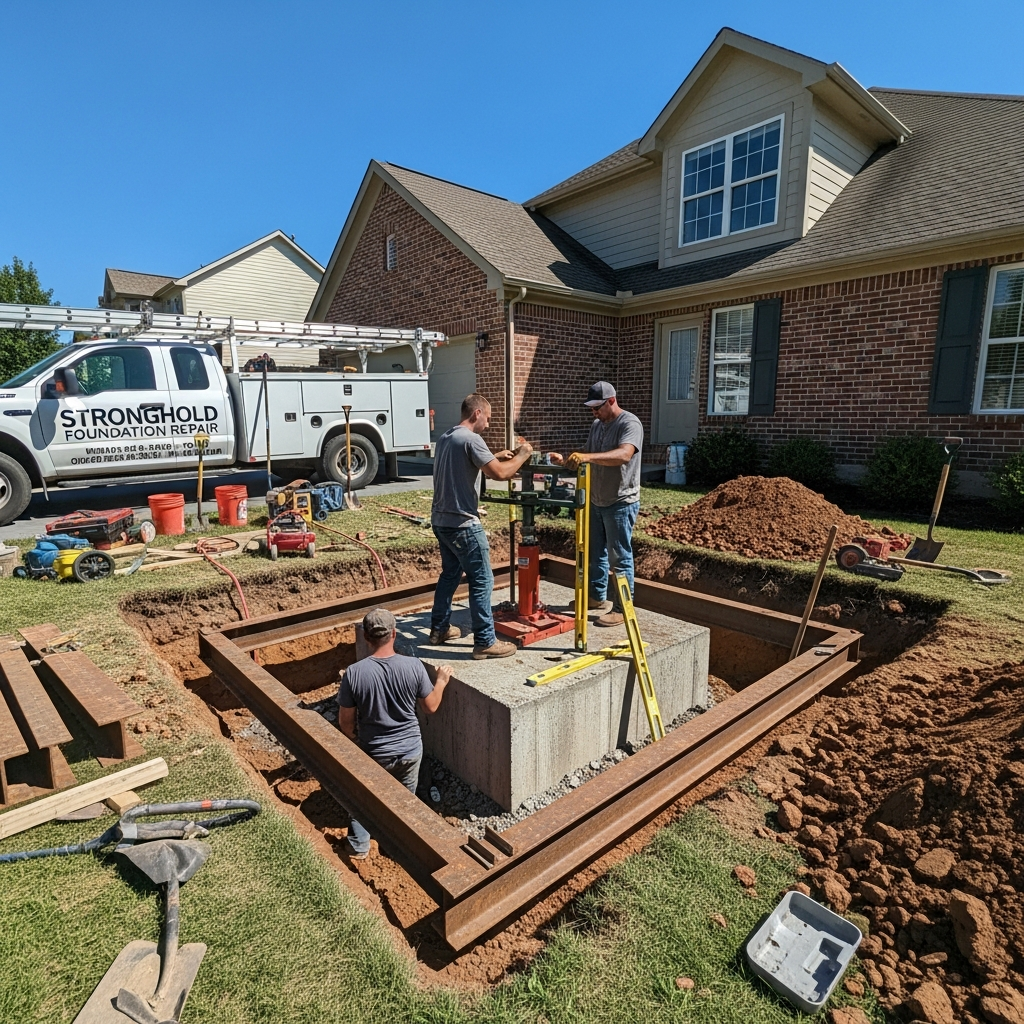
- Helical Piers: These are steel shafts with screw-like plates that are bored deep into the ground until they reach stable, load-bearing soil or bedrock. They are ideal for the sandy conditions often found in Muskegon because they do not rely on the weight of the structure to be installed.
- Push Piers: Also known as resistance piers, these use the weight of the building to drive steel sections into the earth. Once the piers reach a solid stratum, the home can be hydraulically lifted back toward its original level.
Wall Anchors and C-Channel Reinforcement
If foundation walls are bowing inward due to lateral pressure, wall anchors are often used. This system involves an anchor plate buried in the yard and a wall plate inside the basement, connected by a high-strength steel rod. By tightening the rod over time, the wall can often be pulled back into alignment. In cases where the exterior property line is too close to allow for an anchor (common in denser Muskegon neighborhoods), C-Channel anchors or steel I-beams are bolted to the floor and the floor joists to provide rigid interior bracing.
Carbon Fiber Strapping
For minor bowing or to prevent further movement in cracked walls, carbon fiber reinforcement is a state-of-the-art solution. These straps are incredibly thin but have a tensile strength ten times greater than steel. They are bonded directly to the basement wall using high-strength epoxy. Because they are low-profile, they can be easily painted over or covered by drywall, making them a preferred choice for finished basements.
Polyurethane Injection (Polyjacking)
For sinking concrete porches, garage floors, or driveways, polyjacking has largely replaced traditional mudjacking. This process involves drilling small holes (the size of a penny) into the concrete and injecting a high-density expanding foam. The foam fills the voids beneath the slab and expands to lift the concrete back to its original height. It is waterproof, lightweight, and cures in minutes, making it highly effective for Muskegon’s sandy soils that are prone to erosion.
Cost Analysis for Muskegon Foundation Repair
Costs in 2026 are influenced by material prices (steel and resin) and the depth of the stable soil layers in the Muskegon area.
| Repair Method | Estimated Cost (Per Unit/Project) | Best Use Case |
|---|---|---|
| Helical Piers | $2,500 – $4,000 per pier | Severe settlement/sinking corners |
| Wall Anchors | $1,200 – $1,800 per anchor | Bowing or leaning basement walls |
| Carbon Fiber Straps | $700 – $1,100 per strap | Small cracks or early-stage bowing |
| Polyjacking | $1,500 – $3,500 per project | Sunken slabs, sidewalks, or garage floors |
| Crack Injection | $500 – $1,200 per crack | Waterproofing non-structural leaks |
| Full Encapsulation | $5,000 – $12,000 | Crawl space moisture and mold control |
Note: Total project costs typically include a mobilization fee and structural engineering oversight.
The Role of Waterproofing in Foundation Longevity
In Muskegon, foundation repair is often incomplete without addressing the root cause: water. Repairing a crack is a temporary fix if the soil remains saturated.
Exterior drainage systems, such as French drains, are designed to redirect groundwater away from the foundation. Additionally, interior drain tiles can be installed along the perimeter of the basement floor. These tiles collect water that seeps under the footer and direct it to a sump pump, which then discharges the water safely away from the home. For homes with crawl spaces, encapsulation—covering the ground and walls with a heavy-duty vapor barrier—is essential to prevent wood rot and maintain the structural integrity of the floor joists.
Permitting and Regulations in Muskegon County
Structural foundation repairs in Muskegon require compliance with the Michigan Residential Code. Most significant repairs, especially those involving piers or structural bracing, require a building permit from the Muskegon City Building Department or the relevant township office (such as Norton Shores or Muskegon Township).
A permit ensures that a third-party inspector verifies the repair meets safety standards. Furthermore, if your property is located near the lakefront or within a designated critical dune area, additional environmental permits from the Michigan Department of Environment, Great Lakes, and Energy (EGLE) may be required before excavation begins. Always verify that your contractor is licensed and insured in the State of Michigan to perform structural work.
Frequently Asked Questions
Does homeowners insurance cover foundation repair?
In most cases, standard homeowners insurance does not cover foundation repair caused by earth movement, settlement, or hydrostatic pressure. Coverage is usually only available if the damage was caused by a covered "peril," such as a pipe bursting. It is recommended to review your policy's "earth movement" exclusion or check for specific riders.
How long does a typical foundation repair take?
Most residential repairs in Muskegon, such as installing piers or wall anchors, can be completed in 2 to 4 days. Polyjacking for a driveway or slab can often be finished in a single afternoon. More extensive projects involving full excavation and waterproofing may take a week or more.
Can I sell a house in Muskegon with foundation issues?
Yes, but you are legally required to disclose known structural defects in the Seller’s Disclosure Statement. Most buyers will require the foundation to be repaired or will ask for a significant price reduction. Having the repair completed by a professional with a transferable warranty can actually help maintain the home's market value.
What is the difference between a vertical and horizontal crack?
Vertical cracks are often the result of the concrete settling or shrinking shortly after construction and are usually a waterproofing concern rather than a structural one. Horizontal cracks, however, indicate that the wall is failing under external pressure and require immediate structural intervention.
Is carbon fiber better than steel beams for wall repair?
Carbon fiber is better for preventing a wall from bowing further without taking up space in the basement. However, if the wall has already bowed significantly (usually more than 2 inches), steel I-beams or wall anchors are typically required to provide the necessary mechanical force to stabilize or move the wall.
Practical Recommendation for Homeowners
If you suspect foundation trouble in your Muskegon home, the first step should be a professional inspection by a structural engineer or a specialized foundation contractor. Early intervention is key; a few carbon fiber straps installed today are significantly more affordable than a full piering system required five years from now. Always ensure that any structural work comes with a transferable lifetime warranty, which provides peace of mind and protects the resale value of your property in the Muskegon real estate market.
Image Gallery