How to Grow a Jacaranda Tree in Oregon: Complete Cultivation & Overwintering Guide
Growing a jacaranda tree (Jacaranda mimosifolia) in Oregon requires a tailored approach because this tropical native to South America thrives in warm climates (USDA Hardiness Zones 9b through 11). While most of Oregon experiences colde...
Growing a jacaranda tree (Jacaranda mimosifolia) in Oregon requires a tailored approach because this tropical native to South America thrives in warm climates (USDA Hardiness Zones 9b through 11). While most of Oregon experiences colder winter temperatures and wet soil conditions that threaten outdoor survival, Oregon gardeners can successfully grow jacaranda trees as container-bound patio plants that are overwintered indoors or in a heated greenhouse.
Contents
Understanding Oregon’s Climate vs. Jacaranda Hardiness Requirements
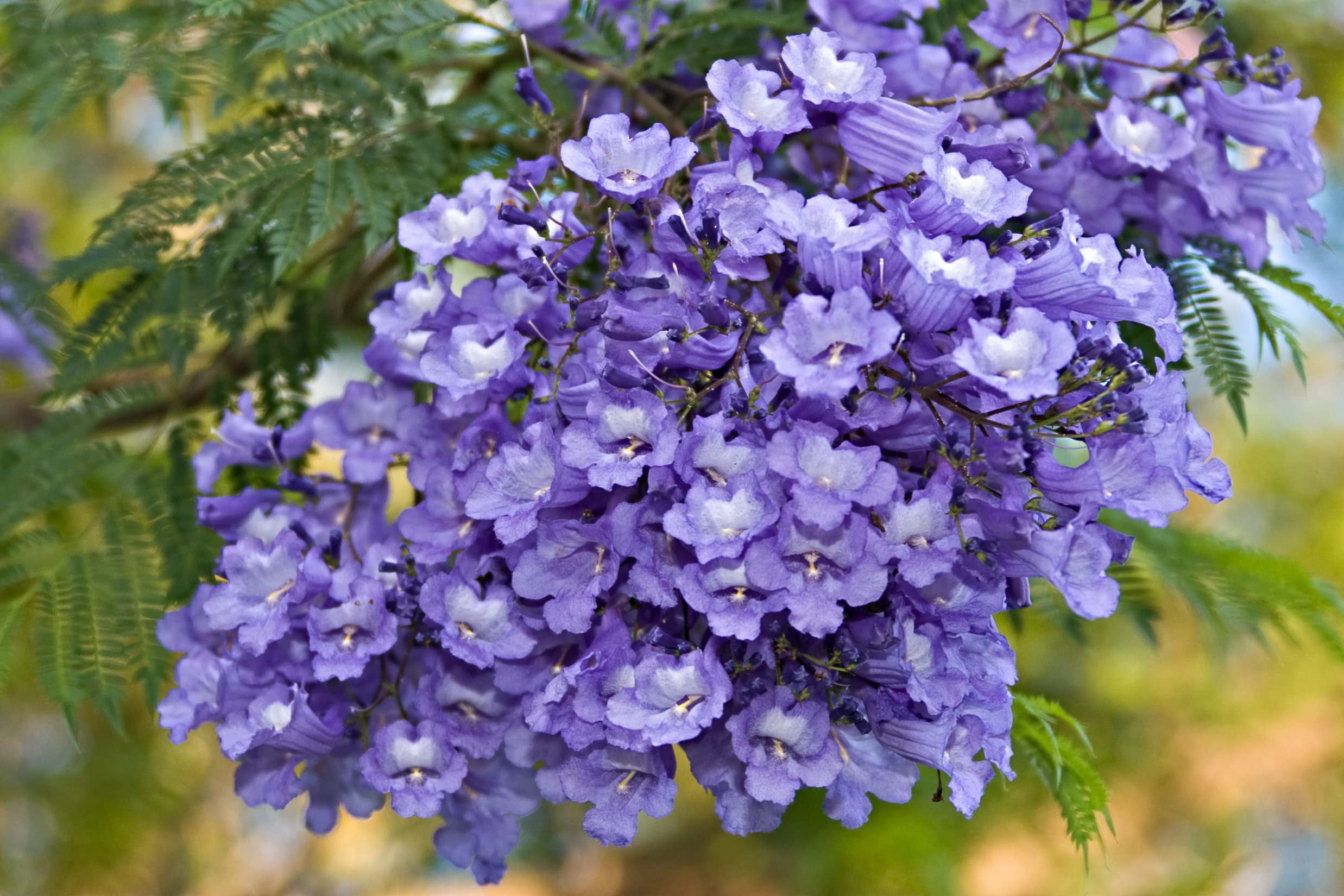
To grow a healthy jacaranda tree in Oregon, gardeners must first understand the fundamental physiological requirements of the plant alongside Oregon's regional microclimates. The blue jacaranda is famous for its vibrant violet-blue trumpet flowers and feathery, fern-like foliage. However, its anatomical structure is adapted to frost-free regions with distinct dry seasons.
The USDA Plant Hardiness Zone Map categorizes Oregon across Zones 5b through 9b. The mountainous regions of Eastern and Central Oregon fall between Zones 5b and 7a, experiencing severe sub-zero winter temperatures. The Willamette Valley—including Portland, Salem, and Eugene—generally falls into Zones 8b to 9a, where winter minimum temperatures frequently dip into the low 20s or upper 10s Fahrenheit. Only small pockets along the southern Oregon coast, such as Brookings (Zone 9b to 10a), consistently stay mild enough to avoid deep freezes.
Jacaranda Temperature Tolerance Scale:
- 35°F to 100°F+: Ideal growing range (Active growth & flowering)
- 28°F to 32°F: Light leaf drop, foliage damage on young wood
- 20°F to 27°F: Severe dieback of branches, trunk damage on mature trees
- Below 20°F: Fatal root and wood freezing for unmanaged outdoor trees
Jacaranda trees suffer severe tissue damage when exposed to ambient temperatures below 27°F (-3°C). Young saplings can die outright if temperatures drop below 28°F (-2°C) for more than a few consecutive hours. Furthermore, Oregon’s winter climate poses a dual threat: persistent cold rains combined with low temperatures cause root rot (Phytophthora and other fungal pathogens), which kills the tree long before freezing air damages the crown.
In-Ground Planting vs. Container Cultivation in Oregon
Because of Oregon's wet winters and unpredictable cold snaps, choosing the right planting method determines whether your jacaranda will survive beyond its first year.
| Cultivation Factor | In-Ground Cultivation (Southern Coast Only) | Container Cultivation (Statewide) |
|---|---|---|
| Primary Risk | Extended freezes below 25°F and winter root rot | Root restriction and tipping in heavy winds |
| Mobility | Fixed location; requires passive frame protection | Fully mobile; easily shifted indoors or into shelter |
| Soil Drainage | Depends on native soil; requires gravel amendment | Highly controllable via custom potting media |
| Max Height Potential | 25 to 40 feet (if survived) | 6 to 12 feet (pruned container specimen) |
| Flowering Likelihood | Moderate (if sufficient summer heat exists) | Low to moderate (requires mature root mass and warmth) |
| Recommended Oregon Zones | Zone 9b Microclimates only (e.g., Brookings) | Zones 5a through 9a |
The In-Ground Challenge
Planting a jacaranda in the ground is only remotely viable in extreme microclimates along the Curry County coastline or protected urban heat islands in deep Southern Oregon (such as Medford or Grants Pass), and even then, it requires aggressive winter intervention. In these areas, gardeners must build seasonal heat tents or wrap the trunk with heat cables during cold snaps. In the Willamette Valley and Northern Oregon, in-ground planting almost always results in trunk death during typical winter low events.
The Container Solution
Container cultivation is the recommended, reliable strategy for growing jacaranda in Oregon. By planting the tree in a large container with wheels or a plant dolly, growers can move the tree outdoors to maximize sunlight during the warm spring and summer months, then retract it into a climate-controlled environment before autumn frosts arrive.
Step-by-Step Guide to Growing Jacaranda in Containers
Successfully managing a potted jacaranda involves precise attention to soil chemistry, pot selection, irrigation, and nutrient delivery during the active growing season.
Container Life Cycle Progression:
- Spring: Move Outdoors
- Summer: Full Sun & Feeding
- Autumn: Prune & Move Indoors
- Winter: Dormant Care
1. Selecting Container Size and Soil Medium
Jacarandas require rapid-draining soil to prevent root saturation. Standard heavy potting soils retain too much moisture for Oregon's cooler spring and autumn weather.
- Pot Material and Sizing: Start young saplings in 5-gallon pots and scale up gradually to 15- to 25-gallon containers as the root ball matures. Use terracotta, thick resin, or wooden tubs equipped with multiple large drainage holes. Avoid pots with built-in saucers that hold standing water.
- Soil Blend: Create a custom mix consisting of:
- 40% high-quality organic potting soil
- 30% coarse horticultural sand or pumice (pumice is widely available across Oregon)
- 20% perlite or pine bark fines
- 10% compost
- Target Soil pH: Maintain a slightly acidic to neutral soil pH between 6.0 and 7.5.
2. Summer Location and Sunlight Exposure
From late May through mid-September, jacarandas require absolute maximum solar radiation to photosynthesize efficiently and build up trunk caliper.
- Place the container in a location that receives at least 8 hours of direct, unfiltered sunlight daily. A south- or southwest-facing patio, driveway, or unshaded deck is optimal.
- Radiant heat reflected off brick walls or concrete slabs helps mimic the warm native microclimates jacarandas prefer, promoting foliage expansion.
3. Irrigation and Fertilizer Regimes
During the active growing season (June through August), a potted jacaranda consumes water rapidly due to its high transpiration rate and large leaf surface area.
- Watering: Water thoroughly until moisture drains freely from the bottom of the container. Allow the top 2 inches of soil to dry out completely between waterings. Never allow the container to sit in stagnant water. In July heat, daily watering may be necessary; during humid or cool periods, water every 3 to 5 days.
- Fertilization: Apply a balanced, water-soluble fertilizer (such as a 10-10-10 formula) every two weeks from May through July. In August, switch to a low-nitrogen, higher-phosphorus blend (such as 5-10-10) to encourage wood hardening and root stability rather than delicate late-season vegetative shoots that are vulnerable to cold damage. Cease all fertilization by early September.
Overwintering Jacarandas in Oregon: A Seasonal Protocol
The overwintering phase is the most critical period for Oregon jacaranda growers. The objective is to manage the tree's natural semi-dormancy while protecting root networks from sub-freezing temperatures.
Overwintering Preparation Steps:
- Track night temperatures starting in mid-September.
- When temps consistently hit 45°F, inspect leaves for pests (scale/aphids).
- Spray down foliage with horticultural soap before moving indoors.
- Position near a south-facing window or under full-spectrum grow lights.
- Reduce watering frequency to once every 2-3 weeks.
Autumn Transition (Late September to October)
Monitor ambient night temperatures closely. When night temperatures consistently dip below 45°F (7°C), begin the indoor transition process:
- Pest Inspection & Treatment: Before moving the container inside, inspect the foliage thoroughly for aphids, spider mites, and scale insects. Spray the leaves and stems with neem oil or insecticidal soap to avoid introducing garden pests into indoor spaces.
- Structural Pruning: Lightly prune weak or crossing branches to reduce overall container bulk and improve airflow around the main stem.
- Relocation: Move the container into its indoor winter quarters before the first atmospheric frost.
Indoor Winter Care (November through March)
During the winter, jacarandas enter a period of semi-dormancy, frequently shedding a portion or all of their leaves. This leaf drop is a natural stress response to reduced day length and lower ambient light levels.
- Light Requirements: Position the tree in front of a bright, south-facing window. If natural light is limited, supplement with a full-spectrum LED grow light running on a 12-hour daily timer placed 18 to 24 inches above the canopy.
- Temperature Ranges: Maintain indoor ambient temperatures between 55°F and 68°F. Keep the plant away from drafty exterior doors as well as direct heat vents, which can dry out leaves prematurely.
- Drastically Reduced Irrigation: Reduce watering dramatically. Check the top 3 to 4 inches of soil; water only when the medium is thoroughly dry. Overwatering during winter dormancy under indoor conditions is the single primary cause of jacaranda mortality in Oregon.
- No Fertilizer: Do not apply any fertilizer between September and April.
Spring Acclimation (April to May)
Do not rush the tree back outside during early spring cold snaps. Wait until night temperatures remain reliably above 45°F to 50°F.
Acclimate the tree through a process called hardening off:
- Place the tree in full shade outdoors for 2 to 3 hours daily during week one.
- Gradually increase outdoor exposure and sun levels over 10 to 14 days.
- Return the tree to its permanent, full-sun summer location once the risk of spring frost has passed (typically mid-May in the Willamette Valley).
Managing Bloom Expectations and Common Troubleshooting
Gardeners growing jacaranda trees in Oregon should maintain realistic expectations regarding purple blooms.
Key Factors Controlling Jacaranda Flowering:
| Factor | Requirement for Blooms |
|---|---|
| Tree Maturity | Must be 7 to 14 years old (from seed) |
| Sun & Heat Exposure | High heat units & full direct summer sun |
| Winter Dormancy Stress | Cool, dry period without tissue-killing frost |
| Root Space | Moderately bound roots in mature containers |
Why Jacarandas Rarely Flower Indoors or in Cool Climates
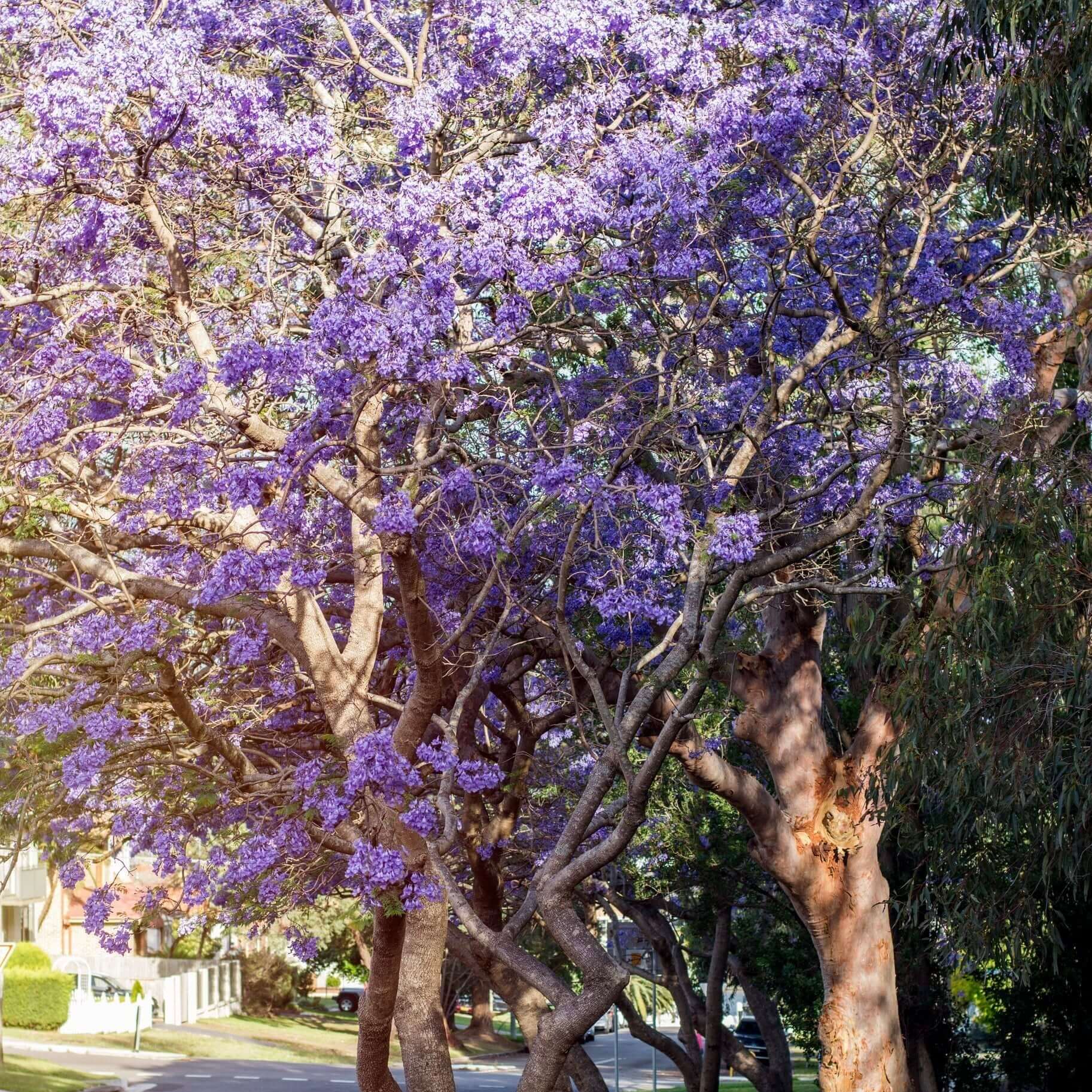
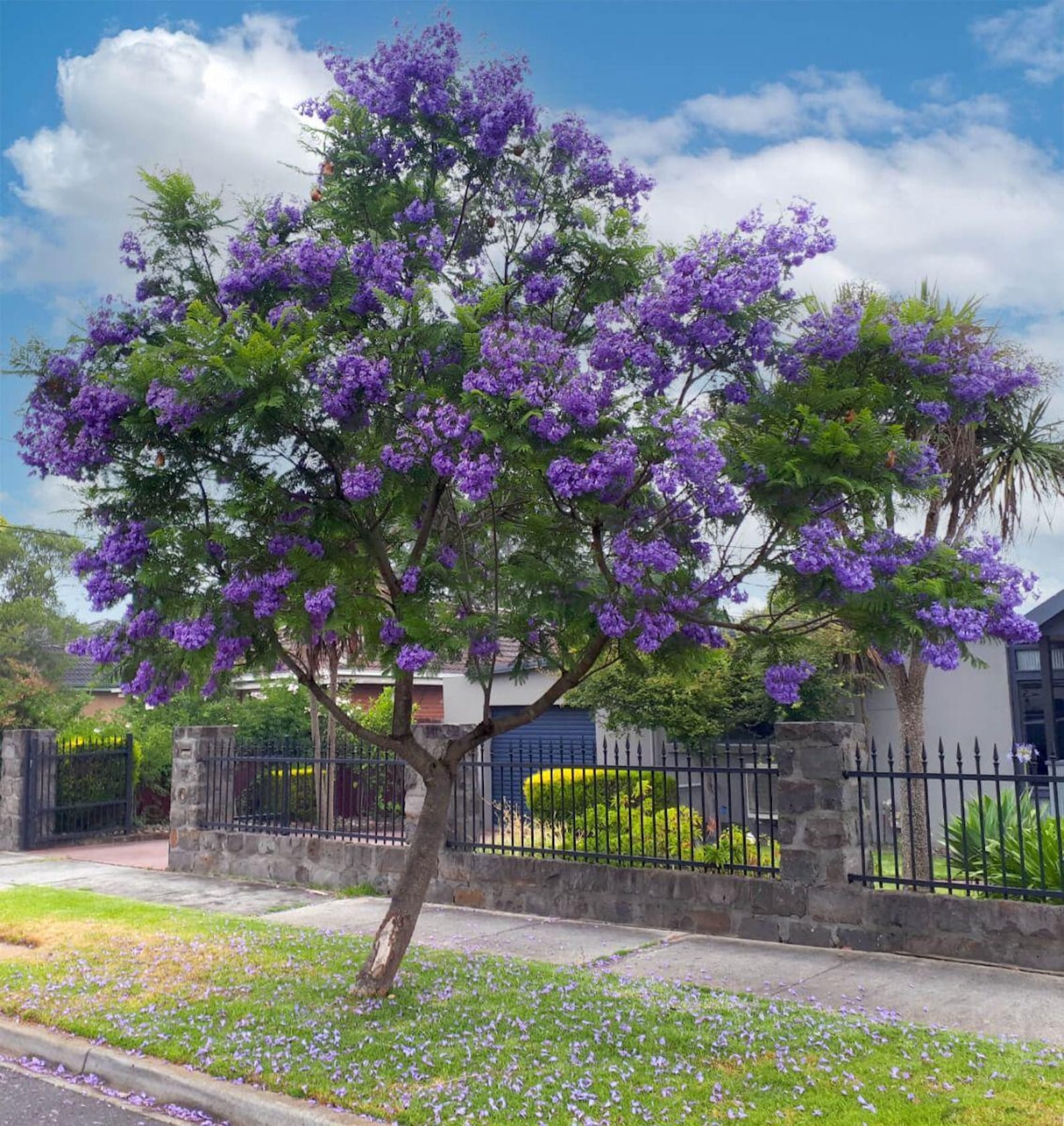
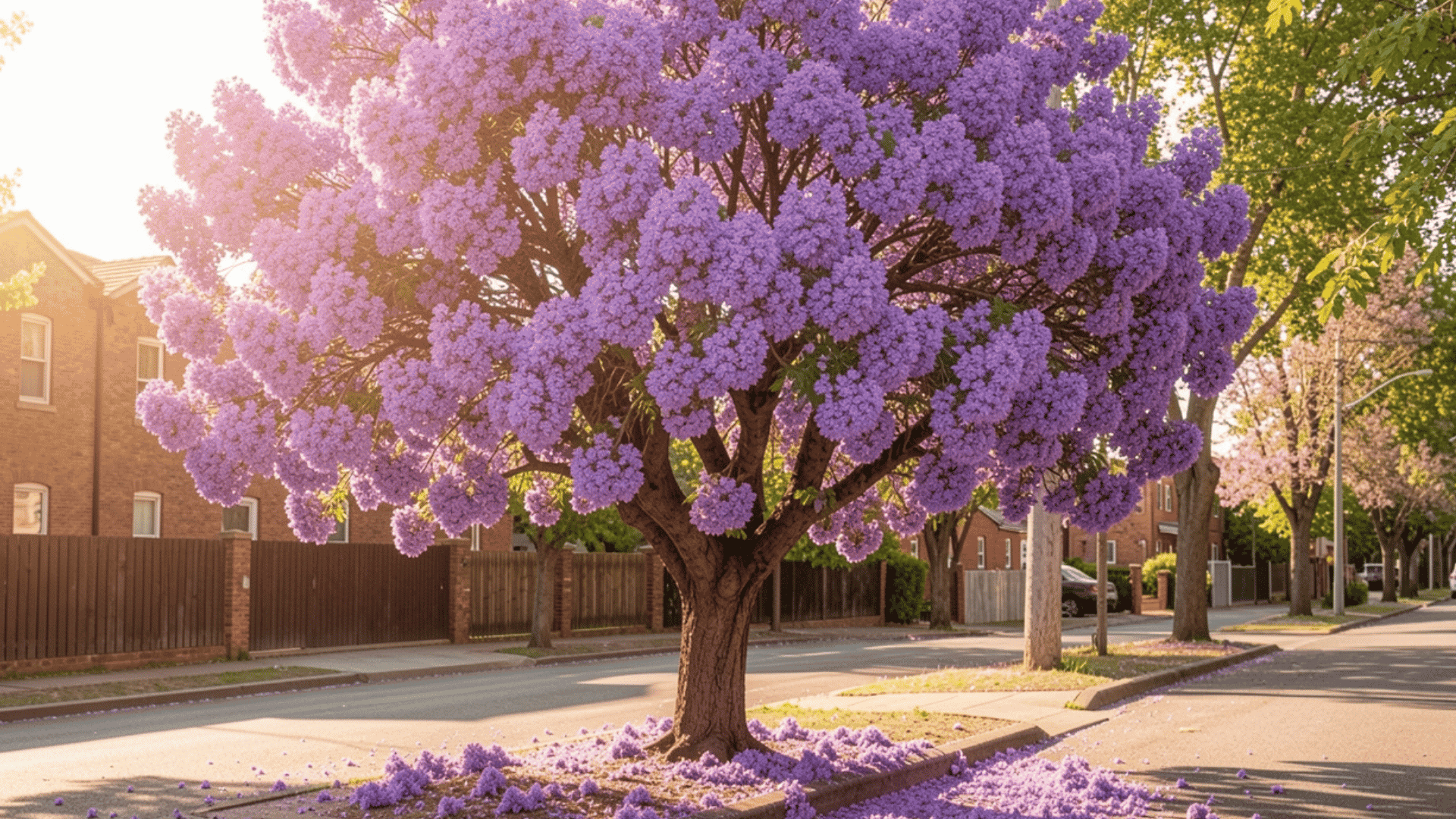
In their natural habitat and warm southern zones (such as Southern California or Florida), jacarandas produce dense clusters of purple-blue flowers in late spring after shedding their leaves. Flowering requires two key environmental triggers:
- Extended Heat Accumulation: High heat units during late spring.
- Tree Age and Size: Jacarandas grown from seed usually take 7 to 14 years to bloom, reaching large physical proportions. Grafted varieties (such as 'Bonsai Blue') can bloom at a younger age and smaller size, but cool Oregon summers often lack the thermal duration required to initiate dense flower buds.
While your Oregon-grown jacaranda will provide striking, tropical, fern-like foliage, intense purple blooms will be sporadic unless summer heat is supplemented using a greenhouse.
Common Health Issues and Remediation
- Yellowing Foliage and Soft Stems: Caused by overwatering or poor drainage. Solution: Allow the potting soil to dry out completely, check drainage holes for blockages, and ensure the pot is elevated slightly off flat surfaces.
- Sudden Leaf Drop: Common when moving the tree indoors in autumn due to lower light levels and lower humidity. Solution: Maintain consistent light levels with grow lights and avoid drafty heat vents.
- Leggy, Weak Stems: Caused by inadequate sunlight during the summer growing season. Solution: Move the container to an unshaded location receiving full direct sunlight, and pinch back growing tips to encourage lateral branching.
- Spider Mite Infestation: Frequently occurs in dry, indoor winter air. Solution: Wipe leaves with a damp cloth, increase surrounding humidity using a cool-mist humidifier, and apply horticultural soap as needed.
Outdoor Microclimates: Can You Plant In-Ground in Oregon?
For dedicated horticulturalists determined to attempt in-ground growth in Oregon, success depends entirely on localized microclimates and proactive winter engineering.
Regional Feasibility Breakdown
- Willamette Valley (Zones 8b/9a - Portland, Salem, Eugene): In-ground survival without permanent winter infrastructure is extremely low. Unusually severe winter arctic blasts dropping below 20°F occur every few years, killing top growth to the ground.
- Southern Coastal Oregon (Zone 9b/10a - Brookings, Harbor): This narrow coastal stretch offers the highest probability of outdoor survival due to ocean heat moderation. However, heavy winter precipitation requires planting on steep, south-facing slopes with rocky or sandy, well-draining soil.
- Central & Eastern Oregon (Zones 5b to 7a - Bend, Pendleton): Outdoor in-ground growing is unviable due to deep freezes and snow accumulation. Potted culture is strictly required.
In-Ground Protection Strategies (If Attempted)
If planting outdoors in a mild microclimate, follow these structural preservation steps:
- Site Selection: Plant near a south-facing masonry wall to capture thermal mass. Ensure the soil is amended with 50% crushed rock or coarse gravel to accelerate drainage.
- Trunk Insulation: Before the first freeze, wrap the main trunk with pipe insulation or multiple layers of burlap up to the first scaffold branch.
- Soil Thermal Layer: Apply a 6-inch layer of dry bark mulch over the root zone, keeping the mulch 4 inches away from direct contact with the bark to prevent fungal decay.
- Active Freeze Protection: During cold blasts forecast below 28°F, build a temporary frame over the tree using frost cloth, and run C9 incandescent outdoor Christmas lights inside the frame to generate ambient heat.
Frequently Asked Questions
Can a jacaranda tree survive a Western Oregon winter outside?
Unprotected jacaranda trees generally cannot survive a typical Western Oregon winter outdoors. While winter temperatures in Zones 8b and 9a may remain mild for short periods, periodic cold snaps dropping below 25°F combined with cold winter rain cause severe wood dieback and root rot.
What is the best variety of jacaranda to grow in Oregon?
The dwarf cultivar Jacaranda mimosifolia 'Bonsai Blue' (or 'Sakai') is the best choice for Oregon growers. This dwarf variety matures at just 5 to 10 feet in height, making it far easier to manage in containers, move through doorways, and keep indoors during cold weather. It also flowers at a much younger age than standard seed-grown trees.
When should I bring my potted jacaranda inside for the winter?
Bring your potted jacaranda indoors in early autumn when night temperatures consistently drop below 45°F to 50°F. Do not wait for a hard frost, as leaf tissue and container-bound roots can suffer damage quickly.
Why is my indoor jacaranda losing all its leaves during the winter?
Leaf dropping is a standard response to reduced daylight hours, changes in light quality, and lower indoor humidity. As long as the trunk and main branches remain firm and green underneath the outer bark (test by lightly scratching the surface), the tree is resting and will produce new foliage when returned outside in spring.
How big will a jacaranda grow in a pot in Oregon?
When grown in containers, jacarandas typically reach 6 to 12 feet in height, depending on the pot size and pruning routine. Regular root pruning every 2 to 3 years and annual tip pruning in early spring help keep the tree manageable for indoor winter storage.
Practical Action Plan for Oregon Gardeners
To successfully cultivate a jacaranda tree in Oregon's unique climate, follow this straightforward seasonal routine:
- Acquire a Dwarf Cultivar: Purchase a grafted dwarf variety like Jacaranda mimosifolia 'Bonsai Blue' to simplify container management and improve flowering potential.
- Use High-Drainage Soil: Pot the tree in a durable, heavy-duty container equipped with casters, using a 40/30/20/10 potting mix ratio of soil, pumice, perlite, and compost.
- Maximize Outdoor Summer Exposure: Keep the plant outdoors from late spring through late summer in an unshaded, south-facing location that receives at least 8 hours of daily direct sunlight.
- Enforce Strict Winter Dormancy: Bring the tree indoors before night temperatures drop below 45°F. Place it near your sunniest south-facing window, stop all fertilizing, and reduce watering to only when the top few inches of soil are dry.
- Acclimate Gradually in Spring: Wait until night temperatures stay above 45°F to 50°F in spring before hardening off the plant over 10 to 14 days and returning it to full outdoor sun.
Image Gallery