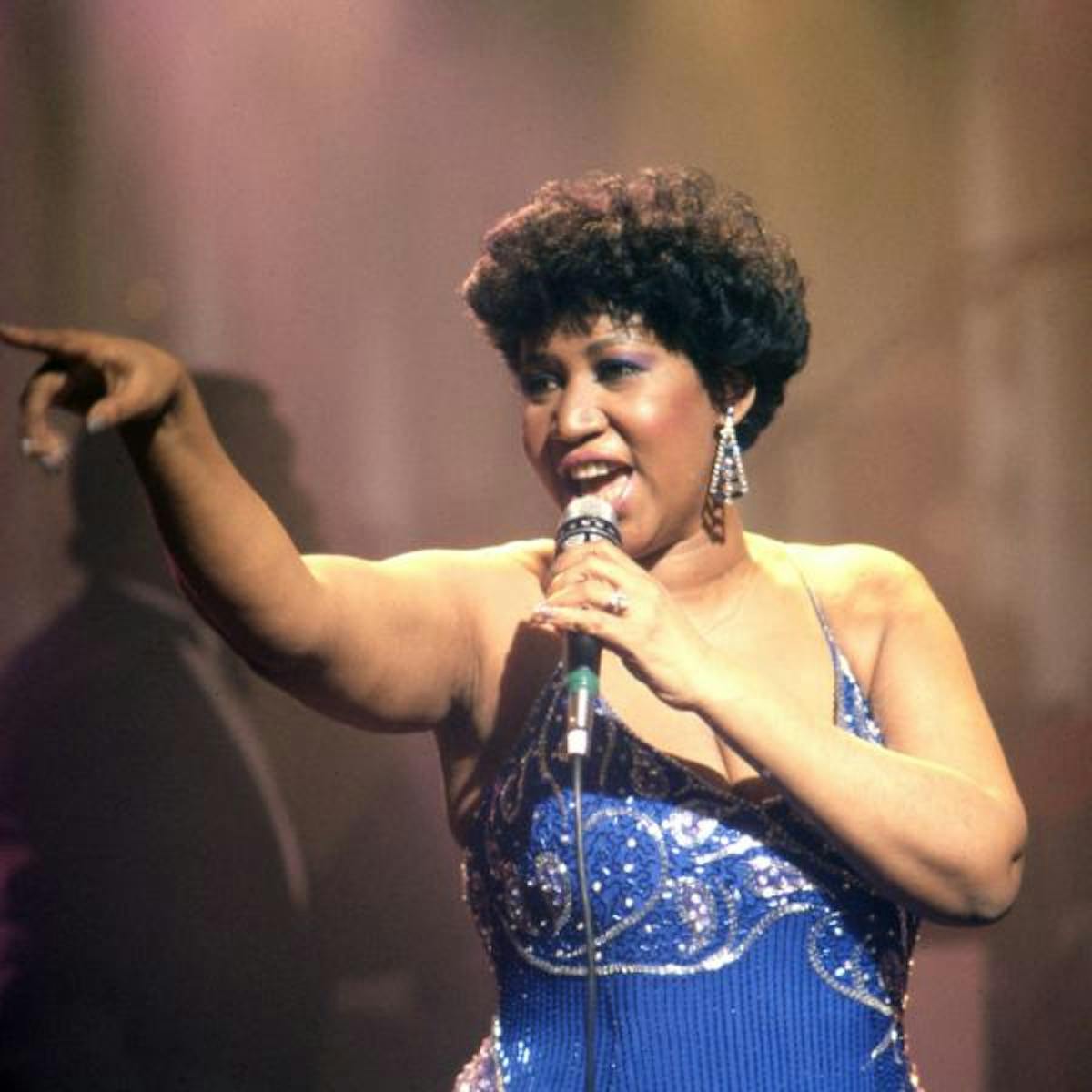
The People Who Raised Aretha Franklin: Family, Mentors, and the Guardians of Soul
Aretha Franklin was primarily raised by her father, the renowned minister and civil rights leader Rev. C.L. Franklin, alongside her paternal grandmother, Rachel Walker, in Detroit, Michigan. Following the separation and early death of...
Aretha Franklin was primarily raised by her father, the renowned minister and civil rights leader Rev. C.L. Franklin, alongside her paternal grandmother, Rachel Walker, in Detroit, Michigan. Following the separation and early death of her mother, Barbara Siggers Franklin, a close-knit network of gospel luminaries—including Mahalia Jackson and Clara Ward—stepped in to provide maternal guidance, personal stability, and world-class musical mentorship.
Contents
The Primary Caregivers: Family Foundations
Understanding who raised Aretha Franklin requires examining both her immediate biological family and the extended community that stepped in during her formative years. Her upbringing was shaped by tragic loss, deep spiritual devotion, and continuous exposure to extraordinary artistic talent.
Rev. C.L. Franklin: Father, Pastor, and Career Architect
Clarence LaVaughn (C.L.) Franklin was the dominant figure in Aretha’s life. A nationally celebrated Baptist preacher known as the "Man with the Golden Voice," Rev. Franklin served as the pastor of Detroit’s New Bethel Baptist Church. His influence on Aretha extended far beyond traditional parenting:
- Musical Discovery: Recognizing Aretha’s natural gifts when she was just a young child, Rev. Franklin encouraged her to sing in the church choir and taught her to play the piano by ear.
- Early Career Management: By the time Aretha was 14, her father was managing her gospel touring schedule, bringing her along on national church circuits and facilitating her first gospel recordings for J.V.B. Records.
- Secular Transition Guidance: When Aretha decided to cross over into secular pop and R&B music in 1960, Rev. Franklin gave his blessing and actively helped negotiate her initial recording contract with Columbia Records.
While Rev. Franklin was a demanding figure whose household was often tumultuous, his fierce advocacy for his daughter's talent laid the foundation for her global success.
- [Rev. C.L. Franklin] (Father & Mentor)
- [Rachel Walker] (Paternal Grandmother / Daily Caregiver)
- [Barbara Siggers Franklin] (Mother / Early Influence)
- [Gospel Circle: Mahalia Jackson, Clara Ward, Dinah Washington]
Barbara Siggers Franklin: Mother and Early Musical Model
A persistent myth in popular culture suggests that Aretha’s mother, Barbara Siggers Franklin, abandoned her children. Historical records and family memoirs paint a very different picture.
Barbara was an exceptionally talented pianist and vocalist. In 1948, when Aretha was six years old, the marriage between Barbara and C.L. Franklin collapsed due to marital tensions and C.L.'s infidelity. Barbara relocated to Buffalo, New York, where her family resided.
- Regular Contact: Aretha and her siblings (Erma, Carolyn, Cecil, and half-brother Vaughn) spent summer vacations in Buffalo with their mother, and Barbara traveled to Detroit to visit them regularly.
- Tragic Loss: In May 1952, when Aretha was nine years old (shortly before her tenth birthday), Barbara died of a sudden heart attack. The loss devastated young Aretha, leaving a profound emotional scar that influenced her soul-stirring vocal delivery throughout her lifetime.
Rachel Walker: The Domestic Anchor
Following Barbara's move to Buffalo, Rev. Franklin brought his mother, Rachel Walker (affectionately known as "Big Mama" or "Grandma Rachel"), into the Detroit home on LaSalle Boulevard.
Grandma Rachel became the central maternal anchor in the household. She managed the daily routine, cooked meals, maintained discipline, and provided emotional stability for Aretha and her siblings while Rev. Franklin was away on national preaching tours. Her steady presence ensured the children had a structured home environment despite the high-profile lifestyle surrounding their father.
The Gospel Community: Surrogate Mothers and Mentors
Because of Rev. C.L. Franklin's stature in the African American church and civil rights movements, the Franklin household was a constant gathering place for the era's most prominent artists, leaders, and intellectuals. Several remarkable women served as surrogate mothers and artistic mentors to young Aretha.
Mahalia Jackson: Spiritual Guardian and Family Friend
Gospel legend Mahalia Jackson was a close friend of Rev. C.L. Franklin and a frequent guest at the Detroit home. Following Barbara Franklin’s death, Jackson took a personal interest in the welfare of the Franklin children.
- Maternal Support: Jackson frequently spent extended periods at the house, cooking for the family and offering maternal affection to young Aretha during periods of grief.
- Vocal Inspiration: Jackson’s powerful, emotionally resonant gospel phrasing directly shaped Aretha’s early singing style. Aretha watched Jackson perform up close, absorbing her breath control, dynamic power, and ability to connect spiritually with an audience.
Clara Ward: Musical Idol and Romantic Partner
Clara Ward, the leader of the world-famous Clara Ward Singers, played an immense role in Aretha's adolescent years. Ward entered a long-standing romantic relationship with Rev. C.L. Franklin, making her a regular fixture in the household.
- Artistic Blueprint: Aretha openly cited Clara Ward as her primary musical role model. Ward's dramatic performance style—marked by impassioned runs, physical expression, and gospel intensity—served as a primary blueprint for Aretha’s performance technique.
- Personal Mentorship: Ward offered Aretha advice on vocal projection, wardrobe, stage presence, and surviving life on the road as a touring female musician.
Dinah Washington: The Secular Bridge
Known as the "Queen of the Blues," Dinah Washington was another household visitor who left a lasting impression on young Aretha. Washington provided concrete guidance on how to bridge the gap between sacred gospel music and commercial secular pop, encouraging Aretha to embrace her emotional authenticity regardless of genre.
Key Figures in Aretha Franklin's Upbringing
The following table summarizes the primary individuals who raised, mentored, and cared for Aretha Franklin during her formative years:
| Person | Relationship / Role | Primary Impact on Aretha | Active Years of Influence |
|---|---|---|---|
| Rev. C.L. Franklin | Father & Manager | Recognized her musical genius; introduced her to gospel touring; managed early career. | 1942–1979 |
| Barbara Siggers Franklin | Mother | Provided early musical genes and vocal inspiration; emotional loss deeply affected Aretha. | 1942–1952 |
| Rachel Walker ("Big Mama") | Paternal Grandmother | Served as primary domestic caregiver, managing the household and daily upbringing. | 1948–1960s |
| Mahalia Jackson | Family Friend & Surrogate Mother | Offered maternal comfort after Barbara's death; instilled spiritual and vocal foundation. | 1950s–1970s |
| Clara Ward | Mentor & Father's Partner | Primary musical idol; taught Aretha dramatic vocal style and stage mechanics. | 1950s–1970s |
| Erma & Carolyn Franklin | Older & Younger Sisters | Provided lifelong emotional support, co-wrote songs, and sang backing vocals. | 1940s–1980s |
The Household Environment: Detroit and Civil Rights History
The environment in which Aretha Franklin was raised was as significant as the individual people around her. Living at 7415 LaSalle Boulevard in Detroit, Aretha grew up at the center of northern civil rights activism and the mid-century Black cultural renaissance.
A Sanctuary for Civil Rights Leaders
Rev. C.L. Franklin was a key ally and financial supporter of Dr. Martin Luther King Jr., helping organize the 1963 Detroit Walk to Freedom. As a result, civil rights icons, community organizers, and intellectuals frequently stayed at the Franklin home.
Growing up in this environment gave Aretha a keen political awareness and a deep commitment to social justice. She learned early that music was not merely entertainment, but a powerful instrument for political liberation and human dignity—a perspective that directly informed her iconic recordings of "Respect" and "Think."
The Living Room Jam Sessions
The Franklin living room doubled as an informal masterclass in American music. On any given night, visitors such as Sam Cooke, Rev. James Cleveland, Duke Ellington, Ella Fitzgerald, and Jackie Robinson could be found in the house.
Aretha observed these master musicians closely, absorbing various styles:
- Rev. James Cleveland: Taught her formal piano accompaniment and gospel arrangement techniques.
- Sam Cooke: Transitioned successfully from gospel (with The Soul Stirrers) to secular pop, serving as a direct template for Aretha's own career path.
- Art Tatum: Frequented the house and influenced her complex piano chord voicings.
The Role of Her Siblings
Aretha was raised alongside her brothers and sisters, creating an exceptionally close family bond that endured throughout their adult lives and professional careers.
- Erma Franklin: Her older sister, who also became a professional singer (recording the original version of "Piece of My Heart"), served as a companion and protective figure during their childhood.
- Carolyn Franklin: Her younger sister, a gifted songwriter and vocalist who wrote several of Aretha's hit tracks, including "Ain't No Way" and "Angel." Carolyn provided both creative collaboration and emotional backing.
- Cecil Franklin: Her brother, who eventually entered the ministry like their father and later served as Aretha’s personal manager for decades until his death in 1989.
Together, the Franklin siblings created an internal support system that helped navigate the complexities of their father’s high-profile ministry and their mother's early loss.
Frequently Asked Questions
Did Aretha Franklin's mother abandon her as a child?
No. Historical records clarify that Barbara Siggers Franklin did not abandon her children. After separating from Rev. C.L. Franklin in 1948, she moved to Buffalo, New York, where her extended family lived. Aretha and her siblings spent summers with Barbara in Buffalo, and Barbara routinely visited them in Detroit until her sudden death from a heart attack in May 1952.
Who took care of Aretha Franklin after her mother died?
Daily domestic care was primarily handled by her paternal grandmother, Rachel Walker ("Big Mama"), who lived in the Franklin home. Additionally, gospel singer Mahalia Jackson and other women from New Bethel Baptist Church provided maternal affection, cooking, and emotional support to Aretha and her siblings.
What role did Rev. C.L. Franklin play in Aretha's career?
Rev. C.L. Franklin was Aretha’s primary career architect during her youth. He recognized her piano and vocal talent early, featured her in his church, took her on national gospel tours at age 14, and managed the contract negotiations that launched her secular career with Columbia Records in 1960.
How did Clara Ward influence Aretha Franklin's upbringing?
Clara Ward was both a romantic partner of Rev. C.L. Franklin and Aretha's greatest musical role model. Ward spent significant time in the Franklin household, mentoring Aretha on vocal mechanics, emotional delivery, and stage presence. Aretha adapted much of her early vocal dynamics directly from Ward's performance style.
Practical Recommendations for Historical Research
For biographers, music historians, and researchers exploring the life and upbringing of Aretha Franklin, the following primary and authoritative sources offer verified historical context:
- Autobiographies and Authorized Memoirs: Consult Aretha: From These Roots by Aretha Franklin and David Ritz for Aretha's firsthand accounts of her childhood in Detroit and memories of her mother and father.
- Biographical Studies: Read Respect: The Life of Aretha Franklin by David Ritz, which provides critical commentary, family interviews, and corrections regarding common historical misconceptions surrounding Barbara Siggers Franklin.
- Institutional Archives: Explore archival collections at the National Museum of African American History and Culture and the Charles H. Wright Museum of African American History in Detroit for exhibits detailing Rev. C.L. Franklin's ministry and the civil rights history of New Bethel Baptist Church.
Image Gallery