How to Choose the Best At-Home Leg Waxing Kit for Smooth Results
To choose the best at-home leg waxing kit, identify your skin sensitivity and hair density. Beginners should prioritize cold wax strips for ease of use, while those seeking salon-grade results should opt for a hard wax kit with a digit...
To choose the best at-home leg waxing kit, identify your skin sensitivity and hair density. Beginners should prioritize cold wax strips for ease of use, while those seeking salon-grade results should opt for a hard wax kit with a digital warmer. Look for kits containing pre-wax cleansers and post-wax soothing oils to ensure professional, long-lasting smoothness.
Contents
In 2026, the market for at-home hair removal has evolved significantly, offering professional-grade formulations that were once exclusive to high-end spas. Achieving a perfectly smooth finish on your legs requires more than just picking the first box on the shelf; it requires an understanding of wax chemistry, skin physiology, and the specific mechanics of hair follicle removal. Whether you are dealing with coarse, stubborn hair or hyper-sensitive skin, selecting the right tools is the first step toward a successful DIY session.
Understanding the Different Types of Waxing Kits
The primary factor in your decision should be the technology used to remove the hair. In 2026, at-home kits generally fall into three categories: hard wax, soft wax (strip wax), and pre-coated cold wax strips. Each has distinct advantages and technical requirements.
Hard Wax Kits
Hard wax, often referred to as "stripless wax," is applied warm and hardens as it cools, "shrink-wrapping" the hair without adhering to the skin itself. This makes it the preferred choice for those with sensitive skin or for areas where the skin is thinner.
- Pros: Less painful because it doesn't pull the skin; excellent for shorter, coarser hairs.
- Cons: Requires a dedicated wax warmer; takes longer to heat; requires a specific technique to create a "tab" for removal.
Soft Wax (Strip) Kits
Soft wax is applied in a very thin layer and removed using paper or muslin strips. Because it adheres to both the hair and the top layer of dead skin cells, it provides a secondary benefit of exfoliation.
- Pros: Extremely efficient for covering large surface areas like the thighs and shins quickly; very effective on fine hair.
- Cons: Higher risk of skin lifting if applied twice to the same area; can be messier than hard wax.
Cold Wax Strips
These are pre-coated, room-temperature strips that you warm between your hands before application. They are the most portable and user-friendly option for those new to waxing.
- Pros: No risk of burns; no equipment required; virtually no cleanup.
- Cons: Often less effective on very coarse hair; may require multiple passes, which can irritate the skin.
Key Ingredients and Skin Compatibility
When reviewing the ingredient list of a 2026 waxing kit, you should look for formulations that balance high-performance resins with skin-calming agents. The "best" kit is one that minimizes the inflammatory response of the skin while maximizing the grip on the hair shaft.
Natural Resins vs. Synthetic Resins Traditional waxes often use pine rosin (colophonium), which provides excellent grip but can be a common allergen. Modern premium kits often utilize synthetic resins that are more stable, have a lower melting point, and are less likely to cause an allergic reaction.
Soothing Additives Look for kits that incorporate the following:
- Azulene or Chamomile: These are powerful anti-inflammatory agents that reduce redness immediately after the hair is pulled.
- Aloe Vera: Provides hydration and a cooling sensation.
- Titanium Dioxide: Often added to "cream" waxes to act as a buffer, making the wax gentler on the skin.
Essential Components of a Quality Home Kit
A comprehensive kit should provide more than just the wax itself. To achieve smooth, professional results in 2026, your kit must include a full ecosystem of products designed to protect the skin barrier.
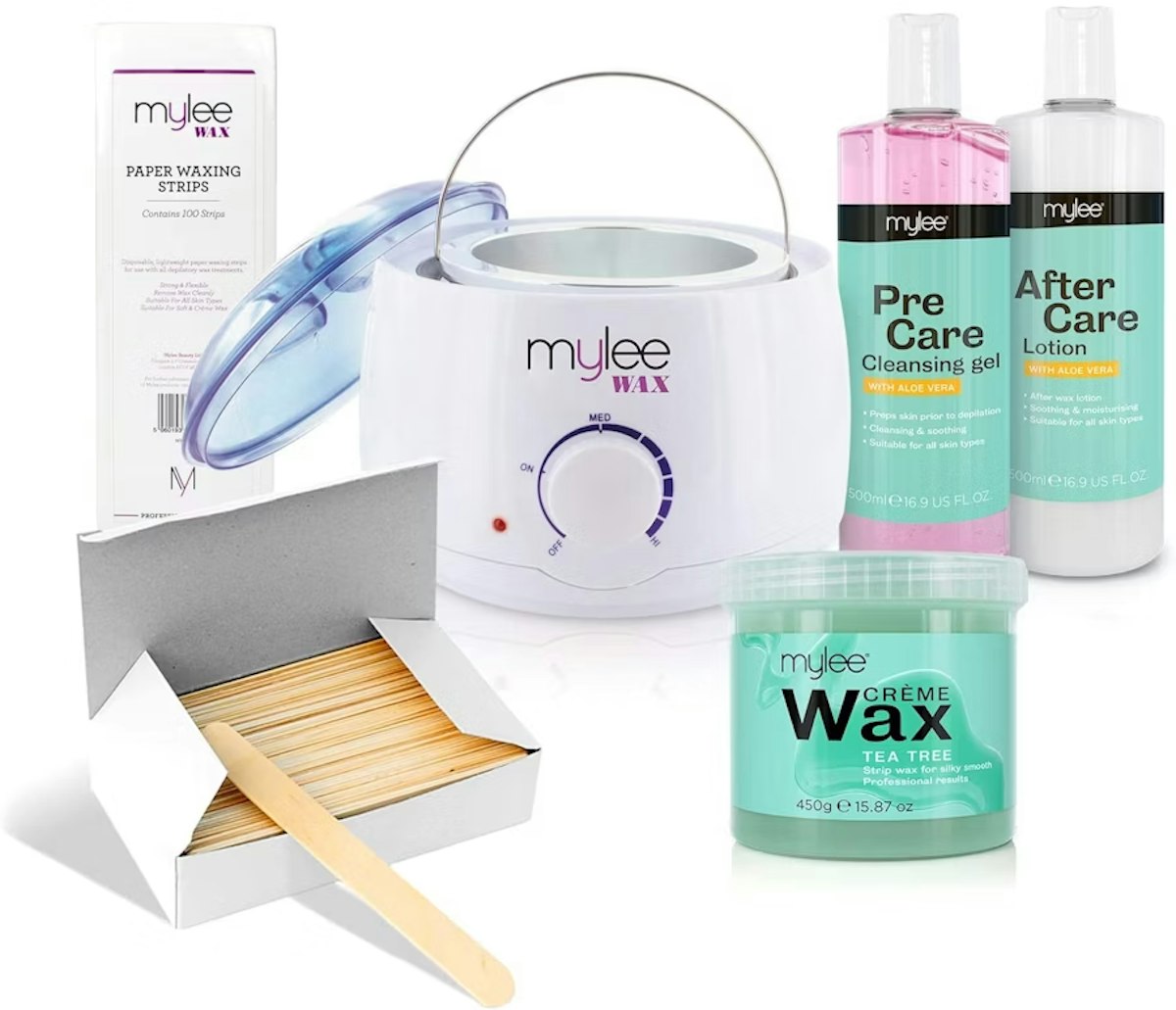
- Temperature-Controlled Warmer: If you are choosing a hot wax kit, the warmer is the most critical piece of hardware. Look for a device with a digital display and adjustable temperature settings. Inconsistent heat can lead to burns (if too hot) or "stringy" wax that doesn't pull hair effectively (if too cold).
- Pre-Wax Cleanser: This removes body oils, sweat, and deodorant, ensuring the wax can grip the hair shaft properly. Without this, the wax may slip, leading to "missed patches."
- Large and Medium Applicators: Leg waxing requires large wooden spatulas to cover the vast surface area of the shins and thighs efficiently.
- Post-Wax Oil: Wax is oil-soluble. A high-quality post-wax oil not only removes sticky residue but also helps to close the follicle and prevent bacteria from entering.
Technical Specifications and Comparison
Choosing the right kit often comes down to comparing the technical capabilities of the top-rated systems available this year.
| Kit Type | Best For | Temperature Control | Cleanup Difficulty | Avg. Result Duration |
|---|---|---|---|---|
| Digital Hard Wax System | Sensitive Skin / Coarse Hair | High (Digital) | Moderate | 4–6 Weeks |
| Professional Soft Wax Jar | Large Areas / Fine Hair | Moderate (Manual) | High (Requires Oil) | 3–5 Weeks |
| High-Adhesion Cold Strips | Beginners / Travel | None Required | Low | 2–3 Weeks |
| Sugar Wax (Sugaring) Kit | Eco-conscious / Water-soluble | Low (Microwavable) | Very Low (Water) | 3–5 Weeks |
Preparation and Technique for Salon-Quality Results
The "smooth results" promised by top-tier kits are only achievable with the correct application technique. Even the most expensive kit will fail if the skin is not prepared correctly.
The Exfoliation Timeline
You must exfoliate your legs 24 to 48 hours before waxing. This lifts "trapped" hairs and removes dead skin cells that might clog the wax. However, do not exfoliate on the day of waxing, as this makes the skin too sensitive and increases the risk of "lifting" (removing the top layer of skin).
Measuring Hair Length
For a waxing kit to work effectively, hair should be approximately 1/4 inch long (about the size of a grain of rice). If the hair is too short, the wax cannot grab it; if it is too long, the wax may snap the hair at the surface rather than pulling it from the root, leading to rapid regrowth.
Directional Application
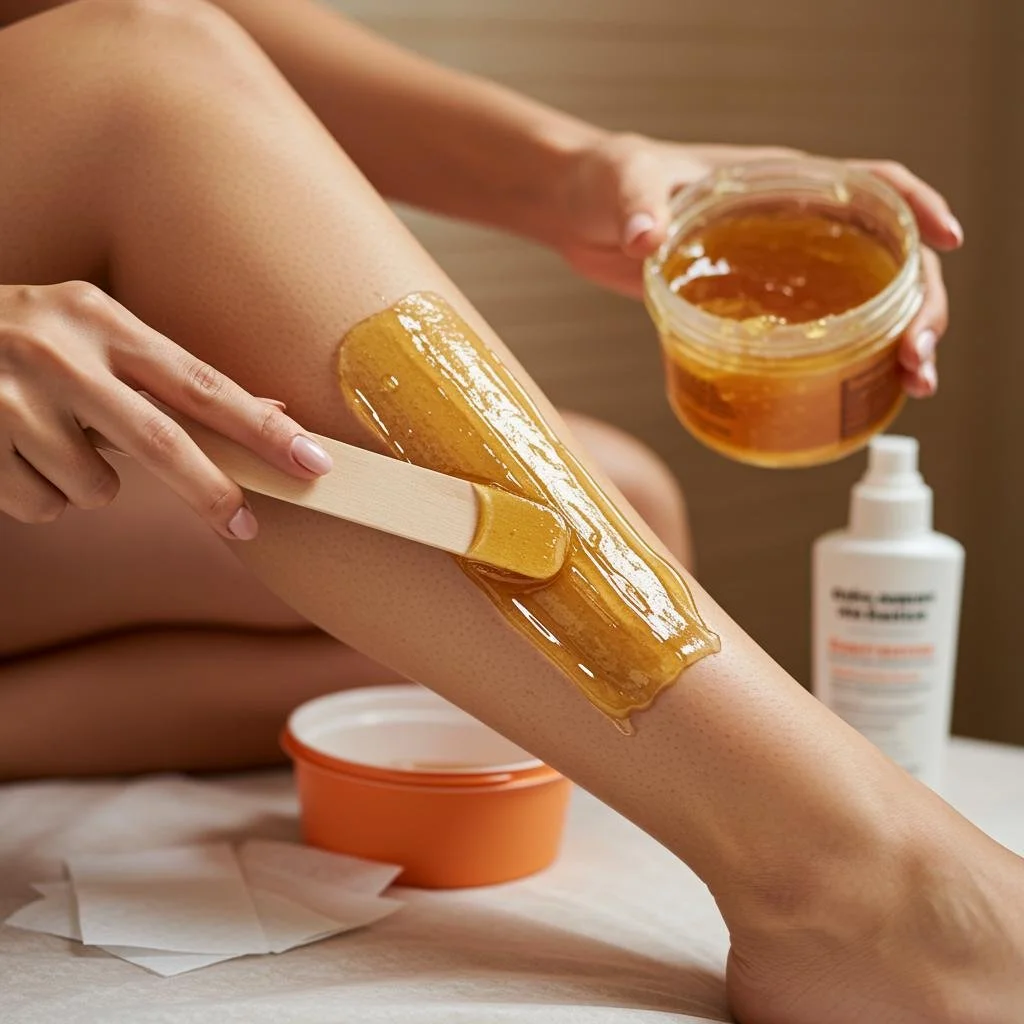
The golden rule of waxing is: Apply with growth, pull against growth. When waxing your legs, you generally apply the wax in a downward motion toward the ankle and pull the strip (or hard wax) upward toward the knee. Crucially, you must pull the strip parallel to the skin, not upward and away from the body. Pulling "up" causes bruising and hair breakage.
Safety Considerations and Contraindications
Waxing is a physical trauma to the skin, and certain precautions must be taken to avoid injury. According to dermatological guidelines, you should avoid waxing if you are using certain medications.
- Retinoids and Isotretinoin: If you are using prescription retinoids or have used Accutane within the last six months, your skin may be too fragile for waxing, which could lead to significant skin tearing.
- Sun Exposure: Never wax skin that is sunburned or has been exposed to intense UV rays within the last 24 hours.
- Heat Sensitivity: Always test the temperature of the wax on the inside of your wrist before applying it to your legs.
For detailed safety standards regarding at-home cosmetic procedures, the American Academy of Dermatology (AAD) provides comprehensive resources on skin health and hair removal safety.
Troubleshooting Common Issues
The wax isn't pulling any hair: This is usually caused by hair that is too short, or skin that has moisture/oil on it. Ensure the skin is bone-dry and use a light dusting of cornstarch or talc-free powder before applying the wax to absorb any lingering moisture.
Significant redness and "chicken skin" (folliculitis): Small red bumps are a normal histamine response. However, if they persist, ensure you are using a post-wax treatment containing salicylic acid or tea tree oil to keep the follicles clear of bacteria.
Bruising: Bruising occurs when the skin is not held "taut" during the pull. Always use one hand to stretch the skin tight in the opposite direction of your pull.
FAQ
How long should I wait between waxing sessions?
Generally, you should wait 4 to 6 weeks. This allows the hair to go through a full growth cycle, ensuring that most hairs are long enough for the wax to grip. Waxing too frequently can lead to irritation and ingrown hairs, as the hair may not be long enough to be pulled from the root.
Is hard wax or soft wax better for legs?
Soft wax is traditionally preferred for legs because it allows for faster application over large areas. However, if you have very sensitive skin or are prone to broken capillaries, hard wax is a safer choice as it does not adhere to the skin.
Can I wax over tattoos?
Yes, you can wax over healed tattoos. In fact, waxing can make tattoos look brighter by removing the layer of dead skin and fine hair that can dull the ink. However, never wax over a new or peeling tattoo.
Why do I get ingrown hairs after waxing my legs?
Ingrown hairs occur when the hair snaps off below the skin line or when the new, finer hair cannot push through the skin surface. Regular exfoliation (starting 3 days after your wax) and using a kit with high-quality resins that prevent hair breakage are the best ways to combat this.
What is the best way to clean up spilled wax?
If you are using traditional resin-based wax, you must use a wax cleanser or a mineral oil. Water and soap will not dissolve the wax. If you are using a sugaring kit, the "wax" is water-soluble and can be cleaned up with a warm damp cloth.
Recommendation for Next Actions
To achieve the best results, start by purchasing a kit that includes a digital warmer and synthetic hard wax beads, as these provide the highest margin for error for home users in 2026. Before your first full leg session, perform a patch test on a small area of your lower leg to check for any adverse reactions to the ingredients. Ensure you have a dedicated post-wax lotion containing aloe vera or tea tree oil ready to soothe the skin immediately after treatment.
Image Gallery