How to Cook Okro Soup: Traditional West African Recipe and Techniques
To cook okro (okra) soup, simmer seasoned meats and stockfish in broth to build a rich base, dissolve ground crayfish and locust beans, and then stir in finely chopped fresh okra. Cook the soup uncovered over medium heat for 3 to 5 min...
To cook okro (okra) soup, simmer seasoned meats and stockfish in broth to build a rich base, dissolve ground crayfish and locust beans, and then stir in finely chopped fresh okra. Cook the soup uncovered over medium heat for 3 to 5 minutes before adding leafy greens, preserving the okra's signature draw and vibrant color.
Contents
Understanding Okro Soup and Its Culina heritage
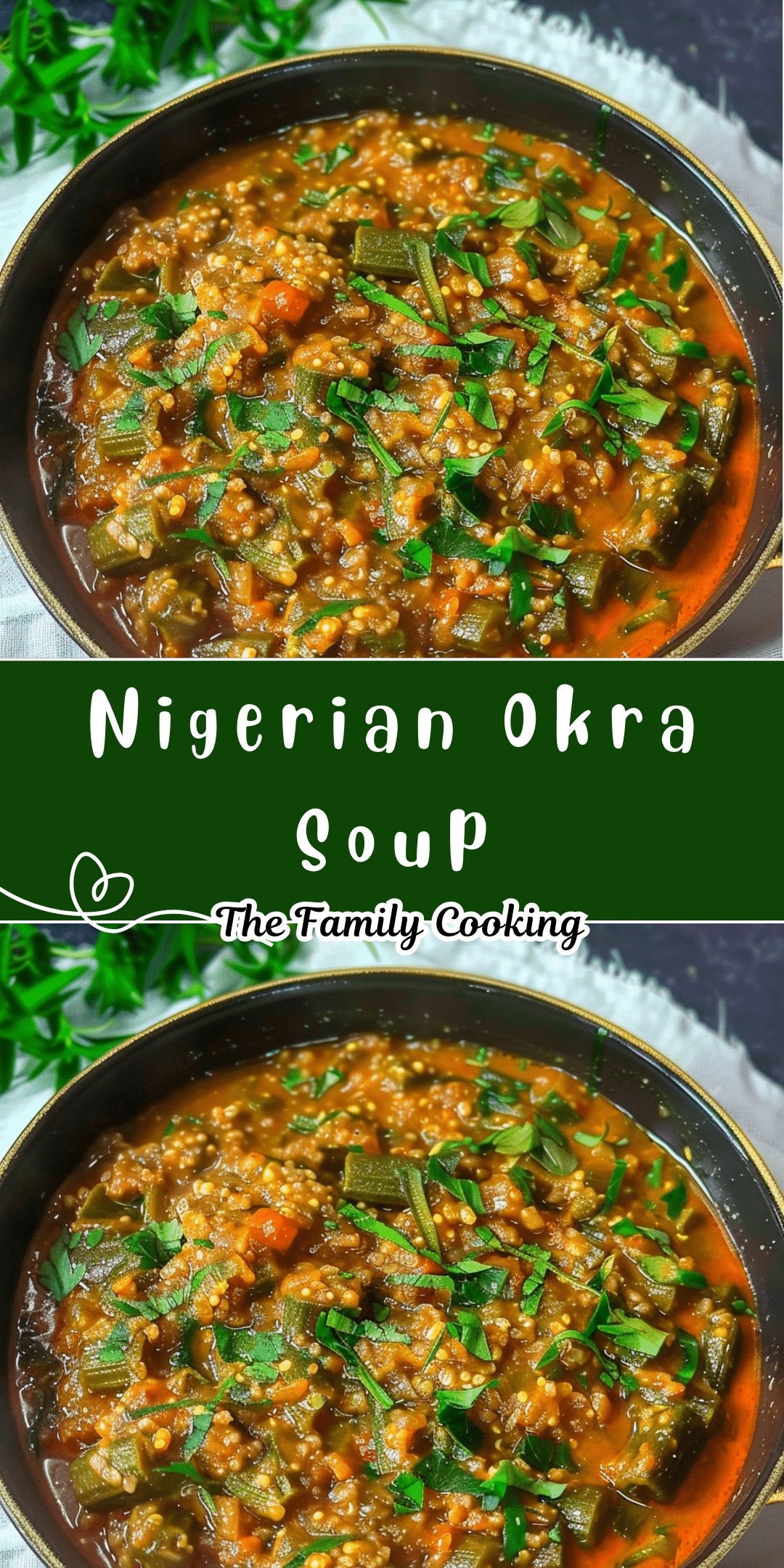
Okro soup—widely known as okra soup—is a central dish in West African culinary traditions, particularly across Nigeria, Ghana, Cameroon, and Benin. Built on a foundation of nutrient-rich okra pods, palm oil, aromatic peppers, ground crayfish, and an assortment of proteins, the soup is revered for its distinctive viscous texture, known as its "draw."
The dish functions both as an everyday home-cooked meal and as a centerpiece for formal gatherings. When prepared traditionally, okro soup provides a balance of savory, spicy, and earthy notes. The viscous nature of the soup is not an accidental byproduct; it is a sought-after structural quality that enables the soup to cling effortlessly to traditional starchy sides, known as "swallows," such as eba (garri), pounded yam, fufu, or amala.
Achieving the ideal bowl of okro soup requires controlling several chemical and culinary variables: heat level, cooking time, pot lid placement, and knife technique. Understanding how these factors interact with the natural compounds inside the okra pod ensures a soup with bright green color, fresh flavor, and the desired elastic texture.
Essential Ingredients and Preparatory Setup
A rich okro soup depends on layering flavors through high-quality proteins, traditional aromatics, and fresh produce. Preparing all ingredients before turning on the stove prevents overcooking the okra later in the process.
Core Ingredients and Functional Roles
- Fresh Okra Pods (500g): Look for bright green, firm pods that snap easily at the tip. Avoid bruised, woody, or overly mature pods, as they contain tough fibers that ruin the soup's mouthfeel.
- Assorted Meats and Seafood (750g to 1kg total): A classic blend includes beef chuck or goat meat, cow skin (ponmo), honeycomb tripe (shaki), stockfish (panla or cod), and smoked dried fish. Fresh shrimp or crab legs can also be added.
- Red Palm Oil (3 to 4 tablespoons): Unrefined red palm oil delivers the signature golden-orange hue, mild nutty aroma, and essential fat-soluble flavor compounds.
- Ground Crayfish (3 tablespoons): Sun-dried, coarsely ground sun-dried freshwater prawns act as an essential umami booster in West African soups.
- Fermented Locust Beans / Iru or Dawadawa (1 to 2 tablespoons): Fermented seeds of the African locust bean tree supply an earthy, savory flavor profile.
- Fresh Chili Peppers: A blend of Scotch bonnet peppers (atarodo) or habaneros pulsed finely adds controllable heat.
- Leafy Greens (1 to 2 cups packed): Pumpkin leaves (ugu), spinach, or African spinach (soko) add color, texture, and micronutrients.
- Seasoning and Salt: Quality bouillon cubes or powder alongside sea salt to enhance the underlying meat broth.
Controlling Viscosity: The Science of the "Draw" Texture
The defining characteristic of okro soup is its mucilage—a complex mixture of water-soluble glycoproteins and acidic polysaccharides present inside the plant's cells. When the cell walls of the okra pod are disrupted during cutting, these mucilaginous compounds combine with moisture to form a gelatinous network.
- Chopping / Grating Okra
- Mucilaginous Cells Rupture
- High Heat + Uncovered
- Preserves Viscosity & Stretch (Optimal "Draw")
- Cover Pot / Excess Water
- Breaks Down Mucilage Network (Watery / Flat Texture)
- High Heat + Uncovered
- Mucilaginous Cells Rupture
To control or maximize this draw effect, follow these key prep principles:
- Knife Cut Dynamics: Finely grating or blending a portion of the okra yields maximum mucilage extraction, producing a very stretchy soup. Coarsely hand-chopping the pods preserves individual chunks, offering a crunchier bite with moderate viscosity. A common approach combines both techniques: blend one-third of the okra for structure and dice the remaining two-thirds for texture.
- Moisture Control: Always wash okra pods whole before trimming or chopping them. Cutting dry pods prevents premature moisture release on the cutting board.
- Pot Lid Management: Never cover the pot after adding okra to the boiling broth. Trapping steam raises humidity and condensation within the pot, which dilutes the mucilage network and degrades the soup's elasticity.
- Cooking Time and Heat: Okra should simmer for no longer than 3 to 6 minutes. Extended heat exposure hydrolyzes the long-chain polysaccharides responsible for the draw, turning the texture watery and changing the vivid green color to a dull khaki brown.
Step-by-Step Instructions: How to Cook Okro Soup
Follow this sequence to build a flavorful stock base before briefly cooking the okra to lock in fresh texture and color.
- Step 1: Prep & Hydrate Proteins (Boil hard meats & stockfish)
- Step 2: Build the Seasoned Broth Base (Add palm oil, iru, peppers)
- Step 3: Prepare the Okra (Washed, dried, chopped/grated)
- Step 4: Incorporate Okra (Simmer UNCOVERED for 3-5 mins)
- Step 5: Finish with Seafood & Greens (Stir in ugu/spinach; remove from heat)
Step 1: Prepare and Tenderize the Proteins
- Rinse the stockfish and dried fish under warm water. If using tough stockfish heads or thick cuts, soak them in salted boiling water for 30 minutes, or pressure cook them until softened.
- In a large pot, combine the beef, tripe (shaki), and cleaned cow skin (ponmo). Season with one chopped medium onion, two crushed seasoning cubes, and one teaspoon of sea salt.
- Pour in just enough water to cover the bottom third of the meat (approximately 1.5 to 2 cups). The meats will release their natural juices as they cook.
- Cover and bring to a boil over medium-high heat. Simmer for 25 to 35 minutes until the meats are tender, adding the soaked stockfish and soft dried fish during the last 15 minutes of boiling so they remain intact.
Step 2: Build the Aromatic Soup Base
- Once the meats are tender and a rich broth has formed (you should have roughly 2 to 3 cups of concentrated stock), reduce the heat to medium.
- Stir in the coarse ground crayfish, rinsed fermented locust beans (iru), and blended Scotch bonnet peppers.
- Add 3 to 4 tablespoons of red palm oil directly into the simmering stock. Stir thoroughly to emulsify the oil into the broth.
- Allow the base to boil uncovered for 5 minutes so the raw pepper taste cooks off and the palm oil integrates smoothly with the meat broth. Taste and adjust seasoning with salt or bouillon if necessary.
Step 3: Integrate the Okra
- Add the prepared chopped and grated okra directly into the boiling stock base.
- Stir vigorously with a wooden spoon to distribute the okra throughout the broth. You will immediately notice the broth thicken and develop its characteristic elastic stretch.
- If the soup appears excessively thick, add small splashes of warm water or additional warm stock (50 ml at a time) until you achieve your preferred consistency.
- Keep the heat on medium and let the okra cook uncovered for 3 to 4 minutes. Maintain a gentle simmer; avoid violent boiling, which breaks down the mucilage structure.
Step 4: Add Seafood and Leafy Greens
- Gently fold in fresh peeled shrimp, crab halves, or tender fish fillets if using.
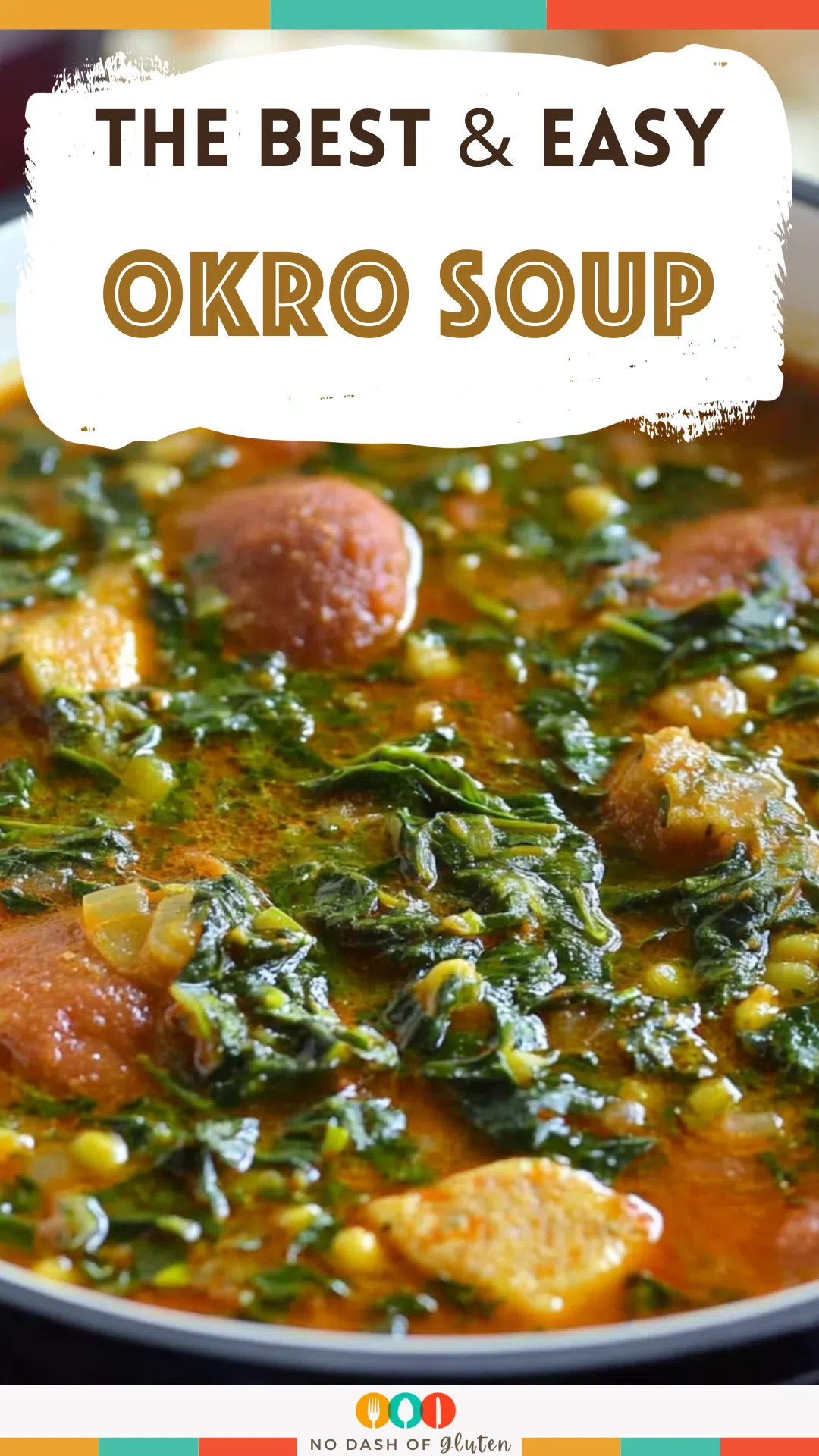
- Add the chopped leafy greens (ugu, spinach, or soko). Stir gently to fold the greens into the viscous soup.
- Simmer uncovered for an additional 1 to 2 minutes—just long enough for the shrimp to turn opaque pink and the greens to wilt slightly while keeping their bright color.
- Remove the pot immediately from the heat source. Residual heat in the heavy pot will complete the cooking without oversoftening the okra.
Protein and Preparation Timing Guide
Different proteins and okra preparation styles require different cook times. Use this reference table to plan your prep:
| Ingredient / Prep Stage | Recommended Processing | Boiling / Cooking Duration | Key Quality Indicator |
|---|---|---|---|
| Beef / Goat Meat | Cut into 1-inch cubes | 30–40 minutes | Tender to fork, yields rich stock |
| Beef Tripe (Shaki) | Trimmed and scrubbed | 45–60 minutes (or 20 min pressure cook) | Softened texture, non-rubbery |
| Stockfish (Cod/Panla) | Hydrated in hot water | 20–30 minutes in broth | Flaky, thoroughly softened |
| Fresh Shrimp / Prawns | Peeled and deveined | 2–3 minutes | Opaque pink surface, firm |
| Chopped Okra | Diced (4mm–6mm pieces) | 3–5 minutes | Bright green, crunchy, viscous |
| Leafy Greens (Ugu/Spinach) | Washed, chopped coarsely | 1–2 minutes | Softened, dark green, non-mushy |
Regional Variations and Flavor Profiles
While the step-by-step process outlined above covers the classic West African approach, distinct regional adaptations highlight different ingredients and cooking techniques.
Ila Alasepo (One-Pot Mixed Okro Soup)
Originating from the Yoruba culture of Southwestern Nigeria, Ila Alasepo translates to "okra cooked together." Unlike preparations where a separate pepper sauce base is served alongside boiled plain okra (Ila Asepo vs Ila Obe), Ila Alasepo combines all proteins, peppers, palm oil, locust beans, and okra into a single rich pot. It often incorporates diverse proteins like bushmeat, snails, crab, and cow skin cooked together until deeply flavorful.
Seafood Okro Soup
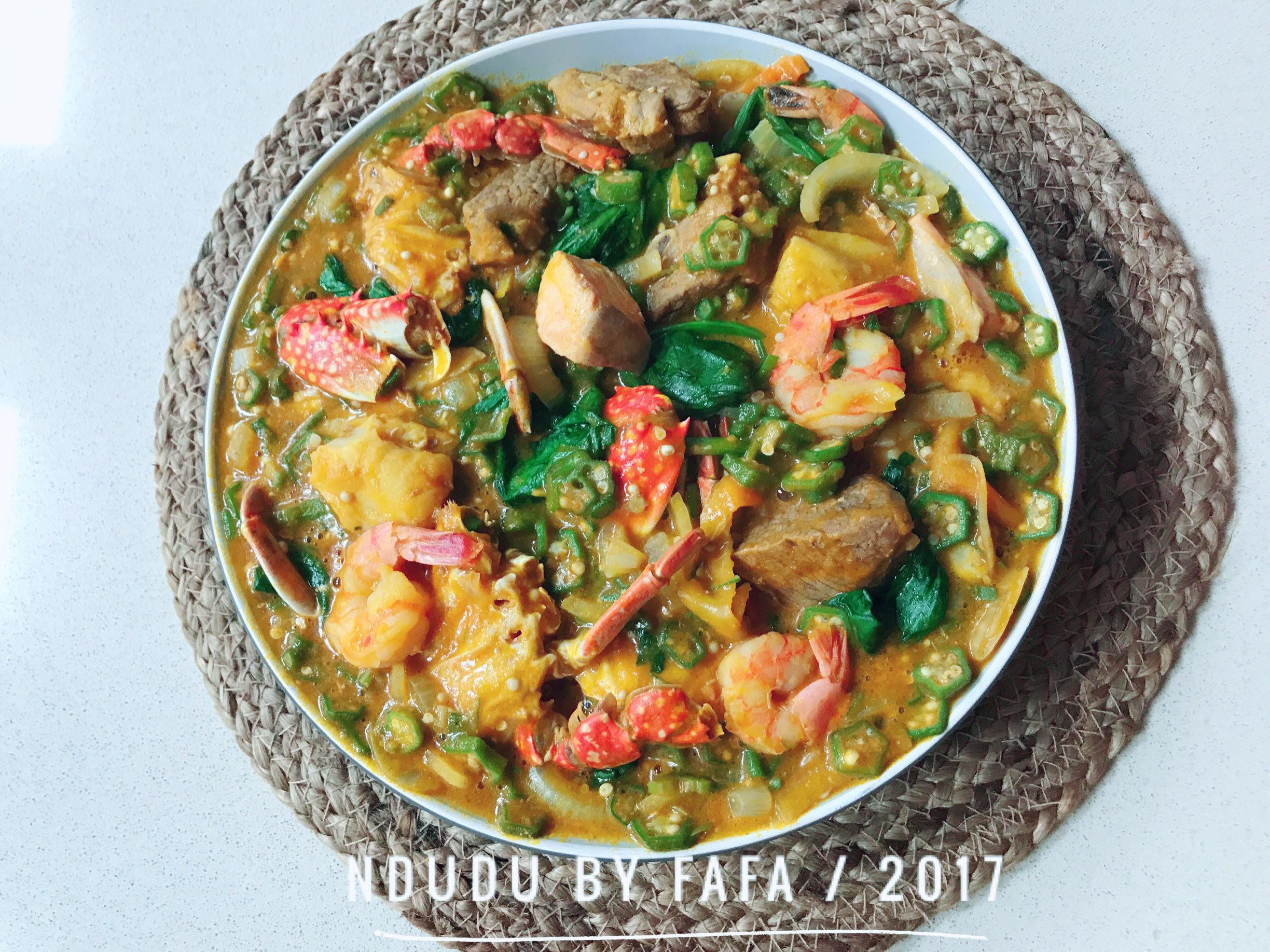
Popular in coastal regions like the Niger Delta and along the West African shoreline, seafood okro soup replaces land-based meats with marine life. Red snapper cuts, fresh prawns, blue crabs, squid, and sea clams form the protein base. Because seafood cooks quickly, the broth is built rapidly using concentrated fish stock, shrimp head oil, and ground crayfish before adding the okra for a short final simmer.
Oil-Free / Light Okro Soup
For those seeking a lighter meal or adhering to low-fat dietary requirements, okro soup can be prepared without red palm oil. The base relies entirely on clear, well-seasoned bone broth or fish stock, fresh chilies, onions, and ground crayfish. This variation produces a clean, vibrant green soup that highlights the fresh, grassy sweetness of the okra.
Common Mistakes and How to Avoid Them
Even experienced cooks can encounter issues when preparing okro soup. Paying attention to temperature, timing, and liquid ratios helps prevent common pitfalls.
Loss of "Draw" (Soup Becomes Watery)
- Cause: Covering the pot while cooking, overcooking the okra past the 6-minute mark, or using stale okra.
- Correction: Always cook okra uncovered. If the okra has lost its stretch, you can blend a small handful of fresh, raw okra with a tablespoon of cool water and stir it into the warm soup just before serving to help restore viscosity naturally.
Bitter or Burnt Flavor Notes
- Cause: Scorching the palm oil at high heat before adding liquid, or using burnt iru (locust beans).
- Correction: Add red palm oil directly into the moist, simmering stock rather than heating it alone in a dry pot. Emulsifying the oil into the stock prevents it from reaching smoking temperatures where bitter degradation occurs.
Discolored, Dull Brown Okra
- Cause: Cooking the soup for too long or using highly acidic ingredients like lemon juice or large amounts of tomato purees early in the cook.
- Correction: Keep acid exposure minimal during the main cook, and stop boiling as soon as the okra turns bright green. Heat disrupts chlorophyll molecules over time; keeping cook times under 5 minutes preserves color naturally.
Storage, Reheating, and Serving Suggestions
Serving Recommendations
Serve okro soup steaming hot alongside your choice of West African swallows:
- Eba (Garri): Processed cassava granules mixed with hot water. The slight tartness of eba balances the rich broth.
- Pounded Yam or Fufu: Smooth, neutral starch bases that showcase the complex flavors of the soup.
- Amala: Fermented yam flour dough, which pairs traditionally with Ila Alasepo.
Refrigeration and Freezing Guidelines
- Refrigeration: Store leftover okro soup in shallow, airtight glass containers once it has cooled to room temperature. Consume within 3 days.
- Freezing: Okro soup freezes well for up to 1 month. To prevent loss of texture during defrosting, portion the soup into single-serving containers before freezing.
Reheating Instructions
Reheat frozen or chilled okro soup gently over medium-low heat on the stovetop. Avoid microwaving at high power levels, which can overheat the soup unevenly and break down the mucilage, making the broth watery. If the soup has thickened significantly in the fridge, add 1 to 2 tablespoons of fresh warm stock or water to adjust the consistency as it warms.
Frequently Asked Questions
Why did my okro soup lose its stretch?
Okro soup loses its draw primarily due to heat duration or steam condensation. Covering the pot traps condensation, which drops back into the soup and breaks down the natural mucilage network. Overcooking beyond 5 to 6 minutes also degrades the plant's natural viscosity.
Can I use frozen chopped okra for this recipe?
Yes, frozen chopped okra works as a practical substitute. Thaw the okra completely and drain off excess surface liquid before adding it to your hot stock base. Keep in mind that frozen okra may have a slightly softer texture than fresh pods, so reduce its cooking time by 1 to 2 minutes.
Do I need to add baking soda to make okro soup slimy?
Adding baking soda (kaun or potash) is an older technique used to artificially soften tough okra and increase viscosity. However, it is unnecessary if you use fresh, young okra pods and keep the pot uncovered. Potash can also degrade vitamin content and introduce an unwanted alkaline, metallic taste if overused.
What is the best way to clean stockfish before adding it to the soup?
Rinse stockfish thoroughly under warm running water to remove surface salt and debris. Soak hard pieces in boiling salted water for 30 to 60 minutes to soften the muscle fibers. Alternatively, pressure-cook tough stockfish cuts for 15 minutes before combining them with your other meats.
Can I make okro soup without palm oil?
Yes, oil-free okro soup is popular in modern African cooking. Omit the palm oil and rely on a well-seasoned broth made from meats, stockfish, dried prawns, Scotch bonnet peppers, and ground crayfish. The soup will retain its bright green appearance and deliver a clean, savory flavor.
Final Culinary Action Plan
To cook high-quality okro soup at home, start by sourcing fresh, firm okra pods and prepping your protein stock beforehand. Boil tough meats and stockfish until tender, build a concentrated broth base with palm oil, peppers, and ground crayfish, and chop your okra right before cooking. Keep the pot uncovered, cook the okra for just 3 to 5 minutes, fold in your greens and seafood at the end, and serve immediately alongside your preferred swallow.
Image Gallery