Goliath Grouper Size Comparison: Dimensions, Weight, and Real-World Scale
The goliath grouper (Epinephelus itajara) is among the most massive bony fish inhabiting tropical and subtropical marine waters, often inspiring awe due to its sheer volume, barrel-like girth, and surprisingly docile behavior. Understa...
The goliath grouper (Epinephelus itajara) is among the most massive bony fish inhabiting tropical and subtropical marine waters, often inspiring awe due to its sheer volume, barrel-like girth, and surprisingly docile behavior. Understanding the true proportions of this colossal marine creature requires examining its length, weight, and physical scale relative to everyday objects, human divers, and other apex marine species.
Contents
The Anatomy of a Giant: Physical Characteristics of the Goliath Grouper
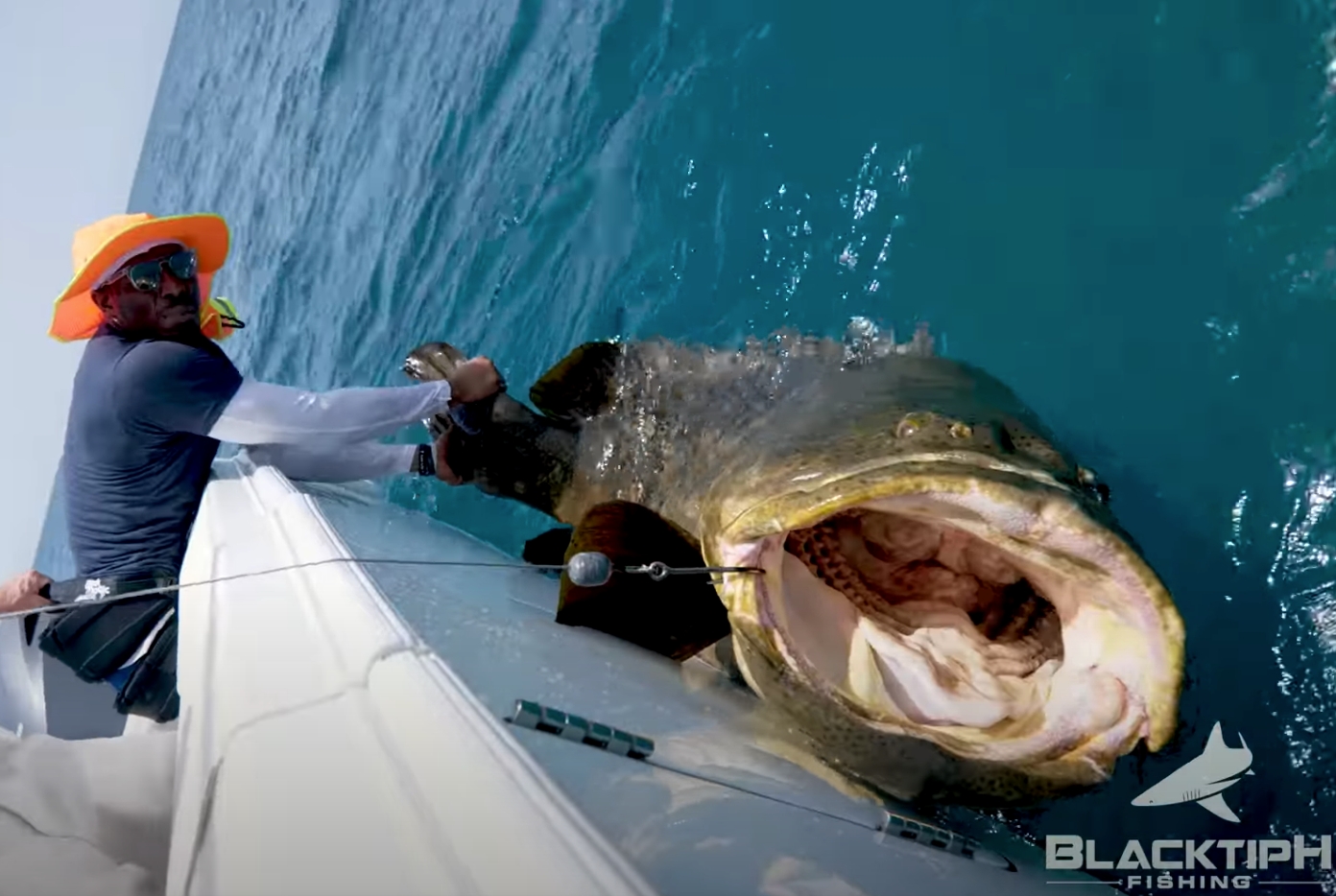
To appreciate the scale of a goliath grouper, one must first look at its biological architecture. Unlike elongated fish such as barracudas or sharks, the goliath grouper features a robust, stout body design dominated by a massive head, a wide mouth capable of engulfing large prey whole, and a heavy, muscular frame.
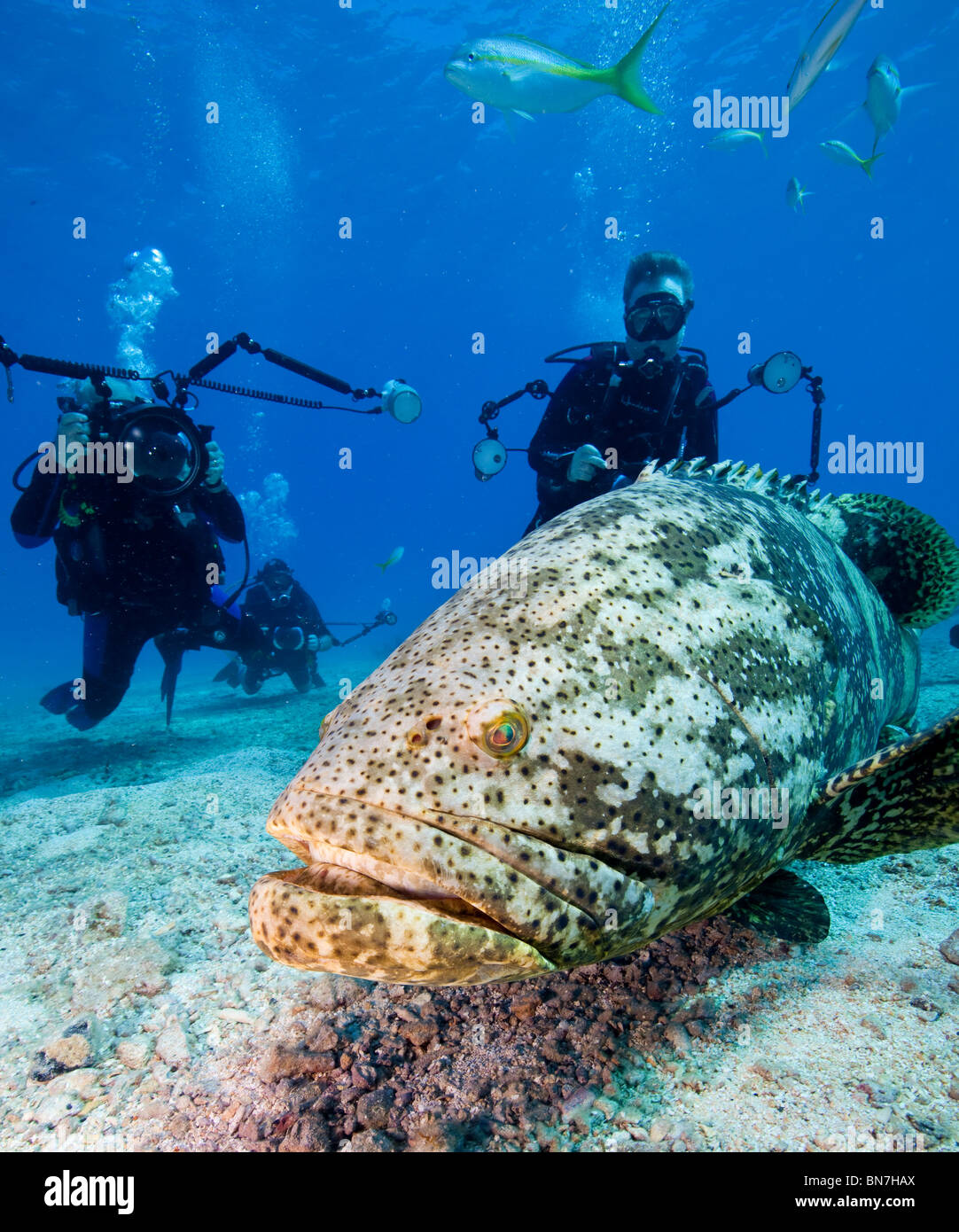
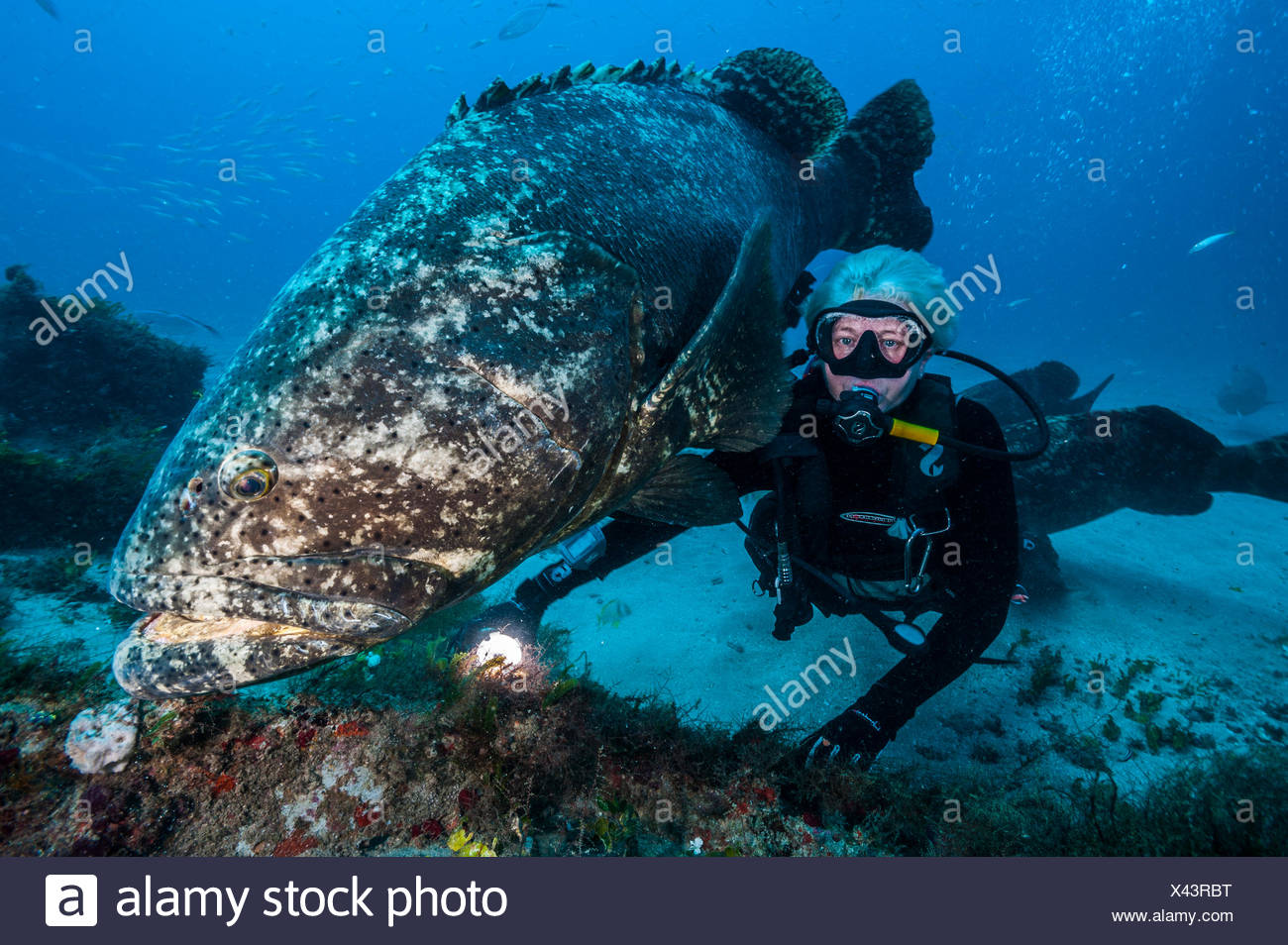
An adult goliath grouper typically reaches lengths between 4 and 8 feet (1.2 to 2.4 meters), with exceptional specimens stretching up to 8.5 feet long. However, length alone does not tell the whole story. Their body depth and circumference are extraordinary. A mature fish possesses a wide, barrel-shaped torso that can equal or exceed the height of an average adult human when viewed side by side. Their skin is covered in small, cycloid scales and is usually yellowish-brown or olive-green, mottled with dark spots and bars that provide camouflage among coral reefs, ledges, and shipwrecks.
Weight and Growth Dynamics
Weight is perhaps the most defining metric of the goliath grouper's gargantuan presence. While newborns start as microscopic larvae drifting in ocean currents, juveniles grow rapidly in mangrove estuaries before moving to deeper structural habitats as adults.
- Juvenile Stage (1–5 years): Young goliath groupers weigh anywhere from a few pounds to 50 pounds, inhabiting shallow mangrove creeks and estuarine environments where they find protection from open-ocean predators.
- Sub-Adult Stage: As they transition to offshore reefs, wrecks, and artificial structures, their weight climbs rapidly into the 100 to 300-pound range.
- Fully Mature Adult: Fully grown adults commonly weigh between 400 and 600 pounds (180 to 270 kilograms).
- Record Specimens: Historical records and verified scientific observations note that the largest goliath groupers can tip the scales at an astonishing 800 pounds (363 kilograms) or more.
Because these fish grow slowly and can live for decades—with some individuals estimated to surpass 30 to 40 years of age—their monumental size is a direct product of long-term survival in stable marine ecosystems.
Goliath Grouper Size Comparison Table
To put the dimensions of the goliath grouper into clear perspective, the following table compares an average adult goliath grouper against common everyday benchmarks, human scale, and other notable marine animals.
| Comparison Subject | Average Length | Average Weight | Scale Relationship to Goliath Grouper |
|---|---|---|---|
| Adult Human Diver | 5.5 to 6 feet | 150 to 200 lbs | A human diver is roughly comparable in length to a medium-to-large adult grouper, but the fish often possesses triple the body mass and a significantly greater girth. |
| Goliath Grouper (Adult) | 6 to 8 feet | 400 to 600 lbs | The benchmark subject: massive barrel-like body, broad head, and immense hydrodynamic presence. |
| Bottlenose Dolphin | 8 to 12 feet | 300 to 600 lbs | Dolphins are longer and more streamlined for fast swimming, whereas the grouper is shorter, stockier, and heavier relative to its length. |
| Great White Shark (Juvenile) | 6 to 10 feet | 200 to 500 lbs | Similar in length and weight classes, though the shark is an active pelagic hunter compared to the sedentary, reef-dwelling grouper. |
| Manatee (Sub-Adult) | 7 to 9 feet | 500 to 1,000 lbs | Manatees exceed adult groupers in maximum weight and length, possessing a dense, marine-mammal physique. |
Comparing the Goliath Grouper to Other Marine Giants
When divers encounter a goliath grouper underwater, the visual impact is often compared to swimming next to a small automobile or a massive boulder with fins. To further understand its place in the aquatic world, it helps to compare the goliath grouper to other iconic marine species.
Goliath Grouper vs. Great White Shark
While a great white shark can grow much larger than a goliath grouper (exceeding 15 to 20 feet and thousands of pounds), a juvenile or medium-sized great white shares a weight class with a mature goliath grouper. However, their body shapes are entirely different. The shark is built for speed and hydrodynamic efficiency, while the goliath grouper is built for ambush predation, capable of generating immense suction force to vacuum prey into its cavernous mouth from several feet away.
Goliath Grouper vs. Atlantic Blue Marlin
The Atlantic blue marlin far surpasses the goliath grouper in length—often reaching 11 to 14 feet due to its elongated bill—but a large goliath grouper often matches or exceeds a marlin in sheer physical bulk and weight when compared length-for-length, owing to the grouper's heavy, solid bone structure and thick musculature.
Ecological Role and Habitat Influence on Size
The impressive size of the goliath grouper directly influences its ecological niche. As apex reef predators, adult goliaths have virtually no natural predators except large sharks, such as the tiger shark or hammerhead, and occasionally large American alligators or crocodiles in brackish boundary zones.
Their massive size allows them to consume large prey, including crustaceans, stingrays, sea turtles, and various fish species, controlling mesopredator populations on reefs. Furthermore, their preference for structural habitats—such as deep-water wrecks, ledges, and bridges—means their large bodies are frequently observed resting motionless on the seafloor, utilizing minimal energy until an unsuspecting meal swims within striking distance.
Conservation Status and Historical Size Recovery
Discussing the size of the goliath grouper is incomplete without addressing its population history. Prior to the 1990s, heavy fishing pressure drastically reduced the population, targeting large spawning aggregations where these massive fish congregate. Because larger females produce exponentially more eggs than smaller ones, the removal of the biggest specimens severely impacted the species.
In 1990, strict catch-and-release regulations were enacted in U.S. federal and state waters, allowing the population to rebound significantly. As a result, divers and researchers are encountering large adult specimens with increasing frequency. This protection has allowed many individuals to reach their full biological potential in terms of age, length, and weight, restoring the natural scale of these reef giants to coastal ecosystems.
Frequently Asked Questions
How big can a goliath grouper actually get?
A fully grown adult goliath grouper typically reaches lengths of 6 to 8 feet and weighs between 400 and 600 pounds. Exceptional, older specimens have been documented approaching or exceeding 800 pounds with a girth nearly matching their total length.
Are goliath groupers dangerous to humans?
Despite their intimidating size and massive mouths, goliath groupers are generally docile and curious toward divers rather than aggressive. They pose virtually no threat to humans, though their immense strength and unpredictable movements around baited hooks require caution for anglers and researchers.
How long does it take a goliath grouper to reach full size?
Goliath groupers are slow-growing, long-lived fish. They spend their early years in shallow mangrove nurseries before moving to offshore reefs, taking approximately 6 to 8 years to reach sexual maturity and continuing to grow in mass and length over decades.
Why are goliath groupers so wide compared to other fish?
Their robust, barrel-shaped body is an evolutionary adaptation for life around complex reef structures and wrecks. Rather than cruising open pelagic waters like tuna or marlin, goliath groupers rely on sudden, explosive bursts of acceleration and immense suction to capture prey, which requires a heavy, muscular frame.
Conclusion and Next Actions
Evaluating the goliath grouper size comparison reveals a creature of staggering proportions, balancing immense weight with a surprisingly gentle underwater demeanor. For those interested in observing these animals firsthand, responsible eco-tourism and certified dive operations in regions like Florida and the Caribbean offer opportunities to witness their scale in natural habitats. Always verify local environmental regulations and wildlife protection guidelines before planning any underwater excursions involving protected marine species.
Image Gallery