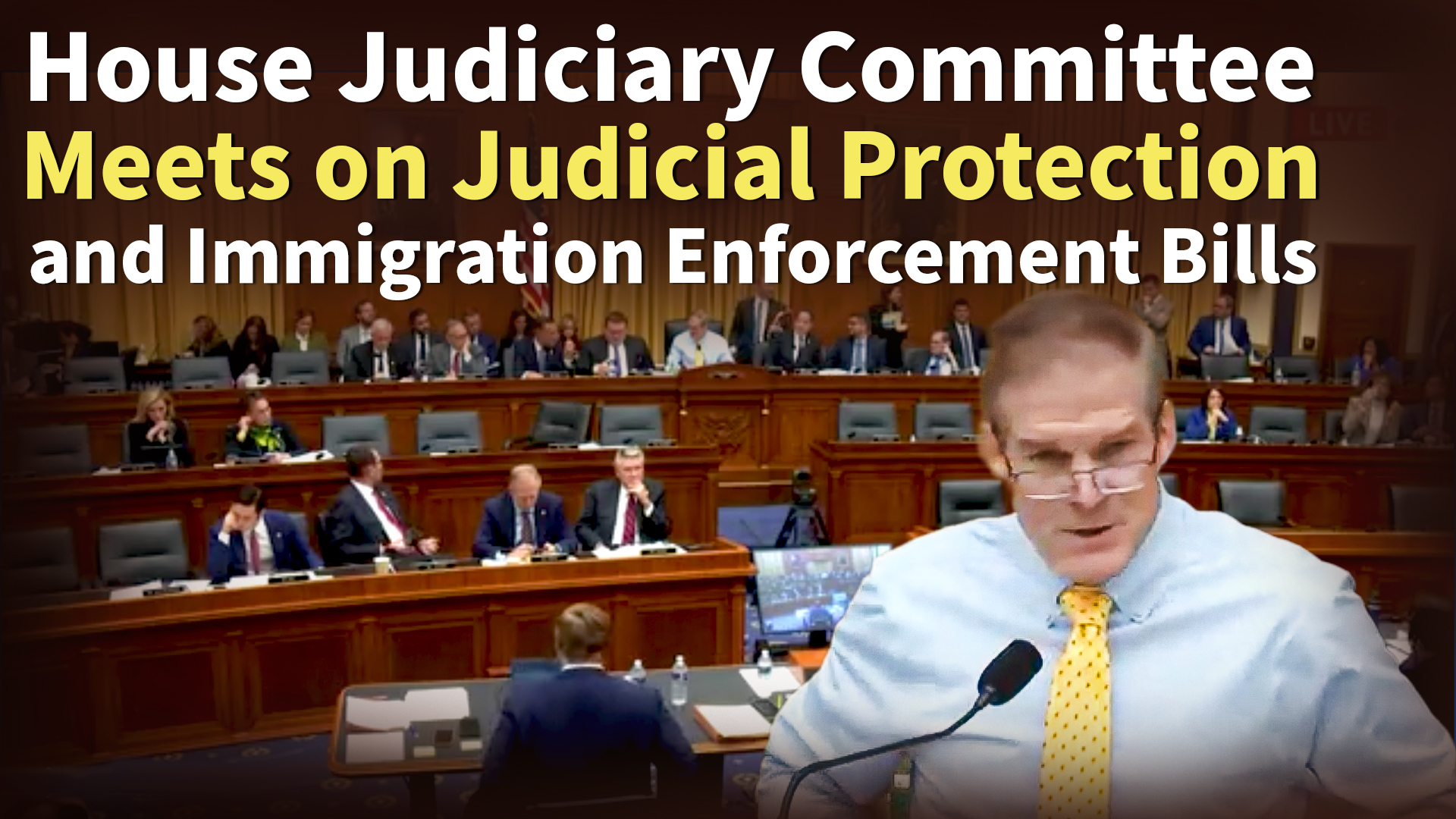
Understanding the Judiciary Committee Responsibilities: Powers, Oversight, and Process
The Judiciary Committee in both the United States Senate and House of Representatives serves as the legislative engine for the federal legal framework. These standing committees possess broad jurisdiction over federal courts, constitut...
The Judiciary Committee in both the United States Senate and House of Representatives serves as the legislative engine for the federal legal framework. These standing committees possess broad jurisdiction over federal courts, constitutional amendments, criminal justice reform, antitrust enforcement, immigration policy, intellectual property, and executive branch oversight, shaping how national laws are written, enforced, and interpreted.
Contents
Disclaimer: This guide provides an informational overview of legislative procedures and congressional committee mandates. It does not constitute formal legal counsel or statutory advice.
Constitutional Foundation and Mandate
The authority of congressional judiciary committees derives directly from the legislative powers granted under Article I of the U.S. Constitution, along with the inherent authority of Congress to conduct investigations and oversee the execution of federal law. While both the Senate and House Judiciary Committees share broad jurisdiction over federal legal matters, each operates under distinct parliamentary rules and constitutional responsibilities.
Standing judiciary committees evaluate bills, draft legislative text, conduct oversight hearings, and manage legislative appropriations for federal law enforcement and judicial administration. Their work establishes the procedural rules governing federal courts, defines federal crimes, and sets statutory frameworks for civil rights, administrative law, and commercial regulations.
Understanding judiciary committee responsibilities requires looking at two operational tracks: legislative drafting and committee oversight. Legislative drafting involves crafting statutory language that withstands judicial review. Oversight requires scrutinizing executive agencies—primarily the Department of Justice (DOJ) and its sub-agencies—to verify that statutes are executed in accordance with congressional intent.
Primary Legislative Responsibilities and Jurisdiction
The legislative mandate of judiciary committees covers a vast range of legal and policy areas. Members analyze proposed legislation, hold public markup sessions to consider amendments, and determine whether a bill advances to the full chamber floor.
- Judiciary Committee Scope
- Federal Judiciary & Courts
- Civil Liberties & Rights
- Intellect. Property & Patents
- Immigration & Border Policy
- Antitrust & Comm. Law
Federal Courts and Administration
Judiciary committees maintain primary statutory authority over the structure, procedure, and resources of the federal court system. This includes:
- Court Architecture: Establishing federal judicial districts, authorizing circuit judgeships, and setting the jurisdiction of federal district and appellate courts.
- Procedural Rules: Reviewing administrative amendments to the Federal Rules of Civil Procedure, Federal Rules of Criminal Procedure, Federal Rules of Evidence, and Federal Rules of Bankruptcy Procedure.
- Judicial Ethics and Operations: Setting statutory parameters for judicial security, financial disclosures, recusal protocols, and federal court funding authorizations.
Federal Criminal Code and Law Enforcement
Defining federal offenses and statutory sentencing standards sits at the core of the committee’s mandate. The committee reviews statutes concerning:
- White-collar crime, fraud, cybercrime, public corruption, and organized crime.
- Statutory sentencing minimums, federal prison administration, and re-entry programs.
- Authorization and statutory authorities for federal law enforcement agencies, including the Federal Bureau of Investigation (FBI), Drug Enforcement Administration (DEA), and the Bureau of Alcohol, Tobacco, Firearms and Explosives (ATF).
Intellectual Property, Antitrust, and Commercial Law
Judiciary committees shape national economic policy through specialized statutory oversight:
- Intellectual Property: Updating patent, copyright, and trademark law under the U.S. Constitution's Intellectual Property Clause (Article I, Section 8, Clause 8), governing the U.S. Patent and Trademark Office (USPTO) and U.S. Copyright Office.
- Antitrust Law: Reviewing competition frameworks under the Sherman Act, Clayton Act, and Federal Trade Commission Act to evaluate corporate mergers, market concentration, and digital platform regulation.
- Bankruptcy Code: Maintaining Title 11 of the U.S. Code, which governs individual, corporate, and municipal bankruptcy proceedings.
Senate vs. House Judiciary Committees: Key Differences
While both committees share jurisdiction over criminal law, civil rights, and intellectual property, their constitutional roles differ significantly due to the Senate's advice and consent authority and the House's sole power of impeachment.
| Operational Feature | Senate Committee on the Judiciary | House Committee on the Judiciary |
|---|---|---|
| Constitutional Focus | Advice and consent for judicial and executive nominees | Originating articles of impeachment; legislative drafting |
| Judicial Confirmation Power | Vets and holds hearings for Article III judges and federal attorneys | No role in judicial confirmation process |
| Impeachment Authority | Reviews legal standards for Senate trials | Investigates impeachable offenses; drafts Articles of Impeachment |
| Key Agencies Overseen | DOJ, FBI, DHS (Immigration), USPTO, Administrative Office of U.S. Courts | DOJ, FBI, DHS (Immigration), USPTO, U.S. Copyright Office |
| Bailiwick & Special Scope | Executive confirmation approval; constitutional amendments | Originating revenue-neutral legal policy; broad oversight investigations |
Senate Judiciary Authority: The Judicial Confirmation Process
One of the most visible responsibilities of the Senate Judiciary Committee is vetting federal judicial nominees. Under Article II, Section 2 of the Constitution, the President nominates federal judges, but the Senate must confirm them.
- Executive Nomination
- Senate Judiciary Vetting & Review
- Public Hearing & Testimony
- Committee Vote & Recommendation
- Full Senate Floor Vote
The Senate Judiciary confirmation pipeline follows a rigid procedural framework:
- Pre-Hearing Investigation: Upon receiving a nomination for the Supreme Court, Circuit Courts of Appeals, District Courts, or Court of International Trade, committee staff conducts an background investigation. Nominees complete a detailed questionnaire detailing past litigation, financial holdings, legal publications, and professional records.
- Ratings and Background Vetting: The committee reviews confidential background investigations compiled by the FBI and evaluates candidate ratings produced by the American Bar Association (ABA) Standing Committee on the Federal Judiciary.
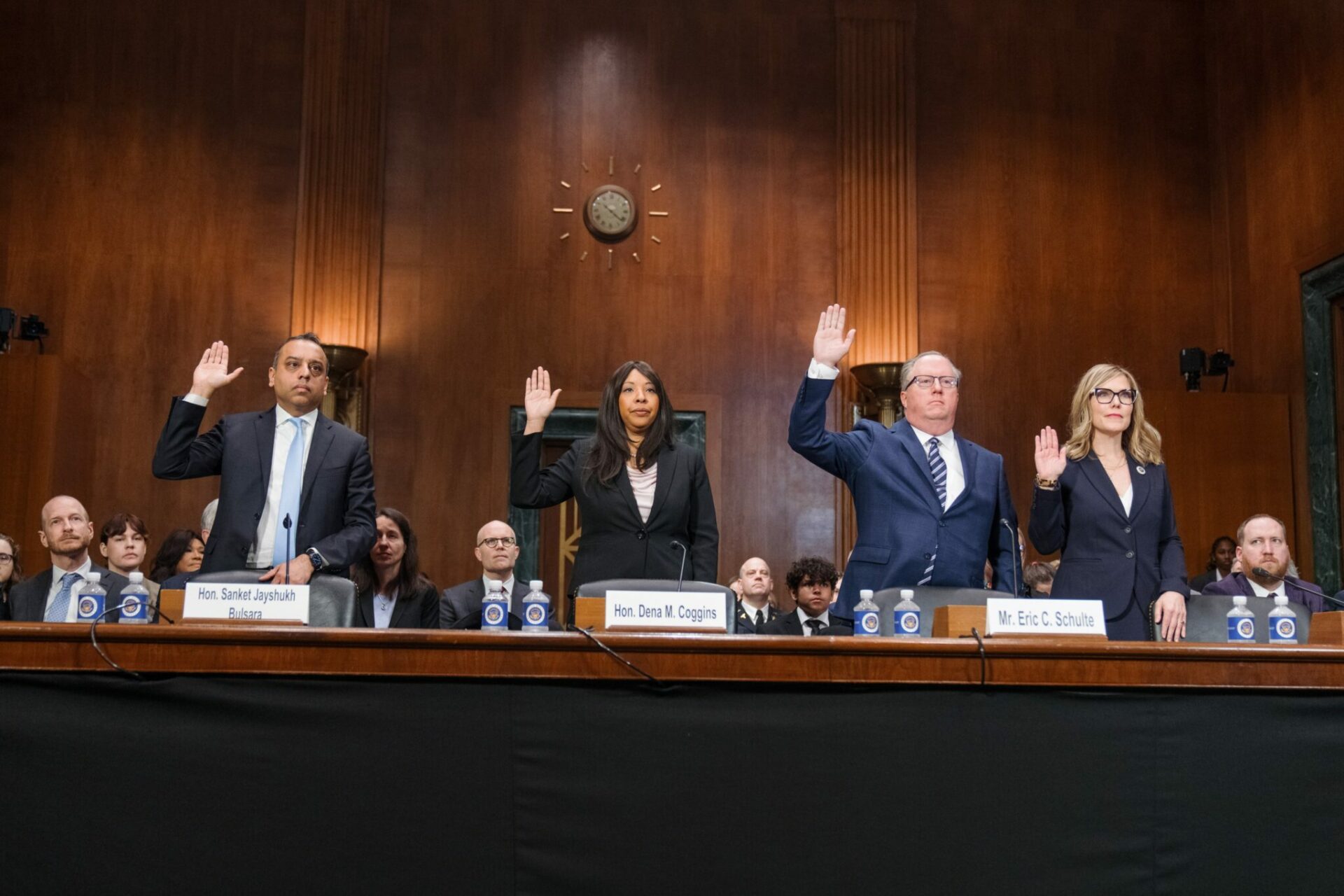
- Public Hearing: The nominee appears before the committee for public questioning. Committee members examine the candidate's judicial philosophy, statutory interpretation methods, legal career, and past rulings.
- Executive Business Meeting: Following the hearing, the committee schedules a vote during a business meeting. The committee may report the nomination favorably, unfavorably, or without recommendation to the full Senate floor.
In addition to judicial nominees, the Senate Judiciary Committee confirms key executive officers within the Department of Justice, including the Attorney General, Deputy Attorney General, Associate Attorney General, U.S. Attorneys, U.S. Marshals, and the Director of the FBI.
Congressional Oversight and Agency Scrutiny
Congressional oversight allows judiciary committees to examine how executive agencies administer enacted laws and spend public funds. Oversight protects constitutional rights, exposes administrative abuse, and identifies statutory gaps that require legislative remedies.
Key Oversight Mechanisms
- Investigative Hearings: Committees issue witness invitations or subpoenas to executive branch officials, legal experts, and private sector leaders to gather public testimony.
- Subpoena Power: Subject to committee rules, the chair (often in consultation with the ranking member) can issue subpoenas to compel document production or witness depositions.
- Letters of Inquiry and Information Requests: Committees submit formal inquiries to federal agencies requiring written explanations, policy justifications, or internal communications.
- Inspectors General and GAO Coordination: Committees leverage reports from Agency Inspectors General and the Government Accountability Office (GAO) to audit agency performance, legal compliance, and operational efficiency.
Primary Oversight Targets
The committees regularly monitor several major federal agencies and components:
- Department of Justice (DOJ): Auditing policy directives, prosecutorial discretion, grant distribution, and specialized investigative units.
- Federal Bureau of Investigation (FBI): Supervising domestic intelligence gathering, counterterrorism protocols, civil liberties protections, and surveillance programs authorized under statutes such as the Foreign Intelligence Surveillance Act (FISA).
- Department of Homeland Security (DHS): Reviewing immigration enforcement, border management, and asylum administration handled by U.S. Citizenship and Immigration Services (USCIS), U.S. Immigration and Customs Enforcement (ICE), and U.S. Customs and Border Protection (CBP).
Impeachment and Special Investigations
Under Article I of the U.S. Constitution, the House of Representatives holds the "sole Power of Impeachment," while the Senate holds the "sole Power to try all Impeachments." The Judiciary Committees in both chambers play distinct roles during these constitutional proceedings.
- House Judiciary Committee
- Conducts investigative hearings
- Evaluates "Treason, Bribery, or other high Crimes and Misdemeanors"
- Drafts and votes on Articles of Impeachment
- If passed by House Floor: Senate Judiciary Committee
- Evaluates legal frameworks and evidentiary rules
- Assists leadership in structuring formal Senate trial proceedings
The House Judiciary Role
When the House initiates impeachment inquiries against a civil officer of the United States—such as the President, Vice President, or a federal judge—the matter is referred to the House Judiciary Committee. The committee:
- Gathers documentary evidence and conducts sworn witness depositions.
- Holds public hearings to evaluate whether executive actions meet the constitutional threshold of "Treason, Bribery, or other high Crimes and Misdemeanors."
- Drafts specific Articles of Impeachment and votes on whether to report them to the full House floor.
The Senate Judiciary Role
If the House votes to impeach an official, the matter moves to the Senate for trial. While the full Senate sits as a court of impeachment, members of the Senate Judiciary Committee frequently help draft evidentiary rules, manage procedural motions, and advise leadership on constitutional standards during the proceeding.
Common Subcommittees and Specialized Mandates
Because the scope of the Judiciary Committee is vast, both the Senate and House maintain specialized subcommittees. These bodies conduct initial legislative drafting, hold subject-matter hearings, and manage preliminary oversight before measures advance to the full committee.
Typical Subcommittees and Areas of Operations
- Subcommittee on the Constitution and Limited Government: Focuses on constitutional rights, First and Second Amendment issues, civil liberties, legal claims against the federal government, and proposed constitutional amendments.
- Subcommittee on Crime and Federal Government Surveillance: Oversees federal criminal statutes, law enforcement appropriations, sentencing guidelines, federal prisons, surveillance authorities (including FISA), and national security legal frameworks.
- Subcommittee on Courts, Intellectual Property, and the Internet: Handles civil procedure rules, patent and trademark statutes, copyright management in digital environments, federal court operations, and judicial ethics.
- Subcommittee on Immigration Integrity, Security, and Enforcement: Focuses on statutory border policies, visa programs, refugee admissions, asylum law, and the administration of immigration courts under the Executive Office for Immigration Review (EOIR).
- Subcommittee on Antitrust, Commercial, and Administrative Law: Examines regulatory competition, corporate mergers, bankruptcy statutes, administrative rulemaking procedures, and commercial trade regulation.
Practical Guidance: Engaging with Judiciary Committee Business
For legal professionals, policy analysts, and engaged citizens, monitoring and participating in Judiciary Committee activities requires navigating official congressional resources.
Tracking Legislation and Committee Actions
- Official Committee Websites: Both the Senate Judiciary Committee and House Judiciary Committee publish hearing schedules, witness statements, archived video feeds, and roll-call votes on nominations and bills.
- Congress.gov Records: Use Congress.gov to review official bill texts, legislative histories, committee reports, and markups associated with judiciary bills.
- Submitting Written Testimony: During active legislative considerations or policy inquiries, committees open public dockets or accept written statements for the official hearing record from professional associations, legal experts, and public stakeholders.
- Monitoring Judicial Nominations: Legal practitioners tracking federal vacancies can use the Administrative Office of the U.S. Courts alongside Senate Judiciary hearing dockets to follow judicial openings, nomination progress, and floor confirmation schedules.
Frequently Asked Questions
What is the main purpose of the Judiciary Committee?
The primary purpose of the Judiciary Committee is to manage the federal legislative framework surrounding courts, criminal justice, civil liberties, immigration, and commercial law. It also conducts oversight of executive law enforcement agencies like the Department of Justice and FBI.
Why does the Senate Judiciary Committee hold nomination hearings, but the House does not?
Under Article II, Section 2 of the U.S. Constitution, the power of "Advice and Consent" for presidential appointments—including federal judges and executive branch officers—is granted exclusively to the Senate. Consequently, the House Judiciary Committee has no role in confirming nominees.
Can a Judiciary Committee issue enforceable subpoenas?
Yes. Both the House and Senate Judiciary Committees hold statutory and constitutional authority to issue subpoenas for witness testimony and document production. If a recipient refuses to comply, the committee can initiate civil enforcement proceedings in federal court or report a citation for criminal contempt of Congress.
What happens after a bill passes out of the Judiciary Committee?
Once a bill passes out of committee through a favorable roll-call vote, it is placed on the legislative calendar of the full chamber (Senate or House). Chamber leadership then decides whether and when to schedule the bill for floor debate, amendment consideration, and a final vote.
How do judiciary committees influence federal regulations?
Judiciary committees influence administrative regulations through statutory authorization acts, agency budget caps, formal oversight hearings, and statutory reforms under the Administrative Procedure Act (APA). They can also use the Congressional Review Act (CRA) to consider resolutions of disapproval targeting agency administrative rules.
Next Actions and Resource Checklist
To effectively monitor or participate in Judiciary Committee proceedings, consider the following actionable steps:
- Subscribe to Hearing Feeds: Set up alerts on official committee websites to receive notification of upcoming legislative markups, oversight hearings, and nomination panels.
- Review Public Committee Reports: When analyzing enacted legislation, consult the formal Judiciary Committee Report accompanying the bill for legislative history, statutory intent explanations, and minority views.
- Track Judicial Vacancy Calendars: Use federal court administration trackers to assess pending judicial vacancies, candidate nominations, and confirmation timelines across circuit and district courts.
- Engage via Congressional Representatives: Submit public comments or policy briefs to committee staff through your representative or senator's legislative counsel for active bills or policy inquiries.
Image Gallery