Peer-to-Peer Business Models Explained: The Architecture of Decentralized Commerce
A peer-to-peer (P2P) business model is a decentralized organizational structure where two individuals interact directly to buy, sell, or trade goods and services without a traditional corporate intermediary. Instead of a middleman owni...
A peer-to-peer (P2P) business model is a decentralized organizational structure where two individuals interact directly to buy, sell, or trade goods and services without a traditional corporate intermediary. Instead of a middleman owning the inventory, a digital platform facilitates the connection, handles transaction security, and manages reputation systems.
Contents
The Fundamental Mechanics of P2P Ecosystems
In a traditional business-to-consumer (B2C) model, a company maintains a supply chain, holds inventory, and sells directly to a customer. The P2P model disrupts this by transforming the "consumer" into a "prosumer"—someone who both consumes and produces value. The platform operator acts as a matchmaker rather than a vendor, leveraging the underutilized assets or skills of individuals to meet the demands of others.
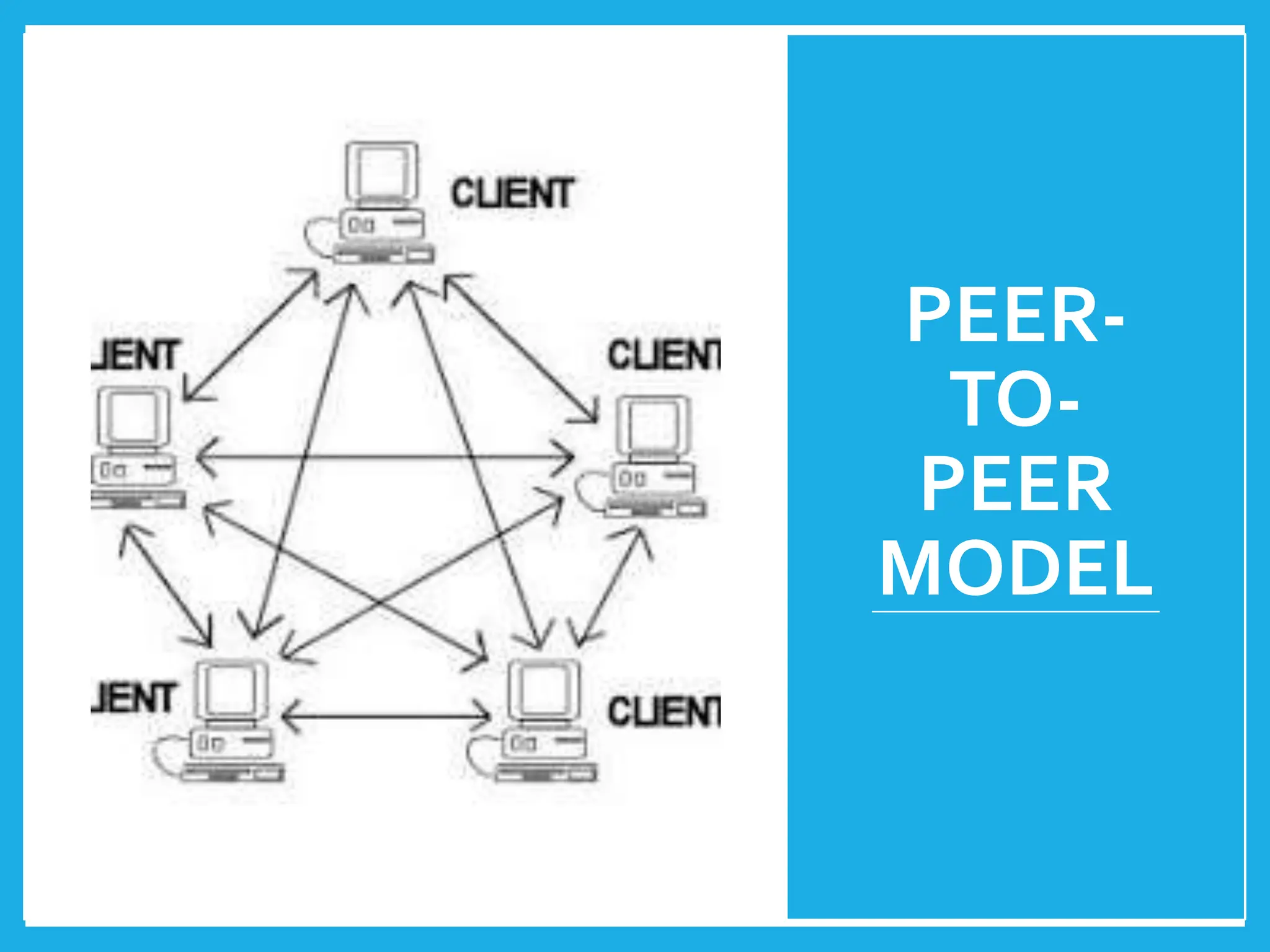
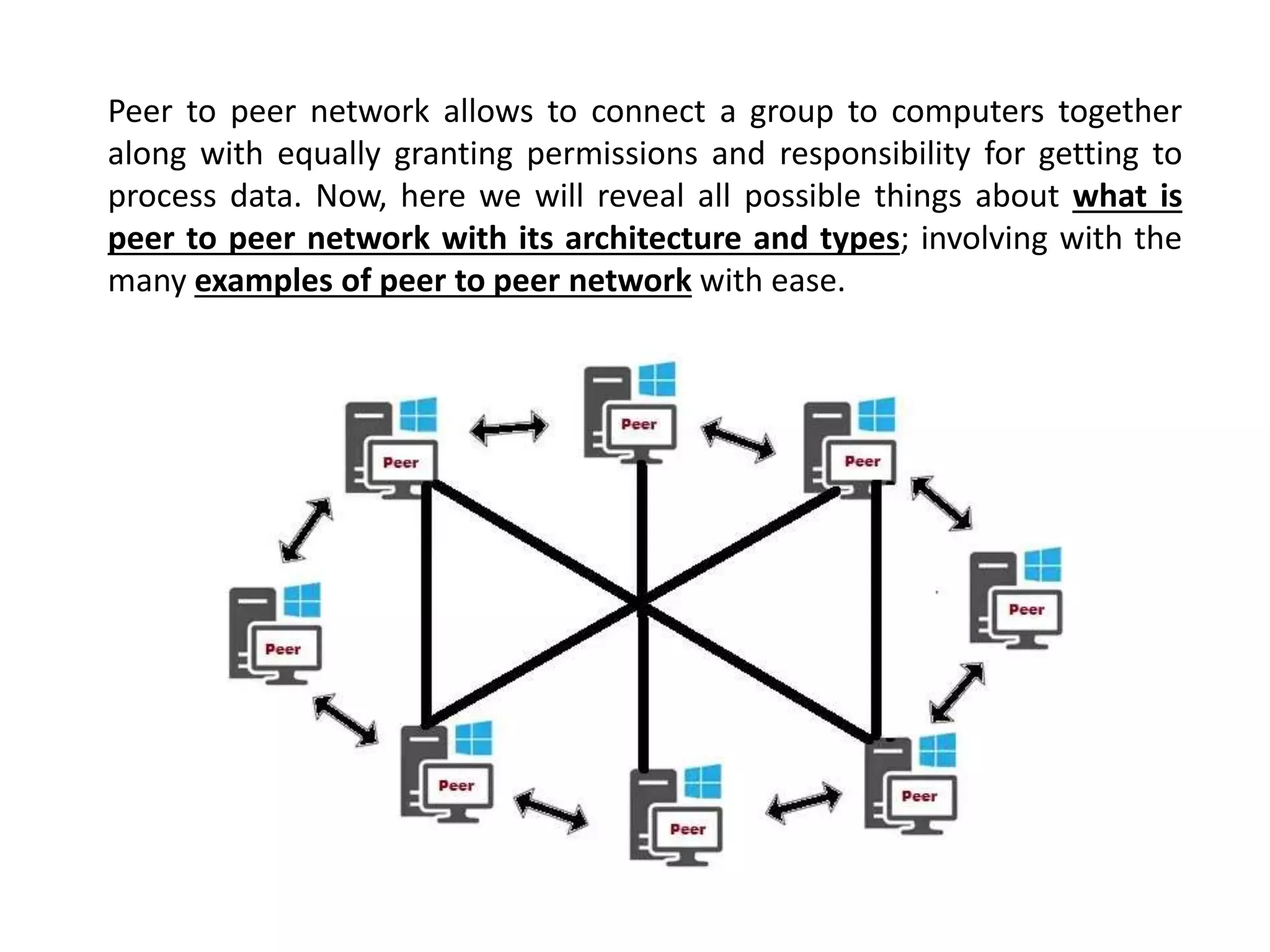
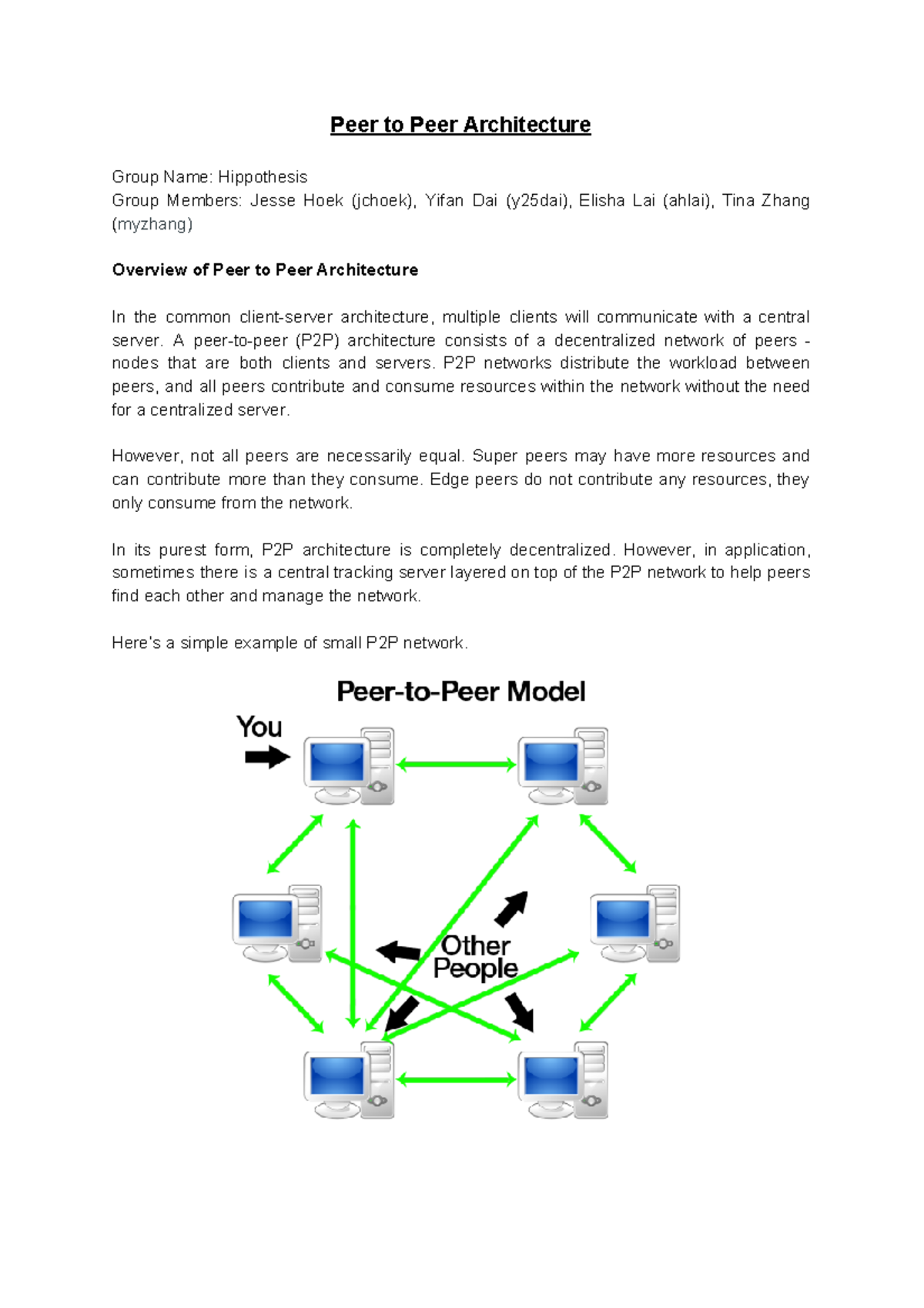
The architecture of a successful P2P model relies on three primary pillars: the platform (the digital infrastructure), the provider (the peer offering the asset or service), and the user (the peer seeking the asset or service). By 2026, this model has matured significantly, moving beyond simple ride-sharing or room-letting into complex sectors like decentralized energy trading and AI-driven freelance marketplaces.
The Role of the Platform Operator
While the platform does not provide the end product, its role is critical for market stability. The operator is responsible for customer acquisition, identity verification (KYC), and dispute resolution. In exchange for providing this "trust layer," the platform typically takes a percentage of every transaction or charges a flat subscription fee. Without a robust platform to aggregate supply and demand, the search and transaction costs for individuals would be prohibitively high.
Asset Lightness and Scalability
One of the most compelling aspects of the P2P model is its "asset-light" nature. Because the platform does not own the cars, apartments, or equipment being traded, it can scale globally with minimal capital expenditure compared to traditional firms. This allows P2P businesses to achieve massive network effects; as more providers join, the platform becomes more valuable to users, which in turn attracts more providers.
Revenue Generation in Peer-to-Peer Frameworks
P2P companies must balance profitability with the need to keep transaction costs low enough to incentivize peers to use the platform over direct, off-platform "gray market" interactions. By 2026, revenue strategies have diversified into several sophisticated streams.
- Transaction Commissions: The most common method, where the platform takes a "take rate" (often between 5% and 25%) from the total transaction value.
- Listing Fees: A flat fee charged to providers to display their goods or services, common in high-volume marketplaces like eBay or specialized equipment rentals.
- Freemium and Premium Features: Offering basic matching for free while charging for enhanced visibility, advanced analytics, or insurance protections.
- Fintech Integration: Many P2P platforms now generate significant revenue through embedded finance, such as offering instant payouts, currency conversion, or micro-loans to providers.
Key Sectors Dominating the P2P Landscape
The versatility of the P2P model has allowed it to penetrate almost every corner of the global economy. While hospitality and transport were early adopters, the mid-2020s have seen the rise of specialized P2P applications.
P2P Lending and Decentralized Finance (DeFi)
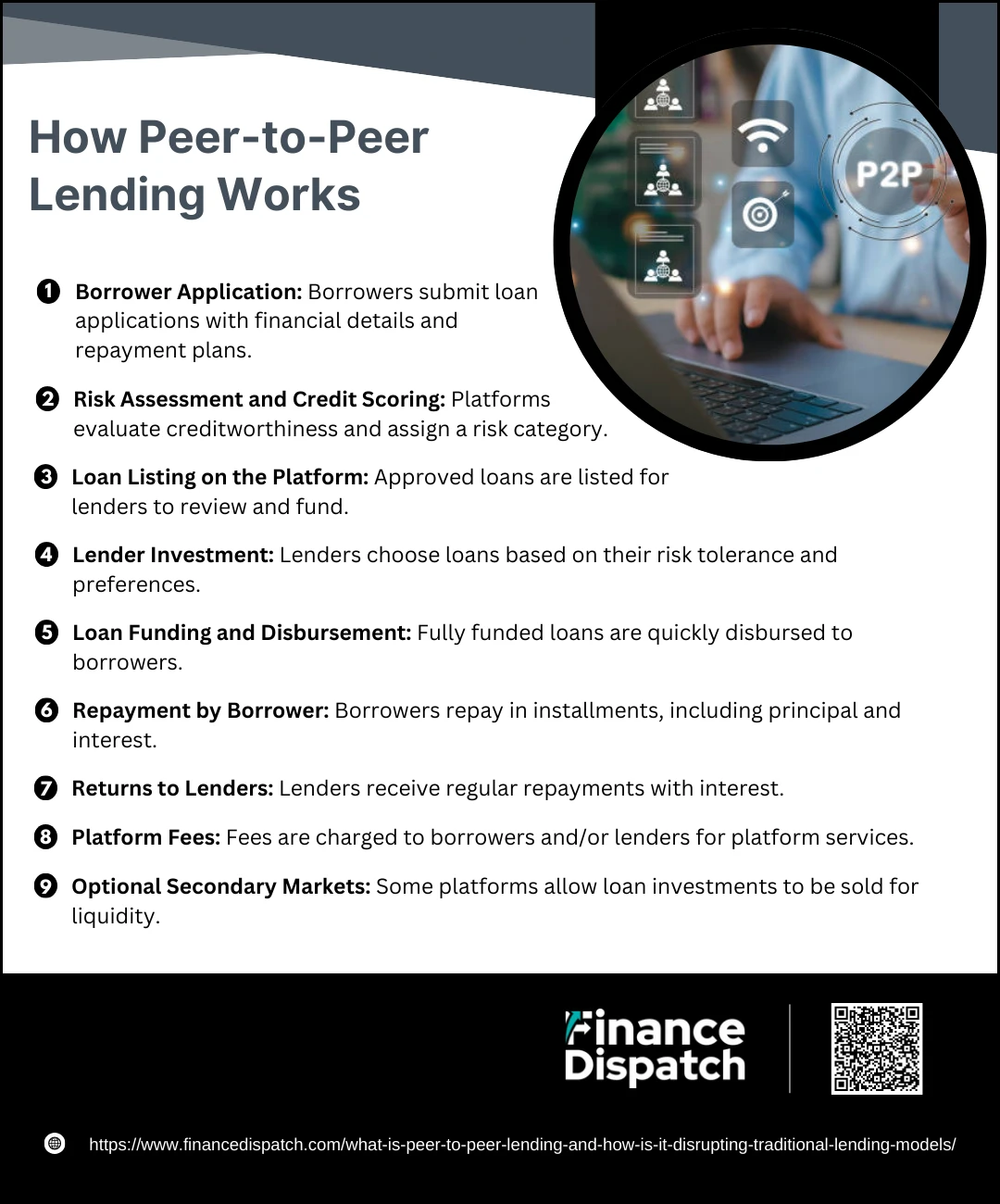
P2P lending platforms like Prosper and LendingClub paved the way for individuals to lend money directly to other individuals or small businesses. In 2026, this has evolved into highly automated systems where algorithms match risk profiles with capital. Furthermore, the rise of Decentralized Finance (DeFi) has introduced P2P models that operate on blockchain technology, removing even the centralized platform operator in favor of smart contracts that execute transactions automatically when conditions are met.
The Sharing Economy: Assets and Labor
The sharing economy remains the most visible P2P sector. Beyond Airbnb (housing) and Turo (vehicles), we now see robust P2P markets for industrial tools, high-end fashion, and even private parking spaces. On the labor side, platforms like TaskRabbit and Upwork allow for the P2P exchange of services ranging from manual labor to high-level software engineering. The distinction here is the shift from "owning" to "accessing," which reduces waste and maximizes the utility of existing resources.
P2P Energy Markets
A major development in the current 2026 landscape is the P2P energy grid. Homeowners with solar panels or battery storage can sell excess electricity directly to their neighbors. This model uses the existing physical grid but replaces the centralized utility company’s pricing with a dynamic, peer-negotiated market, often managed by automated IoT (Internet of Things) devices.
Comparing P2P Models with Traditional Business Structures
To understand the impact of P2P models, it is helpful to contrast them with the traditional centralized structures that dominated the 20th century.
| Feature | Traditional B2C Model | Peer-to-Peer (P2P) Model |
|---|---|---|
| Inventory Ownership | Company owns all assets/goods | Peers own the assets/goods |
| Price Control | Set by the company | Often dynamic or set by the provider |
| Scalability | Linear (requires physical expansion) | Exponential (driven by network effects) |
| Trust Mechanism | Brand reputation and warranties | Peer reviews and platform verification |
| Overhead Costs | High (warehousing, staff, logistics) | Low (primarily software and support) |
| Primary Risk | Market demand for owned inventory | Quality control and platform liability |
Trust, Safety, and the Reputation Economy
The single greatest challenge for any P2P business is the Trust Gap. When a user buys a product from a major retailer, they trust the brand's return policy and quality standards. In a P2P transaction, the user is interacting with a stranger.
To bridge this gap, P2P models utilize a "Reputation Economy." This involves bi-directional rating systems where both the provider and the user rate each other after a transaction. By 2026, these systems have become highly sophisticated, often incorporating AI to detect fraudulent reviews and "review bombing." Furthermore, many platforms now include mandatory insurance or guarantee funds to protect participants from theft, damage, or non-performance.
Identity verification has also become more rigorous. Most P2P platforms now require biometric verification or integration with government-issued digital IDs to ensure that the individuals behind the profiles are who they claim to be. This layer of security is essential for maintaining the integrity of the ecosystem and satisfying regulatory requirements regarding anti-money laundering (AML).
Regulatory Challenges and Legal Considerations
As P2P models grow, they frequently clash with existing legal frameworks designed for traditional businesses. Regulatory bodies worldwide are increasingly focused on three main areas:
- Labor Classification: The debate over whether P2P "providers" are independent contractors or employees continues to be a focal point. Governments are increasingly implementing "third-way" classifications that provide some benefits (like accident insurance) without the full overhead of traditional employment.
- Taxation: Platforms are now largely required to report provider earnings directly to tax authorities. This "automatic reporting" helps governments capture revenue from the gig and sharing economies that was previously under-reported.
- Zoning and Licensing: Cities continue to struggle with P2P models that turn residential zones into commercial ones (e.g., short-term rentals) or bypass traditional licensing (e.g., unlicensed taxi services). In 2026, many jurisdictions have moved toward "light-touch" licensing specifically for P2P participants.
Organizations such as the OECD provide ongoing research and guidelines for how governments can foster innovation in the P2P sector while protecting consumer rights and tax bases.
The Future of P2P: Automation and Decentralization
Looking ahead through 2026, the P2P model is moving toward hyper-automation. The integration of AI allows for "predictive matching," where a platform can anticipate a user's need for a service before they even search for it. Additionally, the move toward Web3 architecture is enabling "True P2P," where the platform itself is owned and governed by the users through tokens and DAOs (Decentralized Autonomous Organizations). In this scenario, the "take rate" or commission is minimized because there are no corporate shareholders to satisfy; the value stays entirely within the peer community.
Common Pitfalls to Avoid in P2P Ventures
Entrepreneurs entering the P2P space often underestimate the difficulty of the "chicken-and-egg" problem: you cannot attract users without providers, and you cannot attract providers without users. Successful P2P models usually start in a narrow geographic area or a specific niche to build density before expanding.
Another common mistake is neglecting the dispute resolution process. In a P2P environment, things will inevitably go wrong—a rental car is returned damaged, or a freelance project is never delivered. If the platform does not have a clear, fair, and fast mechanism to resolve these issues, trust evaporates instantly, and users will migrate to a competitor.
FAQ
How do P2P business models make money if they don't sell products?
P2P models generate revenue primarily through transaction fees, where they take a percentage of the payment exchanged between the buyer and seller. They may also use subscription models, charge for premium listings, or offer value-added services like insurance and financing.
What is the difference between the sharing economy and P2P?
While often used interchangeably, the sharing economy is a subset of P2P. It specifically refers to the P2P sharing of underutilized physical assets (like a spare room or a car). P2P is a broader term that also includes the exchange of labor, services, and digital goods.
Are P2P platforms liable for the actions of their users?
This is a complex legal area that varies by jurisdiction. Generally, platforms strive to act as "intermediaries" to limit liability, but 2026 regulations increasingly hold platforms responsible for vetting users and ensuring the safety of the services offered on their infrastructure.
Is P2P lending safe for investors?
P2P lending carries higher risk than traditional savings accounts because the loans are often unsecured. However, platforms mitigate this by diversifying an investor's capital across hundreds of different loans and using rigorous credit scoring models to assess borrower risk.
How has blockchain impacted P2P business models?
Blockchain has enabled "trustless" P2P transactions by using smart contracts to hold funds in escrow and release them only when certain conditions are met. This reduces the need for a centralized platform and can significantly lower transaction fees.
Recommendation for Next Actions
For those looking to participate in or build a P2P business, the first step is to identify an underutilized asset or skill with high market demand. Conduct a thorough analysis of the existing regulatory environment in your target jurisdiction, particularly regarding tax and licensing. Finally, focus on building a robust "trust stack"—identity verification, transparent reviews, and secure payment processing—as these are the non-negotiable foundations of any successful peer-to-peer ecosystem.
Image Gallery