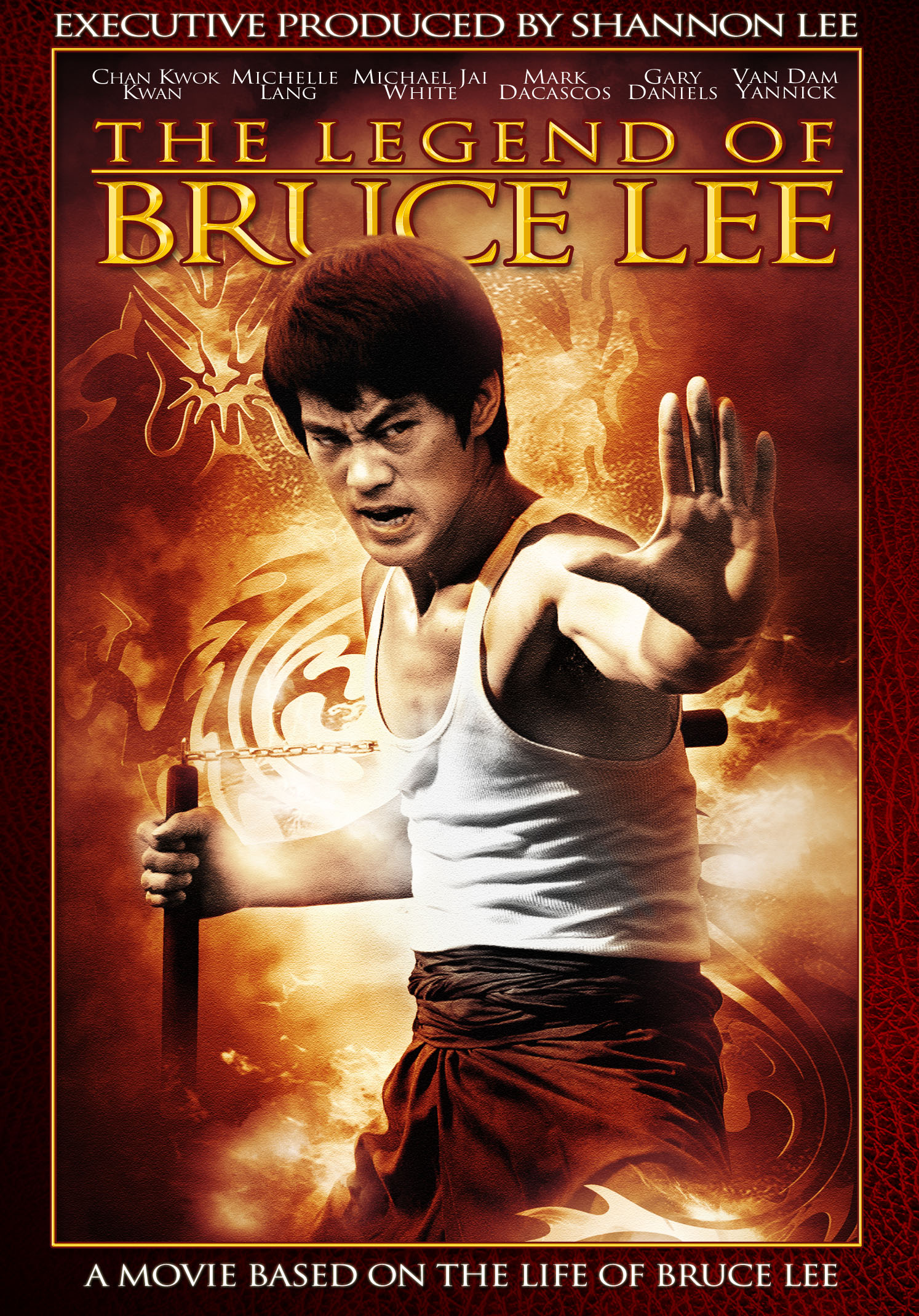
How Many Movies Was Bruce Lee In? A Comprehensive Cinematic Retrospective
Bruce Lee appeared in a total of 24 feature-length films as an adult, alongside numerous childhood acting credits, television guest appearances, and posthumous archival releases. While his legendary status rests primarily on a handful...
Bruce Lee appeared in a total of 24 feature-length films as an adult, alongside numerous childhood acting credits, television guest appearances, and posthumous archival releases. While his legendary status rests primarily on a handful of completed adult martial arts masterpieces, his career spans several distinct phases that began in the 1940s in Hong Kong and extended well into Hollywood television before culminating in his global superstardom.
Contents
Evaluating the exact count of Bruce Lee's filmography requires looking beyond popular culture myths. Many casual viewers associate him strictly with his final completed studio projects—such as Enter the Dragon or The Way of the Dragon—while overlooking his extensive body of work as a child actor in Hong Kong cinema. Furthermore, distinguishing between main starring roles, supporting performances, cameos, and unfinished archival footage provides a comprehensive look at his cinematic legacy.
The Evolution of Bruce Lee's Filmography
To understand how many movies Bruce Lee was in, film historians divide his acting career into three distinct periods: his childhood and adolescent years in Hong Kong cinema, his American television and supporting film career, and his explosive return to Hong Kong as an international martial arts superstar. Each phase represents a different era of artistic development, moving from dramatic child roles to pioneering physical action choreography.
Childhood and Adolescent Stardom in Hong Kong (1941–1959)
Born in San Francisco in 1940 but raised primarily in British Hong Kong, Bruce Lee entered the entertainment industry at an exceptionally young age. Because his father, Lee Hoi-chuen, was a well-known Cantonese opera singer and film actor, young Bruce had natural access to studio sets. He made his acting debut as an infant, appearing as a crying baby in the 1941 film Golden Gate Girl.
Over the next two decades, Lee appeared in approximately 20 films as a child and teenage actor under various stage names, including "Little Lee" (Li Hsiao-lung). These early productions were rarely martial arts films; instead, they were predominantly Cantonese social dramas, comedies, and melodramas that reflected contemporary urban life in post-war Hong Kong. Notable child and teenage roles include:
- The Birth of Mankind (1942)
- A Kid Called Fen (1950)
- The Bad Boy (1951)
- In the Face of Demolition (1953)
- The Orphan (1960)
The Orphan stands out as his final major Hong Kong film before departing for the United States. In this gritty drama, he played Ah Sun, a troubled juvenile delinquent, showcasing the dramatic intensity and rebellious screen presence that would later define his adult persona.
Hollywood Transition and Television Guest Roles (1964–1971)
Upon returning to the United States to complete his education and establish martial arts schools, Lee pursued an acting career in Hollywood. Despite facing systemic typecasting and the limitations of 1960s American television casting practices, he secured several notable roles that brought martial arts philosophy and physical dynamism to Western screens.
His breakout role came as Kato in the television series The Green Hornet (1966–1967), which ran for 26 episodes. Following that success, he made guest appearances and secured supporting roles in American productions, including:
- Marlowe (1969) – A neo-noir detective film starring James Garner, in which Lee played the memorable henchman Winslow Wong.
- Longstreet (1971) – A television series arc where he played a martial arts instructor to blind detective Mike Longstreet, introducing Jeet Kune Do concepts to a mainstream American audience.
- Blondie and Here Come the Brides – Periodic television guest appearances demonstrating his crossover appeal.
During this period, Lee also developed the concept for a television series titled The Kung Fu. Although the project was ultimately adapted into the television series Kung Fu starring David Carradine rather than Lee, it cemented his reputation as a visionary martial artist and creative force.
The Golden Harvest Masterpieces (1971–1973)
Frustrated by limited opportunities in Hollywood, Lee returned to Hong Kong in 1971. He signed a two-film contract with producer Raymond Chow's newly founded studio, Golden Harvest, which granted him unprecedented creative control over his action choreography, directorial choices, and script development. This brief period solidified his cinematic immortality.
| Film Title | Year | Primary Role / Significance |
|---|---|---|
| The Big Boss | 1971 | Cheng Chao-an / Breakout hit |
| Fist of Fury | 1972 | Chen Zhen / Iconic revenge drama |
| The Way of the Dragon | 1972 | Tang Lung / Writer, director, star |
| Enter the Dragon | 1973 | Lee / Hollywood crossover success |
| Game of Death | 1978 | Billy Lo / Posthumous completion |
These five adult martial arts feature films transformed global cinema. The Big Boss broke Hong Kong box office records upon its release. Fist of Fury introduced his legendary nunchaku skills and anti-imperialist themes. The Way of the Dragon featured his iconic Colosseum fight against Chuck Norris and marked his directorial debut. Finally, Enter the Dragon, co-produced by Warner Bros., became a global cultural phenomenon, though Lee tragically passed away just weeks before its premiere.
Posthumous Releases and Archival Footage
Following his untimely death on July 20, 1973, studios sought to capitalize on his massive global popularity. This led to a wave of archival releases, documentaries, and controversial pastiche films that utilized leftover footage, stunt doubles, and lookalikes.
Game of Death represents the most notable of these projects. Lee had originally filmed approximately 100 minutes of footage for the film's climactic fight sequences in 1972 before pausing production to shoot Enter the Dragon. In 1978, director Robert Clouse used body doubles, cardboard cutouts of Lee's face, and a revised storyline to complete and release the film. Decades later, the original unedited footage was recovered and released in documentaries such as Bruce Lee: A Warrior's Journey (2000), offering fans a glimpse into his original philosophical vision for the project.
Other archival features included Game of Death II (1981), which utilized outtakes and stunt doubles, as well as numerous biographical documentaries exploring his life, martial arts philosophy, and cultural impact.
Frequently Asked Questions
How many movies did Bruce Lee star in as an adult?
Bruce Lee starred in four completed martial arts feature films as an adult (The Big Boss, Fist of Fury, The Way of the Dragon, and Enter the Dragon), alongside one film completed posthumously using archival footage (Game of Death).
Was Bruce Lee a child actor?
Yes. Before moving to the United States and focusing on martial arts, Bruce Lee appeared in approximately 20 films as a child and adolescent actor in Hong Kong under the stage name "Little Lee," beginning with Golden Gate Girl in 1941 and concluding with The Orphan in 1960.
What was Bruce Lee's last movie?
His final completed film released during his lifetime was Enter the Dragon (1973). However, his final physical film project was Game of Death, which was left unfinished at the time of his death and later released in altered form in 1978.
Why are there so many uncredited or disputed film appearances?
Many early Cantonese films in which Lee appeared as an infant or toddler lost their master reels or lack complete archival documentation. Film historians continue to verify regional distribution prints, studio call sheets, and casting ledgers to confirm minor childhood roles.
Did Bruce Lee direct any of his own movies?
Yes. Bruce Lee wrote, directed, and starred in The Way of the Dragon (1972), exercising total creative control over its action sequences, framing, and comedic elements. He also served as action choreographer and creative consultant across his other Golden Harvest productions.
Practical Next Actions
For enthusiasts looking to explore Bruce Lee's cinematic catalog with historical accuracy, viewers should begin with his definitive Golden Harvest masterworks—The Big Boss, Fist of Fury, The Way of the Dragon, and Enter the Dragon—to experience his technical evolution as a martial artist and filmmaker. For a deeper academic look into his early dramatic range, seek out restored versions of his adolescent Hong Kong drama The Orphan alongside archival documentaries detailing his unfinished philosophical project, Game of Death.
Image Gallery