Comprehensive Strategies for Managing Commercial Liability Risk and Insurance in 2026
Effective management of commercial liability risk involves a dual-track strategy: implementing rigorous internal controls to prevent incidents and securing comprehensive insurance policies to transfer financial burdens. By 2026, this r...
Effective management of commercial liability risk involves a dual-track strategy: implementing rigorous internal controls to prevent incidents and securing comprehensive insurance policies to transfer financial burdens. By 2026, this requires addressing traditional physical risks alongside emerging digital and regulatory exposures through tailored coverage, proactive legal compliance, and technology-driven risk assessment.
Contents
In the complex business landscape of 2026, liability is no longer limited to "slips and falls" on commercial property. It encompasses digital privacy, algorithmic accountability, environmental stewardship, and the nuanced intricacies of a hybrid workforce. For business owners and risk managers, understanding how to identify, mitigate, and insure these risks is fundamental to long-term operational resilience and financial stability.
Understanding the Fundamentals of Commercial Liability
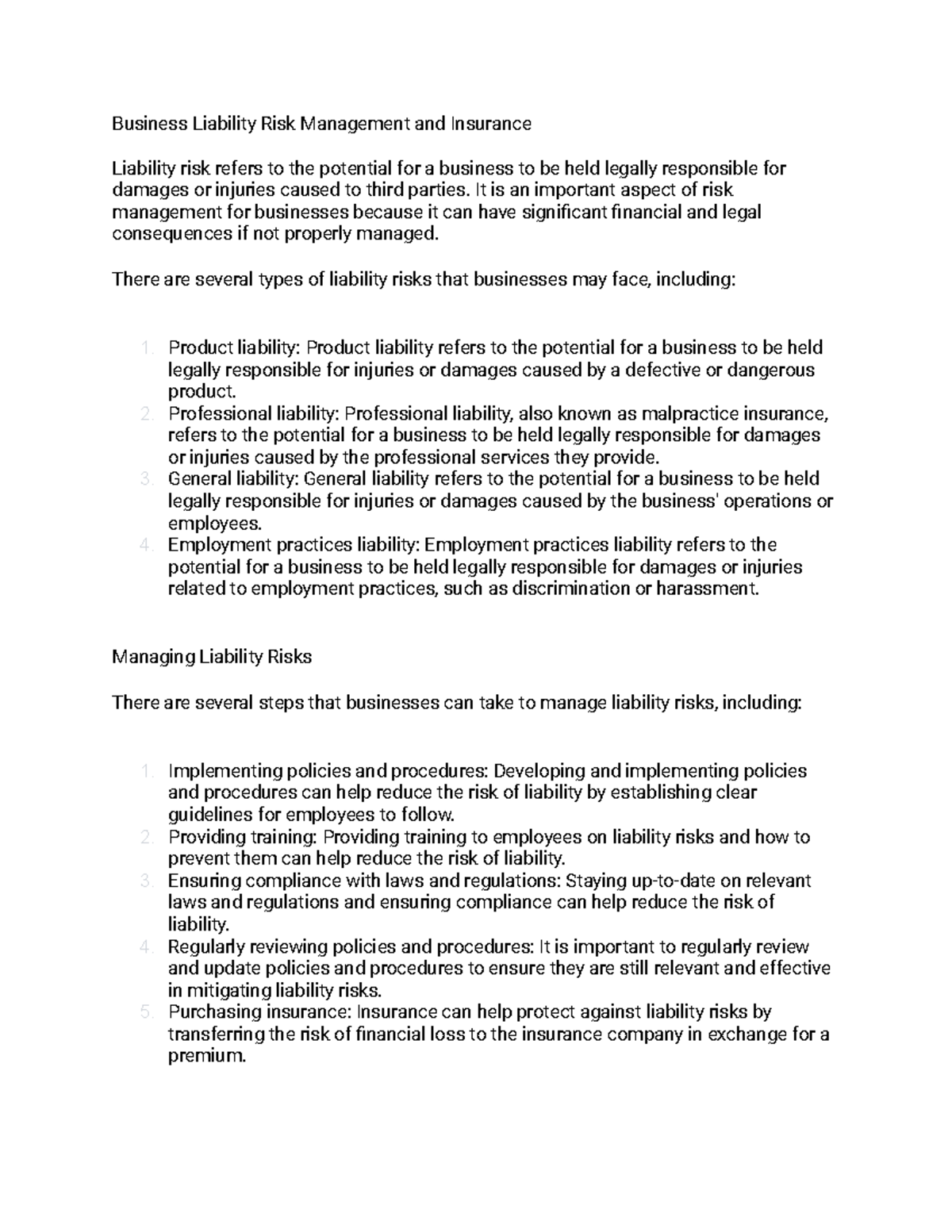
Commercial liability refers to the legal responsibility a business owes to third parties for injuries, damages, or financial losses caused by its operations, products, or employees. This liability generally stems from negligence—the failure to exercise reasonable care—but can also arise from strict liability (often in product manufacturing) or vicarious liability (responsibility for the actions of employees).
Managing this risk is not merely about buying an insurance policy; it is about creating a "risk-aware" culture. In 2026, the cost of litigation and the rise of "social inflation"—where jury awards and settlements increase faster than standard inflation—make proactive risk management essential. Without a structured approach, a single lawsuit can deplete a company's cash reserves or lead to insolvency.
The Categorization of Liability
To manage risk, one must first categorize it. Most commercial liabilities fall into four primary buckets:
- Premises and Operations: Risks associated with your physical location or the immediate acts of doing business.
- Products and Completed Operations: Liability arising from goods manufactured or sold, or services provided after they have been completed.
- Professional Liability: Errors, omissions, or malpractice in the delivery of specialized professional services.
- Cyber and Data Liability: Risks involving the loss of sensitive data, system breaches, or digital extortion.
The 2026 Risk Landscape: New and Evolving Threats
As we move through 2026, the risk profile for most businesses has shifted significantly due to technological integration and regulatory changes.
Artificial Intelligence and Algorithmic Liability
By 2026, AI is integrated into everything from customer service bots to predictive maintenance in manufacturing. If an AI system makes a biased hiring decision or a flawed diagnostic recommendation, the business may be held liable. Standard general liability policies often contain exclusions for "professional services," which insurers are increasingly interpreting to include AI-driven outputs. Businesses must now audit their AI usage and seek specific endorsements or standalone AI liability coverage.
Environmental, Social, and Governance (ESG) Risks
Regulatory bodies, including the Securities and Exchange Commission (SEC), have refined disclosure requirements regarding climate impact and social responsibility. Liability now extends to "greenwashing" (making false environmental claims) or failing to manage supply chain ethics. Directors and Officers (D&O) insurance is the primary tool for managing these executive-level risks, as shareholders and activists are more likely to sue leadership over ESG failures.
Remote and Hybrid Work Liability
The permanent shift toward hybrid work has blurred the lines of workers' compensation and general liability. If an employee is injured while working from home, or if a company-issued laptop causes a fire in a residential building, the liability implications are complex. Managing this requires clear telecommuting policies and verified home-office safety checklists to minimize the company’s exposure.
The Four-Step Risk Management Process
Professional risk management follows a logical progression that allows businesses to prioritize their resources.
1. Risk Identification
This involves a comprehensive audit of all business activities. Review contracts, physical premises, employee handbooks, and historical claims data. In 2026, this also includes a "digital audit" to identify where data is stored and who has access to it.
2. Risk Assessment and Quantification
Once risks are identified, they are measured based on two metrics: Frequency (how likely is it to happen?) and Severity (how much will it cost if it does?). High-frequency, low-severity risks (like minor retail breakage) are often managed through internal funding (self-insurance), while low-frequency, high-severity risks (like a catastrophic fire or a massive data breach) are the primary candidates for insurance transfer.
3. Risk Mitigation and Control
This is the "prevention" phase. It includes:
- Safety Protocols: Implementing OSHA-compliant safety programs.
- Quality Control: Rigorous testing of products before they reach the market.
- Cybersecurity: Using multi-factor authentication (MFA) and zero-trust architecture.
- Legal Reviews: Ensuring all client and vendor contracts have clear indemnification and "hold harmless" clauses.
4. Risk Transfer (Insurance)
Insurance is the final step, acting as a financial backstop for risks that cannot be entirely eliminated. By 2026, insurers are increasingly using "telematics" and real-time data to price policies. Companies that share their safety data with insurers often receive more favorable terms.
Essential Commercial Liability Insurance Policies
Navigating the insurance market in 2026 requires understanding the specific "triggers" and "exclusions" of different policy types.
| Policy Type | Primary Coverage Area | Common Trigger | Typical Exclusion |
|---|---|---|---|
| General Liability (CGL) | Third-party bodily injury and property damage. | A customer trips in your lobby. | Professional errors; employee injuries. |
| Professional Liability (E&O) | Financial loss due to errors in professional services. | An architect's mistake leads to a building delay. | Bodily injury; criminal acts. |
| Cyber Liability | Costs of data breaches, notification, and recovery. | A ransomware attack locks your servers. | Upgrading software; lost hardware value. |
| D&O Liability | Personal assets of directors/officers from management suits. | Shareholders sue over a failed merger. | Fraud for personal gain; prior lawsuits. |
| Employment Practices (EPLI) | Wrongful acts in the employment process. | A claim of wrongful termination or harassment. | Punitive damages in some states. |
Commercial General Liability (CGL): The Bedrock
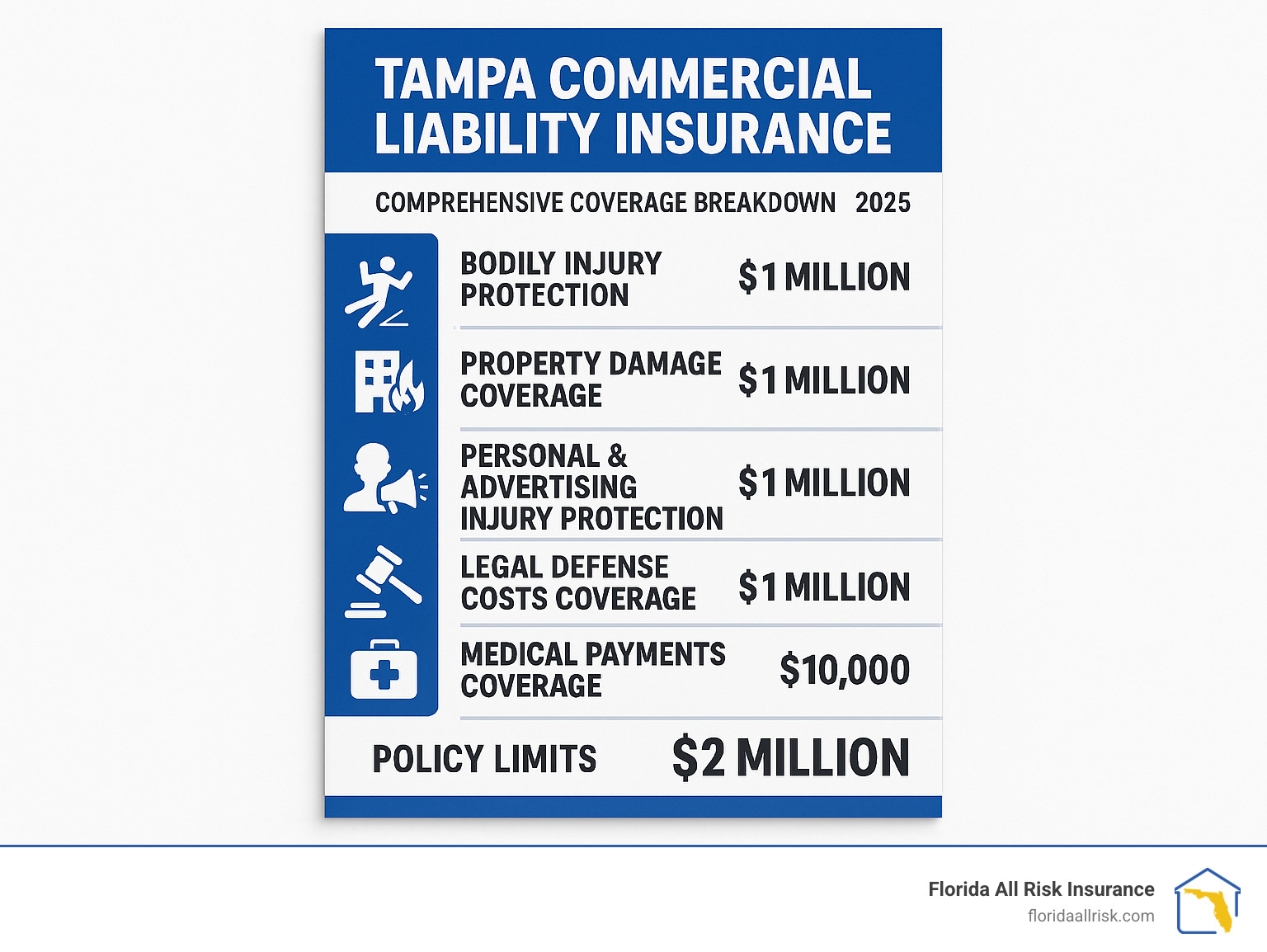
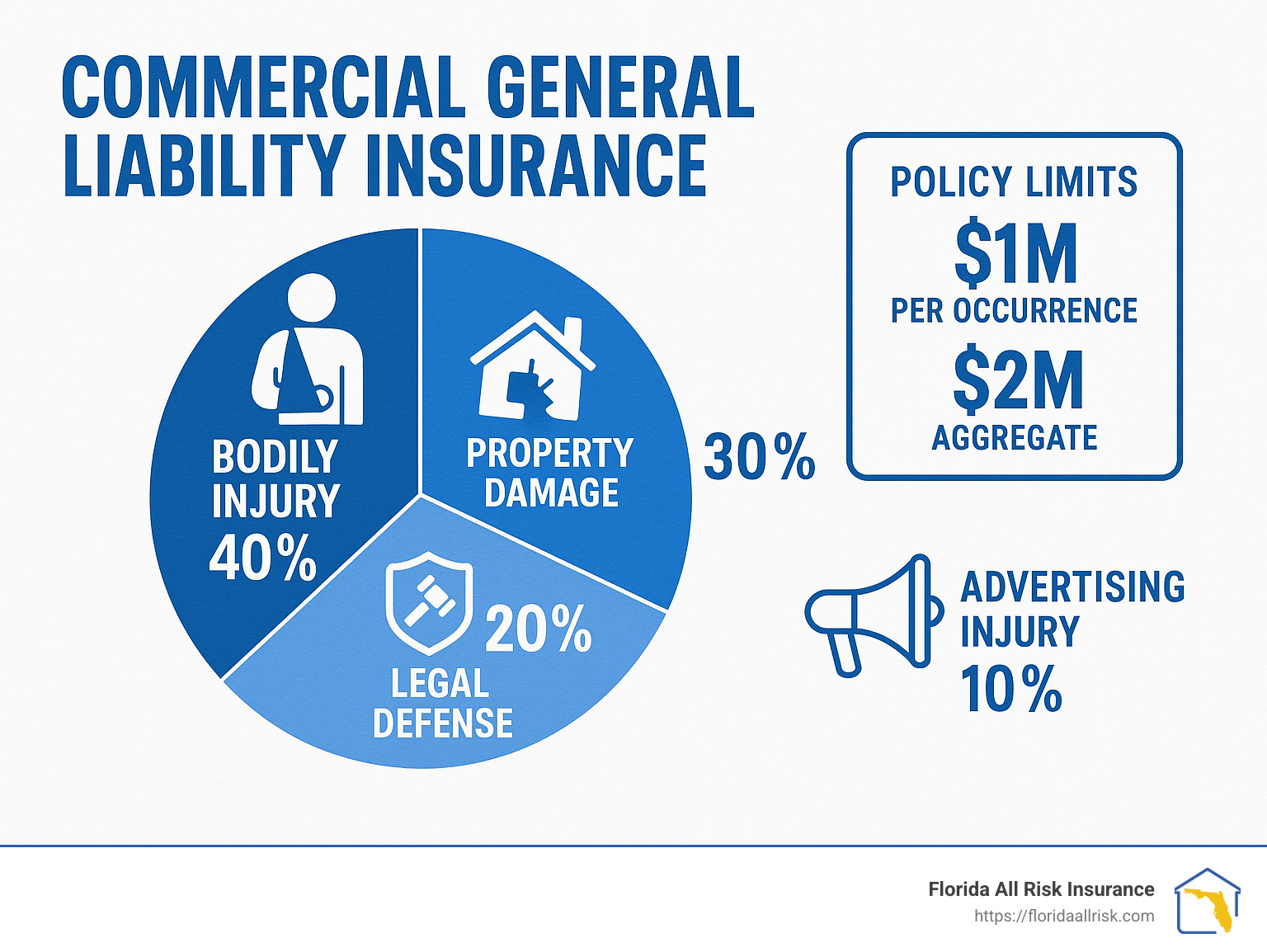
The CGL policy remains the most critical coverage. In 2026, most policies are "occurrence-based," meaning they cover incidents that happen during the policy period, regardless of when the claim is filed. However, businesses should be aware of the "Aggregate Limit," which is the maximum amount the insurer will pay for all claims in a single year. In high-litigation environments, a $1 million limit may no longer be sufficient, leading many businesses to purchase Commercial Umbrella or Excess Liability policies to provide an additional layer of protection.
Professional Liability and the "Claims-Made" Trap
Unlike CGL, Professional Liability (Errors & Omissions) is almost always written on a "claims-made" basis. This means the policy must be active both when the error occurred and when the claim was filed. If a business switches insurers or cancels a policy, they must purchase a "Tail" (Extended Reporting Period) to ensure they are covered for past work.
Strategies for Reducing Insurance Premiums in 2026
The insurance market in 2026 is characterized by "hard market" conditions in specific sectors, where premiums are rising and underwriting is stricter. To keep costs manageable, businesses should employ the following tactics:
- Increase Deductibles: If your cash flow allows, taking on a higher "Self-Insured Retention" (SIR) can significantly lower your monthly premiums.
- Demonstrate Risk Control: Insurers provide "credits" to businesses that use advanced safety technology, such as IoT sensors that detect water leaks in warehouses or AI-driven driver monitoring systems for commercial fleets.
- Consolidate Policies: Bundling various coverages into a Commercial Package Policy (CPP) or a Business Owner's Policy (BOP) is often more cost-effective than purchasing separate standalone policies.
- Maintain a "Clean" Loss Run: Your insurance history (the loss run report) is the single most important factor in pricing. Promptly addressing small issues before they become large claims is vital for a favorable record.
Contractual Risk Transfer: Leveraging Your Partners
A frequently overlooked aspect of risk management is transferring liability to third parties through contracts. When you hire a contractor or partner with a vendor, you should require them to:
- Provide a Certificate of Insurance (COI): Verify that they have their own liability coverage.
- Name You as an "Additional Insured": This gives your business direct protection under the contractor’s policy for work they perform on your behalf.
- Include Indemnification Clauses: These are legal agreements where the other party agrees to pay for any losses you incur due to their negligence.
Practical Next Steps for 2026
To ensure your business is adequately protected, follow these action items:
- Quarterly Risk Review: Do not wait for your insurance renewal to assess risks. Conduct quarterly reviews to account for new products, services, or hires.
- Consult a Specialist Broker: Commercial insurance is increasingly specialized. Work with a broker who understands your specific industry (e.g., tech, construction, or healthcare).
- Cyber Hygiene Training: Since human error causes the majority of cyber claims, regular employee training is your best defense.
- Review Policy Exclusions: Read the "Exclusions" section of your policies carefully. If you see a gap (like an exclusion for "communicable diseases" or "cyber-terrorism"), discuss a "buy-back" or an endorsement with your agent.
Frequently Asked Questions
What is "social inflation" and how does it affect business insurance?
Social inflation refers to the rising costs of insurance claims resulting from societal trends, such as increased litigation, broader definitions of liability by the courts, and larger jury awards. In 2026, this trend forces insurers to raise premiums and limit the amount of coverage they are willing to provide, particularly in sectors like trucking and healthcare. Businesses must counter this by documenting their safety efforts meticulously to provide a strong defense in court.
Does my standard CGL policy cover AI-generated mistakes?
Typically, no. Most Commercial General Liability policies exclude "professional services" and have specific exclusions for "intellectual property" and "data-related liability." If your business uses AI to provide advice, create content, or manage operations, you likely need a specific AI Liability endorsement or a specialized Professional Liability policy that explicitly includes algorithmic errors.
Why is "Additional Insured" status important in a contract?
Being named an "Additional Insured" on a vendor's or contractor's policy allows you to file a claim directly with their insurance company if their work causes a loss for which you are sued. This protects your own insurance "loss run" and ensures that the party responsible for the risk is the one whose insurance pays for it, preserving your own policy limits.
What is the difference between an "Occurrence" and "Claims-Made" policy?
An Occurrence policy covers any incident that happens during the policy period, even if the claim is filed years later. A Claims-Made policy only covers claims that are filed while the policy is active. Most Professional and Cyber policies are Claims-Made, which requires businesses to be very careful when switching insurers to avoid "gaps" in coverage for past work.
How much liability insurance does a small business actually need in 2026?
While $1 million per occurrence is a standard starting point, it is often insufficient in 2026 due to rising legal costs. Many industry experts recommend a minimum of $2 million in General Liability, supplemented by a $5 million Umbrella policy for businesses with significant public interaction or high-value contracts. Your specific needs will depend on your industry's "risk profile" and your contractual obligations to clients.
Disclaimer: This article provides general information and does not constitute legal, financial, or insurance advice. Jurisdictional rules vary; always consult with a licensed insurance professional or legal counsel regarding your specific business needs and local regulations.
Image Gallery