Titles and Roles: The Prince and Princess of Sweden Explained
The Prince and Princess of Sweden titles refer primarily to the children of King Carl XVI Gustaf: Crown Princess Victoria, Prince Carl Philip, and Princess Madeleine, alongside their spouses and offspring. While many family members hol...
The Prince and Princess of Sweden titles refer primarily to the children of King Carl XVI Gustaf: Crown Princess Victoria, Prince Carl Philip, and Princess Madeleine, alongside their spouses and offspring. While many family members hold these titles, a 2019 royal decree restricted official "Royal Highness" (HRH) status and state-funded duties to the King’s direct successors to modernize the monarchy for 2026 and beyond.
Contents
The Structure of the Swedish Royal House in 2026
To understand the Prince and Princess of Sweden, one must distinguish between the Royal House (those who perform official duties on behalf of the state) and the Royal Family (the King's extended relatives). As of 2026, the Swedish monarchy remains one of the most stable and popular in Europe, largely due to its ability to adapt its ancient titles to contemporary democratic expectations.
The core of the Royal House consists of King Carl XVI Gustaf, Queen Silvia, and the family of the heir apparent, Crown Princess Victoria. Following the 2019 restructuring by the King, the children of Prince Carl Philip and Princess Madeleine remain members of the "Royal Family" and retain their personal titles of Prince and Princess, but they do not hold the style of Royal Highness and are not expected to perform official duties as adults.
This "slimming down" of the monarchy was a proactive move by the King to manage the size of the publicly funded royal circle. It allows his younger grandchildren to lead more private lives, pursue careers, and engage in business without the strict constitutional constraints that apply to the Crown Princess and her children.
Crown Princess Victoria: The Future Queen
Crown Princess Victoria is the most prominent "Princess of Sweden." Born in 1977, she became the heir apparent in 1980 following a historic change in the Swedish Constitution.
The 1979 Act of Succession
Historically, Sweden followed agnatic primogeniture, meaning only males could inherit the throne. However, the Swedish Act of Succession was amended in 1979 (effective January 1, 1980) to introduce absolute primogeniture. This change retroactively made Victoria the Crown Princess, displacing her younger brother, Carl Philip, who had been born as Crown Prince just months earlier.
In 2026, Victoria is widely regarded as the face of the modern Swedish state. Her role is strictly ceremonial and diplomatic, representing Sweden at the United Nations, during state visits, and at domestic cultural events. She is married to Prince Daniel, a former personal trainer who received the title of Prince of Sweden and Duke of Västergötland upon their marriage in 2010.
The Next Generation: Princess Estelle and Prince Oscar
The line of succession continues through Victoria’s children. Princess Estelle, Duchess of Östergötland, is second in line to the throne. Unlike her cousins, Estelle holds the HRH style and is being carefully prepared for her future role as a head of state. Her younger brother, Prince Oscar, Duke of Skåne, is third in line. Together, they represent the continuity of the Bernadotte dynasty.
Prince Carl Philip and Princess Sofia
Prince Carl Philip, the second child of the King and Queen, is often the subject of "Prince of Sweden" inquiries. Known for his interests in graphic design, agriculture, and professional motor racing, he holds the title of Duke of Värmland.
Princess Sofia’s Role
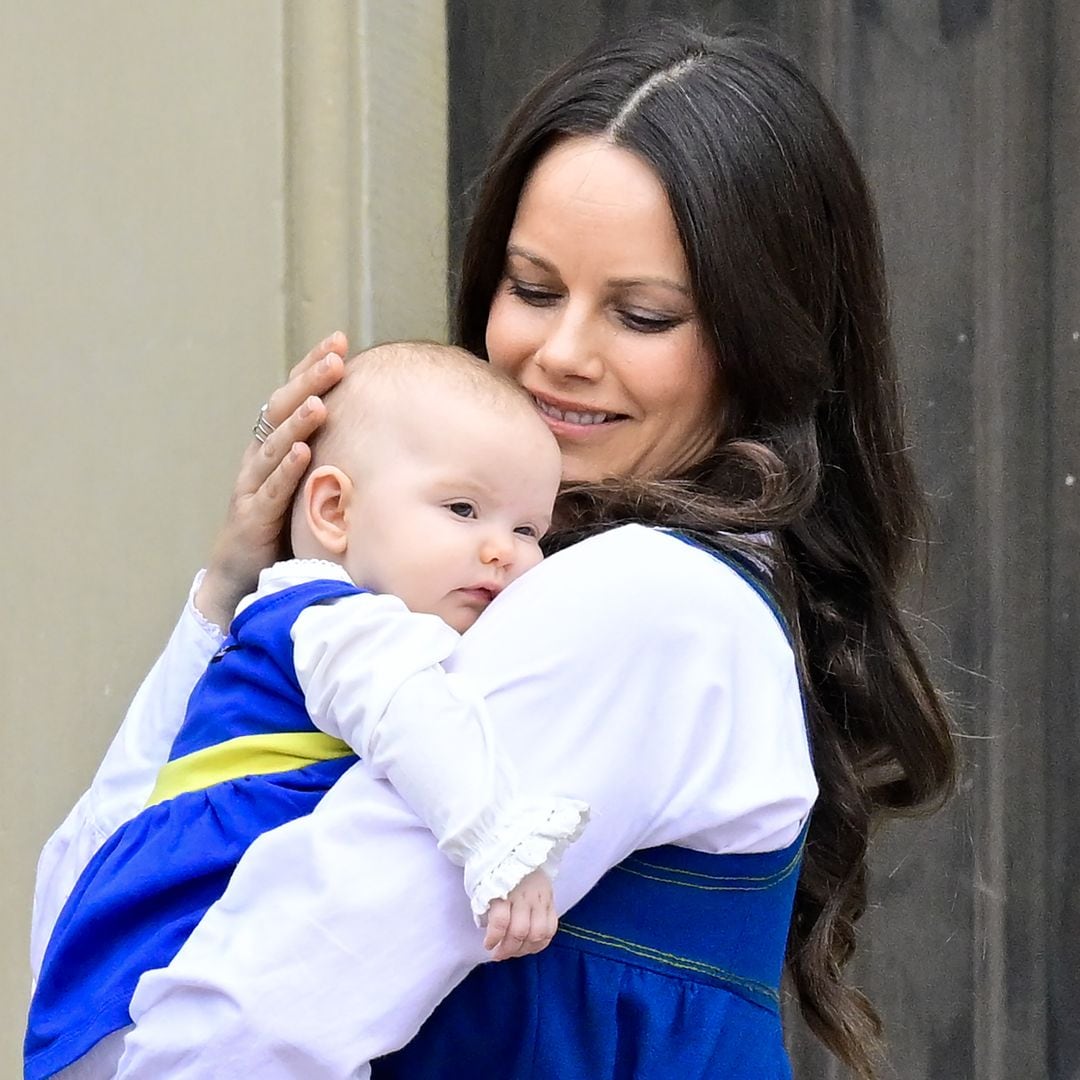
In 2015, Carl Philip married Sofia Hellqvist, who became Princess Sofia, Duchess of Värmland. Princess Sofia has successfully carved out a significant role within the Royal House. She is particularly noted for her work with Project Playground, an organization she co-founded to support vulnerable children, and her high-profile volunteer work in healthcare during national crises.
The Status of Their Children
Carl Philip and Sofia have three sons: Prince Alexander, Prince Gabriel, and Prince Julian. While they are Princes of Sweden and hold dukedoms, they were the first to be affected by the 2019 decree. They do not hold the HRH style. This means that while they remain in the line of succession (ranked after Prince Oscar), they will not receive a taxpayer-funded "appanage" (allowance) as adults and will likely enter the private workforce.
Princess Madeleine and the International Connection
Princess Madeleine, the youngest child of the King and Queen, is the Duchess of Hälsingland and Gästrikland. Her lifestyle differs significantly from her siblings as she has spent much of her adult life living abroad, particularly in the United States.
The Choice of Chris O’Neill
Madeleine’s husband, Christopher O’Neill, is a notable exception in the royal family. Upon their marriage in 2013, O’Neill declined a royal title. This decision was based on his desire to remain a private citizen and continue his career in international finance, which would have been incompatible with the duties and restrictions of a Prince of Sweden.
Life in the Royal Family
Princess Madeleine continues to work with the World Childhood Foundation, founded by her mother, Queen Silvia. Her children—Princess Leonore, Prince Nicolas, and Princess Adrienne—hold titles of Prince and Princess but, like Carl Philip’s children, are not Royal Highnesses. In 2026, this branch of the family serves as a bridge between the Swedish crown and global philanthropic efforts, even while living largely outside the Stockholm court circles.
Comparative Overview of Titles and Succession (2026)
The following table clarifies the current standing, titles, and succession rankings for the primary members of the Swedish Royal Family.
| Name | Primary Title | Relationship to King | Succession Rank | Status (HRH) |
|---|---|---|---|---|
| Victoria | Crown Princess | Daughter (Eldest) | 1st | Yes |
| Estelle | Princess | Granddaughter | 2nd | Yes |
| Oscar | Prince | Grandson | 3rd | Yes |
| Carl Philip | Prince | Son | 4th | Yes |
| Alexander | Prince | Grandson | 5th | No |
| Gabriel | Prince | Grandson | 6th | No |
| Julian | Prince | Grandson | 7th | No |
| Madeleine | Princess | Daughter | 8th | Yes |
| Leonore | Princess | Granddaughter | 9th | No |
| Nicolas | Prince | Grandson | 10th | No |
| Adrienne | Princess | Granddaughter | 11th | No |
The Legal Framework of Royal Titles
The use of "Prince of Sweden" and "Princess of Sweden" is governed by the Instrument of Government and the Act of Succession. Unlike the British system, where titles are often granted through "Letters Patent," Swedish titles are more closely tied to the constitutional definition of the Royal House.
Loss of Titles
Historically, several Swedish princes lost their titles and succession rights because they married "non-royal" women without the King’s and the government's consent. This led to the creation of the titles "Prince Bernadotte" in the nobility of other European nations (like Luxembourg) for those who were ousted. However, these restrictive rules were modernized in the late 20th century, allowing Prince Daniel and Princess Sofia to join the family without any loss of status for their spouses.
The Role of Dukedoms
Almost every Prince and Princess of Sweden is also granted a Dukedom over a traditional Swedish province (e.g., Värmland, Östergötland). These are purely titular and do not carry administrative or legal power over the provinces. However, the royals often maintain a special relationship with their duchies, visiting them for regional celebrations and supporting local industry.
Frequently Asked Questions
Is Prince Daniel a Prince by birth?
No. Prince Daniel was born Daniel Westling. He became a Prince of Sweden and Duke of Västergötland upon his marriage to Crown Princess Victoria in 2010. His title was granted by the King, and he is a full member of the Royal House, performing official duties alongside his wife.
Why was Prince Carl Philip not made King?
Although Carl Philip was born as the Crown Prince, the 1979 amendment to the Act of Succession changed the rules from male-preference primogeniture to absolute primogeniture. Since Victoria is the eldest child, she became the heir apparent. The change was applied retroactively, which was a subject of minor controversy at the time but is now fully accepted as a cornerstone of Swedish gender equality.
Do all Swedish Princesses live in Sweden?
No. Princess Madeleine has lived in New York, London, and Florida. While she remains a Princess of Sweden and a member of the Royal House, her residence is often abroad. However, for her children to remain in the line of succession, Swedish law traditionally requires them to be raised in Sweden and educated within the country’s school system from a certain age, though the King has some discretion in interpreting these requirements.
What is the difference between a Prince of Sweden and a Duke?
In the Swedish system, they are essentially the same individuals. A royal is born or created a Prince/Princess of Sweden and is simultaneously granted a Duchy. The "Prince" title denotes their rank within the dynasty, while the "Duke" title links them to a specific Swedish province for ceremonial purposes.
Can the King strip a Prince or Princess of their title?
The King has the authority to define who belongs to the Royal House and who holds the style of Royal Highness. While he did not "strip" titles in 2019—the children remain Princes and Princesses—he removed their HRH status and their position in the Royal House. This effectively removed their entitlement to state funding and their requirement to perform official state duties.
Practical Next Steps for Researchers
If you are looking to verify the current schedule of the Prince or Princess of Sweden, or to understand the specific charitable foundations they lead, the Official Website of the Royal Court provides the most accurate and up-to-date "Court Circular." This log details every official engagement performed by the members of the Royal House, providing transparency into how the monarchy functions in 2026. For historical legal context, the Swedish Parliament (Riksdag) archives offer the full text of the Succession Act and the 2019 royal decree.
Image Gallery