Tamra Judge After CO2 Laser: Recovery, Results, and What to Expect
When reality television star Tamra Judge shared unedited photographs following a deep carbon dioxide (CO2) laser treatment and chemical peel, her intense, raw appearance startled social media followers. The viral images highlighted the...
When reality television star Tamra Judge shared unedited photographs following a deep carbon dioxide (CO2) laser treatment and chemical peel, her intense, raw appearance startled social media followers. The viral images highlighted the drastic short-term cosmetic reality of aggressive skin resurfacing—a process that exchanges intense temporary downtime for substantial dermal rejuvenation, collagen stimulation, and sun-damage correction.
Contents
Disclaimer: This article is for informational purposes only and does not constitute formal medical advice. Consult a board-certified dermatologist or plastic surgeon to evaluate your individual candidacy for ablative laser resurfacing.
Why Tamra Judge Underwent CO2 Laser Resurfacing
Tamra Judge, widely known for her multi-season tenure on The Real Housewives of Orange County, publicly documented her experience with high-intensity facial skin resurfacing to address cumulative sun damage, fine lines, loss of skin elasticity, and uneven pigmentation. Living and filming in sunny climates often accelerates photoaging, characterized by solar lentigines (age spots), dermal thinning, and textured laxity on the face, neck, and décolletage.
To achieve visible structural rejuvenation without invasive surgical excision, Judge elected to undergo a high-grade procedure combining ablative CO2 laser resurfacing with a concentrated trichloroacetic acid (TCA) blue peel under medical sedation.
By sharing uncensored progress photos showing initial swelling, intense redness, peeling, and crusting, Judge sparked widespread interest in the reality of high-potency aesthetic interventions. Rather than masking the discomfort, her candid documentation provided an authentic look at what fully ablative or deep fractional procedures demand during the acute healing window.
The Science Behind CO2 Laser Resurfacing
Carbon dioxide lasers operate at a wavelength of 10,600 nanometers, which target intracellular water molecules within the skin tissue. When laser energy strikes the target area, the water absorbs the light energy rapidly, creating instantaneous thermal vaporization of targeted epidermo-dermal layers.
- Laser Light (10,600 nm)
- Absorbed by Intracellular Water
- Rapid Thermal Vaporization
- Controlled Micro-Wounds
- Triggers Inflammatory Cascade
- Neocollagenesis & Re-Epithelialization
CO2 skin resurfacing primarily functions through two physiological pathways:
- Epidermal Ablation: Removing damaged outer layers of skin removes dyschromia, actinic keratoses, surface roughness, and abnormal pigmentation directly.
- Thermal Dermal Remodeling: Controlled heat delivered into the deeper reticular dermis causes immediate contraction of existing collagen fibers while stimulating fibroblasts. Over the subsequent 3 to 6 months, this process—known as neocollagenesis—builds a fresh structural matrix of collagen and elastin fibers.
Dermatologists and cosmetic surgeons categorize CO2 lasers into two primary delivery modalities:
- Fully Ablative CO2 Lasers: Remove 100% of the tissue volume across the targeted surface area. This option yields the most dramatic single-treatment improvement for severe photoaging and deep rhytids (wrinkles), but carries a longer, more painful recovery phase and higher risks of prolonged erythema or hyperpigmentation.
- Fractional CO2 Lasers: Deliver microscopic beams of laser energy arranged in a grid pattern, leaving microscopic "bridges" of untreated tissue intact between micro-ablated zones. This micro-fractional approach speeds up re-epithelialization and lowers complication risks while maintaining high cosmetic efficacy.
Judge's clinical treatment incorporated deep ablative resurfacing combined with chemical exfoliation, which explains the pronounced swelling, weeping, and crusting observed in her immediate post-procedure photos.
Day-by-Day CO2 Laser Recovery Timeline
Recovery from ablative or deep fractional CO2 laser procedures follows a predictable biological wound-healing progression. While individual recovery rates depend on spot depth, energy settings, and individual tissue health, Judge’s healing journey follows the standard clinical timeline for deep resurfacing.
- Days 1–3: Inflammatory Phase (Severe swelling, weeping, intense redness)
- Days 4–7: Proliferative Phase (Shedding of compromised tissue, active re-epithelialization)
- Days 8–14: Initial Closure (Fresh pink skin revealed, fragile skin barrier restoration)
- Months 1–6: Remodeling Phase (Erythema fades, active neocollagenesis, skin tightening)
Days 1–3: The Acute Inflammatory Phase
Immediately post-treatment, the treatment site resembles a severe second-degree burn. The body releases inflammatory histamines and cytokines, resulting in:
- Significant Edema: Swelling peaks around Day 2 or 3, particularly around thin tissue areas like the lower eyelids.
- Serous Exudate: The skin naturally oozes a yellowish fluid (serous exudate) as damaged tissue separates.
- Heat and Burning Sensations: Patients frequently report intense warmth and skin tightness, requiring continuous application of cold compresses and prescribed occlusive ointments.
Days 4–7: The Proliferative and Exfoliative Phase
As underlying basal cells rapidly divide to re-establish the skin barrier (re-epithelialization), damaged surface tissue darkens, crusts, and sloughs off:
- Skin changes from bright red to brownish-bronze before peeling away in sheets or flakes.
- Tightness and intense itching become dominant symptoms as raw tissue dries and matrix repair progresses.
- Crucially, patients must avoid picking, pulling, or manually exfoliating peeling skin to prevent permanent scarring or post-inflammatory hyperpigmentation (PIH).
Days 8–14: Barrier Restoration and Fresh Pink Skin
By the second week, the epidermal barrier achieves superficial integrity:
- The raw, weeping surface gives way to thin, vulnerable, bright pink new skin.
- Swelling dissipates substantially, though residual inflammation remains visible.
- Patients can typically transition from heavy petrolatum-based ointments to lighter skin-barrier repair creams and approved mineral sunscreens.
Months 1–6: Dermal Remodeling and Maturation
Though superficial healing finishes within two weeks, deep tissue repair continues for months:
- Erythema Resolution: Post-laser redness slowly fades from bright pink to the patient's normal skin tone over 4 to 12 weeks.
- Collagen Synthesis: Skin firmness, pore size reduction, and smooth texture develop gradually as new collagen fibers mature beneath the surface.
Comparative Healing Overview
The table below outlines what patients can expect across each distinct post-CO2 laser healing phase:
| Phase / Timeframe | Typical Skin Appearance | Primary Physical Sensations | Essential Care Actions |
|---|---|---|---|
| Days 1–3 | Deep redness, intense edema, weeping serous fluid, pinpoint bleeding | Burning, tight heat, moderate discomfort | Dilute vinegar soaks, apply continuous occlusive ointment (e.g., Aquaphor), ice packs |
| Days 4–7 | Darkening crusts, active peeling, shedding brown epidermal sheets | Severe itching, skin tightness, tenderness | Gentle lukewarm water cleanses, zero picking or scrub exfoliation, heavy moisturizing |
| Days 8–14 | Newly exposed bright pink skin, residual mild edema, subtle flaking | Mild tightness, sensitive skin surface | Transition to gentle barrier creams, apply broad-spectrum physical zinc oxide SPF 50+ |
| Weeks 3–12 | Gradual fading pinkness, smooth texture, improving fine lines | Occasional sensitivity to heat or active skincare products | Strict daily UV protection, avoid aggressive retinoids/acids until cleared by clinician |
Essential Post-Procedure Care Protocols
The success of a deep CO2 laser procedure depends almost as much on post-treatment care as it does on the clinician's laser technique. Neglecting wound care after ablative treatment drastically increases the risk of bacterial infection, delayed healing, and abnormal pigmentation.
- Dilute Acetic Acid (Vinegar) Soaks: Reduces bacterial/fungal growth
- Continuous Occlusive Application: Maintains moist healing environment
- Strict Prophylactic Medication Use: Prevents HSV reactivity (Valacyclovir)
- Strict Physical UV Protection: Prevents Post-Inflammatory Hyperpigmentation
1. Maintaining a Moist Wound Environment
Ablated skin heals up to 50% faster in a moist environment compared to air-dried skin. Clinicians recommend applying thick layer of petrolatum-based occlusives (such as Aquaphor or specialized post-laser balms) continuously for the first 5 to 7 days. This protective barrier prevents scabs from hardening and cracking, which causes painful tearing and scarring.
2. Dilute Acetic Acid (Vinegar) Soaks
To suppress microbial growth on exposed tissue, dermatologists routinely prescribe dilute acetic acid soaks. Combining one teaspoon of plain white vinegar with one cup of cool distilled water creates a mild antimicrobial wash. Patients gently compress the area with saturated gauze for 10 to 15 minutes, 3 to 5 times daily. This practice gently debrides dead exudate while soothing inflamed tissue.
3. Infection Prevention Strategies
Ablative procedures strip away the stratum corneum—the skin's natural physical barrier against pathogen entry:
- Herpes Simplex Virus (HSV) Prophylaxis: Laser energy can trigger severe oral herpes outbreaks across ablated areas. Clinicians routinely prescribe oral antivirals (such as valacyclovir) starting 24 to 48 hours before treatment and continuing through full re-epithelialization.
- Bacterial and Fungal Guard: Patients must avoid dirty environments, pet dander, unwashed pillowcases, and touching their face with unwashed hands during active peeling.
4. Rigorous UV Defense
Fresh post-laser skin lacks protective melanin density, making it extremely prone to solar damage and Post-Inflammatory Hyperpigmentation (PIH).
- Zero Direct Sun: Patients must avoid direct solar exposure entirely during the first two weeks.
- Physical Sunscreens Only: Once the skin barrier closes (typically Day 7–10), patients must apply broad-spectrum mineral sunscreens containing high concentrations of non-nano zinc oxide or titanium dioxide. Chemical filters should be avoided initially, as they can cause irritation on newly formed skin.
Fully Ablative vs. Fractional CO2 Lasers
When evaluating skin resurfacing options like the procedure Tamra Judge underwent, patients must weigh dramatic results against required recovery time and medical risks.
- Ablative CO2 Laser
- 100% Surface Vaporized
- Single Treatment
- 10-14 Days Downtime
- Dramatic Wrinkle Lift
- Fractional CO2 Laser
- Grid of Micro-Wounds
- Multiple Sessions
- 4-7 Days Downtime
- Moderate Texture Lift
Fully Ablative CO2 Lasers
- Tissue Coverage: 100% surface ablation.
- Best Suited For: Severe deep rhytids, extensive photoaging, advanced elastosis, pronounced acne scars.
- Treatment Volume: Usually achieved in a single session.
- Downtime: 10 to 14+ days of acute social downtime; residual pinkness lasts several months.
- Anesthesia Requirements: Often requires twilight sedation, nerve blocks, or deep local anesthesia.
Fractional CO2 Lasers
- Tissue Coverage: 15% to 40% surface ablation with microscopic treatment zones (MTZs).
- Best Suited For: Moderate fine lines, mild-to-moderate sun damage, textural irregularities, tone evening.
- Treatment Volume: Frequently performed in a series of 2 to 4 sessions spaced months apart.
- Downtime: 4 to 7 days of mild swelling, bronzing, and light flaking.
- Anesthesia Requirements: Typically managed with topical numbing creams and local cold-air cooling.
Results, Longevity, and Investment Expectations
Understanding the financial requirements and long-term trajectory of CO2 resurfacing helps set realistic expectations before committing to treatment.
Cosmetic Outcomes
Once the primary post-treatment erythema subsides, patients generally notice:
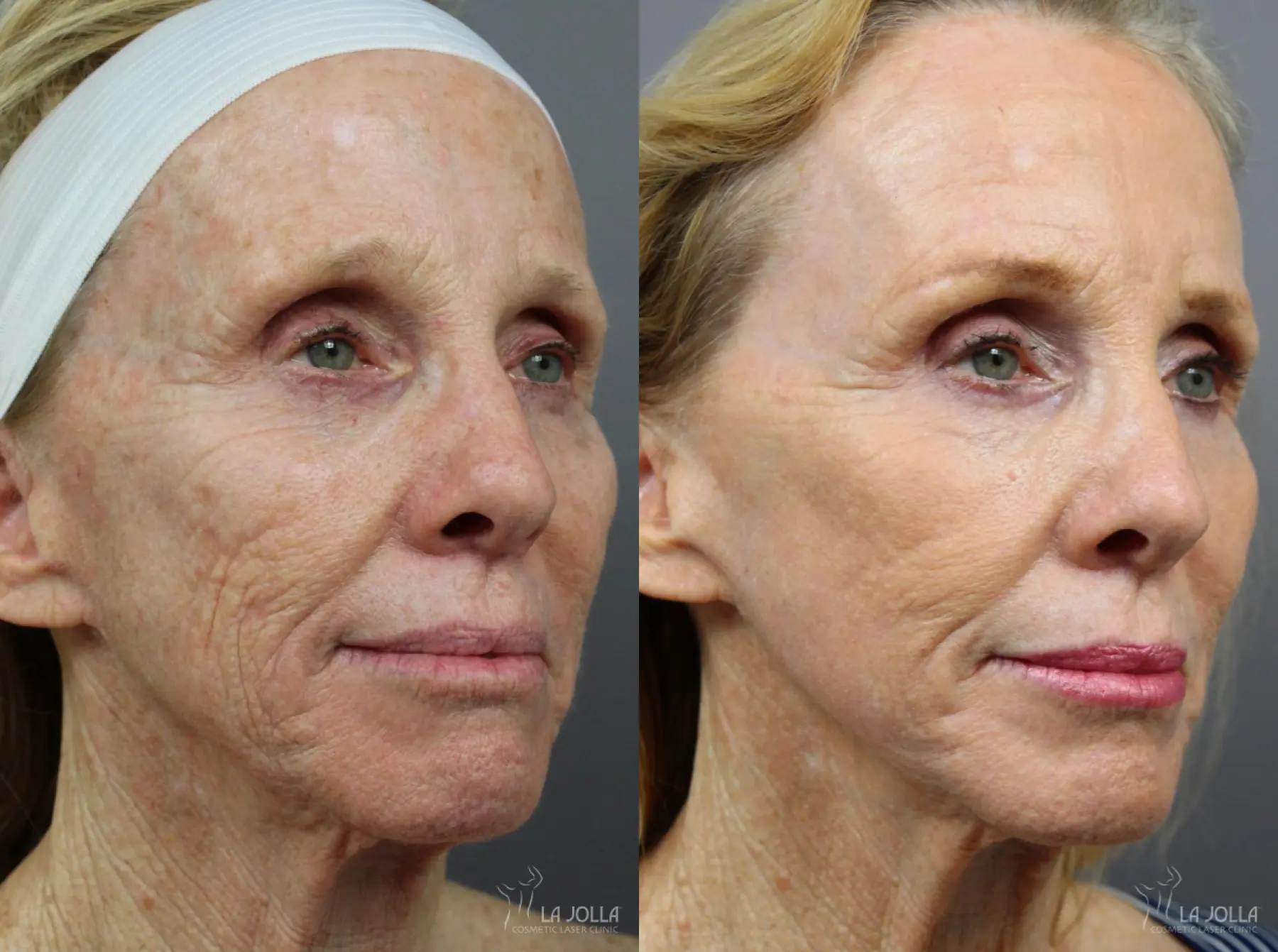
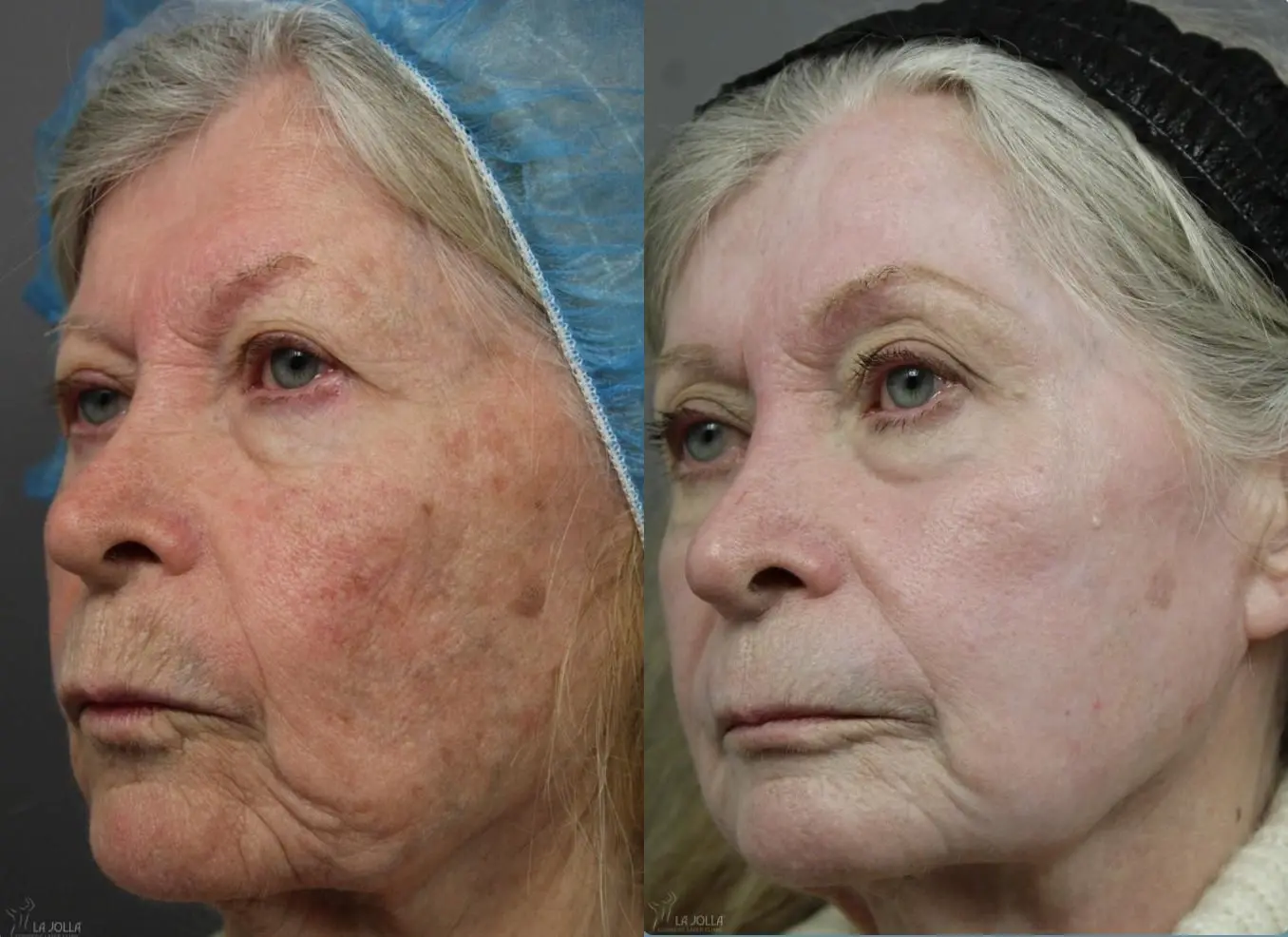
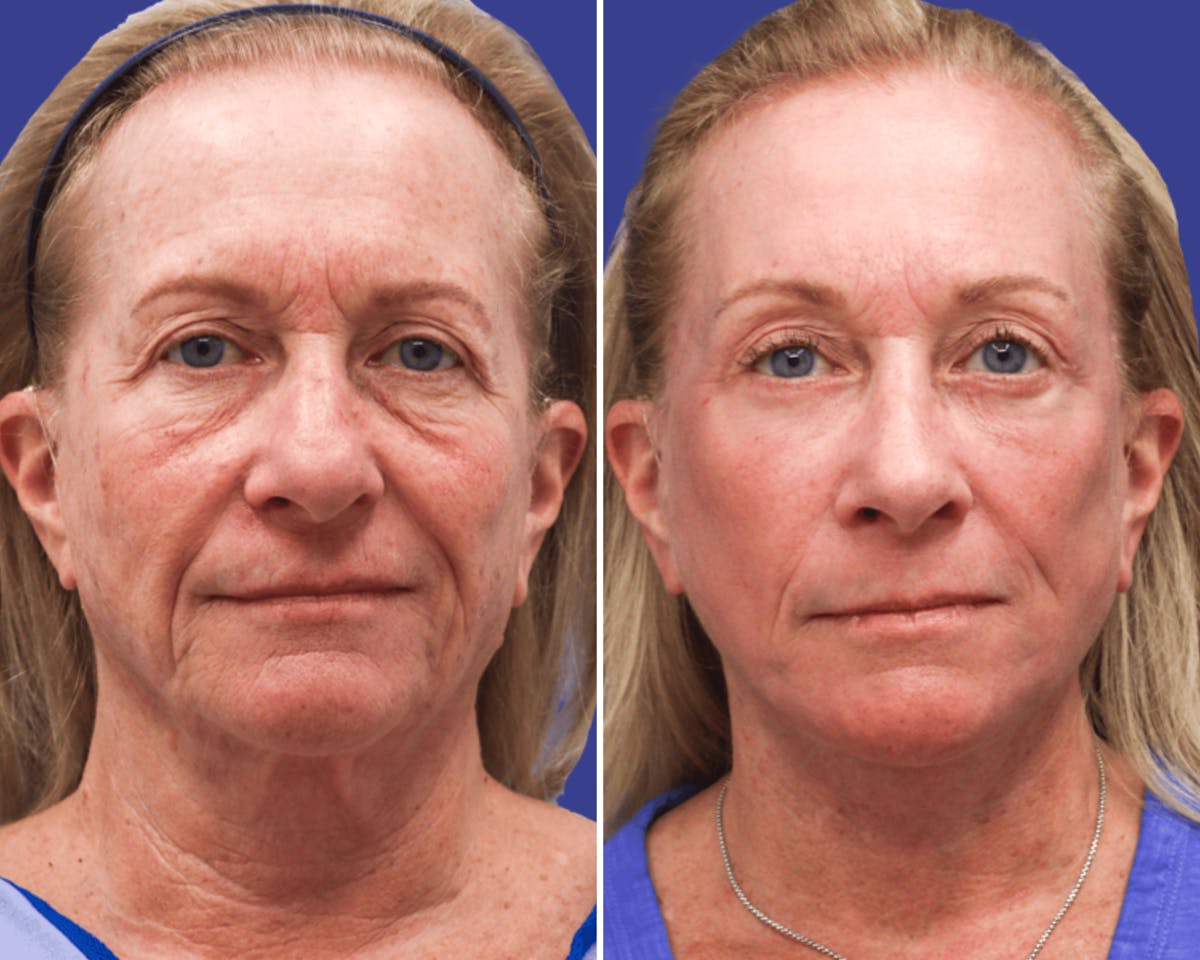
- Pronounced softening of stubborn perioral (around the mouth) and periorbital (crow's feet) lines.
- Dramatic reduction in solar freckling, hyperpigmentation spots, and precancerous actinic damage.
- Measurable tightening of facial contours due to dermal collagen matrix contraction.
- Smoother, refined skin texture and smaller apparent pore size.
Longevity of Results
While laser resurfacing turns back the clock biologically, it does not stop the aging process. Results from a deep ablative CO2 procedure can last anywhere from 3 to 5 years or longer, depending on individual lifestyle choices. Maintaining results requires diligent daily broad-spectrum sun protection, quality skincare routines (including retinoids and antioxidants), and avoiding smoking or excessive sun exposure.
Estimated Financial Investment
The cost of CO2 laser resurfacing varies significantly based on provider qualifications, geographic region, treatment intensity, and whether adjacent areas (such as the neck and chest) are included:
- Full-Face Fractional CO2: $1,500 to $3,500 per session.
- Deep Fully Ablative CO2 (with Sedation): $3,500 to $7,000+ per session.
- Combination Protocols (Laser + TCA Peel / Neck / Chest): $5,000 to $10,000+.
Frequently Asked Questions
Is CO2 laser resurfacing painful during and after treatment?
During the procedure, pain is managed effectively using topical anesthetics, regional nerve blocks, oral sedatives, or intravenous twilight anesthesia. Post-procedure, patients experience a sensation akin to severe sunburn for the first 24 to 48 hours, which is typically managed with cool compresses, prescribed analgesics, and soothing topical barrier ointments.
How long does the severe redness last after a deep CO2 laser?
Acute redness and oozing last approximately 5 to 7 days. Once the compromised skin sheds and re-epithelialization occurs (around Days 8 to 14), skin transitions to a bright pink hue. This pinkness gradually fades over 4 to 12 weeks, depending on skin sensitivity, laser settings, and adherence to proper post-care.
Can individuals with darker skin tones safely get CO2 laser resurfacing?
CO2 lasers carry higher risks of causing post-inflammatory hyperpigmentation (PIH) or permanent hypopigmentation (loss of pigment) in individuals with darker skin tones (Fitzpatrick Skin Types IV–VI). Patients with higher melanin levels are often better candidates for non-ablative fractionated lasers, radiofrequency microneedling, or carefully controlled chemical peels.
What is the main difference between a CO2 laser and a Erbium (Er:YAG) laser?
Both are ablative lasers, but they target water molecules at different absorption levels. Er:YAG lasers absorb into water much more rapidly than CO2 lasers, causing precise superficial ablation with less surrounding thermal heat. CO2 lasers produce significantly more heat depth, which promotes greater dermal contraction and collagen remodeling for deeper wrinkles, but requires longer recovery periods.
When can patients resume wearing makeup after CO2 laser treatment?
Makeup must not be applied until the epidermal barrier has fully closed—meaning all weeping, open wounds, and active peeling have resolved completely. For most patients undergoing fractional or ablative CO2 resurfacing, this occurs between Days 10 and 14. Applying cosmetic products to open or raw skin introduces high risks of bacterial infection and permanent tattooing of pigments.
Final Guidance: Preparing for High-Intensity Skin Resurfacing
Tamra Judge’s public journey following deep CO2 laser resurfacing demonstrates both the high potential rewards and the intensive healing demands of advanced aesthetic procedures. If you are considering deep laser resurfacing, follow these core steps:
- Schedule a Consultation with a Credentialed Specialist: Choose a board-certified dermatologist or facial plastic surgeon with extensive experience operating ablative lasers.
- Plan for Mandatory Social Downtime: Clear your schedule for at least 7 to 14 days following fully ablative treatments. Avoid work commitments, public events, physical exercise, and heat exposure during this early wound-healing phase.
- Commit to Strict Pre- and Post-Treatment Regimens: Follow all prescribed antiviral medications, execute scheduled acetic acid soaks meticulously, keep tissue thoroughly occluded, and protect your healing skin from sun exposure.
Image Gallery