A Comprehensive Guide to Buying and Using Whole Foods Chia Seeds in 2026
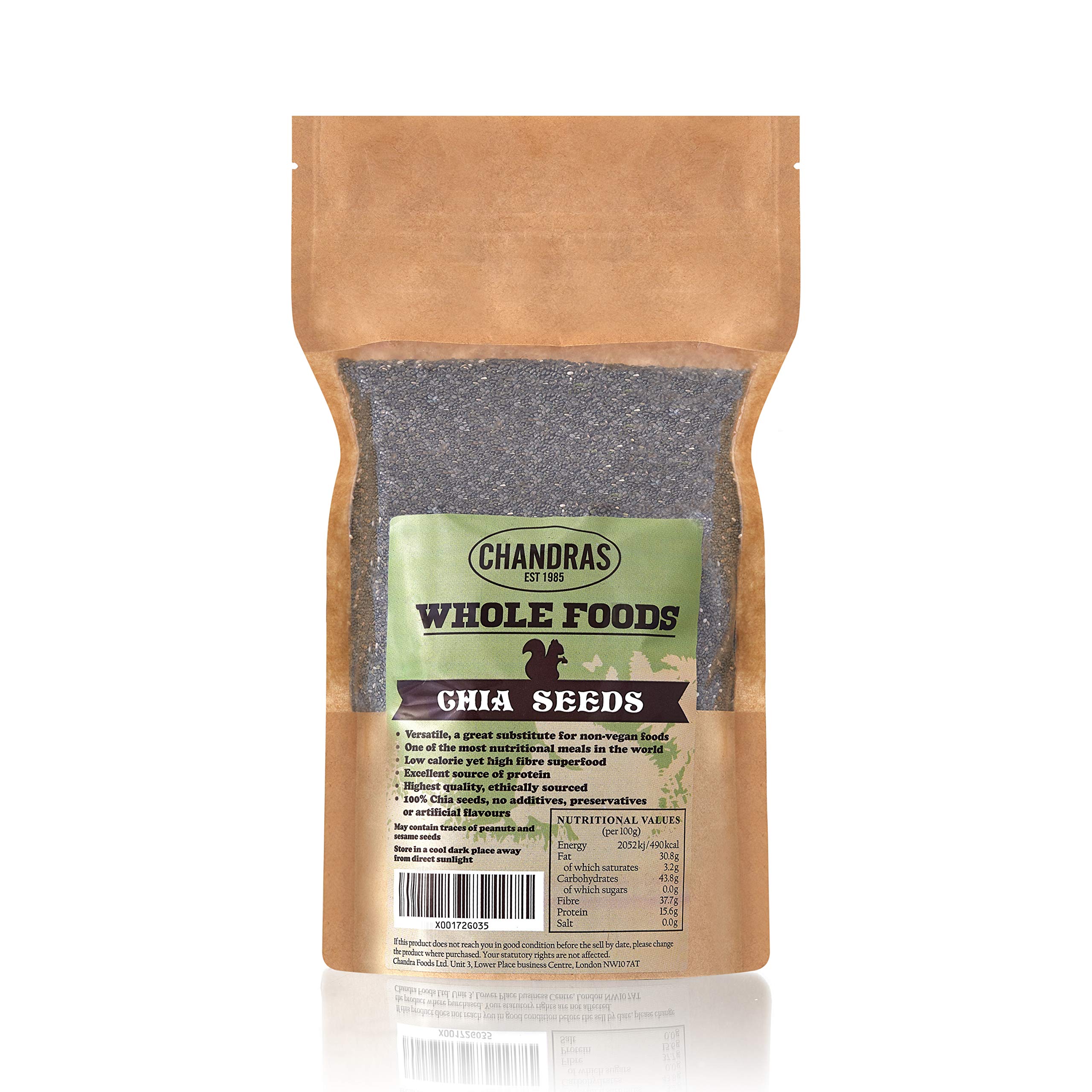
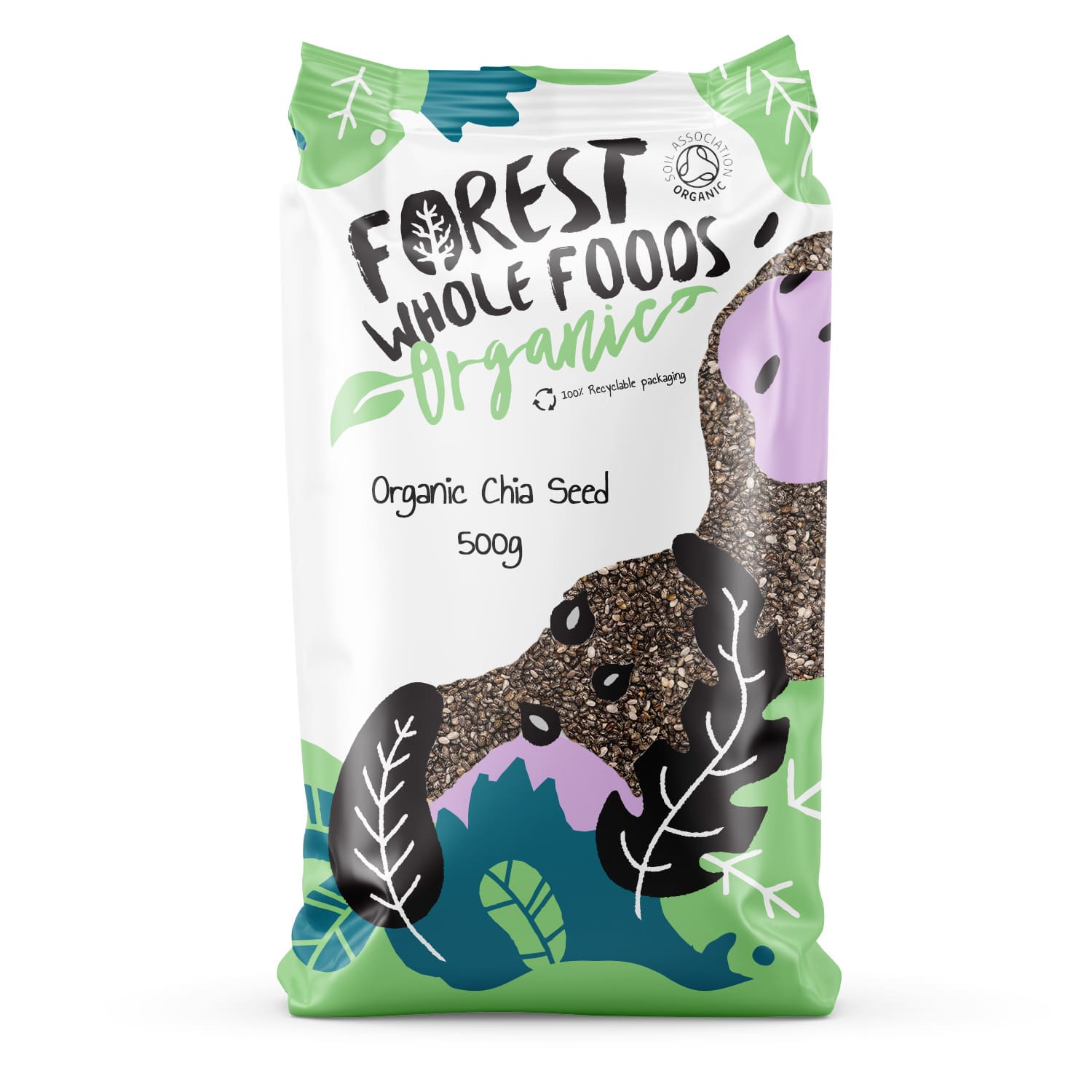
Whole Foods Market offers a diverse selection of chia seeds, primarily under its high-quality 365 brand, featuring organic, conventional, black, white, and milled varieties. Known for meeting rigorous ingredient standards, these nutrie...
Whole Foods Market offers a diverse selection of chia seeds, primarily under its high-quality 365 brand, featuring organic, conventional, black, white, and milled varieties. Known for meeting rigorous ingredient standards, these nutrient-dense seeds provide essential Omega-3 fatty acids, fiber, and plant-based protein, making them a staple for health-conscious shoppers looking for reliable, sustainably sourced superfoods.
Contents
Chia seeds (Salvia hispanica) have transitioned from a niche health food to a mainstream pantry essential. As of 2026, Whole Foods Market continues to be a primary destination for consumers seeking these tiny but mighty seeds. Whether you are navigating the aisles for the first time or are a seasoned "chia head," understanding the nuances of the products available at Whole Foods—ranging from sourcing standards to culinary applications—is key to maximizing your investment in your health.
Understanding the Chia Seed Varieties at Whole Foods
When you enter the baking or "superfood" aisle at Whole Foods, you will likely encounter several different types of chia seeds. While they all originate from the same plant species, their processing and color can influence your cooking results.
Black vs. White Chia Seeds
The most common question shoppers ask is whether there is a nutritional difference between the black and white chia seeds found in the 365 by Whole Foods Market line. Nutritionally, the differences are negligible. Both offer high levels of fiber, protein, and Omega-3s.
The primary distinction is aesthetic. Black chia seeds provide a visual pop in light-colored foods like coconut yogurt or vanilla pudding. White chia seeds are often preferred by those who want to "hide" the seeds in baked goods or light-colored smoothies to maintain a uniform appearance. Whole Foods typically stocks both, often in organic versions, allowing shoppers to choose based on the visual requirements of their recipes.
Whole vs. Milled (Ground) Chia Seeds
Whole Foods also offers milled or ground chia seeds. The decision between whole and milled depends on how you intend to use them and your digestive preferences.
- Whole Seeds: These are excellent for creating the "gel" texture required for chia pudding. They have a long shelf life because the protective outer shell remains intact, preventing the delicate oils inside from oxidizing quickly.
- Milled/Ground Seeds: Milled chia seeds are broken down into a fine powder. This form is ideal for adding to flour blends for baking or for individuals who find whole seeds difficult to digest. Because the interior fats are exposed to air, milled chia seeds should ideally be stored in the refrigerator or freezer to prevent rancidity.
The 365 Brand Quality Advantage
The "365 by Whole Foods Market" brand is the cornerstone of the store’s chia seed offering. In 2026, the brand remains a favorite because it adheres to the Whole Foods Market Quality Standards, which prohibit over 230 ingredients commonly found in other grocery products, such as hydrogenated fats and certain artificial preservatives.
Sourcing and Sustainability
Whole Foods prioritizes transparency in its supply chain. Most 365 chia seeds are Non-GMO Project Verified and often carry the USDA Organic seal. This ensures that the seeds were grown without synthetic pesticides or fertilizers, which is particularly important for a crop like chia where the entire seed is consumed.
Furthermore, Whole Foods has historically worked with suppliers who emphasize soil health. Chia is a resilient crop that requires relatively little water compared to other grains and seeds, making it a sustainable choice for environmentally conscious consumers in 2026.
Nutritional Profile of Whole Foods Chia Seeds
To understand why chia seeds are a permanent fixture at Whole Foods, one must look at the density of nutrients packed into a single two-tablespoon serving.
| Nutrient | Amount per 2 tbsp (approx. 28g) | Daily Value (DV) % |
|---|---|---|
| Calories | 138 kcal | 7% |
| Total Fiber | 10g | 35% |
| Protein | 4.7g | 9% |
| Omega-3 (ALA) | 5,000mg | >300% |
| Calcium | 179mg | 13% |
| Magnesium | 95mg | 22% |
| Iron | 2.2mg | 12% |
The Power of Soluble Fiber
One of the standout features of the chia seeds sold at Whole Foods is their high concentration of soluble fiber. When exposed to liquid, the outer layer of the seed forms a mucilaginous gel. This gel can absorb up to 10–12 times its weight in water. This property is not just a culinary trick; it helps slow digestion and promotes a feeling of fullness, which is why chia is frequently recommended by nutritionists at Harvard for weight management and blood sugar stability.
Omega-3 Fatty Acids
Chia seeds are one of the richest plant-based sources of alpha-linolenic acid (ALA), a type of Omega-3 fatty acid. While ALA must be converted by the body into EPA and DHA (the forms found in fish oil), it still plays a vital role in heart health and reducing systemic inflammation.
Practical Applications: How to Use Your Purchase
Buying the seeds is only the first step; knowing how to incorporate them into a 2026 lifestyle is where the value lies.
The Classic Chia Pudding
This is the most popular use for Whole Foods chia seeds. The standard ratio is 1 part chia seeds to 4 parts liquid.
- Combine 1/4 cup of 365 Organic Chia Seeds with 1 cup of almond or oat milk.
- Add a sweetener (like maple syrup) and a splash of vanilla extract.
- Stir thoroughly, wait 5 minutes, and stir again to prevent clumping.
- Refrigerate for at least 2 hours or overnight.
The Vegan "Chia Egg"
For those following a plant-based diet, chia seeds are an essential baking substitute for eggs. To replace one large egg:
- Mix 1 tablespoon of milled chia seeds with 3 tablespoons of water.
- Let it sit for 5–10 minutes until it reaches a thick, jelly-like consistency.
- Use it in muffins, pancakes, or cookies. Note that chia eggs do not provide the same "lift" as poultry eggs, so they are best for dense baked goods.
Smoothies and Toppings
If you prefer not to have a gelatinous texture, you can simply sprinkle whole seeds onto salads, avocado toast, or Greek yogurt. When added to a smoothie, it is best to drink the beverage immediately before the seeds begin to swell and thicken the liquid.
Pricing and Availability in 2026
In 2026, the cost of chia seeds at Whole Foods remains stable due to increased global production and efficient supply chains. While prices vary by region, a standard 12-ounce or 15-ounce bag of 365 Organic Black Chia Seeds typically ranges between $5.99 and $7.49.
For the most cost-effective option, check the Bulk Department. Buying chia seeds from the bulk bins allows you to purchase exactly the amount you need, reducing food waste and often saving 10-15% compared to the pre-packaged versions. In 2026, many Whole Foods locations have updated their bulk sections with digital scales and eco-friendly dispensing systems to ensure hygiene and accuracy.
Storage and Shelf Life
Because chia seeds contain high levels of delicate fats, proper storage is essential to prevent them from going rancid.
- Whole Seeds: When kept in a cool, dark pantry in an airtight container, whole chia seeds can last for 2 to 3 years. The natural antioxidants in the seeds help preserve the fats.
- Milled Seeds: Once the shell is broken, the oils are vulnerable. Milled seeds should be stored in the refrigerator (where they last about 6-9 months) or the freezer (where they can last up to a year).
- Prepared Pudding: If you have already made chia pudding, it should be consumed within 5 days when stored in the refrigerator.
Comparison of Whole Foods Chia Seed Options
| Product Name | Best For | Typical Format | Organic Available? |
|---|---|---|---|
| 365 Organic Black Chia | All-purpose use, puddings | 15 oz Bag / Bulk | Yes |
| 365 Organic White Chia | Baking, light-colored foods | 15 oz Bag | Yes |
| 365 Milled Chia Seeds | Smoothies, egg sub, baking | 12 oz Bag | Yes |
| Navitas Organics Chia | Premium sourcing, gift sets | 8 oz - 16 oz Bag | Yes |
Frequently Asked Questions
Do Whole Foods chia seeds need to be washed before use?
No, chia seeds do not require washing. In fact, washing them before you are ready to use them will trigger the gelling process, making them impossible to dry out. They are cleaned and processed during packaging to be "ready-to-eat" straight from the bag.
Are all chia seeds at Whole Foods gluten-free?
Chia seeds are naturally gluten-free. However, if you have a severe allergy or Celiac disease, you should look for the certified gluten-free label on the 365 packaging. This ensures the seeds were processed in a facility that prevents cross-contamination with wheat, barley, or rye.
Can I eat chia seeds dry?
Yes, you can eat them dry, but it is important to drink plenty of water. Because chia seeds absorb so much liquid, consuming large amounts of dry seeds without adequate hydration can lead to digestive discomfort or, in rare cases, esophageal blockage if they expand prematurely.
What is the difference between Whole Foods chia and "Chai" seeds?
This is a common typographical confusion. Chia refers to the nutrient-dense seed from the Salvia hispanica plant. Chai is a type of spiced tea from India. They are entirely different products, though many people enjoy adding chia seeds to their iced chai lattes for added texture.
Does Whole Foods sell sprouted chia seeds?
Yes, some Whole Foods locations carry sprouted chia seeds from brands like Go Raw or Living Intentions. Sprouting is a process that may increase the bioavailability of certain nutrients and make the seeds easier for some people to digest, though they typically come at a higher price point than the standard 365 varieties.
Final Recommendation
When shopping for whole foods chia seeds, the most balanced choice for value and quality is the 365 Organic Black Chia Seeds. They offer the best price-per-ounce while meeting the store's stringent organic and non-GMO requirements. For optimal results, buy them whole and use a high-speed blender or spice grinder if a recipe specifically calls for a milled texture, as this ensures the freshest flavor and highest nutrient retention. Always store your seeds in an airtight container away from direct sunlight to maintain their integrity through 2026 and beyond.
Image Gallery