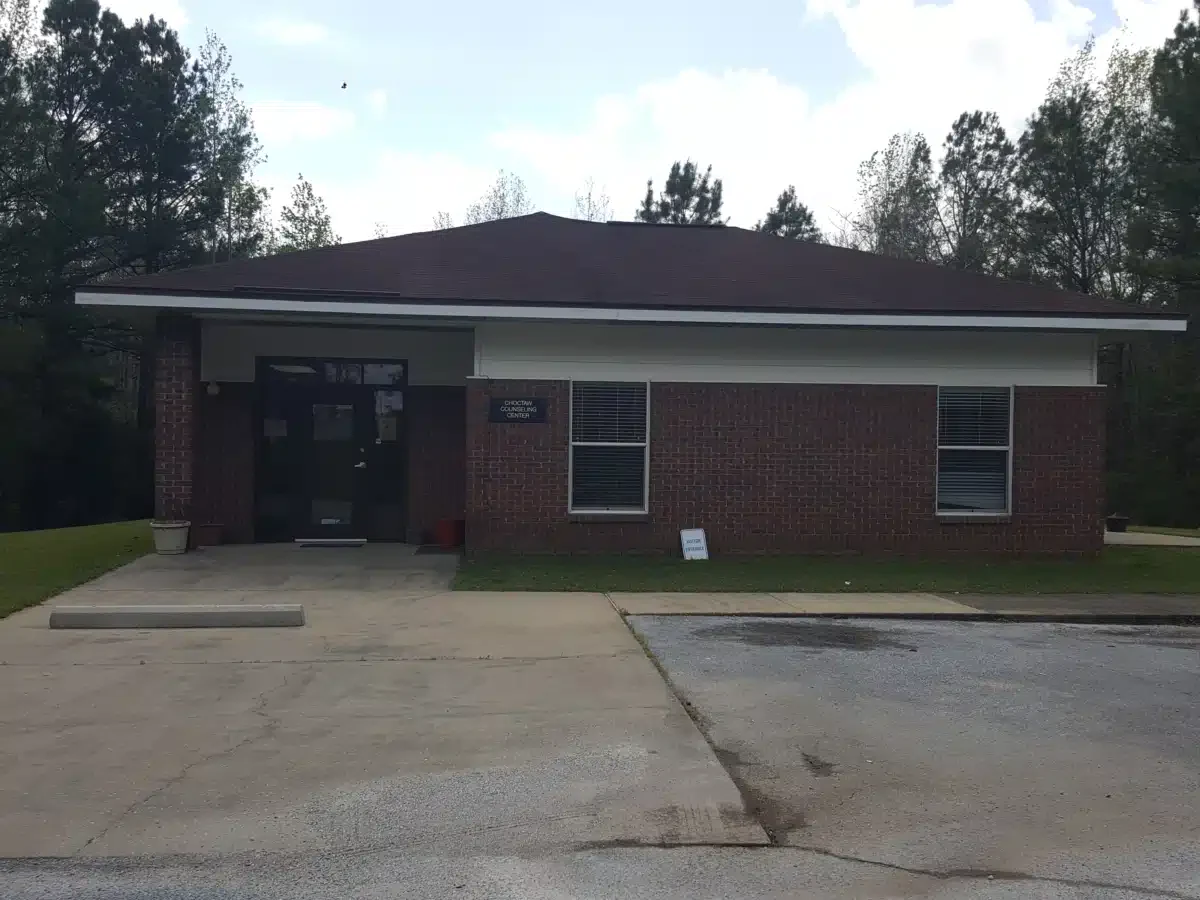
The Role of Craddock Health Center in Alabama Health Care
Craddock Health Center serves as an essential healthcare resource within Alabama, providing targeted medical services, community health support, and specialized care access to local populations. Operating within the broader framework o...
Craddock Health Center serves as an essential healthcare resource within Alabama, providing targeted medical services, community health support, and specialized care access to local populations. Operating within the broader framework of Alabama's public and private health networks, the center bridges gaps in medical delivery, particularly for underserved, rural, or economically vulnerable demographics who might otherwise face severe barriers to obtaining continuous, high-quality treatment.
Contents
Understanding the Landscape of Alabama Health Care
Alabama’s healthcare system presents unique challenges and structural demands. A significant portion of the state's population resides in rural areas where physician shortages, hospital closures, and limited transportation options restrict timely access to medical care. According to reports from the Alabama Department of Public Health (ADPH) and the Kaiser Family Foundation (KFF), several counties across the state are classified as Health Professional Shortage Areas (HPSAs) for primary care, dental health, and mental health services.
In this environment, community-based facilities and specialized health centers are vital components of the medical infrastructure. They function not merely as alternative treatment sites, but as primary access points that alleviate strain on overburdened emergency departments and provide preventative care education. Craddock Health Center operates within this ecosystem by addressing regional health disparities, offering localized diagnostic services, and supporting chronic disease management for populations experiencing high rates of diabetes, hypertension, and cardiovascular disease.
Core Services and Clinical Offerings
The operational scope of Craddock Health Center is designed to meet the immediate and ongoing medical needs of its patient base. While service availability can vary depending on specific institutional affiliations and grant funding cycles, community health facilities of this caliber generally focus on a core set of outpatient disciplines.
Primary and Preventative Care
Preventative medicine forms the foundation of community health interventions. Craddock Health Center emphasizes early detection and routine wellness maintenance through:
- Routine Physical Examinations: Annual wellness visits for adults and pediatric care schedules for children.
- Immunizations and Vaccinations: Administration of standard childhood vaccines, annual influenza shots, and other recommended immunizations based on Centers for Disease Control and Prevention (CDC) guidelines.
- Chronic Disease Screening: Monitoring blood pressure, blood glucose levels, cholesterol, and body mass index (BMI) to intercept conditions like type 2 diabetes and hypertension before acute complications arise.
Specialized Health Support and Diagnostic Services
Beyond basic primary care, facilities operating within regional health networks often provide or coordinate specialized interventions. This includes basic laboratory testing, such as blood draws and urinalysis, as well as diagnostic imaging coordination. For patients requiring complex specialty care—such as oncology, cardiology, or endocrinology—institutions like Craddock Health Center frequently act as a referral hub, connecting patients with larger regional medical centers while providing local post-treatment follow-up and medication management.
Accessibility, Patient Eligibility, and Financial Considerations
Accessing care at community-oriented health centers typically involves navigating specific administrative and financial guidelines designed to ensure that low-income and uninsured residents receive necessary treatment.
| Feature / Consideration | Standard Community Health Center Model | Craddock Health Center Alignment |
|---|---|---|
| Primary Payment Accepted | Medicaid, Medicare, Private Insurance, Uninsured | Accepts major insurance plans and offers financial counseling |
| Fee Structure | Often utilizes sliding-fee scales based on Federal Poverty Level (FPL) | Provides accessible billing structures for qualifying low-income patients |
| Appointment Policy | Both scheduled appointments and limited walk-in availability | Prioritizes continuity of care through scheduled primary visits |
| Geographic Focus | Underserved urban or rural populations | Serves specific regional patient demographics in Alabama |
Patients seeking care are generally advised to verify their insurance coverage or inquire about sliding-fee scale eligibility prior to their appointment. Bringing necessary documentation, such as proof of household income, valid photo identification, and active insurance cards, streamlines the registration process and ensures accurate billing adjustments where applicable.
Comparative Overview: Community Health Centers vs. Traditional Hospital Systems
To understand the specific niche occupied by Craddock Health Center, it is helpful to examine how community-focused medical facilities differ from large hospital networks and private practices.
- Scope of Operation: Hospital systems are typically equipped for emergency interventions, surgical procedures, and intensive inpatient care. Craddock Health Center focuses primarily on outpatient care, preventative services, and routine management.
- Patient Demographics: While hospitals serve all segments of the population on an emergency basis, community health centers explicitly prioritize outreach to vulnerable, uninsured, or underinsured populations who lack a dedicated medical home.
- Cost Efficiency: Outpatient community clinics generally operate at a lower cost per patient visit than hospital emergency rooms, making them a more sustainable option for non-emergent health management and reducing overall healthcare expenditure burdens within the state.
Addressing Regional Health Disparities
Alabama consistently ranks in the lower tier of national health outcomes, particularly regarding chronic illness rates, infant mortality, and life expectancy. Facilities like Craddock Health Center implement targeted strategies to combat these trends through health education and direct clinical intervention.
By embedding health literacy programs into routine patient interactions, these centers empower individuals to take an active role in managing their conditions. Educational initiatives often cover nutritional counseling, smoking cessation programs, and physical activity guidance tailored to individuals with limited mobility or resources. Furthermore, addressing social determinants of health—such as transportation barriers, food insecurity, and housing instability—remains a critical aspect of comprehensive care delivery in Alabama's vulnerable communities.
Frequently Asked Questions
What types of patients are eligible to receive care at Craddock Health Center?
Services are generally open to all members of the community, regardless of insurance status. Special provisions, including sliding-fee scales, are often available for low-income, uninsured, or underinsured individuals who meet specific financial criteria based on federal poverty guidelines.
Do I need an appointment to visit Craddock Health Center?
While scheduling an appointment in advance is strongly recommended to ensure timely service and reduce wait times, facilities often accommodate urgent primary care needs or direct patients on how to access local urgent care alternatives if specialized immediate intervention is required.
What should I bring to my first appointment?
Patients should bring a valid government-issued photo identification, all current prescription medications or an accurate list of dosages, insurance cards (if applicable), and documentation of household income if applying for sliding-fee scale discounts.
Does Craddock Health Center provide emergency medical services?
No. Community health centers are outpatient facilities and do not possess emergency departments. Individuals experiencing severe medical emergencies, such as chest pain, severe trauma, or acute respiratory distress, should call 911 or visit the nearest hospital emergency room immediately.
How does the center contribute to overall public health in Alabama?
By providing accessible preventative screenings, chronic disease management, and vaccinations, the center helps reduce the prevalence of untreated conditions, decreases reliance on emergency room visits for non-emergent care, and improves overall health literacy across the local population.
Conclusion and Next Actions
Craddock Health Center plays an indispensable role in the Alabama healthcare landscape by delivering accessible, preventative, and patient-centered outpatient care. For individuals seeking to establish a medical home, manage a chronic condition, or secure routine preventative services, engaging with such community-focused facilities represents a vital step toward long-term health and wellness. Prospective patients should contact the facility directly to confirm current operating hours, verify accepted insurance plans, and schedule an initial consultation tailored to their specific medical needs.
Image Gallery