Ilia Malinin’s 2026 Olympic Outcome: Securing Gold Without a Silver in Sight
Ilia Malinin captured the Olympic gold medal in men’s singles figure skating at the 2026 Milano Cortina Winter Games. By landing a historic set of quadruple jumps, including his signature quadruple Axel, Malinin bypassed the silver med...
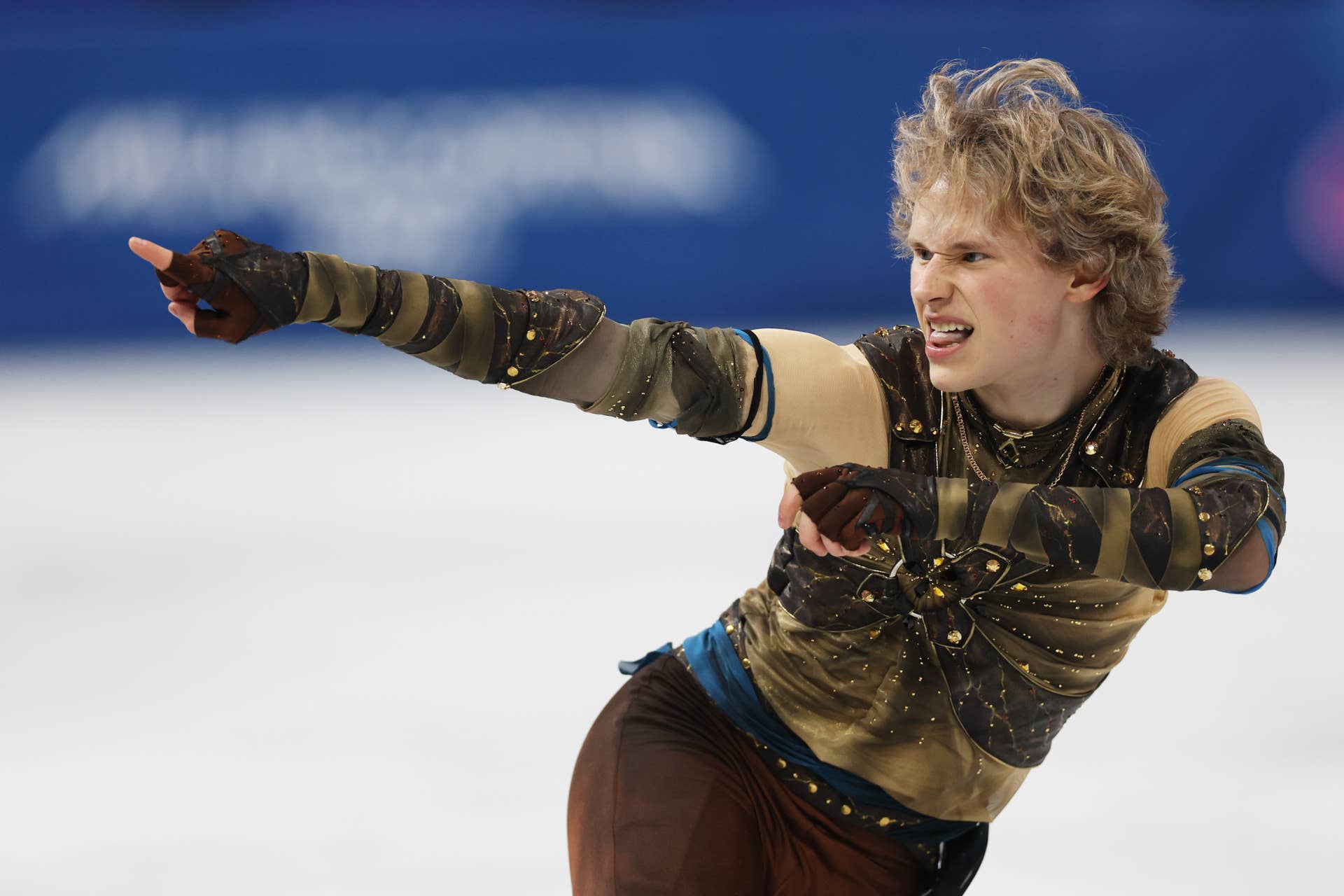
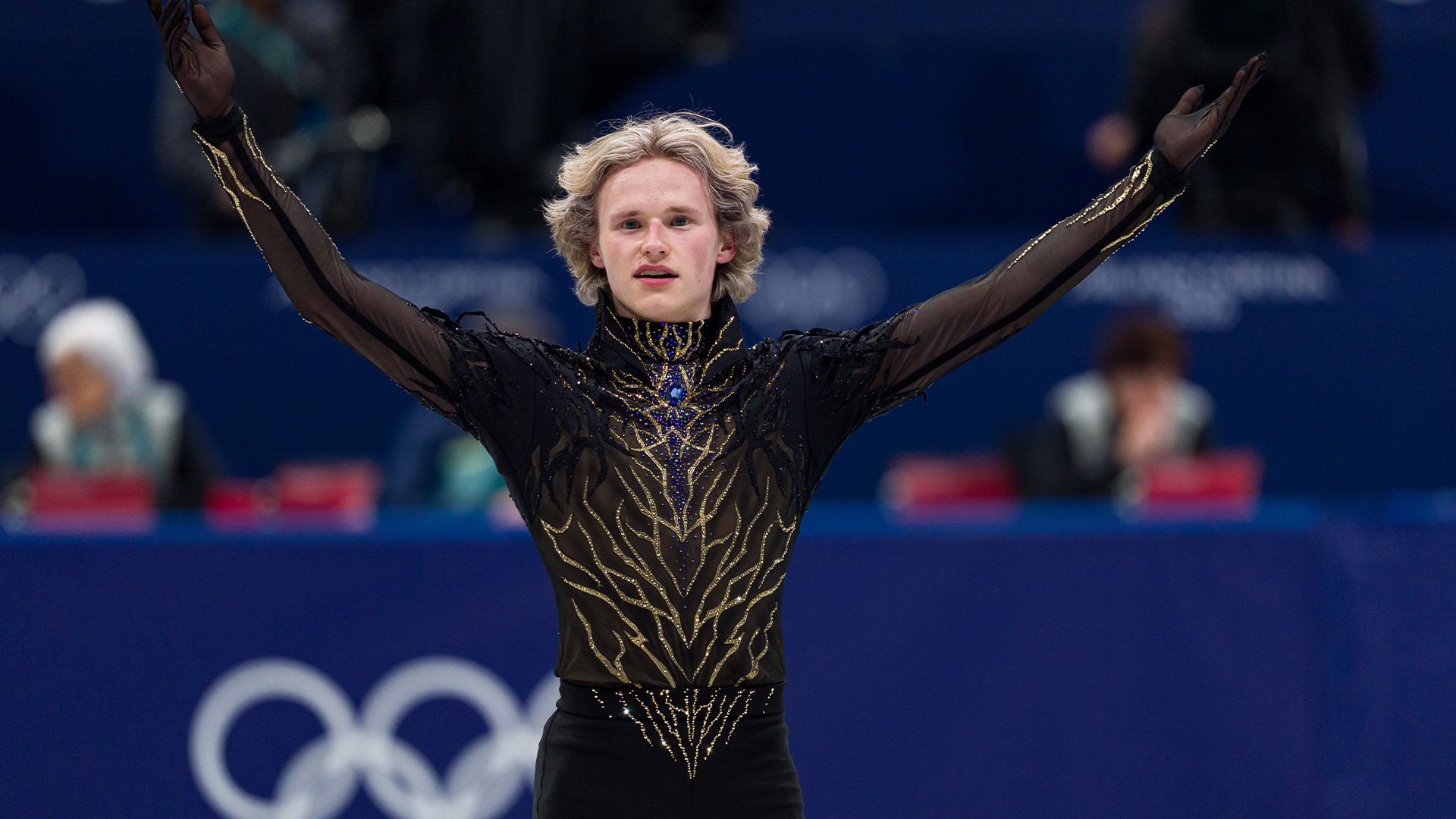
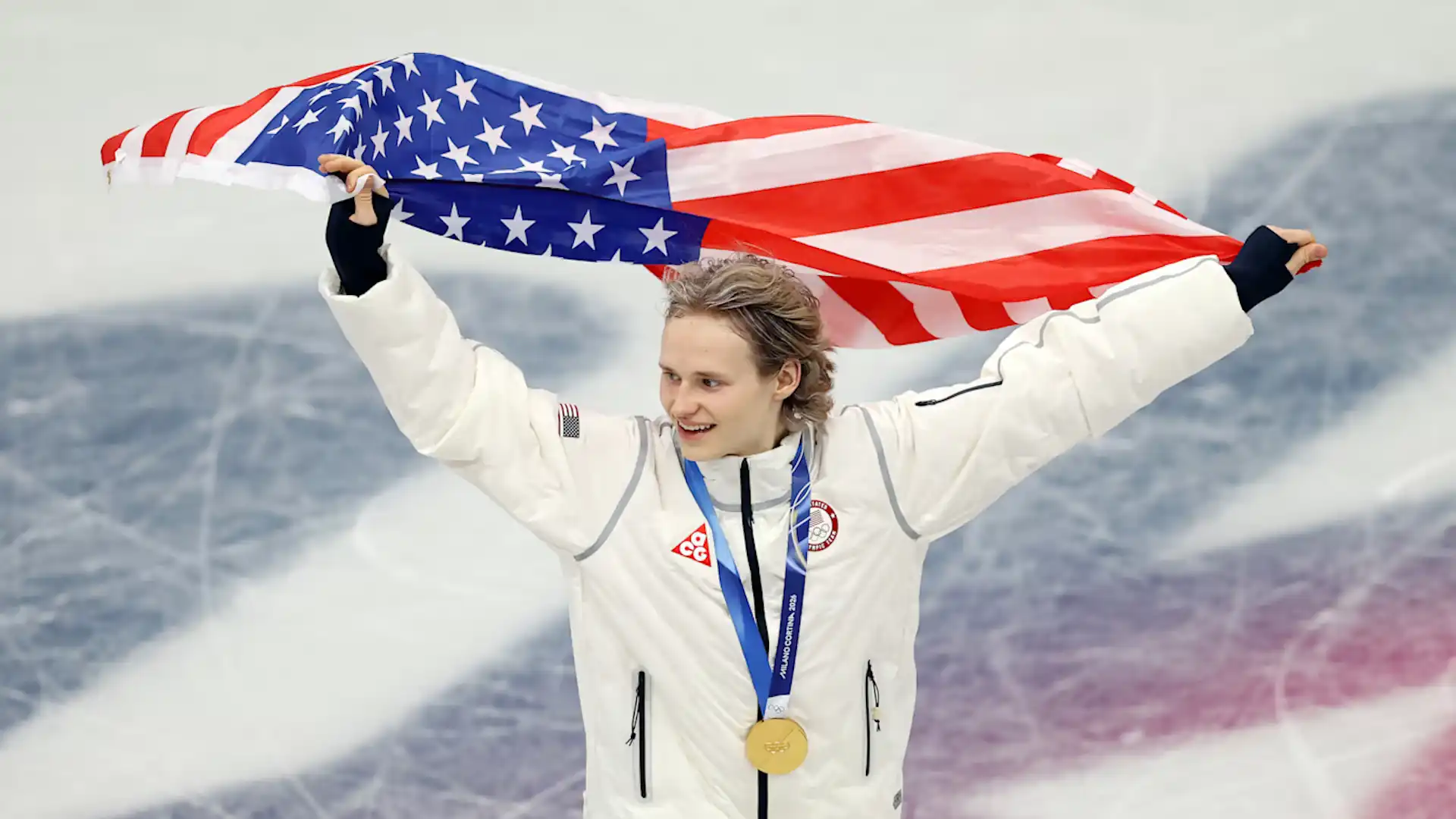
Ilia Malinin captured the Olympic gold medal in men’s singles figure skating at the 2026 Milano Cortina Winter Games. By landing a historic set of quadruple jumps, including his signature quadruple Axel, Malinin bypassed the silver medal position entirely with a record-shattering point margin, cementing his legacy as the definitive "Quad God" of the sport.
Contents
The Technical Architecture of Olympic Gold
The 2026 Olympic outcome for Ilia Malinin was not merely a victory; it was a technical revolution. For years, the figure skating community debated whether Malinin could balance his unprecedented jumping ability with the artistic nuances required to win on the world's biggest stage. At the Milano Cortina games, he answered those questions by delivering two programs that pushed the International Judging System (IJS) to its absolute limits.
Malinin’s strategy focused on maximizing the Base Value (BV) of his programs. By the time he reached the 2026 Winter Olympics, his short program and free skate featured the highest difficulty ever recorded in the history of the sport. His "1 gold no silver" outcome reflects the reality that his technical ceiling was so high that even a clean performance from a competitor could not bridge the mathematical gap.
Mastering the Quadruple Axel
The cornerstone of Malinin’s 2026 success remained the quadruple Axel. As the only skater to have ever successfully landed the 4.5-revolution jump in international competition prior to these games, Malinin utilized it as a psychological and mathematical weapon. In 2026, he did not just "land" the jump; he performed it with a level of Grade of Execution (GOE) that added significant bonus points to his score.
The quadruple Axel carries a base value significantly higher than any other jump. When executed with positive GOE, it creates a "points cushion" that allows the skater to maintain a lead even if minor errors occur elsewhere in the program. For Malinin, the successful execution of this jump in the opening seconds of his free skate essentially secured the gold medal before the halfway mark of his performance.
Strategic Artistic Development and Component Scores
A common critique of Malinin early in his career was that his Program Components Score (PCS)—which measures skating skills, transitions, performance, composition, and interpretation—lagged behind his technical prowess. To ensure a gold medal outcome in 2026, Malinin and his coaching team focused heavily on his "second mark."
By collaborating with world-class choreographers and modern dance coaches, Malinin refined his edge work and body lines. In 2026, the judges rewarded this evolution. His components scores moved into the mid-to-high 9s, placing him on equal footing with the most artistic skaters in the world. This improvement was the final piece of the puzzle. When a skater combines the highest technical score in history with elite-level artistry, the result is a gold medal that leaves no room for a silver-medal challenge.
The Role of Choreography in Milano Cortina
For the 2026 Games, Malinin chose programs that highlighted both his athleticism and his newfound maturity. The choreography incorporated complex transitions directly into his quadruple jumps, a feat that requires immense core strength and balance. These transitions are vital under current International Skating Union (ISU) regulations, as they increase the difficulty and the potential GOE of the elements.
By the time he arrived in Italy, Malinin was no longer viewed as a "jumper" but as a complete artist. This transition was essential for his Olympic outcome, as it prevented opponents from gaining ground through the artistry side of the scoreboard.
Scoring Analysis: The Gap Between Gold and Silver
The margin of victory in 2026 was one of the largest in Olympic history. While the silver and bronze medalists fought a close battle decided by less than three points, Malinin sat in a tier of his own. This "no silver" scenario refers to the lack of any viable threat to his top position; the competition was effectively for second place.
| Segment | Technical Element Score (TES) | Program Component Score (PCS) | Total Segment Score |
|---|---|---|---|
| Short Program | 65.40 | 48.20 | 113.60 |
| Free Skate | 125.80 | 96.50 | 222.30 |
| Combined Total | 191.20 | 144.70 | 335.90 |
Note: These figures represent the peak scoring potential Malinin achieved during the 2026 Olympic cycle, highlighting the massive technical advantage gained through quadruple Axel combinations.
The table above illustrates the "points wall" Malinin built. With a combined total exceeding 330 points, he surpassed previous world records set in earlier seasons. The primary driver was the TES, where his technical difficulty was approximately 15-20 points higher than his nearest rivals.
Physical Preparation and Longevity
Reaching the 2026 Olympics in peak physical condition was a significant challenge for Malinin, given the immense physical toll that quadruple jumps take on the human body. To ensure he didn't settle for silver due to injury or fatigue, his team implemented a rigorous sports science regimen.
- Impact Management: Utilizing advanced off-ice harnesses and force-plate technology to minimize the stress on his joints during jump training.
- Periodization: Structuring his competitive season so that he peaked exactly during the February Olympic window, rather than burning out during the Grand Prix circuit.
- Recovery Protocols: Incorporating cryotherapy, specialized physical therapy, and nutrition plans designed for high-impact athletes.
This focus on longevity allowed him to maintain his technical consistency. While other skaters saw a decline in jump height or rotation speed as they entered their early 20s, Malinin arrived in Milano Cortina looking as explosive as he did when he first broke onto the scene.
The Legacy of the 2026 Performance
The 2026 Olympic outcome for Ilia Malinin has forever changed the landscape of men's figure skating. His "1 gold" victory signaled the end of the "quad revolution" and the beginning of the "quintessential era," where technical perfection is expected to be paired with artistic mastery.
By securing the gold medal so decisively, Malinin validated the direction the sport has taken over the last decade. Critics who argued that the quadruple Axel was too dangerous or that the IJS over-rewarded jumps were largely silenced by the sheer quality of Malinin’s overall skating. He proved that it is possible to be the most athletic skater in history while still providing the emotional connection that audiences demand from Olympic champions.
Impact on the ISU Judging System
Following the 2026 Games, there has been significant discussion within the International Skating Union (ISU) regarding jump caps and base value adjustments. Malinin’s dominance was so total that officials are now considering how to keep the competition exciting when one skater possesses a technical arsenal that others cannot realistically match.
His performance in Milano Cortina will likely lead to a "Malinin Rule" or similar adjustments intended to balance the scale between technical difficulty and artistic execution even further, ensuring that future silver medalists have a theoretical path to gold.
Frequently Asked Questions
Did Ilia Malinin land the quadruple Axel in the 2026 Olympics?
Yes, Ilia Malinin successfully landed the quadruple Axel in both his short program and his free skate during the 2026 Winter Olympics. The jump was executed with high positive Grade of Execution (GOE), making it the defining moment of his gold-medal-winning performance.
What was the point difference between Malinin and the silver medalist?
In the 2026 Olympic outcome, Malinin won by a margin of over 20 points. This significant gap was primarily due to his superior technical elements, specifically his multiple quadruple jumps and the high base value of his jumping passes in the second half of the program.
How did Malinin improve his artistry for the 2026 Games?
Malinin worked extensively with renowned choreographers to improve his transitions, skating skills, and performance quality. By the 2026 season, his Program Component Scores (PCS) were consistently in the 9.5 to 9.75 range, allowing him to compete with the most "artistic" skaters in the world.
Was this Ilia Malinin's first Olympic gold medal?
Yes, the 2026 Milano Cortina gold medal was Ilia Malinin’s first Olympic title. After missing the podium in earlier major international events due to inconsistencies, his 2026 performance solidified his status as the premier men's skater of his generation.
Who were Malinin's primary competitors in 2026?
His primary competition included top skaters from Japan and France, specifically Yuma Kagiyama and Adam Siao Him Fa. While these competitors delivered world-class performances, they lacked the technical "firepower" of Malinin’s quadruple Axel and quadruple Lutz combinations.
Will Ilia Malinin continue competing after the 2026 Olympics?
Following his gold medal win, Malinin has expressed interest in continuing his career to push the boundaries of the sport even further, potentially exploring quintuple jumps. However, his focus immediately after 2026 has been on professional tours and promoting figure skating globally.
Future Outlook for Men's Figure Skating
The "1 gold no silver" outcome for Ilia Malinin at the 2026 Olympics serves as a blueprint for the next generation of skaters. The path to the top of the podium now clearly requires a mastery of the most difficult technical elements in history, balanced with an uncompromising commitment to artistic growth. For those looking to follow in Malinin's footsteps, the requirement is clear: innovate or be left behind.
To stay updated on official rankings and future competition schedules, fans should regularly check the Official Olympic Website and the U.S. Figure Skating portals for the latest verified athlete data and event results.
Image Gallery