Where Is the Rothschild Mansion Located? A Global Guide to the Family’s Estates
The Rothschild family does not have a single "mansion"; instead, they established a vast network of palatial estates across Europe, primarily in England, France, Austria, and Switzerland. The most famous and accessible Rothschild mansi...
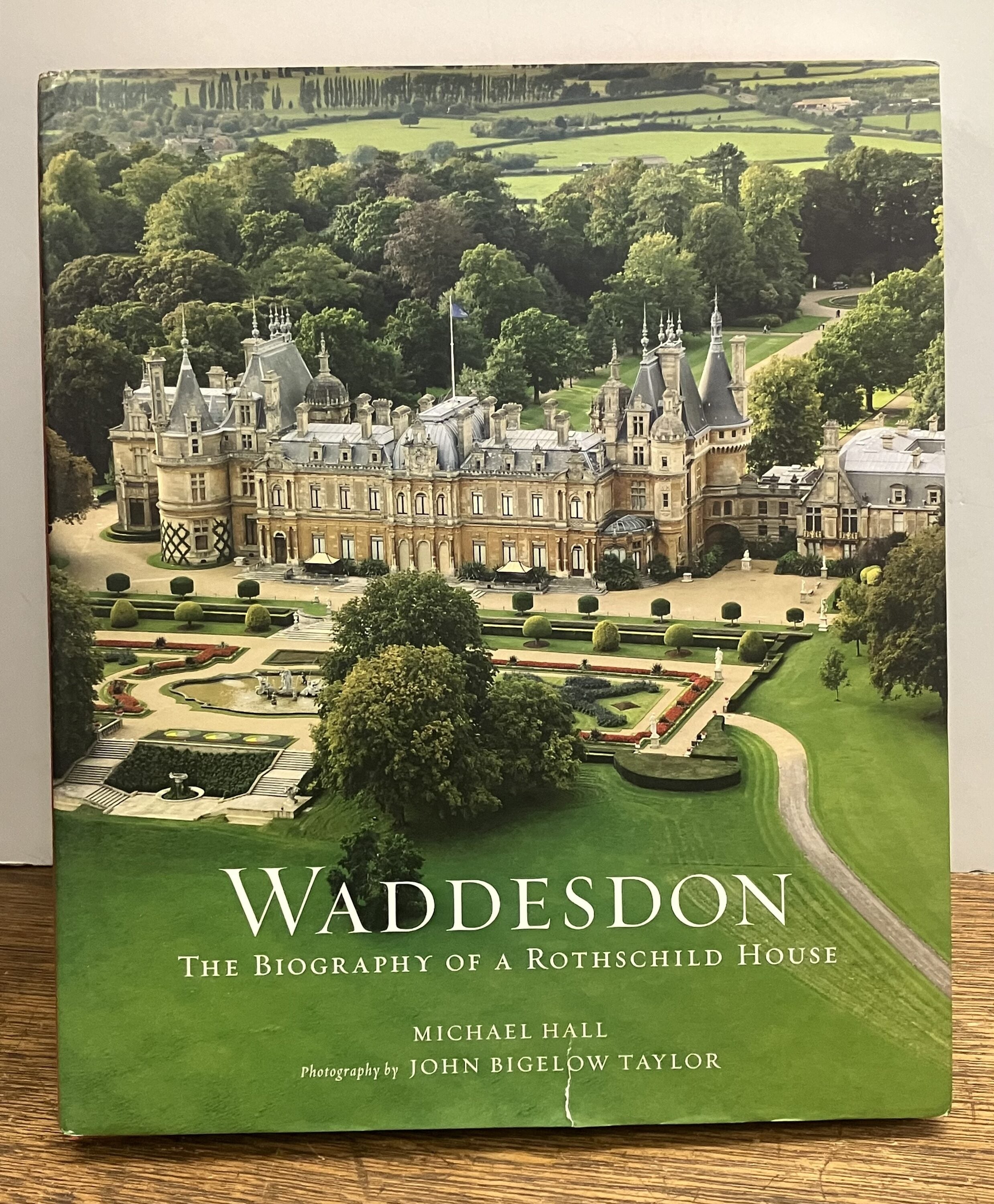
The Rothschild family does not have a single "mansion"; instead, they established a vast network of palatial estates across Europe, primarily in England, France, Austria, and Switzerland. The most famous and accessible Rothschild mansion is Waddesdon Manor, located in Buckinghamshire, England. Other significant locations include the Villa Ephrussi de Rothschild in Saint-Jean-Cap-Ferrat, France, and Château de Ferrières near Paris.
Contents
The Rothschild name has been synonymous with immense wealth and architectural grandeur since the 19th century. To ask where "the" Rothschild mansion is located is to overlook one of the most prolific building sprees in history. At the height of their influence, the various branches of the family—the English, French, Austrian, German, and Italian lines—constructed dozens of residences that defined a specific aesthetic known as le goût Rothschild (the Rothschild style).
As of 2026, many of these properties have transitioned from private family homes to national museums, educational institutions, or luxury hotels, while a select few remain in private hands. This guide details the primary locations of the most significant Rothschild mansions, their historical context, and their current status.
The English Estates: The Buckinghamshire Cluster
The English branch of the family, established by Nathan Mayer Rothschild, concentrated much of their land ownership in Buckinghamshire. This area was chosen for its proximity to London, allowing the family to manage their banking interests in the City while maintaining the lifestyle of country gentry.
Waddesdon Manor (Aylesbury, Buckinghamshire)
Waddesdon Manor is arguably the most recognizable Rothschild property. Built by Baron Ferdinand de Rothschild between 1874 and 1889, the house was designed in the style of a French Renaissance château. Ferdinand wanted a place to house his massive collection of 18th-century French decorative arts and to entertain the elite of Victorian society.
In 2026, Waddesdon Manor is owned by the National Trust but continues to be managed by the Rothschild Foundation. It is located near the village of Waddesdon, about 6 miles west of Aylesbury. Visitors can tour the gardens and the house, which remains one of the most visited historic homes in the United Kingdom.
Mentmore Towers (Mentmore, Buckinghamshire)
Commissioned by Baron Mayer de Rothschild and designed by Joseph Paxton (architect of the Crystal Palace), Mentmore Towers was completed in 1854. It was the first of the great Rothschild houses in the Vale of Aylesbury. Its design is "Jacobethan," mimicking the great prodigy houses of the Elizabethan era.
While it was once a hub of the family’s social life, its status in 2026 is more complex. After being sold by the family in the late 20th century, it has passed through several owners with various plans for hotel conversion. It remains a private site, though its imposing silhouette is a landmark of the Buckinghamshire countryside.
Ascott House (Wing, Buckinghamshire)
Originally a half-timbered farmhouse, Ascott House was transformed by Leopold de Rothschild into a sprawling country residence. Unlike the formal grandeur of Waddesdon, Ascott has a more relaxed, "Old English" feel. It is famous for its extensive collection of Chinese porcelain and Dutch paintings. Like Waddesdon, it is a National Trust property but is still lived in by the family, blending public access with private residency.
The French Estates: Grandeur Near Paris and the Riviera
The French branch, led by James Mayer de Rothschild, built residences that rivaled the royal palaces of the Bourbons. These estates were designed to project power and stability during a century of political upheaval in France.
Château de Ferrières (Ferrières-en-Brie)
Located about 26 kilometers east of Paris, Château de Ferrières was the most lavish of the French Rothschild homes. Built in the mid-19th century, it was famously described by Wilhelm I of Prussia as a place "no King could afford; it could only belong to a Rothschild."
The château features four square corner towers and a central hall illuminated by a glass roof. In 1975, the family gifted the property to the University of Paris. Today, it serves as the Ferrières School, a prestigious institution for hospitality management, though the grounds and architecture remain largely preserved as they were in the 19th century.
Villa Ephrussi de Rothschild (Saint-Jean-Cap-Ferrat)
Perched on the French Riviera, this "mansion" is a rose-colored Venetian-style villa built by Baroness Béatrice de Rothschild. Constructed between 1905 and 1912, the villa is surrounded by nine themed gardens, including Spanish, Japanese, and Florentine styles.
Located at the tip of the Cap Ferrat peninsula, the villa is now a museum managed by the Académie des Beaux-Arts. It offers one of the most complete glimpses into the le goût Rothschild as applied to a Mediterranean setting. It remains open to the public for tours and events in 2026.
Summary of Major Rothschild Mansions
The following table summarizes the primary locations and current functions of the most significant Rothschild properties still standing in 2026.
| Property Name | Location | Primary Architectural Style | Current Status (2026) |
|---|---|---|---|
| Waddesdon Manor | Buckinghamshire, UK | French Renaissance | National Trust Museum |
| Château de Ferrières | Seine-et-Marne, France | Neo-Renaissance | Hospitality School |
| Villa Ephrussi | Saint-Jean-Cap-Ferrat, France | Venetian / Beaux-Arts | Public Museum/Gardens |
| Mentmore Towers | Buckinghamshire, UK | Jacobethan | Private / Development |
| Ascott House | Wing, Buckinghamshire, UK | Tudor / Vernacular | National Trust / Private Home |
| Halton House | Halton, Buckinghamshire, UK | French Châteauesque | RAF Officers' Mess |
| Spencer House | London, UK | Neoclassical | Leased/Events (Rothschild-owned) |
The Viennese Palaces and Urban Residences
In Austria, the Rothschilds were equally influential. They built several "Palais Rothschild" in Vienna, mostly located along the Prinz-Eugen-Straße. However, the fate of the Austrian mansions was significantly different from their English and French counterparts. Following the "Anschluss" in 1938, most of the family’s properties were seized by the Nazi regime.
While some properties, like the Palais Albert Rothschild, were demolished after the war, others were restored. In 2026, many of the remaining Viennese palaces house embassies, government offices, or corporate headquarters.
In London, the family maintained a presence at Spencer House. While not built by the Rothschilds (it was the ancestral home of the Earls Spencer), it was leased by Jacob Rothschild in the late 20th century and meticulously restored. It stands as one of the few remaining private aristocratic palaces in central London and is used for high-level meetings and public tours.
Architectural Significance: "Le Goût Rothschild"
To understand why these mansions are located where they are, one must understand the purpose of their design. The Rothschilds did not just build homes; they built stages for diplomacy and finance.
Common features of a Rothschild mansion include:
- The Central Hall: Often rising two or three stories, designed to impress visitors immediately upon entry.
- Massive Art Collections: The mansions were designed around specific collections of Savonnerie carpets, Sèvres porcelain, and Old Master paintings.
- Technological Innovation: Despite their historical facades, the Rothschilds were early adopters of central heating, electric lighting, and advanced plumbing.
- Elaborate Gardens: Whether the manicured parterres of Waddesdon or the exotic gardens of the Villa Ephrussi, the exterior was as important as the interior.
Frequently Asked Questions
Can you visit the Rothschild mansion in England?
Yes, you can visit several. The most prominent is Waddesdon Manor in Buckinghamshire, which is open to the public year-round for house and garden tours. Ascott House is also open seasonally. It is advisable to book tickets in advance through the National Trust or the specific estate website.
Does the Rothschild family still live in these mansions?
Most of the larger historic mansions have been donated or sold to national heritage organizations. However, the family still maintains private residences on the grounds of some estates, such as at Waddesdon and Ascott. They also own several smaller but equally luxurious private estates that are not open to the public.
Why are so many Rothschild mansions located in Buckinghamshire?
In the 19th century, the family acquired a "ring" of estates in Buckinghamshire because it allowed them to be within a two-hour carriage ride (and later a short train journey) of their bank in the City of London. This area became so dominated by the family that it was often nicknamed "Rothschildshire."
What happened to the Rothschild mansions in Germany?
The family's original roots were in Frankfurt. However, many of their German properties were lost or destroyed during the 20th century. The Rothschild-Palais in Frankfurt survived and now serves as the Jewish Museum Frankfurt, documenting the history of the family and the wider community.
Is there a Rothschild mansion in the United States?
The Rothschild family did not build great country estates in the United States on the scale they did in Europe. While individual family members have owned luxury apartments and homes in places like New York City or Martha's Vineyard, there is no "Rothschild Mansion" in the U.S. that matches the historical and architectural scale of Waddesdon or Ferrières.
Recommendations for Visitors
If you are interested in exploring the Rothschild architectural legacy in 2026, the best starting point is Waddesdon Manor due to its impeccably preserved interiors and world-class art collection. For those visiting the Mediterranean, a trip to Villa Ephrussi de Rothschild provides a unique look at how the family’s aesthetic was adapted to a coastal environment. Always verify opening times on official websites before traveling, as these historic sites often host private functions or undergo seasonal conservation work.
Image Gallery