How to Build a Balanced Meal Plan Around Rice
Building a balanced meal plan around rice requires structuring your plate so that rice acts as a complex carbohydrate foundation without overwhelming your meal's overall nutrient profile. Fill one-quarter of your plate with cooked rice...
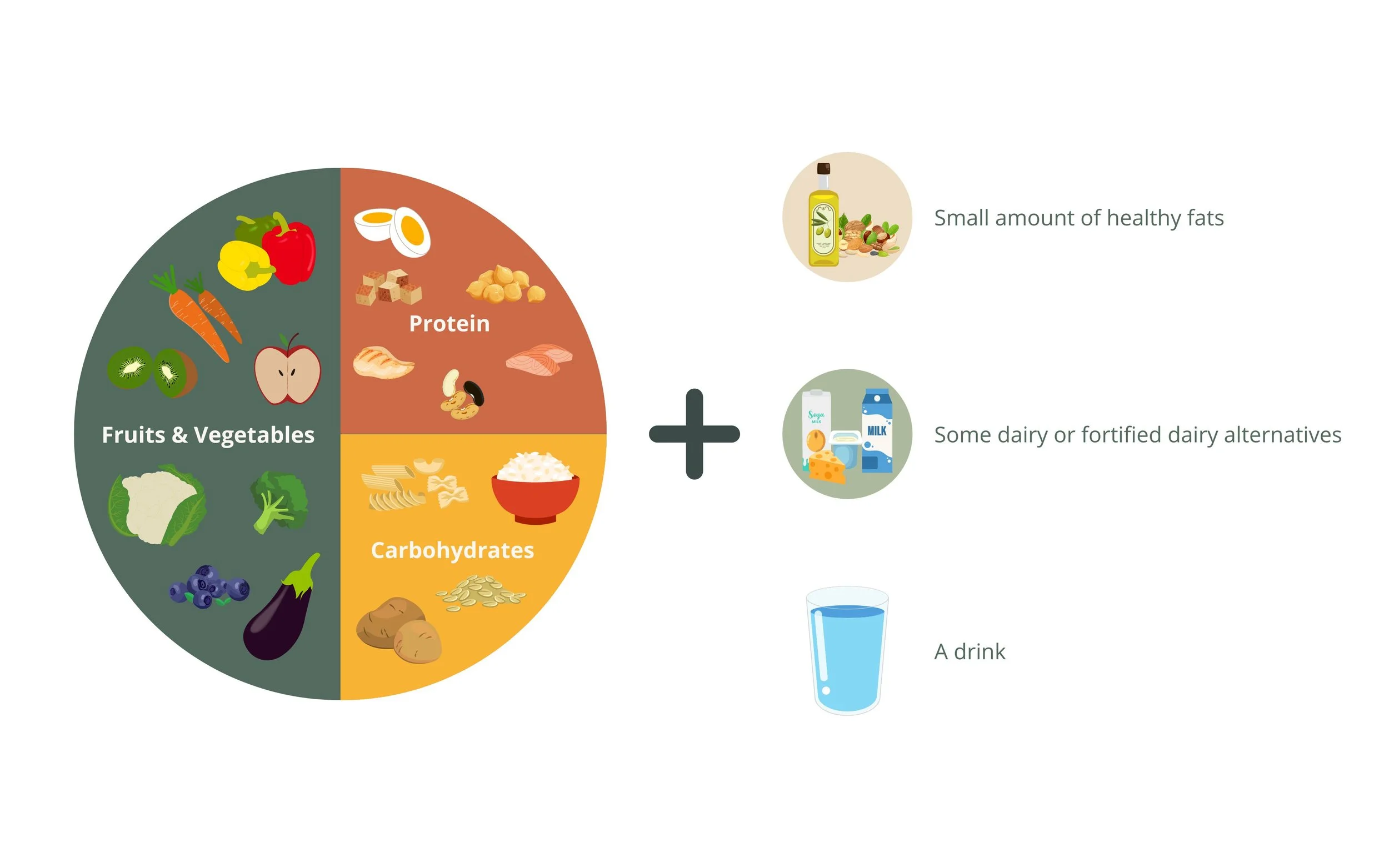
Building a balanced meal plan around rice requires structuring your plate so that rice acts as a complex carbohydrate foundation without overwhelming your meal's overall nutrient profile. Fill one-quarter of your plate with cooked rice, one-quarter with lean protein, and one-half with non-starchy vegetables, incorporating a small portion of healthy fats to stabilize blood sugar levels and sustain energy.
Contents
The Role of Rice in a Nutritionally Balanced Diet
Rice is a dietary staple for more than half of the world's population, serving as an accessible, energy-dense source of carbohydrates. However, building a healthy meal plan around rice requires understanding its macronutrient breakdown. Plain cooked rice consists primarily of complex carbohydrates, small amounts of protein, and negligible fat.
When consumed in isolation, refined grains like polished white rice can digest rapidly, leading to quick spikes in blood glucose followed by energy crashes. A balanced meal plan solves this by leveraging rice as an energy driver while surrounding it with dietary fiber, complete proteins, and healthy lipids. This combination slows down gastric emptying, dampens the glycemic response, and delivers essential vitamins and minerals.
Dietary guidelines, such as the Harvard T.H. Chan School of Public Health's Healthy Eating Plate, emphasize that carbohydrates should be scaled according to energy expenditure and balanced with high-fiber plant foods. By thoughtfully selecting your rice variety and combining it with complementary nutrient sources, rice becomes an effective anchor for weight management, athletic performance, and general metabolic health.
Comparing Rice Varieties: Nutrition, Fiber, and Glycemic Impact
Not all rice varieties affect your body in the same way. The degree of milling, grain length, and natural pigment strongly influence caloric density, fiber content, and glycemic index (GI).
- Brown Rice: Whole-grain brown rice retains its outer bran layer and germ, offering higher dietary fiber, magnesium, phosphorus, and B vitamins than refined white rice. Its typical GI ranges between 50 and 55 (low to medium).
- White Rice (Jasmine & Long-Grain): Refined white rice has its bran and germ removed. While easy to digest and gentle on the gastrointestinal tract, its lower fiber content results in a higher GI (around 64 to 89 depending on grain length and cooking method).
- Basmati Rice (White or Brown): Basmati contains a higher proportion of amylose starch relative to amylopectin. Higher amylose content makes the grain cook up firm and separate, resulting in a lower glycemic index (around 50 to 58) compared to short-grain white rice.
- Wild Rice: Botanically a semi-aquatic grass seed rather than a true rice, wild rice boasts lower calories, higher protein content (about 4 grams per cooked cup), and significant fiber, making it an exceptional choice for blood sugar management.
- Black (Forbidden) & Red Rice: Rich in anthocyanin antioxidants—the same compounds found in blueberries—these whole-grain varieties offer robust fiber, anti-inflammatory phytonutrients, and a low-to-medium glycemic profile.
| Rice Variety | Caloric Density (per 1 cup cooked) | Carbohydrates (g) | Dietary Fiber (g) | Protein (g) | Glycemic Index (Approx.) |
|---|---|---|---|---|---|
| Brown Rice | 218 kcal | 45.8 g | 3.5 g | 4.5 g | 50 – 55 (Low/Med) |
| White Jasmine Rice | 205 kcal | 44.5 g | 0.6 g | 4.2 g | 68 – 80 (High) |
| White Basmati Rice | 205 kcal | 45.0 g | 1.0 g | 4.3 g | 50 – 58 (Low/Med) |
| Wild Rice | 166 kcal | 35.0 g | 3.0 g | 6.5 g | 45 – 50 (Low) |
| Black (Forbidden) Rice | 200 kcal | 43.0 g | 3.0 g | 5.0 g | 42 – 50 (Low) |
| Parboiled (Converted) Rice | 194 kcal | 41.0 g | 1.4 g | 4.7 g | 38 – 45 (Low) |
Data synthesized from the USDA FoodData Central database.
The Four-Component Plate Method for Rice Meals
To build a balanced meal plan, rely on a structured visual macro framework rather than strict, tedious counting for every single meal. The four-component plate method ensures that every rice dish delivers satiety and sustained physical performance.
- Non-Starchy Vegetables (50%)
- Lean Protein (25%)
- Cooked Rice (25%)
- Healthy Fats (1-2 tablespoons)
1. The Carbohydrate Base: Cooked Rice (25% of Plate)
Limit your serving size of cooked rice to approximately 1/2 cup to 1 cup per meal, depending on your daily caloric target, physical activity levels, and metabolic goals. Athletes and highly active individuals may increase this portion to 1.5 cups post-workout, whereas those focusing on weight loss or glucose management should stick to 1/2 cup paired with extra fiber.
2. High-Quality Protein (25% of Plate)
Because rice is not a complete protein on its own (it is relatively low in the essential amino acid lysine), pairing it with complete proteins or complementary plant proteins is critical. Target 25 to 35 grams of protein per meal:
- Animal sources: Boneless skinless chicken breast, turkey, sirloin steak, wild salmon, cod, shrimp, or whole eggs.
- Plant sources: Firm tofu, tempeh, edamame, lentils, black beans, or chickpeas. Combining rice with legumes creates a complete amino acid profile.
3. Non-Starchy Fiber & Vegetables (50% of Plate)
Vegetables add volume, micronutrients, water content, and structural fiber without significantly increasing calories. Fill half your plate with options such as:
- Broccoli, cauliflower, and Brussels sprouts
- Spinach, kale, and bok choy
- Bell peppers, zucchini, snap peas, and asparagus
4. Healthy Lipids & Essential Fats (1-2 Tablespoons)
Healthy fats slow down digestion, increase nutrient absorption (particularly fat-soluble vitamins A, D, E, and K), and enhance food flavor. Incorporate sources like:
- Extra virgin olive oil or avocado oil used in cooking or dressing
- Slices of fresh avocado
- Toasted sesame seeds, pumpkin seeds, or chopped almonds
- Small portions of full-fat peanut or almond sauce
Step-by-Step: Constructing Your Weekly Meal Plan
Designing a sustainable meal plan requires balancing batch cooking, ingredient variation, and portion management. Follow this systematic approach to organize your week.
Step 1: Establish Daily Macronutrient Priorities
Determine your primary fitness or health goal before portioning:
- Weight Loss / Calorie Deficit: Keep rice portions at 1/2 cup per meal. Increase non-starchy vegetable volume and prioritize lean, low-fat proteins like egg whites, cod, and chicken breast.
- Maintenance & Recomposition: Maintain 3/4 cup of cooked brown, basmati, or wild rice per meal. Use moderate portions of healthy fats (e.g., 1 tablespoon olive oil or half an avocado).
- Muscle Growth & High Activity: Increase rice portions to 1 to 1.5 cups per meal. Incorporate calorie-dense toppings like seeds, nuts, and healthy pan sauces.
Step 2: Master Batch Prep Protocols
Preparing ingredients in advance prevents reliance on convenient, high-sodium ultra-processed foods.
- Cook Rice in Bulk: Prepare 4 to 6 servings of whole-grain rice using a rice cooker or stovetop method. Use low-sodium vegetable or chicken broth instead of plain water to infuse flavor without adding excess fats.
- Prepare Two Protein Sources: Grill or bake a batch of chicken breast or fish, and prepare a plant option like seasoned baked tofu or braised black beans.
- Roast and Chop Vegetables: Roast hard vegetables (broccoli, bell peppers, carrots) on sheet pans with light olive oil spray and salt. Keep fresh greens washed and ready for quick bowls.
Step 3: Implement Proper Storage and Food Safety
Cooked rice presents specific food safety considerations due to Bacillus cereus, a bacterium whose spores can survive the cooking process.
- Cool Quickly: Never leave cooked rice sitting at room temperature for more than one hour. Spread hot cooked rice onto a broad baking sheet to speed up cooling before refrigeration.
- Refrigeration Limits: Store cooked rice in sealed, airtight glass containers at or below 40°F (4°C) for no longer than 3 to 4 days.
- Freezing: Rice freezes exceptionally well. Divide cooked, cooled rice into single-serve freezer bags. Freeze for up to 3 months. Reheat thoroughly until steaming hot throughout, adding 1–2 tablespoons of water to restore moisture.
Sample 7-Day Balanced Rice Meal Plan Blueprint
This 7-day template demonstrates how to rotate proteins, vegetables, and rice varieties across lunch and dinner to maintain variety while optimizing nutrition.
| Day | Meal | Rice Type & Portion | Protein Source | Vegetable Side (50% Plate) | Healthy Fat / Dressing |
|---|---|---|---|---|---|
| Mon | Lunch | 3/4 cup Brown Rice | 5 oz Baked Chicken Breast | Steamed Broccoli & Carrots | 1 tbsp Olive Oil Vinaigrette |
| Dinner | 3/4 cup Wild Rice | 5 oz Pan-Seared Salmon | Roasted Asparagus & Zucchini | Salmon natural oils + Lemon Juice | |
| Tue | Lunch | 1/2 cup Jasmine Rice | 1 cup Firm Tofu (Cubed) | Stir-fried Bok Choy & Snap Peas | 1 tbsp Toasted Sesame Oil |
| Dinner | 3/4 cup Brown Rice | 5 oz Lean Ground Turkey | Sautéed Bell Peppers & Onions | 1/4 Avocado (Fajita Bowl style) | |
| Wed | Lunch | 3/4 cup Basmati Rice | 1 cup Black Beans & Lentils | Roasted Cauliflower & Spinach | 1 tbsp Pumpkin Seeds |
| Dinner | 1/2 cup White Rice | 5 oz Grilled Shrimp | Stir-fried Zucchini & Mushrooms | 1 tbsp Avocado Oil | |
| Thu | Lunch | 3/4 cup Red/Black Rice | 5 oz Sliced Beef Sirloin | Steamed Green Beans & Broccoli | 1 tbsp Light Soy/Sesame Dressing |
| Dinner | 3/4 cup Brown Rice | 5 oz Baked Cod | Grilled Eggplant & Tomatoes | 1 tbsp Extra Virgin Olive Oil | |
| Fri | Lunch | 1/2 cup Wild Rice Mix | 1 cup Edamame & Tofu | Roasted Brussels Sprouts | 1 tbsp Peanut Sauce |
| Dinner | 3/4 cup Basmati Rice | 5 oz Grilled Chicken Thigh | Roasted Peppers & Squash | 1 tbsp Olive Oil | |
| Sat | Lunch | 3/4 cup Brown Rice | 5 oz Pan-Seared Turkey Burger | Roasted Broccoli & Kale | 1/4 Avocado |
| Dinner | 1/2 cup Black Rice | 5 oz Seared Ahi Tuna | Steamed Asparagus & Mushrooms | 1 tbsp Sesame Dressing | |
| Sun | Lunch | 3/4 cup Wild Rice | 1 cup Chickpeas (Curried) | Sautéed Spinach & Cauliflower | 1 tbsp Coconut Milk (in sauce) |
| Dinner | 3/4 cup Basmati Rice | 5 oz Lemon Herb Chicken | Sheet-Pan Roasted Vegetables | 1 tbsp Extra Virgin Olive Oil |
How to Optimize Rice for Lower Glycemic Impact
If you prefer white rice for its taste or ease of digestion, you can apply smart culinary strategies to lower its functional impact on blood glucose levels.
The Resistant Starch Cooking Method
When rice is cooked and then cooled in the refrigerator for 12 to 24 hours, a process called starch retrogradation occurs. Digestible starches transform into resistant starch (type 3 RS), which acts like soluble fiber. Resistant starch resists breakdown in the small intestine and passes into the large intestine, where it feeds beneficial gut bacteria.
- Cook rice as usual with a teaspoon of healthy oil (such as coconut or olive oil).
- Immediately cool the cooked rice and refrigerate it at 4°C (40°F) for at least 12 hours.
- Reheat before eating. Studies demonstrate that this cooling process can reduce digestible carbohydrate absorption and lower peak glucose responses, even after reheating.
Smart Pairing Techniques
Never eat plain white rice on an empty stomach. Always precede or pair your rice intake with:
- Soluble Fiber First: Eat your salad or roasted vegetables before consuming the rice. Fiber coats the intestinal lining and slows down glucose absorption.
- Acidic Agents: Adding vinegars (like rice vinegar or apple cider vinegar) or fresh citrus juice (lemon or lime) to your meal slows gastric emptying, further dampening blood sugar spikes.
Common Meal Planning Pitfalls and How to Avoid Them
1. Over-relying on High-Calorie Sauces
Premade commercial sauces (teriyaki, sweet chili, heavy curry pastes) often contain high amounts of added sugars and sodium. A meal with 150 calories of rice can easily gain 300 empty calories from sugary dressings.
- Correction: Flavor your rice bowls using fresh herbs, garlic, ginger, low-sodium soy sauce, tamari, hot sauce, lemon juice, or spices like turmeric and cumin.
2. Underestimating Portion Sizes
Because rice compresses easily in measuring cups, it is common to serve twice the intended portion.
- Correction: Use a digital kitchen scale to measure cooked rice in grams (e.g., 100g to 150g per serving) until your visual estimation is accurate.
3. Neglecting Micronutrient Diversity
Eating white rice with plain chicken breast daily leads to dietary monotony and micronutrient gaps, particularly in magnesium, potassium, and folate.
- Correction: Rotate your grains (brown, wild, black, basmati) and rotate your vegetable colors (green greens, red peppers, orange carrots, purple cabbage) to ensure a complete spectrum of phytonutrients.
Frequently Asked Questions
Can I eat rice every day and still lose weight?
Yes. Weight loss depends on maintaining an overall energy deficit (consuming fewer calories than your body burns). Rice can be eaten daily within a weight-loss plan as long as your total daily calories and macronutrient ratios are managed. For optimal satiety during weight loss, prioritize high-fiber options like brown or wild rice, keep portion sizes to 1/2 cup cooked, and pair with ample protein and non-starchy vegetables.
Is brown rice always healthier than white rice?
Not necessarily for every individual. While brown rice offers more fiber, magnesium, and micro-nutrients, white rice may be preferred by individuals with digestive disorders (such as IBS, IBD, or flare-ups requiring a low-FODMAP or low-residue diet) due to its lower fiber content. For performance athletes needing quick carbohydrate replenishment after intense training, white rice provides rapidly digestible glucose without gastrointestinal heaviness.
How do I prevent leftover meal-prep rice from drying out?
When reheating cooked rice in a microwave, add 1 to 2 tablespoons of water or broth over the rice, cover the container with a damp paper towel or a loose microwave-safe lid, and microwave on high for 60 to 90 seconds. The trapped steam rehydrates the starches, restoring a soft, fresh texture.
What are the best plant-based protein sources to pair with rice?
To create a complete protein profile with all nine essential amino acids, pair rice with legumes such as black beans, lentils, chickpeas, or kidney beans. Edamame, firm tofu, tempeh, and seitan are also high-protein plant options that pair well with rice-based bowls.
Practical Next Steps for Success
To successfully build and sustain a balanced rice-based meal plan:
- Select Two Rice Types: Purchase one whole-grain variety (like brown or wild rice) for regular meals and one aromatic variety (like basmati or black rice) to keep meals interesting.
- Invest in Quality Storage Containers: Use glass, airtight, food-grade prep containers to safely cool, store, and reheat your rice portions throughout the week.
- Apply the 50/25/25 Rule: At your next meal, consciously divide your plate: fill half with vegetables, one quarter with a lean protein source, and one quarter with your chosen rice variety.
Image Gallery