Def Leppard Group Members: The Complete History and Current Lineup in 2026
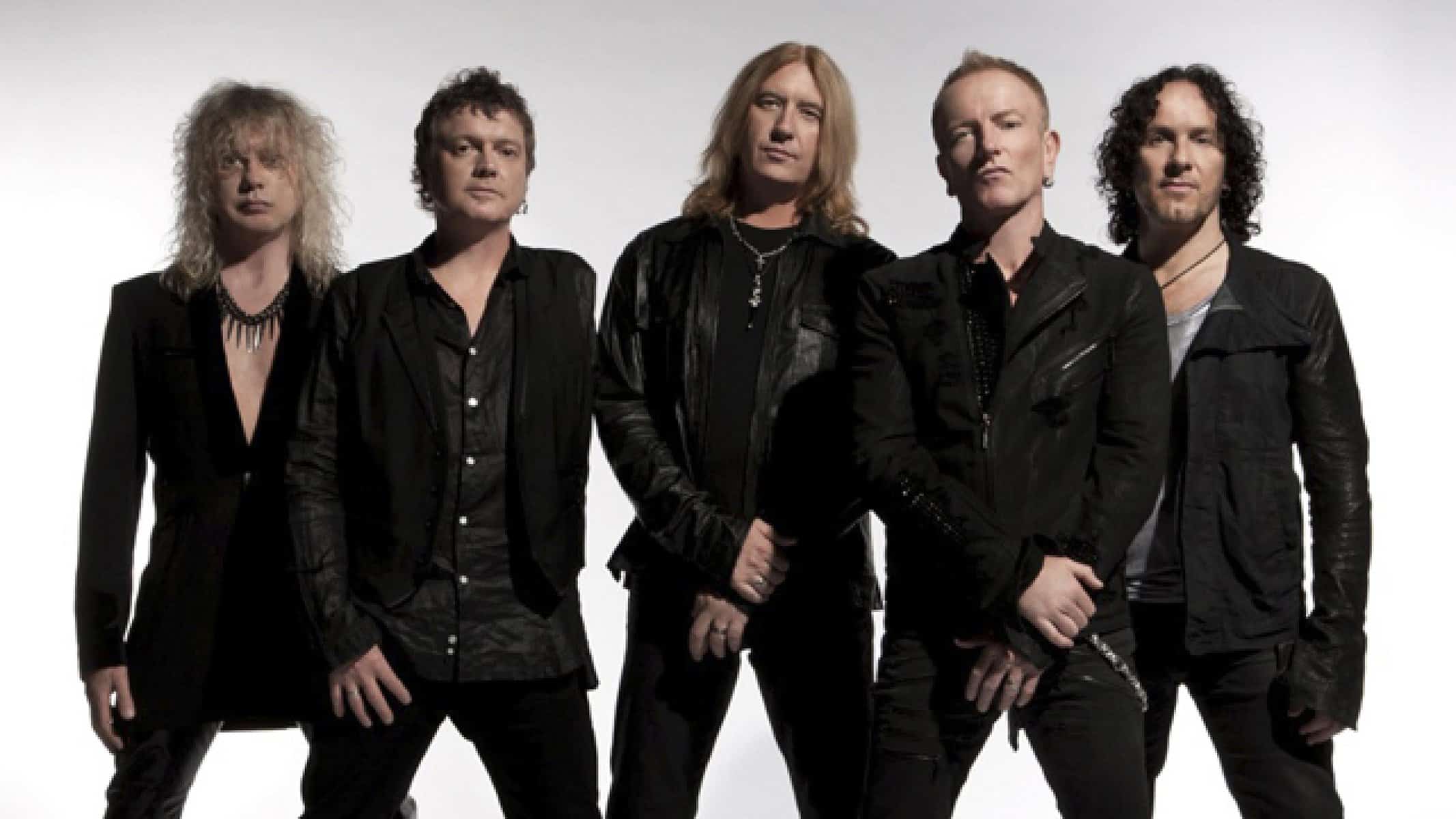
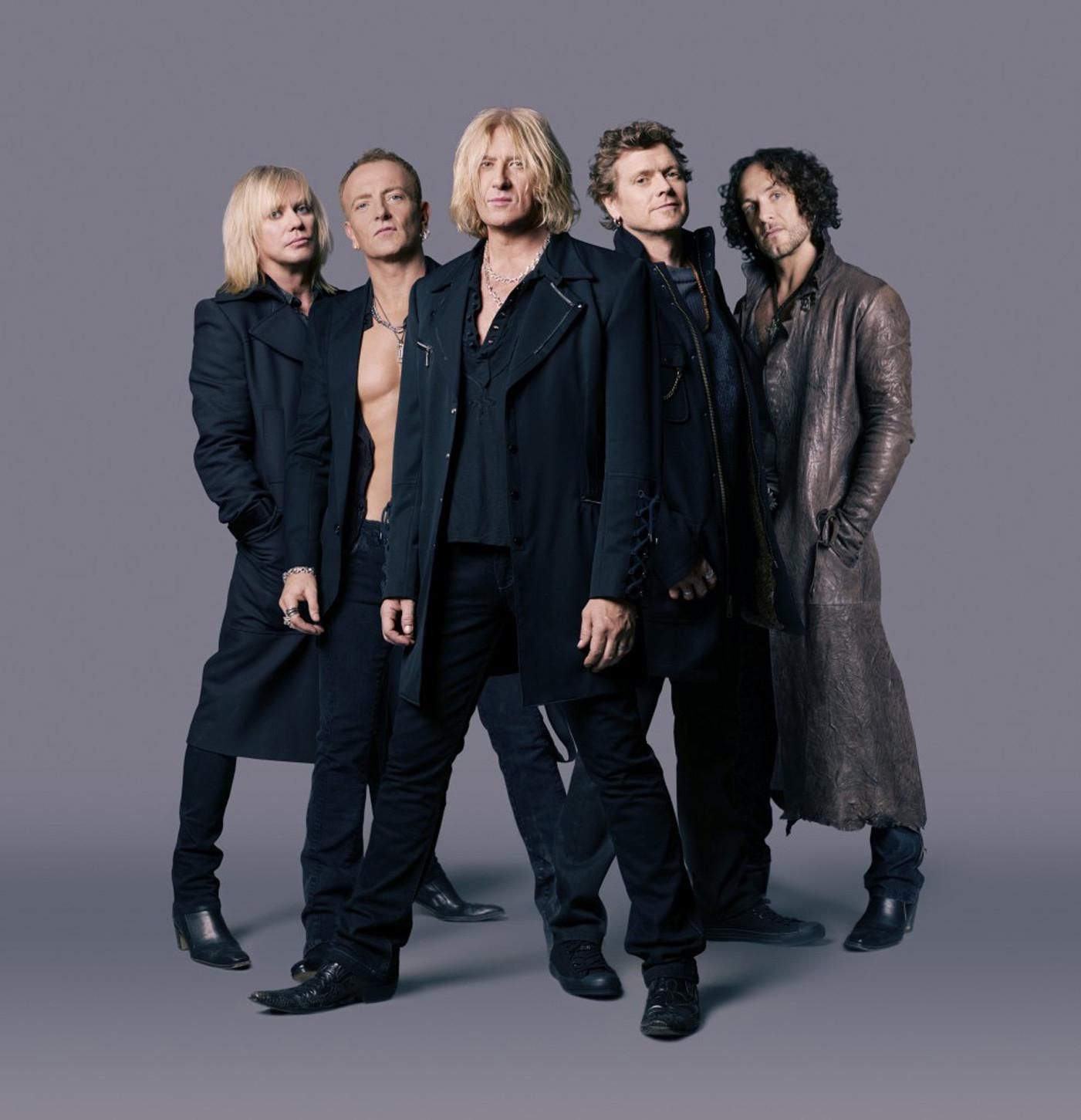
As of 2026, the current members of Def Leppard are Joe Elliott (lead vocals), Rick Savage (bass), Rick Allen (drums), Phil Collen (guitar), and Vivian Campbell (guitar). This legendary quintet has remained unchanged since 1992, represe...
As of 2026, the current members of Def Leppard are Joe Elliott (lead vocals), Rick Savage (bass), Rick Allen (drums), Phil Collen (guitar), and Vivian Campbell (guitar). This legendary quintet has remained unchanged since 1992, representing one of the most stable and enduring lineups in the history of rock music.
Contents
Def Leppard stands as a pillar of the New Wave of British Heavy Metal (NWOBHM) that evolved into a global pop-rock phenomenon. Unlike many of their contemporaries from the late 1970s and early 1980s, the band has maintained a consistent core identity despite facing significant personal tragedies and industry shifts. Understanding the individual contributions of each member—both current and former—is essential to grasping how the "Sheffield sound" conquered the world with multi-platinum albums like Pyromania and Hysteria.
The Current Lineup: Architects of the Modern Sound
In 2026, Def Leppard continues to operate at a high level of technical proficiency and commercial relevance. The chemistry between the five current members is the result of decades of shared touring and recording. Each member brings a specific set of skills that contributes to the band's signature wall-of-sound production.
Joe Elliott (Lead Vocals, Keyboards)
Joe Elliott has been the frontman since the band's inception in 1977. His vocal style, characterized by its grit in the lower register and soaring melodic power in the higher range, defined the stadium rock aesthetic of the 1980s. Beyond his role as a singer, Elliott is the primary lyricist and a driving force behind the band’s creative direction.
In 2026, Elliott remains a vocal advocate for the preservation of rock history. His ability to maintain his voice over nearly five decades of touring is often attributed to his disciplined vocal health regimen. Elliott also contributes keyboards and acoustic guitar during live performances, ensuring the lush arrangements of their studio recordings are replicated on stage.
Rick Savage (Bass Guitar, Backing Vocals)
Known to fans as "Sav," Rick Savage is a founding member alongside Elliott. His bass playing provides the melodic anchor for the band’s complex arrangements. Savage’s background as a professional youth footballer for Sheffield United translates into a high-energy stage presence that has not waned over the years.
Savage is also a key songwriter, having co-written many of the band's biggest hits, including "Pour Some Sugar on Me." His vocal contributions are equally vital; Def Leppard is famous for its intricate, multi-layered vocal harmonies, and Savage’s range is a critical component of that "choir-like" sound.
Rick Allen (Drums, Percussion)
Rick Allen’s story is one of the most inspirational in music history. After losing his left arm in a car accident on New Year's Eve 1984, Allen worked with engineers to develop a specialized semi-electronic drum kit. This kit allows him to play the snare and other percussion elements with his left foot via electronic pedals.
By 2026, Allen has been playing with one arm for over 40 years, surpassing the time he spent playing with two. His "Thunder God" style is characterized by a heavy, precise backbeat that became the foundation for the band’s transition into more rhythmic, groove-oriented rock. His resilience is credited with keeping the band together during their most difficult period in the mid-80s.
Phil Collen (Lead and Rhythm Guitars, Backing Vocals)
Phil Collen joined the band in 1982 during the recording sessions for Pyromania, replacing Pete Willis. Collen brought a more disciplined, technical approach to the band’s guitar work. Together with the late Steve Clark, he formed the "Terror Twins," a guitar duo known for their synchronized leads and interlocking rhythms.
In the current era, Collen is often recognized for his immense physical fitness and clean lifestyle, which he maintains even while on extensive world tours in 2026. His lead guitar work is marked by high-speed precision and a signature "saturated" tone achieved through his long-standing partnership with Jackson Guitars.
Vivian Campbell (Lead and Rhythm Guitars, Backing Vocals)
Vivian Campbell joined Def Leppard in 1992, following stints with Dio and Whitesnake. Replacing a figure as beloved as Steve Clark was a monumental task, but Campbell’s blues-infused rock style and exceptional backing vocals made him the perfect fit.
Campbell’s integration into the band allowed them to continue their "two-guitar" attack without attempting to replicate Clark’s specific style. As of 2026, Campbell has been a member for 34 years—significantly longer than the tenure of the man he replaced. His presence has been a stabilizing force, and he continues to perform despite his well-documented and successfully managed battle with Hodgkin's lymphoma.
Historical Timeline of Def Leppard Members
To understand the band's evolution, it is helpful to see how the roles shifted during their formative years and through their peak commercial period.
| Member Name | Instrument | Years Active | Notable Status |
|---|---|---|---|
| Joe Elliott | Lead Vocals | 1977–Present | Founding Member |
| Rick Savage | Bass | 1977–Present | Founding Member |
| Rick Allen | Drums | 1978–Present | Longest-serving Drummer |
| Phil Collen | Guitar | 1982–Present | Joined during Pyromania |
| Vivian Campbell | Guitar | 1992–Present | Replaced Steve Clark |
| Steve Clark | Guitar | 1978–1991 | Deceased (Founding Member) |
| Pete Willis | Guitar | 1977–1982 | Dismissed during Pyromania |
| Tony Kenning | Drums | 1977–1978 | Left before first EP |
| Frank Noon | Drums | 1978 | Session drummer on first EP |
Former Members and Their Impact
The history of Def Leppard is marked by two significant departures that fundamentally changed the trajectory of the band’s sound.
Steve Clark (1978–1991)
Steve Clark was known as the "Riffmaster." His contributions to the band were foundational; he was responsible for the darker, more classical-inspired riffs found on High 'n' Dry and Pyromania. Clark’s struggle with alcoholism was a heavy burden on the band, eventually leading to his tragic death on January 8, 1991.
Even in 2026, Clark’s influence is felt in every live show. The band continues to use his songwriting credits, and his "larger-than-life" stage persona remains the blueprint for the band's visual identity. His death forced the band to complete the Adrenalize album as a four-piece, with Phil Collen recording all the guitar parts while mimicking Clark’s style.
Pete Willis (1977–1982)
Pete Willis was a founding member and a crucial part of the band’s early heavy metal sound. His rhythm playing on the debut album On Through the Night and the follow-up High 'n' Dry helped establish the band within the NWOBHM scene. However, his increasing alcohol consumption led to friction during the Pyromania sessions. He was dismissed in 1982 and replaced by Phil Collen. While Willis left early, his contributions to the songwriting of the band's breakthrough album cannot be overlooked.
Tony Kenning and Frank Noon
Tony Kenning was the original drummer who suggested the name "Deaf Leopard" (which Joe Elliott later changed to Def Leppard). He left just as the band was preparing to record their first professional release. Frank Noon was brought in as a session player for The Def Leppard EP, providing the percussion for the classic track "Getcha Rocks Off" before Rick Allen joined as a permanent member at the age of 15.
The Technical Evolution of the Group's Performance
Def Leppard’s longevity is not just a matter of personnel but also of technical adaptation. In 2026, the band utilizes state-of-the-art technology to maintain their signature sound.
- Vocal Harmonization: The band uses a combination of high-fidelity in-ear monitoring and specific microphone techniques to ensure their four-part harmonies are studio-perfect during live sets. This is a hallmark of the group, distinguishing them from other rock bands that rely on backing tracks.
- Drumming Innovation: Rick Allen’s kit has evolved significantly. In 2026, his setup involves a sophisticated interface between acoustic triggers and digital samples, allowing him to produce the massive, gated-reverb snare sound that defined the Hysteria album.
- Guitar Interplay: Collen and Campbell utilize a "divide and conquer" approach to guitar frequencies. One typically uses a brighter, mid-range focused tone, while the other provides a thicker, more low-end saturated sound. This prevents the two guitars from "fighting" in the mix, a technique perfected under producer Robert John "Mutt" Lange.
Frequently Asked Questions
Who are the founding members of Def Leppard?
The founding members who formed the band in Sheffield in 1977 were Joe Elliott, Rick Savage, Pete Willis, and Tony Kenning. Steve Clark joined shortly after the initial formation, and Rick Allen replaced Kenning in 1978. Of the original founding quartet, only Joe Elliott and Rick Savage remain in the band in 2026.
How did the drummer lose his arm?
Rick Allen lost his left arm following a car accident on December 31, 1984. He was driving his Corvette near Sheffield when he attempted to pass another vehicle and lost control, crashing through a stone wall. Despite the injury, he returned to the band and played his first post-accident show at the Monsters of Rock festival in 1986.
Why did Pete Willis leave the band?
Pete Willis was dismissed from Def Leppard in July 1982 during the recording of the Pyromania album. His dismissal was primarily due to his excessive alcohol consumption, which had begun to interfere with his performance in the studio and his relationships with other band members. He was replaced by Phil Collen, who finished the guitar tracks for the album.
Has the lineup changed recently?
No. The lineup of Elliott, Savage, Allen, Collen, and Campbell has remained entirely intact since 1992. This 34-year period of stability is rare for a rock band of their stature and has contributed significantly to their ability to tour consistently and maintain a high level of performance quality into 2026.
Who replaced Steve Clark?
Vivian Campbell officially replaced Steve Clark in 1992. Before joining Def Leppard, Campbell was well-known for his work with Ronnie James Dio, having played on the classic albums Holy Diver and Last in Line. His debut with the band took place at the Freddie Mercury Tribute Concert at Wembley Stadium.
Next Actions for Fans and Researchers
For those looking to explore the band’s history further, the 2026 tour schedule offers a prime opportunity to see this long-standing lineup in person. Additionally, the band's official memoirs and various "Behind the Music" documentaries provide deeper insights into the specific gear and rehearsal techniques used by each member to maintain their iconic sound. If you are a musician, studying the "Mutt" Lange production years will provide the best technical understanding of how these members' individual roles were woven into a singular sonic tapestry.
Image Gallery