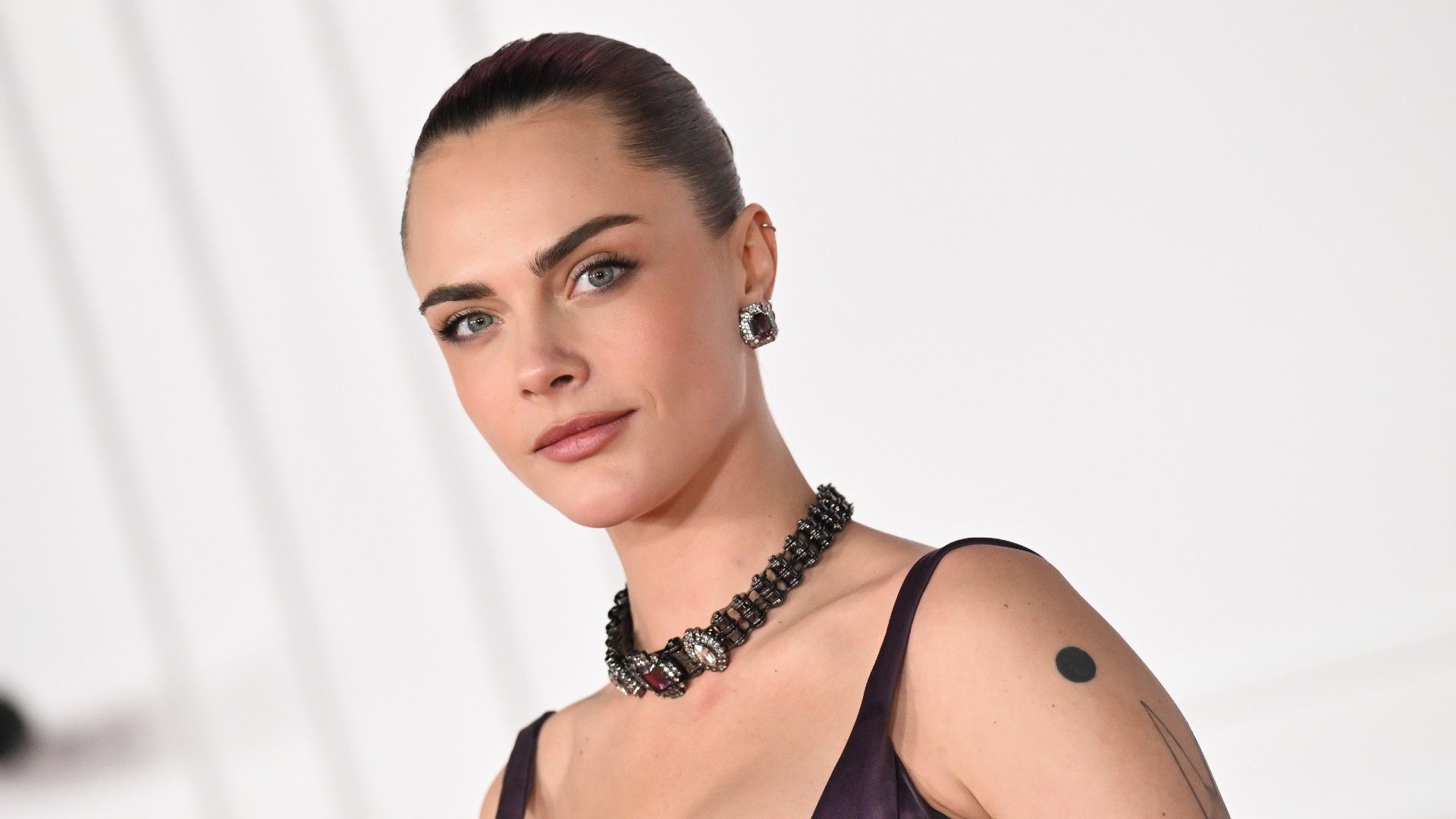
How to Achieve the Cara Delevingne Brunette Style: A Professional Guide
Achieving Cara Delevingne’s signature brunette involves a multi-dimensional "expensive brunette" technique using lowlights and a cool-toned gloss. It requires a neutral-to-ash base color, strategically placed babylights for movement, a...
Achieving Cara Delevingne’s signature brunette involves a multi-dimensional "expensive brunette" technique using lowlights and a cool-toned gloss. It requires a neutral-to-ash base color, strategically placed babylights for movement, and a focus on high-shine finishes. Consult a professional colorist for a customized balayage that complements your natural skin undertones and hair texture.
Contents
The Evolution of the Delevingne Brunette
For over a decade, Cara Delevingne was the global poster child for icy, platinum blonde. However, by 2026, her transition into the "Expensive Brunette" aesthetic has become the gold standard for high-fashion hair. This look is not a monolithic, flat brown; rather, it is a sophisticated interplay of shadows and light that mimics the natural variations found in virgin hair, but with a polished, editorial finish.
The move toward brunette was not merely a color change but a shift in hair health philosophy. Moving away from the high-maintenance lifting required for platinum allowed for the restoration of the hair’s cuticle. The 2026 iteration of her style focuses on "liquid shine" and "inner glow," where the hair appears healthy from within. Understanding this evolution is crucial because the "Cara Brunette" relies on the hair reflecting light rather than absorbing it, which is the primary difference between a professional salon job and a standard box-dye application.
The Core Elements of the "Expensive Brunette" Aesthetic
To replicate this specific style, you must understand the technical components that define it. It is rarely a single process. Instead, it is a combination of base coloring, dimensional highlights, and a finishing gloss.
1. The Neutral-to-Cool Base
The foundation of Cara’s brunette is usually a Level 5 or 6 (Medium Brown to Light Brown). Crucially, the tone is kept neutral or slightly ash. This prevents the "red-orange" fade that often plagues DIY brunette transformations. Stylists often use a demi-permanent color for the base to ensure a seamless grow-out and to maintain the integrity of the hair fibers.
2. Multi-Dimensional Lowlights and Babylights
A flat brown can look "inky" or heavy. To achieve the Delevingne movement, stylists employ "babylights"—micro-fine highlights—around the face and through the crown. These are typically only one to two levels lighter than the base. By keeping the contrast low, the hair looks naturally sun-kissed rather than striped. In 2026, the trend has shifted toward "ribboning," where the color flows like silk rather than distinct chunks.
3. The Glossing Finish
The "Liquid Hair" trend is a staple of this look. Once the color is set, an acidic gloss is applied. This serves two purposes: it seals the hair cuticle to lock in color and adds a reflective sheen that makes the brunette tones pop. In a professional setting, this gloss often contains violet or blue pigments to neutralize any residual warmth, ensuring the finish remains sophisticated and "cool."
Customizing the Shade for Your Skin Tone
While Cara’s specific shade is iconic, it must be adapted to your unique biology. A professional colorist will analyze your skin’s undertone—cool, warm, or neutral—before mixing the bowls.
- Cool Undertones: If you have pink or blue undertones in your skin, your version of the Delevingne brunette should lean into "Mushroom Brown" or "Iced Coffee." These shades contain ash and violet pigments that prevent you from looking washed out.
- Warm Undertones: If your skin has yellow or golden undertones, a pure ash might make you look grey. In this case, the style is adapted into a "Caramel Brunette" or "Soft Mocha," adding just enough warmth to glow without turning brassy.
- Neutral Undertones: Those with neutral undertones have the most flexibility and can replicate Cara’s exact neutral-ash balance, which sits perfectly between gold and silver.
| Feature | Cara’s Signature Brunette | Classic Brown (Traditional) |
|---|---|---|
| Primary Tone | Neutral/Ash | Warm/Golden |
| Dimension | High (Babylights/Ribboning) | Low (Single Process) |
| Depth | Level 5-7 (Medium to Light) | Level 2-4 (Dark to Very Dark) |
| Finish | High-Shine / Glossy | Matte or Satin |
| Maintenance | Moderate (Gloss every 6-8 weeks) | Low (Root touch-ups only) |
The Salon Process: Step-by-Step
Achieving this look is a technical journey. If you are starting from a lighter blonde, the process is different than if you are starting from a natural dark base.
Step 1: The Consultation and Mapping
The stylist will map out where your natural light hits. For the Delevingne style, the "money piece" (the hair immediately framing the face) is usually kept slightly lighter but blended deeply into the roots. This prevents the harsh "skunk stripe" look and ensures the style looks expensive.
Step 2: The Filling (For Blondes Only)
If you are transitioning from blonde to brunette, your stylist must "fill" the hair. Blonde hair lacks the warm pigments (reds and golds) that give brunette its depth. Without filling, the brown dye will likely turn muddy or green. The stylist applies a copper or gold protein filler before the final brown color to provide a "grip" for the new pigment.
Step 3: Color Application
The "lived-in" root is a hallmark of this style. The stylist will apply a slightly darker shade at the roots and "smudge" it down into the mid-lengths. This creates a shadow effect that mimics natural hair growth and allows for a lower-maintenance schedule. The babylights are then hand-painted or foiled using a low-volume developer to protect hair health.
Step 4: The Tonal Gloss
After the color is rinsed, a specialized gloss (like Redken Shades EQ or similar professional lines) is applied. This is the "secret sauce" that gives Cara’s hair that specific 2026 sheen. The gloss sits on the hair for 10-20 minutes, neutralizing unwanted tones and adding a layer of protection.
Maintaining the Look at Home
The greatest enemy of a cool-toned brunette is "brassiness." Over time, UV exposure, hard water, and heat styling strip away the cool pigments, leaving behind the warm undertones of the hair’s natural pigment.
Color-Safe Cleansing
In 2026, the use of sulfate-free, pH-balanced shampoos is non-negotiable for this style. Traditional shampoos are too alkaline, which opens the hair cuticle and allows the expensive brunette pigments to wash away. Look for products specifically labeled for "tonal longevity."
Blue vs. Purple Shampoo
Many people mistakenly use purple shampoo on brunette hair. Purple is designed to neutralize yellow in blondes. For brunettes, blue shampoo is the correct tool, as blue sits opposite orange on the color wheel. Using a blue-toning mask once every two weeks will keep your Delevingne brunette looking "mushroomy" and cool rather than brassy.
Heat Protection
Brunette hair shows damage through a loss of shine. Because the Cara style relies on light reflection, fried ends will ruin the aesthetic. Always use a heat protectant with a high smoke point (up to 450°F/230°C) and try to limit hot tool usage to three times per week.
The Role of the "Delevingne Brow"
You cannot truly achieve the Cara Delevingne brunette style without addressing the eyebrows. The brows act as the frame for the hair color. When Cara moved to a deeper brunette, her brows remained a focal point, often groomed to be a half-shade darker than her hair.
To complete the look, use a clear brow gel to brush the hairs upward (the "laminated" look) and fill in any gaps with a fine-tipped pencil that matches the ash-toned base of your new hair color. Avoid warm-toned brow products, as they will clash with the cool-toned brunette hair.
Cost and Time Commitments
This is an "investment" hairstyle. While it looks natural, it requires technical precision.
- Initial Session: Expect to spend 3 to 5 hours in the salon, especially if you are transitioning from a different color. Costs in major metropolitan areas in 2026 typically range from $300 to $600 for a full transformation.
- Maintenance: A gloss and "root smudge" every 8 to 10 weeks will keep the color fresh. This is a shorter, less expensive appointment (usually $100-$200).
- Product Investment: High-quality blue shampoos and bonding treatments (like K18 or Olaplex) are essential to maintain the "expensive" part of the "Expensive Brunette."
FAQs
Can I achieve this look with box dye?
It is highly discouraged. Box dyes are generally "progressive," meaning they build up too much pigment and look flat and inky. The Cara Delevingne look relies on translucency and multi-dimensional highlights that a single-process box dye cannot replicate. Furthermore, if you are starting with blonde hair, box dye will almost certainly turn green or grey without a professional "fill" step.
How often do I need to refresh the gloss?
For maximum shine, a professional gloss should be refreshed every 6 to 8 weeks. While the base color may last longer, the reflective "liquid" finish begins to dull as the acidic coating wears off due to shampooing and environmental factors.
Will this style work on curly or textured hair?
Yes. The "Expensive Brunette" technique is actually beautiful on curly hair because the babylights can be "pintura" (hand-painted) onto individual curls to emphasize their shape and bounce. The high-shine finish also helps curly hair look more hydrated and defined.
Is the Cara brunette style high maintenance?
Compared to platinum blonde, it is significantly lower maintenance. However, compared to a natural, single-tone brown, it is higher. The maintenance lies in keeping the tone cool and the shine high. If you let it go too long without a gloss, it will simply look like a standard brown rather than the specific "Delevingne" editorial style.
Does this look work for older women or those with grey hair?
Absolutely. The multi-dimensional nature of the highlights and lowlights is excellent for blending greys. Instead of a harsh "line of demarcation" when grey roots grow in, the babylights create a soft transition that is much more forgiving than a solid dark color.
Final Recommendation
To successfully achieve the Cara Delevingne brunette style, prioritize hair health and tonal balance. Start by finding a colorist who specializes in "Expensive Brunette" or balayage techniques. Bring photos of Cara from 2024–2026 to show the specific level of "coolness" you desire. Once the color is achieved, invest in a blue-toning regimen and regular glosses to ensure your brunette stays vibrant, reflective, and sophisticated.
Image Gallery