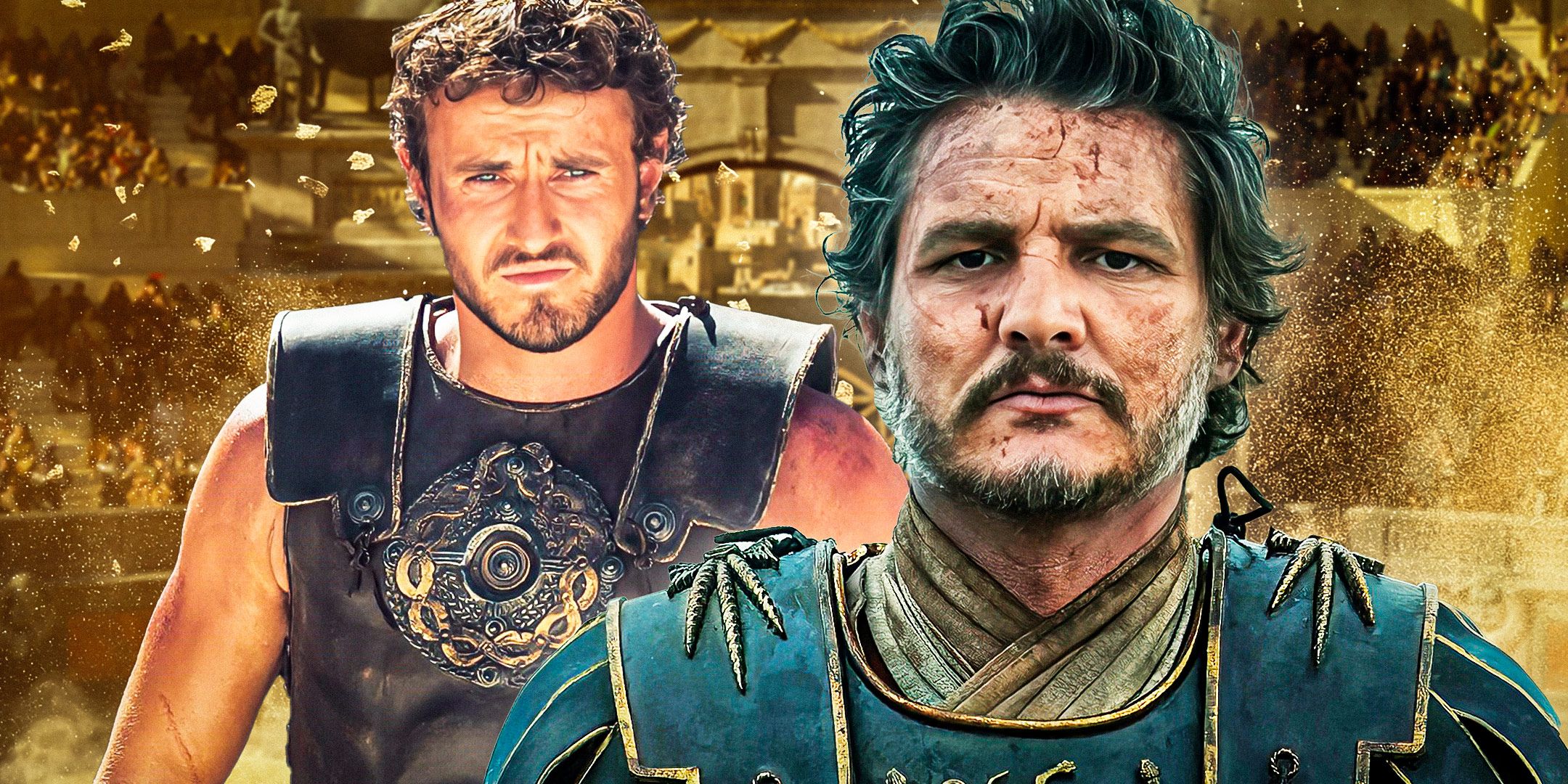
Gladiator II: The 2024 Sequel and the Legacy of the Arena
Gladiator II (2024), directed by Ridley Scott, serves as a narrative continuation of the 2000 Academy Award-winning historical epic Gladiator. Set years after the death of Maximus Decimus Meridius, the film explores the political insta...
Gladiator II (2024), directed by Ridley Scott, serves as a narrative continuation of the 2000 Academy Award-winning historical epic Gladiator. Set years after the death of Maximus Decimus Meridius, the film explores the political instability of Rome through the eyes of Lucius Verus, the son of Lucilla, as he is forced into the arena to survive the corruption of the dual emperors Geta and Caracalla.
Contents
The Narrative Evolution from 2000 to 2024
When Ridley Scott returned to the world of ancient Rome, he faced the challenge of crafting a sequel that could stand alongside one of the most successful historical films in cinema history. The original 2000 film concluded with the death of Maximus, the Roman general turned slave, leaving a vacuum in the moral and political center of the Empire. Gladiator II sidesteps the temptation to rely on direct flashbacks or supernatural resurrections, choosing instead to focus on the long-term geopolitical consequences of the Commodus era.
The story centers on Lucius, who has spent his adult life in the coastal kingdom of Numidia, far from the machinations of the Roman Senate. The 2024 film utilizes the passage of time to demonstrate how the corruption that began under Commodus has metastasized. Where the first film focused on the reclamation of republican virtues, this sequel examines the degradation of imperial power as the Roman populace becomes increasingly disconnected from the reality of their expansionist policies.
Key Characters and Casting Decisions
The transition from the original cast to the 2024 sequel was handled by maintaining a bridge through the character of Lucilla, portrayed by Connie Nielsen, who remains the primary link between the two eras. By grounding the narrative in the perspective of Lucius—now played by Paul Mescal—the filmmakers could explore a protagonist who inherits the trauma of the past while navigating the brutal reality of the future.
The introduction of Denzel Washington as Macrinus provides a sophisticated counterweight to the more volatile characters. Macrinus represents the new breed of power brokers in Rome: an ambitious arms dealer and gladiator manager who understands that control over the games is equivalent to control over the public's psyche. This character serves as a vital component in explaining how the institution of the arena evolved from a theater of punishment into a tool for state-sponsored propaganda.
The Technical Execution of Historical Re-creation
One of the defining features of Gladiator II is its commitment to recreating the scale of Ancient Rome. By 2026, the film is often cited as a benchmark for the integration of practical sets and visual effects. The production team constructed massive, semi-permanent arena sets, which allowed for authentic interaction between actors and their environment, a stylistic choice reminiscent of the practical techniques utilized by Ridley Scott throughout his career.
The depiction of the Colosseum and the surrounding Roman architecture was informed by modern archaeological research available at the time of production. This includes the implementation of the naumachia (mock sea battles), which provided a unique technical challenge for the production. Ensuring these scenes felt grounded in historical possibility—rather than mere fantasy—required careful attention to the logistics of Roman engineering.
Comparison of Production Elements
| Feature | 2000 Gladiator | 2024 Gladiator II |
|---|---|---|
| Director | Ridley Scott | Ridley Scott |
| Primary Setting | Rome / Germania | Rome / North Africa |
| Thematic Focus | Honor and Vengeance | Political Corruption and Legacy |
| Key Cinematic Technique | Traditional Filmic Grain | Advanced Digital Cinematography |
| Arena Scale | Focused on Hand-to-Hand | Massive Spectacle and Naval Simulation |
Historical Context and Liberties
While Gladiator II is a work of fiction, it interacts with real historical figures, specifically the emperors Geta and Caracalla. In historical reality, these two brothers ruled as joint emperors for a short, volatile period before Caracalla murdered Geta. The film accelerates and dramatizes these events to heighten the sense of impending collapse in the Roman state.
It is important for viewers to distinguish between historical fact and the film's narrative requirements. For example, the depiction of the arena games in the film is heavily influenced by the cultural necessity of "bread and circuses," an ancient concept where the ruling class kept the citizenry complacent through entertainment and food subsidies. The film emphasizes that the arena was not merely a place of sport, but a site of mass psychological management.
Production and Distribution Requirements
For viewers assessing the film in 2026, the accessibility of Gladiator II is standardized through major digital distribution platforms and physical media. The production follows modern high-definition and high-dynamic-range (HDR) standards, which are critical for appreciating the color grading and lighting design of the film’s Mediterranean and Roman settings.
When accessing the film, users should prioritize playback devices that support 4K resolution to ensure the visual fidelity of the large-scale crowd scenes and architectural vistas. Issues with buffering or playback quality are typically a result of network limitations rather than the source material's encoding, as the 2024 digital master is optimized for modern fiber-optic streaming infrastructure.
Frequently Asked Questions
Is it necessary to watch the 2000 film before viewing Gladiator II? While Gladiator II is designed to function as a standalone narrative, watching the original film provides essential context regarding the character of Lucilla and the legacy of Maximus. The sequel builds directly upon the established political history of the first film, making the viewing experience more rewarding for those familiar with the preceding events.
What is the historical accuracy of the emperors Geta and Caracalla in the film? The film uses Geta and Caracalla as character archetypes for imperial excess and instability. While their joint rule and rivalry are historically documented, their specific actions within the plot of the film are dramatized for narrative purposes. The filmmakers prioritize the spirit of the era’s political decline over strict biographical adherence.
Does Gladiator II feature the same musical themes as the original? The 2024 soundtrack maintains the sonic DNA of the original score—famously composed by Hans Zimmer—while introducing new thematic material. The goal was to provide a sense of continuity that honors the auditory legacy of the 2000 film while establishing a distinct identity for the sequel.
What is the significance of the North African setting in the opening acts? The inclusion of Numidia serves to contrast the relative freedom of the frontier with the rigid, decaying structure of the Roman heartland. It provides the protagonist, Lucius, with an origin story that is distinct from his Roman upbringing, creating a duality in his identity that drives the plot forward.
How does the production manage the violence depicted in the arena? The production uses a combination of practical stunt work and digital compositing to manage the scale of the violence. The intention was to emphasize the brutal, visceral nature of gladiatorial combat as a reflection of the society that mandated it, rather than utilizing gratuitous gore as a primary storytelling device.
Final Recommendations for Viewers
If you intend to experience Gladiator II with the highest possible visual and auditory fidelity, seek out a high-dynamic-range display and a multi-channel sound system. The film’s sound design relies heavily on environmental immersion, from the roar of the crowd to the clashing of gladiatorial armor. For those interested in the historical inspirations, supplementing the film with academic texts on the Severan dynasty of Rome will offer a deeper appreciation for the creative liberties taken by the screenwriters. Treat the film as a cinematic reimagining of an era rather than a documentary, and you will better understand how Ridley Scott uses historical templates to explore universal themes of power and legacy.
Image Gallery