The Life and Legacy of Bill Buckner: A Historical Perspective
Bill Buckner is not alive; the former Major League Baseball star passed away on May 27, 2019, at the age of 69. His death followed a battle with Lewy body dementia, a progressive form of neurodegenerative disease that affects cognitive...
Bill Buckner is not alive; the former Major League Baseball star passed away on May 27, 2019, at the age of 69. His death followed a battle with Lewy body dementia, a progressive form of neurodegenerative disease that affects cognitive function, motor control, and behavior. His passing was confirmed by his family through a statement released at the time, which brought an end to the life of one of the most prolific hitters in baseball history.
Contents
A Career Defined by Consistency and Resilience
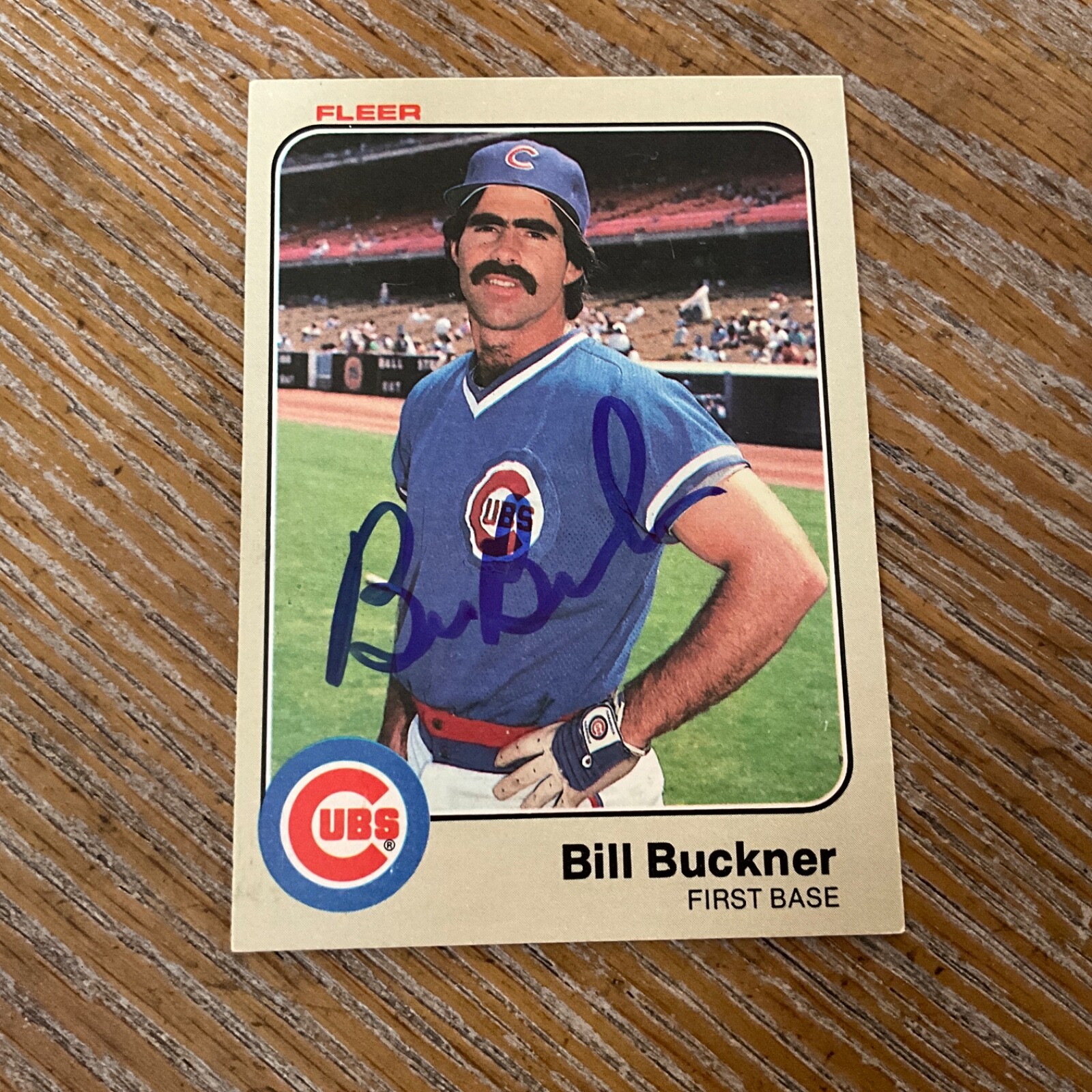
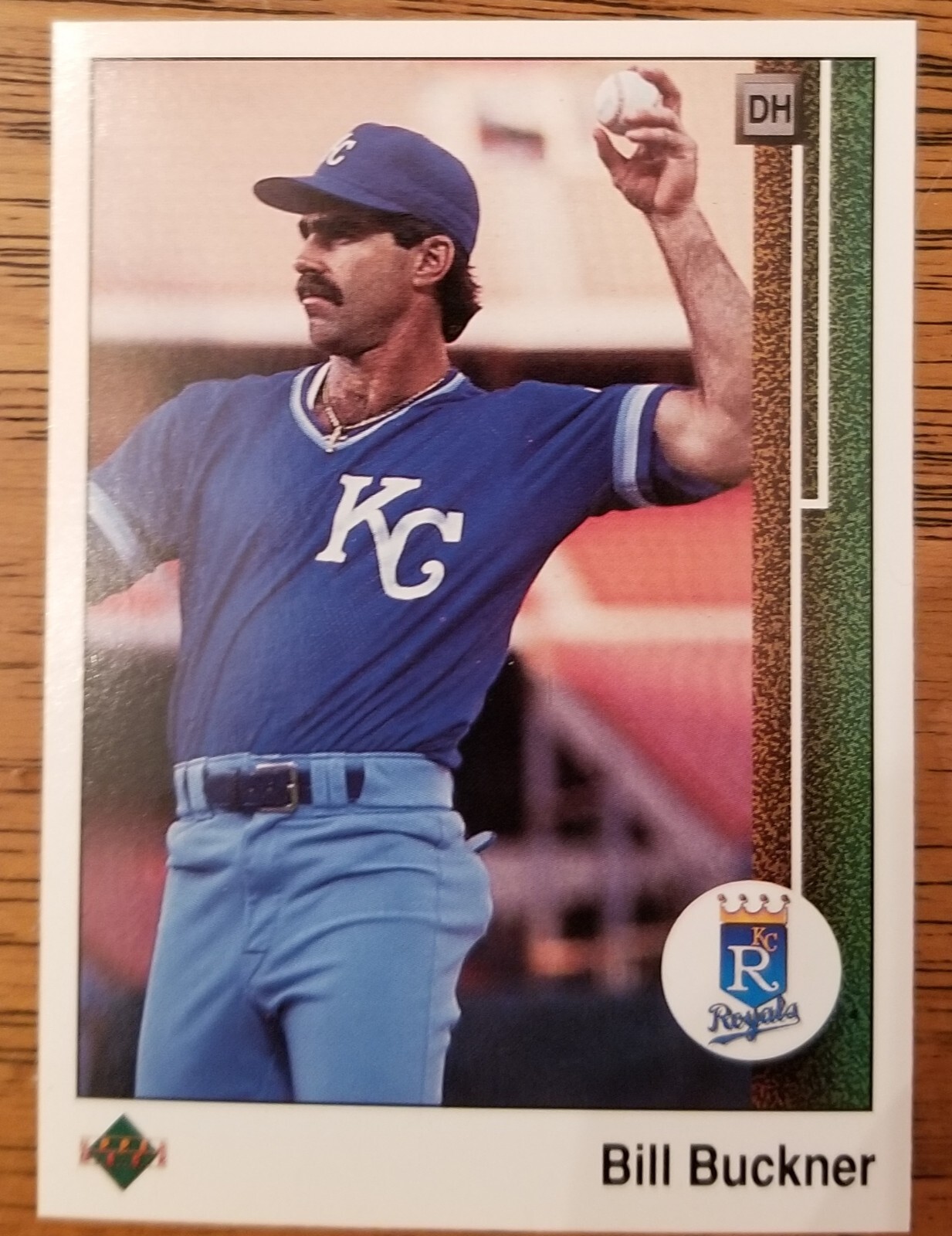
To understand the significance of Bill Buckner’s life, one must look beyond the singular moment that often dominates headlines. Born William Joseph Buckner in 1949, he began his professional journey with the Los Angeles Dodgers in 1969. Over the course of his 22-season career, which spanned from 1969 to 1990, Buckner played for the Dodgers, Chicago Cubs, Boston Red Sox, California Angels, and Kansas City Royals.
Buckner was a model of consistency, particularly with the Chicago Cubs in the early 1980s. He secured the National League batting title in 1980 with a .324 average, an achievement that cemented his status as a premier contact hitter. He was known for his ability to handle the bat, his low strikeout rate, and his gritty approach to the game. By the time he retired, he had amassed 2,715 career hits—a milestone that places him in elite company in the history of Major League Baseball.
The 1986 World Series Context
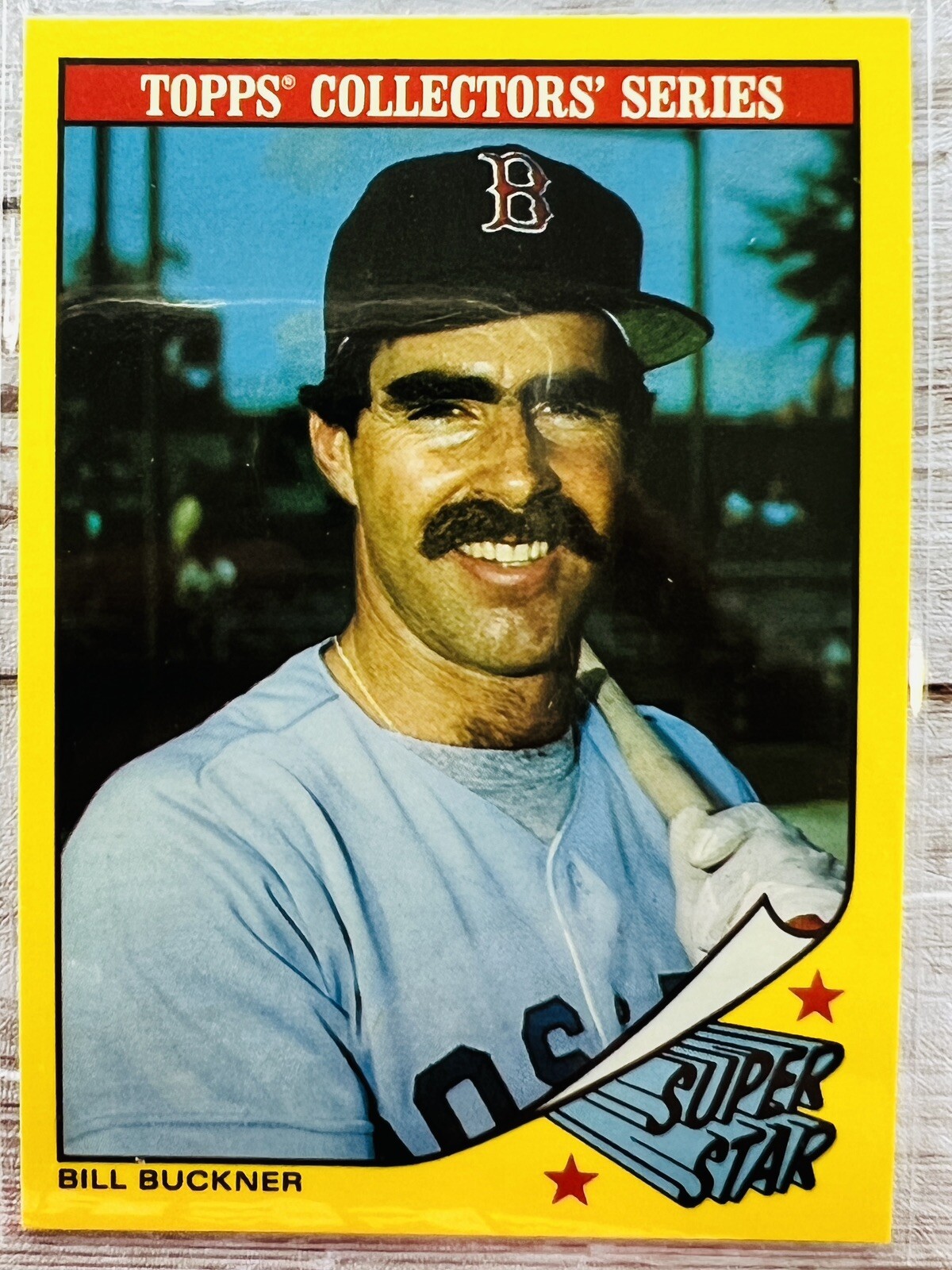
The primary reason for the enduring public interest in Bill Buckner—and consequently, the frequency with which people search for his status—is his involvement in the 1986 World Series. Playing for the Boston Red Sox, Buckner was on the field at first base during Game 6 against the New York Mets. In the bottom of the 10th inning, a ground ball hit by Mookie Wilson rolled through Buckner’s legs, allowing Ray Knight to score the winning run.
This play became one of the most iconic and scrutinized moments in sports history. For decades, it overshadowed his status as a two-time All-Star and a key contributor to multiple pennant-winning teams. Despite the intense public and media scrutiny that followed this event, Buckner remained a respected figure among his peers, often praised by teammates and coaches for his leadership and professional integrity. In the years preceding his death, the narrative surrounding that specific error shifted significantly, with many fans and historians recognizing his broader contributions to the sport rather than allowing a single play to define his legacy.
Health Struggles and Final Years
Bill Buckner’s later life was marked by a quiet transition away from the spotlight of professional baseball. After retiring from the league, he spent time coaching and engaging with fans, though he generally avoided the intense media glare. The revelation of his illness, Lewy body dementia, provided the public with context regarding his health in his final years.
Lewy body dementia is a complex condition that often presents symptoms similar to Parkinson’s disease and Alzheimer’s. It frequently impacts a person’s mobility, focus, and memory. The announcement of his death in 2019 served as a moment of reflection for the baseball community, with many former teammates and opponents sharing tributes that highlighted his character, work ethic, and love for the game. His family’s request for privacy at the time was honored, and he passed away surrounded by his loved ones.
Comparing Career Milestones and Legacy
To better understand where Bill Buckner stands in the annals of baseball history, it is helpful to compare his career statistics to those of his contemporaries. The table below outlines some of his primary achievements during his tenure in Major League Baseball.
| Category | Statistic | Career Context |
|---|---|---|
| Seasons Played | 22 | 1969–1990 |
| Total Hits | 2,715 | Among the top 75 all-time |
| Career Batting Avg | .289 | Consistent high-contact hitter |
| All-Star Appearances | 2 | 1981, 1985 |
| Batting Title | 1 | 1980 (NL Champion) |
| Position | First Base / Outfield | Versatile defensive presence |
Frequently Asked Questions
What was the cause of Bill Buckner’s death? Bill Buckner died due to complications from Lewy body dementia. This condition is a progressive brain disorder that leads to a decline in thinking, reasoning, and independent function. He had been battling the illness for a period prior to his passing in 2019.
Did Bill Buckner win a World Series title? Although he played in a World Series, he never secured a championship ring. His most famous appearance was with the 1986 Boston Red Sox. While his team reached the pinnacle of the sport, they were defeated by the New York Mets.
How did the public perception of Bill Buckner change over time? For many years, he was unfairly associated only with his error in the 1986 World Series. However, as the decades passed, the narrative evolved. Fans and analysts began to emphasize his 2,700+ career hits and his role as a reliable, veteran leader. By the time of his passing, he was widely remembered as a "hard-nosed" ballplayer and a true professional.
Is there a memorial or site dedicated to his career? While there is no singular physical memorial, his achievements are archived in the National Baseball Hall of Fame’s statistical records. Many fans visit the sites of his former home ballparks, such as Wrigley Field in Chicago or Fenway Park in Boston, to pay their respects to his contributions to those respective organizations.
What is the best way to view his career statistics today? For those looking to research his specific season-by-season performance, the most reliable resources are the official Major League Baseball historical database or Baseball-Reference. These platforms provide verified data regarding his hits, games played, and defensive metrics, ensuring that his accomplishments are viewed with historical accuracy.
Conclusion and Historical Reflection
Bill Buckner’s legacy is ultimately one of resilience. He navigated the highs of winning a batting title and the lows of a historic defensive error with a consistency that is rare in modern professional sports. As of 2026, his record as a high-volume hitter remains a significant point of reference for baseball enthusiasts. His passing in 2019 concluded a life defined by dedication to the sport, and he remains a remembered figure for his work ethic and his place in baseball history. For fans looking to remember his career, focusing on his cumulative statistics rather than individual game outcomes offers the most accurate perspective on his value to the teams he represented.
Image Gallery