Mold Remediation in Orangevale Explained
Mold remediation in Orangevale involves identifying, containing, removing, and preventing fungal growth within residential and commercial properties situated in this unique Sacramento County census-designated place. Due to Orangevale's...
Mold remediation in Orangevale involves identifying, containing, removing, and preventing fungal growth within residential and commercial properties situated in this unique Sacramento County census-designated place. Due to Orangevale's Mediterranean climate featuring cool, wet winters and hot, dry summers, properties can experience specific moisture vulnerabilities—particularly from seasonal rain infiltration, plumbing leaks, and high indoor humidity differentials. Professional mold remediation goes far beyond simple surface cleaning; it relies on structured containment protocols, industrial-grade air filtration, and moisture source elimination to ensure indoor air quality and structural integrity are fully restored.
Contents
Understanding the Local Environmental Factors in Orangevale
Orangevale sits on the bluffs of the American River, nestled between Fair Oaks, Folsom, and Citrus Heights. This geographic location exposes local homes and businesses to distinct environmental rhythms that heavily influence indoor mold development. Winter storms bring sustained precipitation and dropping temperatures, creating prime conditions for condensation on poorly insulated windows, exterior walls, and crawlspaces. When trapped moisture meets organic building materials such as drywall, wood framing, and carpet backing, mold spores can colonize within 24 to 48 hours.
Conversely, the intense summer heat in the Sacramento Valley often drives residents to run air conditioning continuously. This creates a thermal envelope where cool indoor air meets hot, humid exterior air (or unconditioned attic and crawlspace air), resulting in condensation pockets. Older properties in Orangevale, particularly those built during the mid-20th-century expansion of the area, may feature aging crawlspace ventilation systems, outdated plumbing lines, and insufficient vapor barriers. These structural traits heighten susceptibility to subterranean moisture migration and localized mold outbreaks.
The Professional Mold Remediation Process
When property owners hire certified professionals for mold remediation in Orangevale, the project follows strict industry standards, typically aligned with guidelines established by the Institute of Inspection Cleaning and Restoration Certification (IICRC S520). Understanding this step-by-step workflow helps property owners prepare for the intervention and ensures the job is executed correctly.
1. Comprehensive Inspection and Assessment
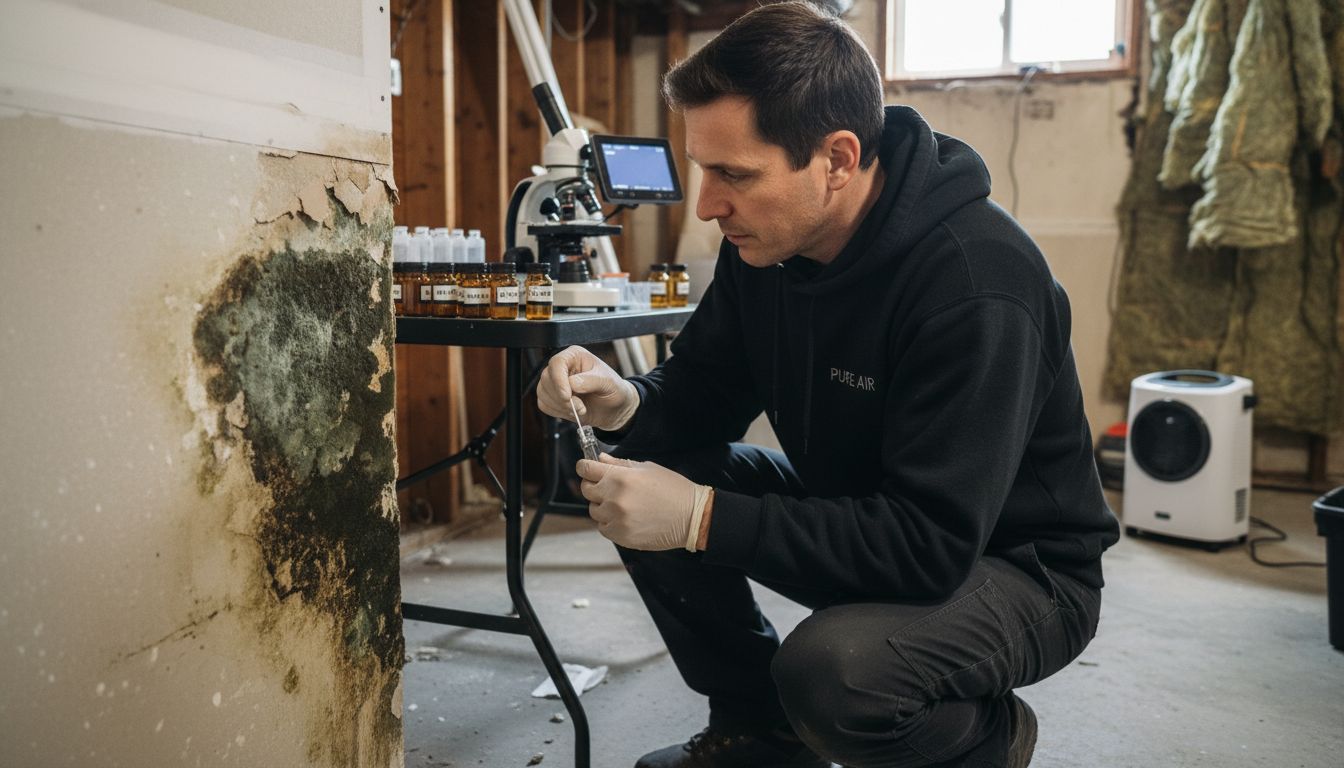
Before any physical removal begins, technicians conduct a thorough visual inspection and moisture mapping assessment. Using thermal imaging cameras, moisture meters, and hygrometers, specialists locate hidden water intrusion points behind walls, beneath flooring, and inside HVAC ductwork. In complex cases, air and surface samples may be collected and sent to an independent laboratory to identify specific mold species and spore counts.
2. Containment and Negative Air Pressure
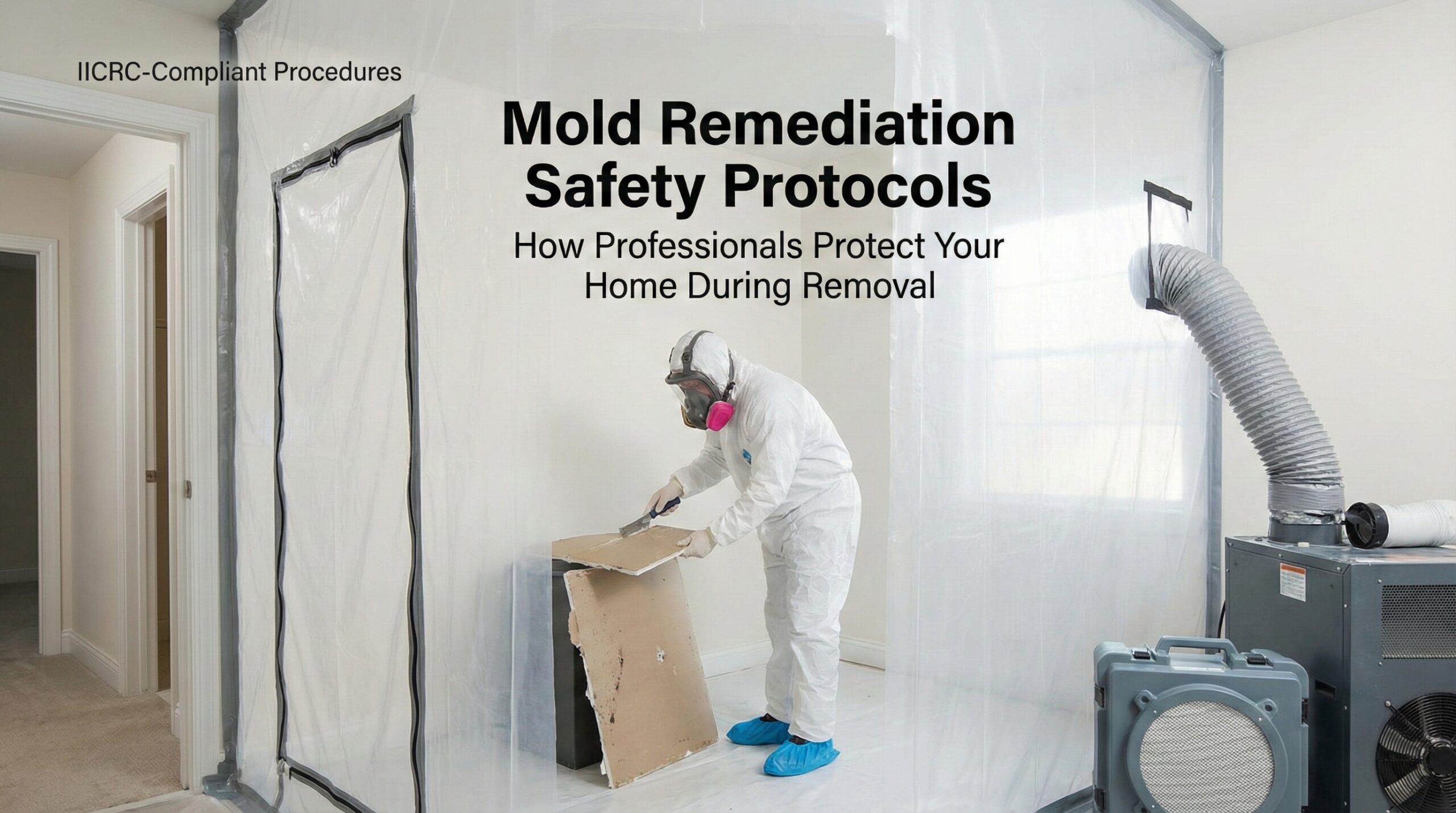
To prevent cross-contamination to unaffected areas of the property, technicians isolate the work zone. Heavy-duty polyethylene sheeting is erected to seal off the affected rooms, and High-Efficiency Particulate Air (HEPA) negative air scrubbers are installed. These machines pull air from inside the containment zone, filter out microscopic mold spores, and exhaust clean air outside, maintaining lower air pressure inside the work area so spores cannot escape into living spaces.
3. Air Filtration and Source Removal
Once containment is secure, air scrubbers run continuously throughout the remediation process. Technicians then address the contaminated materials based on their porosity and structural integrity:
- Non-porous materials (e.g., metal, glass, solid tile) can typically be cleaned, disinfected, and salvaged.
- Semi-porous materials (e.g., framing lumber, concrete) may be treated with specialized antimicrobial agents, wire-brushed, and HEPA-vacuumed.
- Porous materials (e.g., drywall, insulation, carpeting, ceiling tiles) that are heavily infested or structurally compromised cannot be reliably cleaned and must be safely bagged and discarded as construction debris.
4. Cleaning, Antimicrobial Application, and Drying
After contaminated debris is removed, all remaining structural surfaces within the containment zone are thoroughly cleaned using specialized antimicrobial and antifungicidal solutions. Industrial dehumidifiers and high-velocity air movers are then deployed to dry the structural elements completely, bringing moisture content down to safe, pre-loss levels to inhibit future spore germination.
5. Post-Remediation Verification
The final step involves a clearance check. An independent indoor environmental professional or the remediation supervisor performs a visual inspection and, if required, secondary air testing. This verification confirms that spore counts inside the structure have returned to normal baseline levels and that the moisture source has been fully corrected.
Comparison of DIY Cleaning vs. Professional Remediation
Property owners often grapple with whether a mold issue can be resolved independently or if professional intervention is required. The table below outlines key operational differences between consumer-level DIY cleaning and certified professional mold remediation.
| Feature | DIY Mold Cleaning | Professional Remediation |
|---|---|---|
| Scale & Scope | Suitable for small, isolated surface patches under 10 square feet. | Required for large areas exceeding 10 square feet or hidden mold. |
| Containment | Rarely utilized; risks spreading spores throughout the HVAC and home. | Strict physical barriers with HEPA negative air pressure systems. |
| Personal Protection | Basic N95 respirators, household gloves, and standard eye protection. | Full-face respirators, disposable Tyvek suits, and rated HEPA filters. |
| Equipment Used | Household bleach, vinegar, commercial sprays, and standard rags. | Industrial HEPA vacuums, negative air scrubbers, and antimicrobial agents. |
| Moisture Detection | Visual checks only; often misses hidden leaks behind walls. | Advanced thermal imaging, moisture meters, and hygrometers. |
| Verification | Visual guesswork without objective clearance testing. | Post-remediation verification testing and moisture documentation. |
Health Implications and Safety Considerations
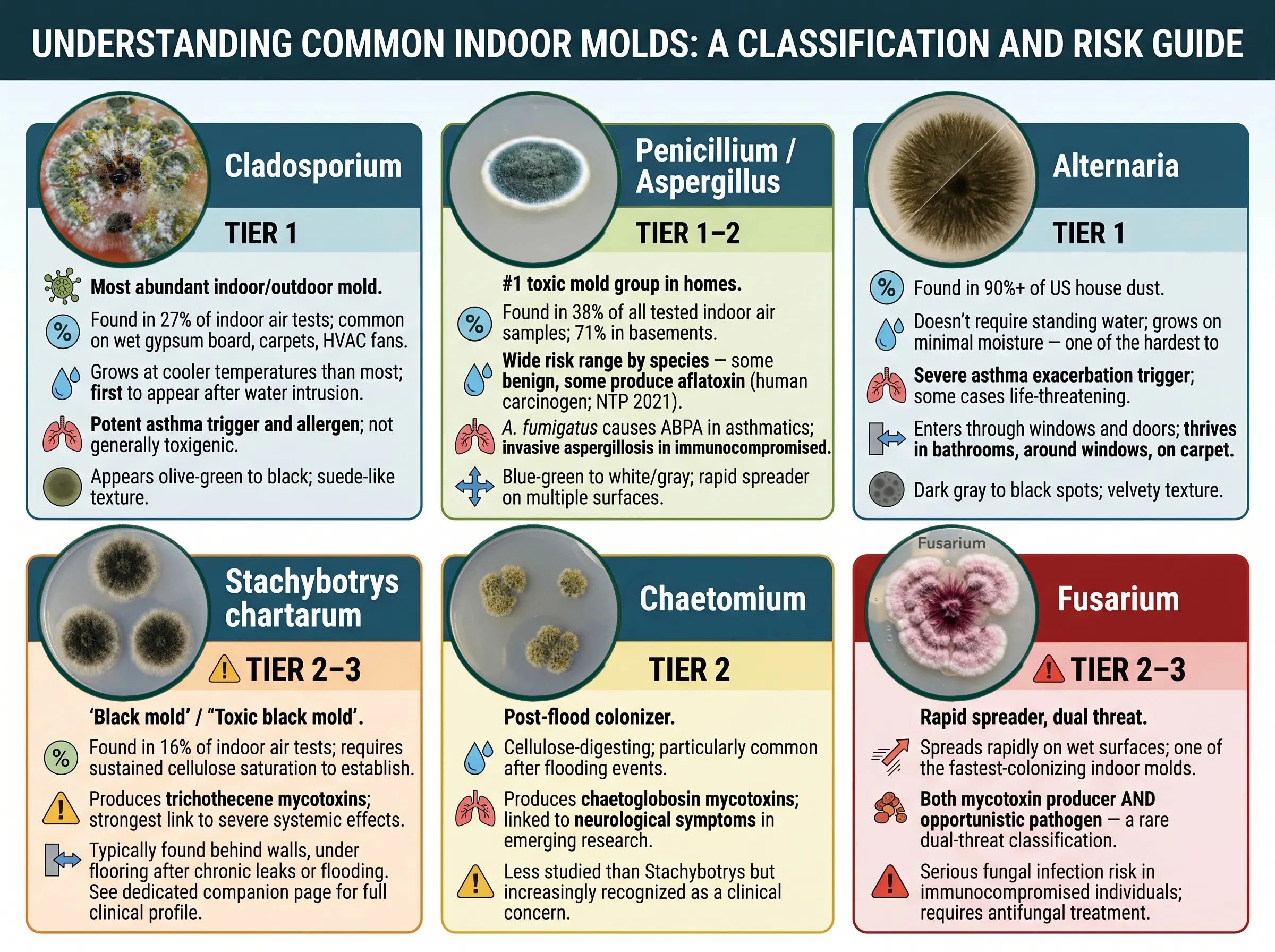
Exposure to elevated indoor mold concentrations can trigger a variety of health reactions, particularly among sensitive populations such as infants, the elderly, individuals with chronic respiratory conditions, and those with compromised immune systems. Common clinical responses associated with damp indoor environments include nasal congestion, throat irritation, coughing, wheezing, and skin rashes. Certain mold species, such as Stachybotrys chartarum (often referred to as toxic black mold), produce mycotoxins under specific moisture and nutrient conditions, though all major indoor molds warrant prompt removal regardless of species identification.
Safety during remediation is paramount. Disturbing dry mold colonies without proper containment causes millions of spores to become airborne, instantly magnifying exposure risks and spreading contamination to previously clean zones of the structure. Technicians wear personal protective equipment (PPE) featuring P100 or N95 respirator masks, disposable protective suits, and gloves to safeguard against direct contact and inhalation hazards. Property occupants and pets should remain completely outside the containment zone—and often out of the property entirely—until remediation and clearance testing are successfully completed.
Prevention Strategies for Orangevale Properties
Eradicating existing mold solves the immediate crisis, but long-term success depends entirely on controlling indoor humidity and eliminating moisture intrusion. Property owners in Orangevale can implement several targeted maintenance practices:
- Monitor Indoor Humidity: Maintain relative humidity levels below 60 percent—ideally between 30 and 50 percent—using air conditioning during summer and dehumidifiers in damp winter months.
- Inspect Roofs and Gutters: Clean gutters and downspouts regularly to ensure rainwater drains away from the foundation, preventing subterranean seepage into crawlspaces and basements.
- Maintain Plumbing Systems: Routinely check under sinks, around water heaters, and behind washing machines for slow leaks, pipe sweating, or seal degradation.
- Ensure Proper Ventilation: Run exhaust fans in bathrooms during and for at least 20 minutes after showers; similarly, vent kitchen ranges directly to the outdoors.
- Manage Crawspace Moisture: Ensure crawlspace vents are unobstructed, and consider installing a heavy-duty continuous vapor barrier (such as 6-mil polyethylene sheeting) across exposed dirt floors to block ground moisture migration.
Frequently Asked Questions
How quickly does mold grow after a water leak in a home?
Mold spores can germinate and begin colonizing indoor organic materials within 24 to 48 hours of a water intrusion event. This rapid timeline underscores the critical importance of drying out wet building materials immediately following plumbing failures, roof leaks, or severe storm flooding.
Will household bleach kill mold permanently?
Household bleach is generally ineffective on porous surfaces like drywall and wood because the chlorine liquid stays on the surface while the water penetrates deep into the material, feeding the mold roots beneath. Furthermore, EPA guidelines advise against using bleach for mold remediation on most porous or semi-porous building materials, recommending specialized biocides and physical removal instead.
Does homeowners insurance cover mold remediation in Orangevale?
Standard homeowners insurance policies typically cover mold remediation only if the mold is a direct result of a sudden, accidental covered peril, such as a burst supply pipe. Mold resulting from chronic humidity, long-term slow leaks, or structural neglect, such as deferred roof maintenance, is generally excluded from coverage. Property owners should review their specific policy endorsements and speak directly with their insurance carrier.
Is professional mold testing legally required before selling a home?
California real estate disclosure laws require sellers to disclose known material facts that affect the value or desirability of the property, including past or present water damage and mold issues. While routine pre-sale mold testing is not universally mandated by state statute, a buyer's home inspector frequently flags staining or moisture issues, prompting negotiations for professional assessment or remediation.
How do I know if mold is hidden behind my walls?
Hidden mold typically reveals itself through a persistent, musty, earthy odor, even when no visible mold is present on interior surfaces. Other indicators include peeling or bubbling paint, warped baseboards, recurring allergic symptoms experienced only while indoors, or discoloration on drywall surfaces adjacent to plumbing runs or exterior walls.
Conclusion and Next Actions
Addressing mold remediation in Orangevale requires a balanced approach combining immediate physical removal with long-term environmental control. Property owners should prioritize rapid drying after any water event, utilize certified professionals for contamination zones exceeding minor surface patches, and maintain rigorous humidity management throughout the changing seasons. To take action, begin by inspecting vulnerable areas such as crawlspaces, bathrooms, and window frames. If mold is suspected behind walls or covers a significant area, contact a licensed, IICRC-certified remediation professional to conduct a comprehensive moisture assessment and restore indoor air safety.
Image Gallery