Navigating Philadelphia PA Rhawnhurst Auto Insurance: Coverage, Requirements, and Local Rates
Securing auto insurance in the Rhawnhurst neighborhood of Philadelphia, Pennsylvania, requires balancing state-mandated coverage minimums with the unique risk factors associated with urban driving, street parking, and local traffic den...
Securing auto insurance in the Rhawnhurst neighborhood of Philadelphia, Pennsylvania, requires balancing state-mandated coverage minimums with the unique risk factors associated with urban driving, street parking, and local traffic density. Drivers in this Northeast Philadelphia community must navigate Pennsylvania’s unique choice no-fault insurance system while finding policy features that protect against local hazards, such as tight residential street parking and commuting congestion along Roosevelt Boulevard.
Contents
Understanding Pennsylvania Auto Insurance Requirements
Pennsylvania law mandates that every registered vehicle owner maintain specific types and amounts of financial responsibility. Operating a vehicle without meeting these standards can lead to severe penalties, including fines, vehicle impoundment, and the suspension of driver's licenses and vehicle registrations.
The Commonwealth operates under a unique system that allows drivers to choose between "full tort" and "limited tort" options, which significantly impacts legal rights after an accident. Furthermore, Pennsylvania requires specific minimum limits for liability and medical benefits.
Mandatory Coverages Under State Law
Every auto insurance policy issued in Pennsylvania must include the following minimum coverages:
- Medical Benefits (First Party Benefits): A minimum of $5,000 to pay for medical treatment for you, your passengers, or pedestrians injured in an accident, regardless of fault.
- Bodily Injury Liability: A minimum of $15,000 for injury or death of one person in an accident, and $30,000 for total injuries or deaths per accident.
- Property Damage Liability: A minimum of $5,000 to cover damage you cause to another person’s property, such as their vehicle, guardrails, or buildings.
While these state minimums represent the legal threshold to drive on public roads, insurance professionals generally recommend higher limits. Medical bills and vehicle repair costs frequently exceed these baseline figures, leaving underinsured motorists personally liable for the remaining balance.
Full Tort vs. Limited Tort
When purchasing a policy in Pennsylvania, drivers must select a tort option:
- Limited Tort: Restricts your right to sue an at-fault driver for "pain and suffering" unless your injuries meet the legal definition of a "serious injury" (such as death, serious impairment of body function, or permanent disfigurement). Choosing limited tort typically results in lower monthly premiums.
- Full Tort: Preserves your unrestricted right to seek financial compensation for pain and suffering from any at-fault driver, regardless of the severity of your injuries. This option costs more in annual premiums but provides maximum legal protection.
The Rhawnhurst Factor: Local Driving and Risk Considerations
Rhawnhurst is a densely populated residential neighborhood in Northeast Philadelphia, bordered by neighborhoods like Fox Chase, Bustleton, and Oxford Circle. Local geography, street design, and traffic patterns directly influence auto insurance risk profiles and premium calculations.
Traffic Density and Commuting Patterns
Rhawnhurst residents frequently utilize major regional arteries such as Roosevelt Boulevard (U.S. Route 1), Cottman Avenue, and Castor Avenue. Roosevelt Boulevard, in particular, is known for high traffic volumes, complex lane configurations, and a historical frequency of collisions. Insurance underwriters factor proximity to high-accident corridors into their geographic rating models. Commuters traveling from Rhawnhurst toward Center City Philadelphia or suburban Montgomery County face daily congestion, increasing the statistical exposure to minor fender-benders and major multi-vehicle accidents.
Parking and Vehicle Security
Many homes in Rhawnhurst feature driveways or attached garages, but a significant portion of residents rely on street parking along narrow residential blocks. Street parking exposes vehicles to higher risks of side-swipe damage, hit-and-run incidents while parked, vandalism, and property theft. Comprehensive coverage—which protects against non-collision events like theft, vandalism, and falling tree limbs—is particularly valuable for vehicle owners who park exclusively on the street.
Comparing Coverage Types and Optional Enhancements
Beyond state minimums, drivers can customize their policies with several optional coverages designed to provide comprehensive financial protection.
| Coverage Type | What It Protects Against | Recommended For |
|---|---|---|
| Collision | Damage to your vehicle from a crash with another car or object, regardless of fault. | Vehicles financed, leased, or of high market value. |
| Comprehensive | Theft, vandalism, fire, weather events, and animal strikes. | Street-parked vehicles and newer models. |
| Uninsured/Underinsured Motorist (UM/UIM) | Medical bills and property damage when hit by a driver with little or no insurance. | All drivers, given uninsured motorist rates in urban areas. |
| Rental Reimbursement | The cost of a rental car while your vehicle is repaired after a covered claim. | Drivers who rely on their vehicle daily for work. |
| Roadside Assistance | Towing, flat tire changes, jump-starts, and lockout services. | Older vehicles or frequent long-distance commuters. |
Factors That Influence Auto Insurance Rates in Rhawnhurst
Insurance companies utilize complex actuarial algorithms to determine individual premium rates. Understanding these variables can help policyholders identify opportunities to lower their costs.
ZIP Code and Geographic Risk
Insurance companies group risks by ZIP code (primarily 19115 and surrounding areas for Rhawnhurst). Urban ZIP codes typically carry higher insurance premiums than rural or suburban areas due to higher frequencies of traffic congestion, vehicle thefts, and uninsured motorists.
Driver History and Demographic Profile
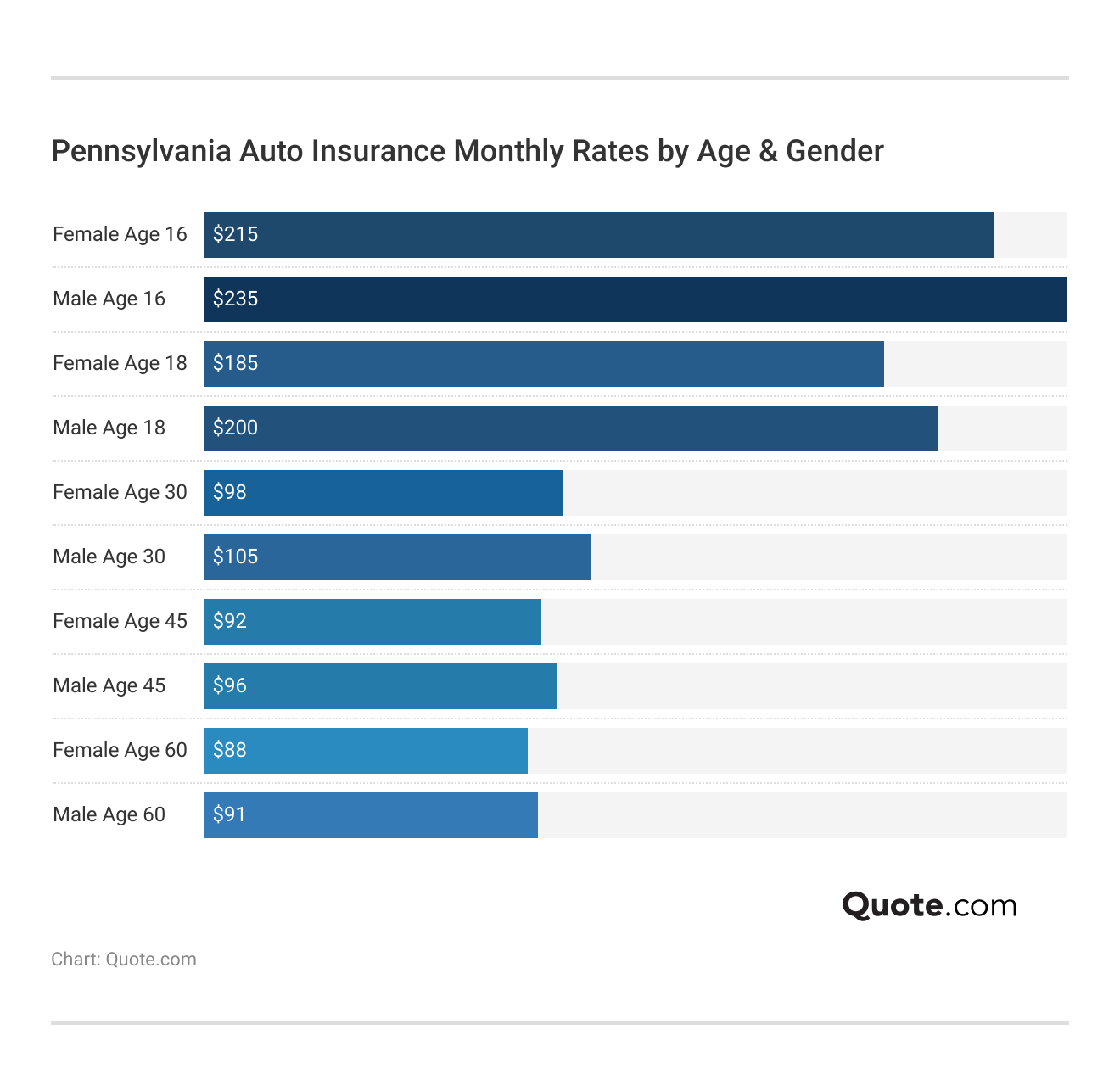
An individual's driving record remains one of the most heavily weighted pricing factors. Clean driving records over a three-to-five-year period secure the lowest rates. Speeding tickets, at-fault accidents, and driving under the influence (DUI) convictions cause significant rate increases. Additionally, age, gender, and years of driving experience influence rates, with younger or newly licensed drivers paying substantially more.
Vehicle Make, Model, and Safety Features
The specific vehicle you drive impacts your premium. Cars with high safety ratings, advanced driver-assistance systems (such as automatic emergency braking), and lower repair costs generally cost less to insure. Conversely, high-performance sports cars or luxury vehicles with expensive electronic components command higher comprehensive and collision rates.
Strategies to Lower Your Auto Insurance Premiums
Policyholders in Rhawnhurst can utilize several proven strategies to reduce their insurance expenditures without sacrificing essential coverage:
- Bundle Policies: Combining auto insurance with homeowners or renters insurance through the same carrier frequently unlocks multi-policy discounts ranging from 10% to 25%.
- Increase Deductibles: Raising your collision and comprehensive deductibles from $500 to $1,000 lowers your monthly premium. Ensure you maintain adequate savings to cover the higher out-of-pocket deductible in the event of a claim.
- Maintain Good Credit: In Pennsylvania, insurers are permitted to use credit-based insurance scores to help determine rates. Maintaining a strong credit history helps secure lower premiums.
- Inquire About Special Discounts: Ask providers about discounts for paperless billing, automatic monthly payments, defensive driving course completion, and low annual mileage.
- Shop Around Annually: Insurance markets fluctuate. Comparing quotes from multiple licensed carriers every year ensures you remain competitive in the marketplace.
Frequently Asked Questions
Is auto insurance more expensive in Rhawnhurst compared to Philadelphia suburbs?
Yes. Urban areas within Philadelphia County typically experience higher insurance rates than surrounding suburban counties like Bucks, Montgomery, or Delaware. This variance is driven by higher population density, increased traffic collision rates, higher rates of vehicle theft, and a higher percentage of uninsured drivers on urban roads.
Do I need uninsured motorist coverage in Pennsylvania?
While uninsured motorist (UM) and underinsured motorist (UIM) coverages are optional in Pennsylvania, insurance experts strongly recommend them. A significant percentage of drivers on urban Pennsylvania roads operate vehicles without valid insurance. UM/UIM coverage protects you and your passengers if you are injured by someone who cannot pay for your medical bills.
Can I park my car on the street in Rhawnhurst and still get comprehensive coverage?
Yes. Insurance companies do not deny comprehensive coverage for street-parked vehicles, but your underwriting quote may reflect the increased risk profile. Be sure to provide accurate parking information to your insurer to ensure your policy remains valid.
What should I do immediately after a car accident in Rhawnhurst?
First, ensure everyone is safe and move to a secure location if possible. Call 911 to report the accident and request police assistance, especially if there are injuries or significant vehicle damage. Exchange insurance information, contact details, and license plate numbers with the other driver. Document the scene with photographs and report the claim to your insurance provider as soon as possible.
Next Actions for Rhawnhurst Drivers
To secure the most appropriate auto insurance policy for your needs in Rhawnhurst, gather your current policy declarations page, driver's license numbers, and vehicle information. Request customized quotes from at least three different licensed insurance carriers or an independent insurance broker who can compare multiple regional and national providers. Evaluate policies based on coverage limits, deductible levels, and customer service reputations rather than price alone to ensure robust protection on Philadelphia roads.
Image Gallery