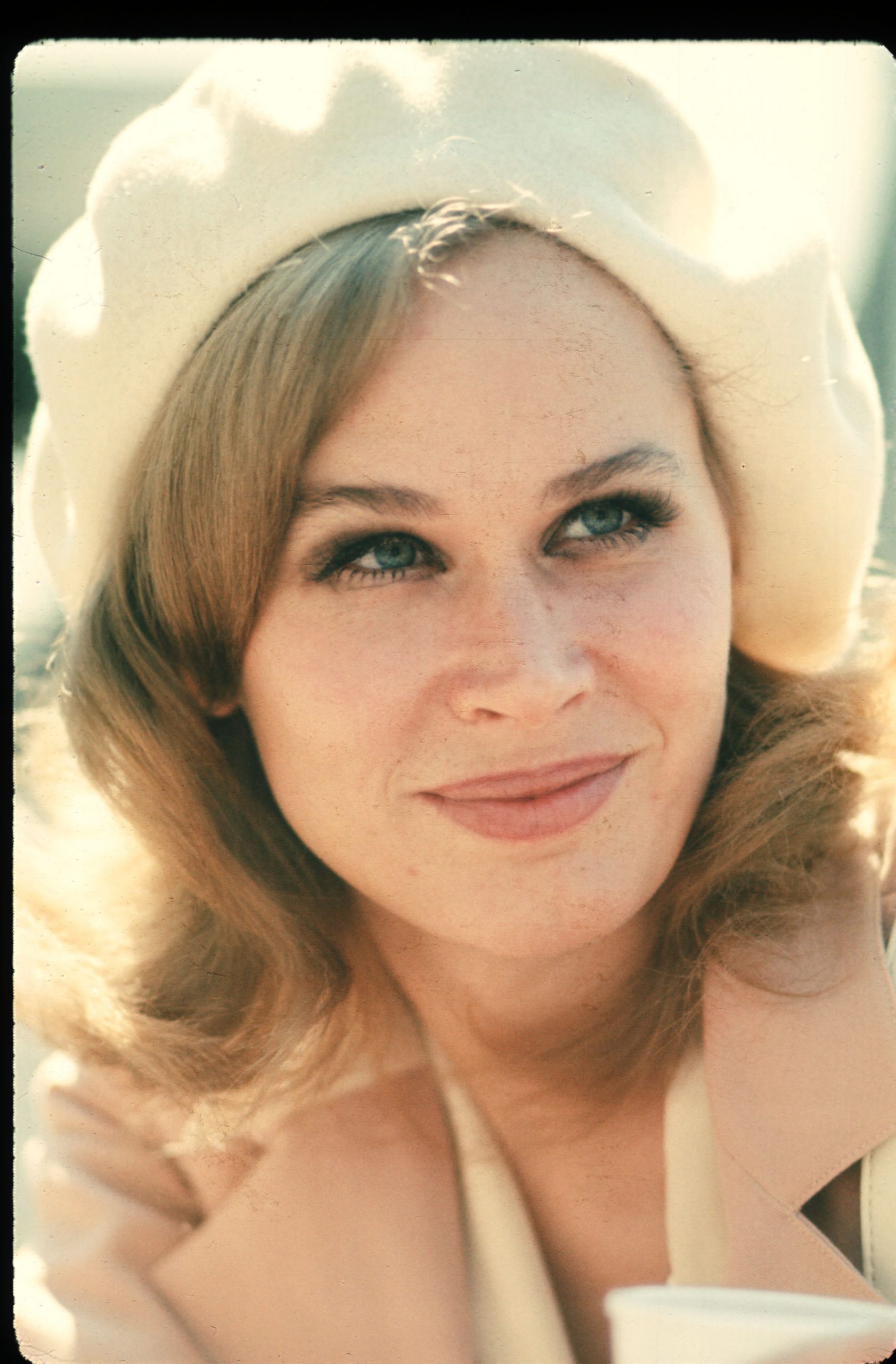
Karen Witter Net Worth: A Fact-Based Profile
Karen Witter is a former American actress and model widely recognized for her work in the 1980s and 1990s, most notably for her tenure as a Playmate of the Month and her long-running role on the daytime soap opera One Life to Live. Her...
Karen Witter is a former American actress and model widely recognized for her work in the 1980s and 1990s, most notably for her tenure as a Playmate of the Month and her long-running role on the daytime soap opera One Life to Live. Her net worth, estimated between $1 million and $3 million as of 2026, reflects a career built on diverse roles in film, television, and modeling rather than inherited wealth or high-profile corporate holdings.
Contents
Understanding the Career Trajectory
To understand the financial standing of someone like Karen Witter, it is essential to analyze the industry structures within which she operated. Witter’s career path is representative of many professional actors during the late 20th century who balanced recurring television roles with commercial modeling and episodic guest spots.
Witter’s prominence began in the early 1980s. She gained significant visibility when she appeared as the Playboy Playmate of the Month in March 1982. In the entertainment industry of that era, such a designation often served as a launchpad for broader exposure in Hollywood. Unlike modern influencers who leverage digital platforms for passive revenue, Witter’s career was rooted in the traditional studio model, where compensation was tied to episodic rates, residuals, and contract work.
The Role of Daytime Television and Residuals
The primary driver of Witter’s professional recognition was her portrayal of Tina Lord on the ABC soap opera One Life to Live. She appeared on the program intermittently between 1990 and 1994, with further guest appearances in later years. Daytime drama contracts provided a stable, consistent income during their duration, which is a significant factor in wealth accumulation for actors of her generation.
In the context of wealth estimation, "residuals" play a crucial role. Residual payments are ongoing royalties paid to performers when a program is rebroadcast, released on home media, or licensed to streaming services. While soap operas rarely generate the massive syndication wealth of prime-time sitcoms like Seinfeld or Friends, consistent work in long-running series allowed actors to maintain a professional standard of living and invest earnings into real estate or diversified portfolios.
Comparative Industry Standards
When assessing the net worth of television actors from the 1990s, analysts look at the standard pay grades for daytime roles. During that period, lead actors on soap operas earned salaries ranging from modest entry-level daily rates to substantial sums for established stars. Witter’s ability to secure recurring work across various projects indicates a sustained professional income rather than a single "windfall" event.
| Career Phase | Primary Revenue Source | Nature of Income |
|---|---|---|
| Early Career (1982) | Modeling/Print | Per-project fee |
| Peak Television (1990–1994) | Soap Opera Contracts | Recurring salary/Residuals |
| Later Appearances | Guest episodic roles | Fixed per-episode fee |
The Impact of Private Financial Choices
It is important to note that public "net worth" figures are often estimates based on career longevity and reported assets, and they frequently exclude private financial decisions. Karen Witter’s personal life, including her marriage to actor Chuck Wagner, is often tied to these public financial discussions. In the world of wealth reporting, the shared assets of a household often coalesce into a singular public estimation.
When evaluating a profile like this, one must account for the lack of public disclosure regarding private investments, property ownership, and debt obligations. Because Witter transitioned away from the high-intensity limelight of daily television in the late 1990s, her net worth has remained relatively stable, likely supported by the maturation of long-term investments rather than new, high-volume employment contracts.
Distinguishing Fact from Speculation
In the digital age, many automated platforms generate "net worth" figures that lack empirical backing. These sites often use algorithms to multiply an actor's estimated career earnings by an assumed savings rate. However, a fact-based profile must prioritize verified appearances and publicly documented career milestones.
There is no evidence to suggest that Witter held large-scale commercial business interests or tech equity. Her wealth is traditionally derived from:
- Professional Acting Fees: Salaries earned from television series and feature film appearances.
- Modeling Contracts: Income from print media and commercial endorsements.
- Real Estate Appreciation: As is common for many individuals who established careers in Los Angeles during the 1980s, property ownership serves as the foundation for long-term net worth.
Frequently Asked Questions
How is Karen Witter’s net worth calculated? Net worth is calculated by aggregating known career earnings, property holdings, and assets, minus liabilities. Because Witter is not a public corporate executive or high-frequency investor, estimates are derived from industry standard pay scales for actors with her specific credit history.
Did her role in One Life to Live contribute significantly to her wealth? Yes, appearing as a series regular on a long-running daytime drama is a major financial contributor. These roles provided years of consistent, high-end pay that allowed for the accumulation of wealth beyond simple per-project earnings.
Is there public information about her current investments? No. Like many former public figures who have transitioned into a more private life, Karen Witter does not disclose her private investment portfolio. Any claims regarding specific stock holdings or business ventures are speculative and should not be treated as fact.
How accurate are online celebrity net worth estimators? They are generally considered unreliable approximations. They often lack access to tax records or private bank statements and instead rely on aggregate databases that may double-count earnings or fail to account for cost-of-living expenses and lifestyle expenditures.
What professional activities currently influence her financial status? As of 2026, Witter is largely retired from consistent acting. Her financial standing is maintained by the maturity of assets acquired during her active working years rather than new, active income streams.
Professional Financial Disclaimer
The figures presented in this profile are estimates based on historical career data and public records. They do not constitute financial advice, and they should not be used as the basis for investment decisions or credit applications. Individual financial situations are subject to tax regulations, personal debt, and private asset management, none of which are fully accessible to the public. Readers seeking financial guidance should consult with a licensed wealth manager or certified financial planner.
Next Steps for Financial Research
If you are researching the wealth of actors from this era, the most accurate method involves checking publicly available records of property transactions in the jurisdictions where the individual resided, such as Los Angeles County. Additionally, professional databases like the Screen Actors Guild (SAG-AFTRA) historical archives provide insight into the scope of an actor's work history, which remains the best indicator of their historical earning potential.
Image Gallery