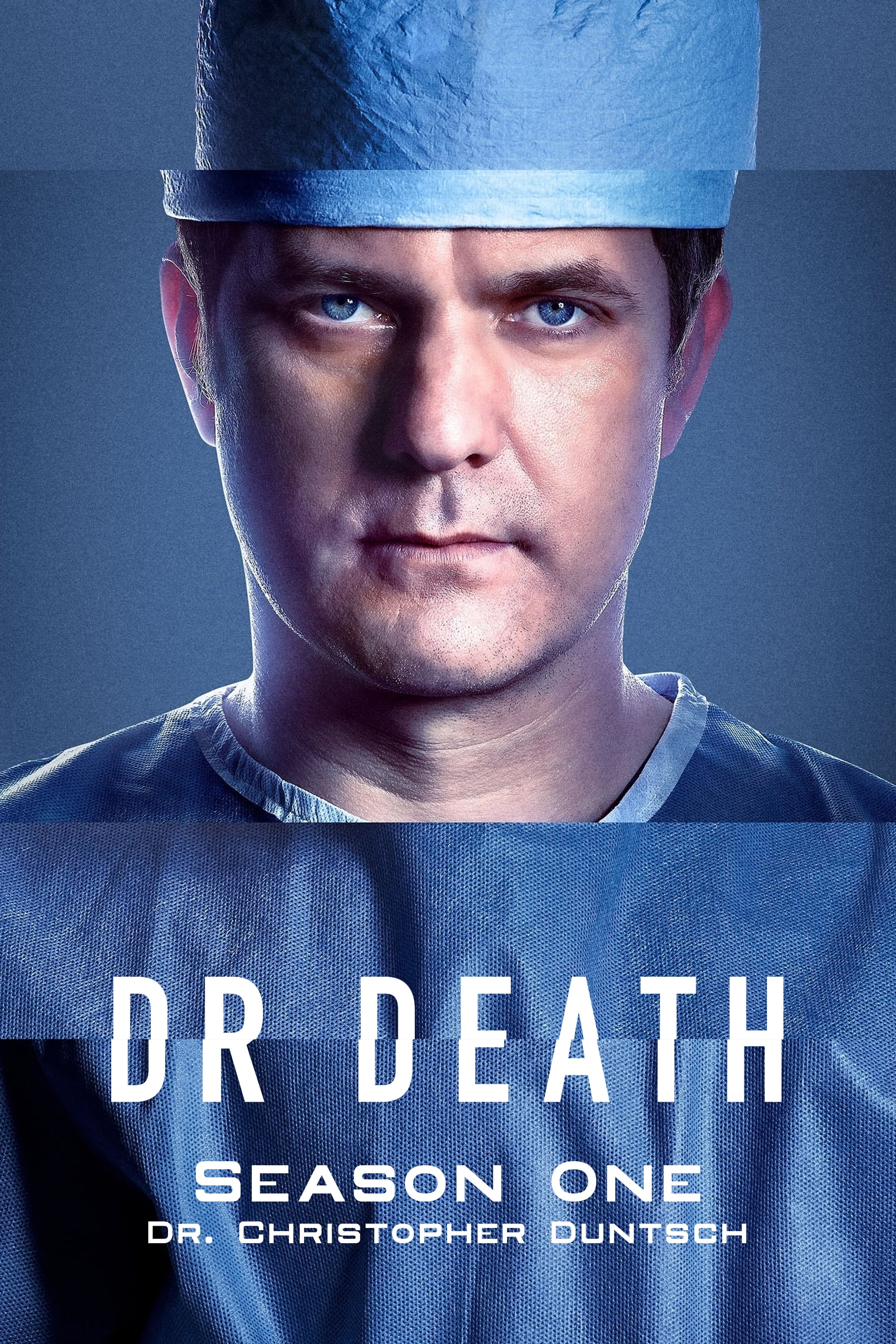
The Doctor Death Case: Inside the Criminal Trial and Systemic Breakdown of Christopher Duntsch
The "Doctor Death case" refers to the landmark criminal prosecution of Christopher Duntsch, a Texas neurosurgeon who maimed 33 patients and killed two between 2011 and 2013. The case established a historical legal precedent in 2017 whe...
The "Doctor Death case" refers to the landmark criminal prosecution of Christopher Duntsch, a Texas neurosurgeon who maimed 33 patients and killed two between 2011 and 2013. The case established a historical legal precedent in 2017 when Duntsch was convicted of injury to an elderly person and sentenced to life imprisonment for surgical gross negligence.
Contents
Case Overview and Disambiguation: Who Was "Doctor Death"?
While the monikers "Doctor Death" or "Dr. Death" have been applied by the public and media to several infamous medical figures—notably British serial killer Harold Shipman and American physician-assisted suicide advocate Jack Kevorkian—in modern American jurisprudence and pop culture, the Doctor Death case predominantly refers to the criminal trial of Dr. Christopher Daniel Duntsch.
Duntsch was a licensed neurosurgeon operating in the Dallas-Fort Worth metroplex. Over a 2-year period, he performed roughly 38 spinal surgeries, leaving 33 patients severely injured, paralyzed, or dead. Unlike classic medical murder cases where a practitioner intentionally administers lethal substances outside standard clinical treatments, Duntsch caused catastrophic bodily harm directly inside the operating room using standard surgical tools.
Background and Credentials
Christopher Duntsch possessed what appeared to be exemplary academic credentials on paper. He completed an MD-PhD program at the University of Tennessee Health Science Center, followed by a surgical residency and a spine fellowship.
However, post-conviction investigations revealed that during his residency, Duntsch had spent significantly more time on lab research than in actual operating procedures. Standard neurosurgical residencies typically require hundreds of supervised surgeries; evidence presented at trial indicated Duntsch performed a fraction of that expected clinical volume. Furthermore, allegations of substance abuse surfaced during his training, yet he passed through the medical training pipeline without formal disqualification or permanent record flags.
Chronology of Surgical Botches and Patient Harm (2011–2013)
Between July 2011 and June 2013, Duntsch held surgical privileges at multiple hospitals in North Texas, including Baylor Regional Medical Center at Plano, Dallas Medical Center, and University General Hospital Dallas. Across these institutions, his operations repeatedly resulted in severe anatomical damage, massive blood loss, permanent neurological impairment, and death.
- [2011] Duntsch opens practice in Dallas-Fort Worth area
- [Dec 2011] Paralyzes close friend Jerry Summers during spinal fusion
- [Mar 2012] Patient Kellie Martin bleeds to death following surgical artery severing
- [Apr 2012] Baylor Plano allows Duntsch to resign without formal reporting to NPDB
- [July 2012] Patient Floella Brown dies; Mary Efurd maimed at Dallas Medical Center
- [June 2013] Texas Medical Board suspends Duntsch's medical license
- [July 2015] Duntsch arrested on five counts of aggravated assault and one count of injury to an elderly person
- [Feb 2017] Convicted and sentenced to life imprisonment
Key Patient Incidents
- Jerry Summers (December 2011): Summers, a lifelong friend of Duntsch, underwent an elective cervical spinal fusion at Baylor Regional Medical Center at Plano. During the operation, Duntsch severed muscle tissue, damaged the spinal cord, and caused massive hemorrhaging. Summers woke up quadriplegic.
- Kellie Martin (March 2012): During a routine diskectomy, Duntsch severed a major artery in Martin’s neck. Despite warnings from operating room nurses regarding rapid blood loss, Duntsch continued operating. Martin bled to death in the intensive care unit.
- Floella Brown (July 2012): At Dallas Medical Center, Duntsch sliced Brown’s vertebral artery during a cervical fusion, triggering a massive stroke that resulted in brain death.
- Mary Efurd (July 2012): Operating on 74-year-old Mary Efurd hours after Brown's fatal surgery, Duntsch attempted a lumbar fusion. He amputated a nerve root, misdirected surgical hardware directly into soft muscle tissue, and left surgical screws dangling completely loose. Efurd was left permanently disabled and reliant on a wheelchair.
Institutional Blind Spots: How Hospitals Allowed the Harm to Continue
A central question arising from the Doctor Death case is how a surgeon could repeatedly maim patients across multiple hospital networks without immediate police intervention or license revocation. The escalation of Duntsch's actions was facilitated by systemic loopholes, peer-review confidentiality laws, financial incentives, and state-level tort reform structures.
Confidential Resignations and NPDB Reporting Loopholes
Under federal guidelines established by the Health Care Quality Improvement Act of 1986, hospitals are required to report physicians to the National Practitioner Data Bank (NPDB) if they undergo adverse privilege actions lasting longer than 30 days or if they resign while under investigation.
To avoid costly litigation and publicity, hospital administrators often negotiated voluntary resignations with Duntsch before formal internal investigations concluded. By allowing him to resign quietly, facilities technically bypassed the strict federal reporting trigger. Consequently, Duntsch was able to present a clean, unblemished record to the next hospital credentialing committee, securing surgical privileges at new facilities like Dallas Medical Center and legacy hospitals.
Impact of Medical Malpractice Tort Reform
In 2003, Texas passed constitutional legislation (Proposition 12) placing strict statutory caps on non-economic damages in medical malpractice lawsuits (capped at $250,000 per healthcare provider). While designed to reduce defensive medicine costs and malpractice insurance premiums, the reform had unintended systemic consequences:
- Reduced Legal Redress: Plaintiffs’ attorneys found it financially unviable to litigate complex medical negligence cases, as expert witness fees and discovery costs frequently exceeded the potential recoverable damages.
- Higher Liability Thresholds: Texas law raised the standard of proof required to hold emergency medical providers civilly liable, creating higher hurdles for injured patients seeking civil remedies.
- Shielding Facilities: Peer-review protections and hospital liability immunities created legal barriers that hindered external oversight of hospital credentialing boards.
Whistleblowers and Criminal Prosecution
The legal breakthrough in the Duntsch case came not through administrative regulatory boards or civil litigation, but through the persistent intervention of whistleblower physicians and aggressive local prosecutors.
The Role of Whistleblower Surgeons
Dr. Robert Henderson, a veteran orthopedic spine surgeon in Dallas, was brought in to perform emergency corrective surgery on Mary Efurd after Duntsch's botched operation. Upon viewing Efurd's post-operative imaging and opening her back, Henderson discovered catastrophic anatomical damage that he later described as reminiscent of someone who had never attended medical school.
Henderson, along with vascular surgeon Dr. Randall Kirby, recognized that Duntsch represented an active public safety threat. The two doctors spent months gathering medical records, contacting the Texas Medical Board, and lobbying local prosecutors to treat the situation not as civil malpractice, but as criminal violence.
Texas Medical Board Intervention
The Texas Medical Board (TMB) faced intense criticism for its initial delay in suspending Duntsch's license. Due to statutory investigative mandates and due-process requirements, the board took over a year from the first severe incidents to formally suspend Duntsch’s license in June 2013, eventually revoking it in December 2013.
The 2017 Criminal Trial
In July 2015, Dallas County prosecutors, led by Assistant District Attorney Michelle Shughart, indicted Duntsch on multiple felony counts, including five counts of aggravated assault with a deadly weapon (the deadly weapon being his surgical instruments and hands) and one count of injury to an elderly person.
Prosecutors chose to try Duntsch specifically for the harm inflicted on 74-year-old Mary Efurd because Texas penal code classifies injury to an elderly individual as a first-degree felony, which carries a maximum penalty of life imprisonment.
To secure a conviction, prosecutors had to prove that Duntsch acted intentionally, knowingly, or recklessly—moving beyond the standard legal definition of medical negligence into criminal culpability. Key evidence presented during the trial included:
- Surgical Reconstruction Testimony: Expert witnesses testified that Duntsch's surgical maneuvers deviated so drastically from established medical standards that they constituted conscious disregard for human life.
- The 2011 Email: Prosecutors introduced a 2011 email sent by Duntsch to his assistant, in which he stated he was ready to "become a cold-blooded killer" and described himself as a "god-complexed" individual.
On February 20, 2017, after a four-week trial, the jury deliberated for four hours before returning a guilty verdict. Duntsch was sentenced to life imprisonment. The Texas Court of Appeals upheld his conviction in 2018. As of 2026, Duntsch remains incarcerated in the Texas Department of Criminal Justice system, with his first parole eligibility date set for 2045.
Civil Malpractice vs. Criminal Prosecution
The conviction of Christopher Duntsch marked a rare instance in American legal history where surgical incompetence led to direct criminal charges and life imprisonment. The vast majority of medical errors are handled strictly within civil court systems or administrative licensing bodies.
| Dimension | Civil Medical Malpractice | Criminal Prosecution (Duntsch Precedent) |
|---|---|---|
| Primary Forum | Civil District Court | State Criminal Court |
| Standard of Proof | Preponderance of the evidence (>50% probability) | Beyond a reasonable doubt (~99% certainty) |
| Required Mental State (Mens Rea) | Negligence (failure to exercise reasonable care) | Reckless indifference, knowledge, or intentional harm |
| Primary Remedies | Financial compensation (economic/non-economic damages) | Incarceration, criminal probation, asset forfeiture |
| Legal Subject Matter | Breach of professional standard of care | Penal code violations (e.g., Aggravated Assault, Battery) |
| Initiating Party | Injured patient or surviving estate (Plaintiff) | State or District Attorney (Prosecution) |
| Systemic Impact | Individual compensation, insurance payouts | Permanent removal from society, deterrent for systemic cover-ups |
Systemic Reform and Legal Precedents
The Doctor Death case exposed critical gaps in hospital credentialing, reporting laws, and state regulatory oversight, prompting nationwide discussions regarding healthcare safety and patient protection.
Mandatory Credentialing Rigor
Following the disclosures surrounding Duntsch's employment history, hospitals nationwide updated their credentialing protocols. Modern credentialing committees frequently require:
- Direct Peer Verification: Direct, verbal primary-source verification from previous department heads rather than relying solely on standardized human resources discharge letters.
- Surgical Log Audits: Mandatory submission of audited surgical logs verified by former program directors to confirm actual procedure volume.
- NPDB Integrity Audits: Enhanced scrutiny regarding gaps in employment or abrupt resignations occurring alongside internal quality reviews.
Professional Oversight and Reporting Mandates
State legislatures and medical licensing boards faced pressure to streamline emergency suspension procedures. When a doctor presents an immediate threat of physical harm, regulatory bodies have refined administrative emergency suspension pathways to bypass lengthy investigative delays.
How Patients Can Verify Physician Credentials and Hospital Safety
While legal reforms have addressed administrative gaps, patient advocacy organizations emphasize the importance of independent research prior to undergoing non-emergency elective procedures.
- PATIENT ADVOCACY VERIFICATION STEPS
- [State Medical Board Search] Verify active license status & discipline
- [Board Certification] Check ABMS / AOA board status
- [Institutional Research] Review hospital safety scores (Leapfrog/CMS)
1. Check State Medical Board Databases
Every US state maintains a public directory of licensed physicians. Patients should look up their surgeon on the state medical board database (e.g., the Texas Medical Board, Medical Board of California, or New York Department of Health) to verify:
- License status (Active, Suspended, Revoked).
- Formal disciplinary actions, board orders, or public reprimands.
- History of malpractice payments (where reported by state law).
2. Confirm Board Certification
Licensure guarantees minimum state requirements to practice medicine, but Board Certification demonstrates advanced competency in a specific specialty. Patients should verify board certification through official databases such as the American Board of Medical Specialties (ABMS) or the American Osteopathic Association (AOA).
3. Seek Second Opinions for Major Elective Procedures
If a surgeon recommends high-risk spine, brain, or cardiac surgery, obtaining an independent second opinion from an unaffiliated medical center provides vital confirmation of the diagnosis and surgical plan. Be cautious of practitioners who discourage second opinions or push for immediate, non-emergency surgery.
Frequently Asked Questions
What was the specific legal charge that led to Christopher Duntsch's life sentence?
Although Duntsch maimed dozens of patients and killed two, he was tried and convicted primarily on one count of injury to an elderly person for his surgical actions on Mary Efurd. Under Texas law, injury to an elderly individual is a first-degree felony carrying up to life imprisonment.
Why wasn't Christopher Duntsch tried for murder?
Proving murder in a clinical setting requires establishing intentional homicide beyond a reasonable doubt. Charging Duntsch with injury to an elderly person and aggravated assault allowed prosecutors to prove he acted recklessly with conscious disregard for human life—a legal standard clearly supported by expert testimony and physical evidence.
Can a doctor be sued criminally for medical malpractice?
Standard medical malpractice is a civil matter involving professional negligence, not a crime. However, if a physician’s conduct moves beyond negligence into gross recklessness, intentional harm, or conscious disregard for human safety, law enforcement can file criminal charges, such as aggravated assault, manslaughter, or criminal negligence.
How did Christopher Duntsch move between hospitals despite botched surgeries?
Duntsch took advantage of confidential separation agreements. When surgical issues arose, hospitals allowed him to voluntarily resign before finishing internal investigations. This prevented the hospitals from legally having to file negative reports with the National Practitioner Data Bank, allowing Duntsch to present an unblemished record to subsequent employers.
Is Christopher Duntsch eligible for parole?
Yes, but not for several decades. Under Texas sentencing guidelines for first-degree violent felonies, Duntsch must serve a minimum of 30 years of his life sentence before becoming eligible to apply for parole. His official parole eligibility date is in 2045.
Final Guidance for Patients and Medical Professionals
The Doctor Death case stands as a solemn reminder of the vital importance of clinical transparency, institutional accountability, and rigorous oversight in modern healthcare. For healthcare institutions, the case underscores the legal and moral necessity of prioritizing patient safety over public relations or fear of litigation when executing peer reviews. For patients preparing for surgical care, active research—verifying state board records, confirming specialty board certification, and seeking independent second opinions—remains the most effective strategy for ensuring safe, high-quality medical treatment.
Image Gallery