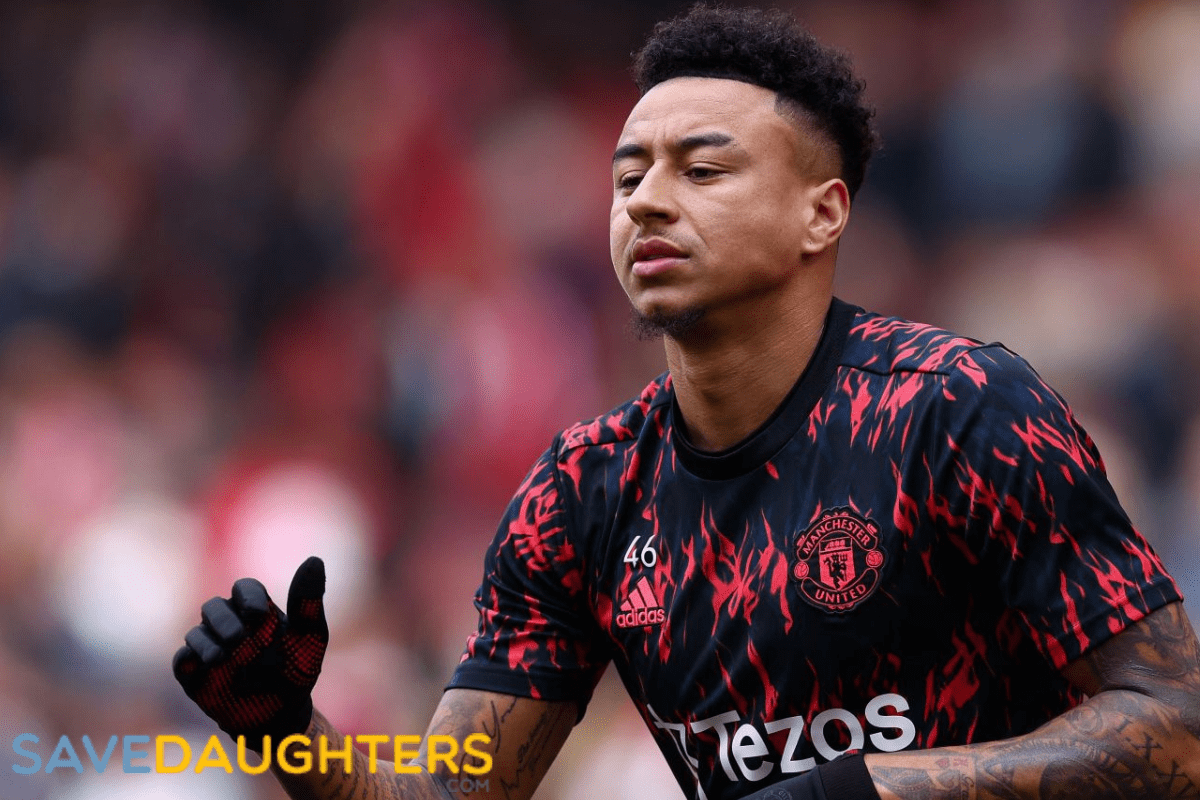
Jesse Lingard Net Worth in Football: Career Earnings, Endorsements, and Financial Profile
Jesse Lingard’s net worth reflects a high-earning modern professional football career defined by long-term service at Manchester United, high-profile loan spells, lucrative international appearances, and expansive commercial partnershi...
Jesse Lingard’s net worth reflects a high-earning modern professional football career defined by long-term service at Manchester United, high-profile loan spells, lucrative international appearances, and expansive commercial partnerships. While precise figures published by private wealth trackers vary, his cumulative football earnings, brand sponsorships, and entrepreneurial ventures place his estimated net worth in the region of £25 million to £35 million.
Contents
Understanding the financial trajectory of a professional athlete requires looking beyond basic weekly wages. Professional football compensation involves base salaries, performance-related bonuses, image rights agreements, global footwear contracts, and independent commercial investments. This analysis breaks down the components that constitute Jesse Lingard’s financial standing within the global sports economy, detailing how top-tier Premier League players accumulate and manage wealth over the arc of their active playing careers.
The Foundation: Premier League and International Base Salaries
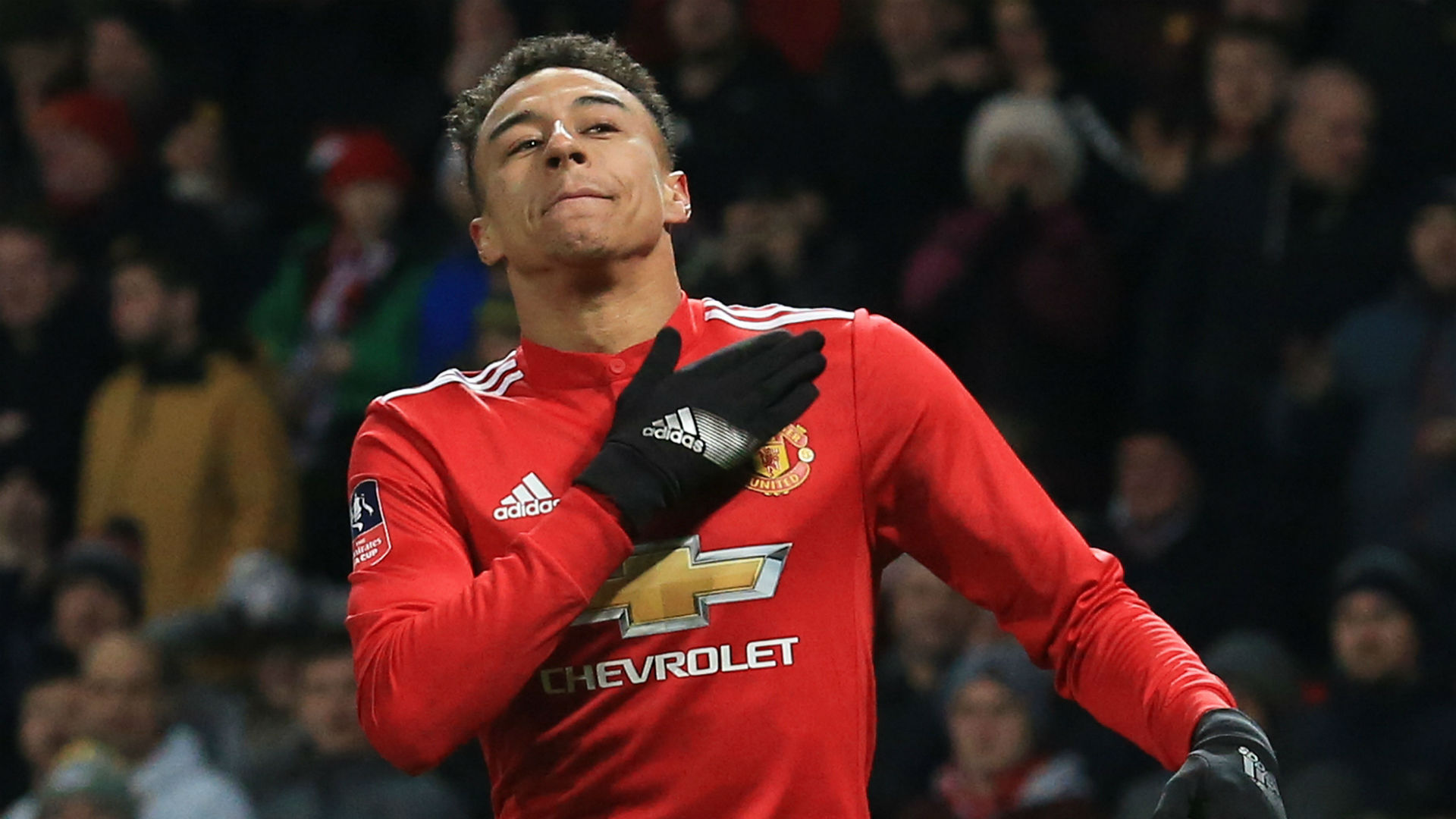
The primary driver of Jesse Lingard’s wealth accumulation stems from his professional contract history, most notably his tenure at Manchester United. Emerging through the club's prestigious youth academy, Lingard signed his first professional terms in 2011 before breaking into the senior squad under manager Louis van Gaal.
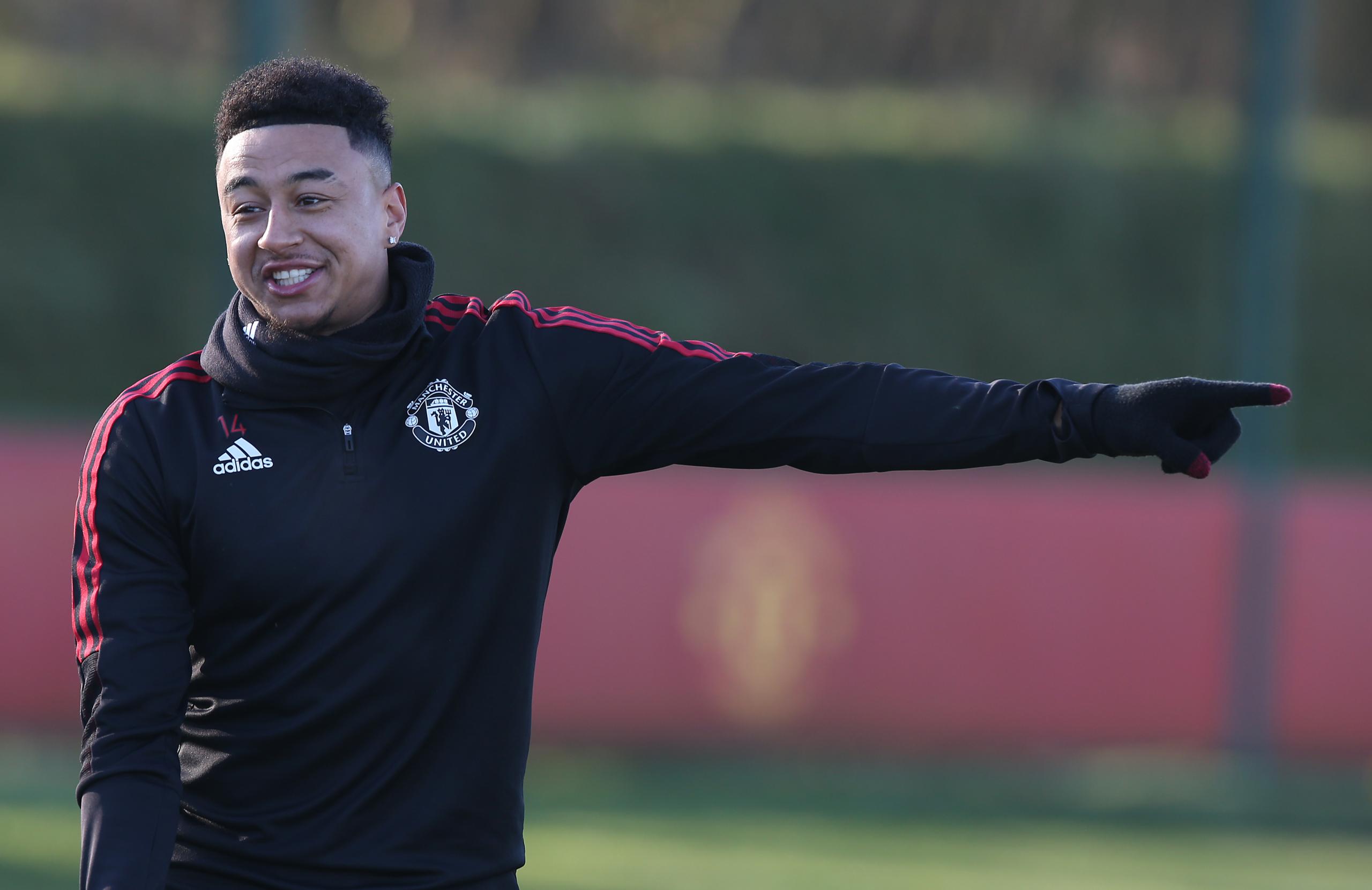
During his peak years at Old Trafford, particularly following a contract extension signed in 2017, Lingard reportedly commanded a weekly wage estimated between £100,000 and £130,000. Over a multi-year period at one of the world's most commercially valuable clubs, these base wages formed the bedrock of his financial portfolio.
Beyond his club salary, international representation for the England national team contributed significantly to his career earnings. Lingard was a key member of Gareth Southgate’s squad during the 2018 FIFA World Cup in Russia, where England reached the semi-finals. Players competing for the senior England team receive match fees and performance bonuses, which are typically donated to charity or added directly to career earnings, alongside the invaluable global exposure major international tournaments provide for future contract negotiations.
The West Ham United Loan and Subsequent Moves
A critical inflection point in Lingard’s career earnings occurred during the second half of the 2020–2021 Premier League season, when he joined West Ham United on loan. During this brief stint, Lingard experienced a remarkable revitalization of form, winning the Premier League Player of the Month award for April 2021 and scoring nine goals in 16 appearances.
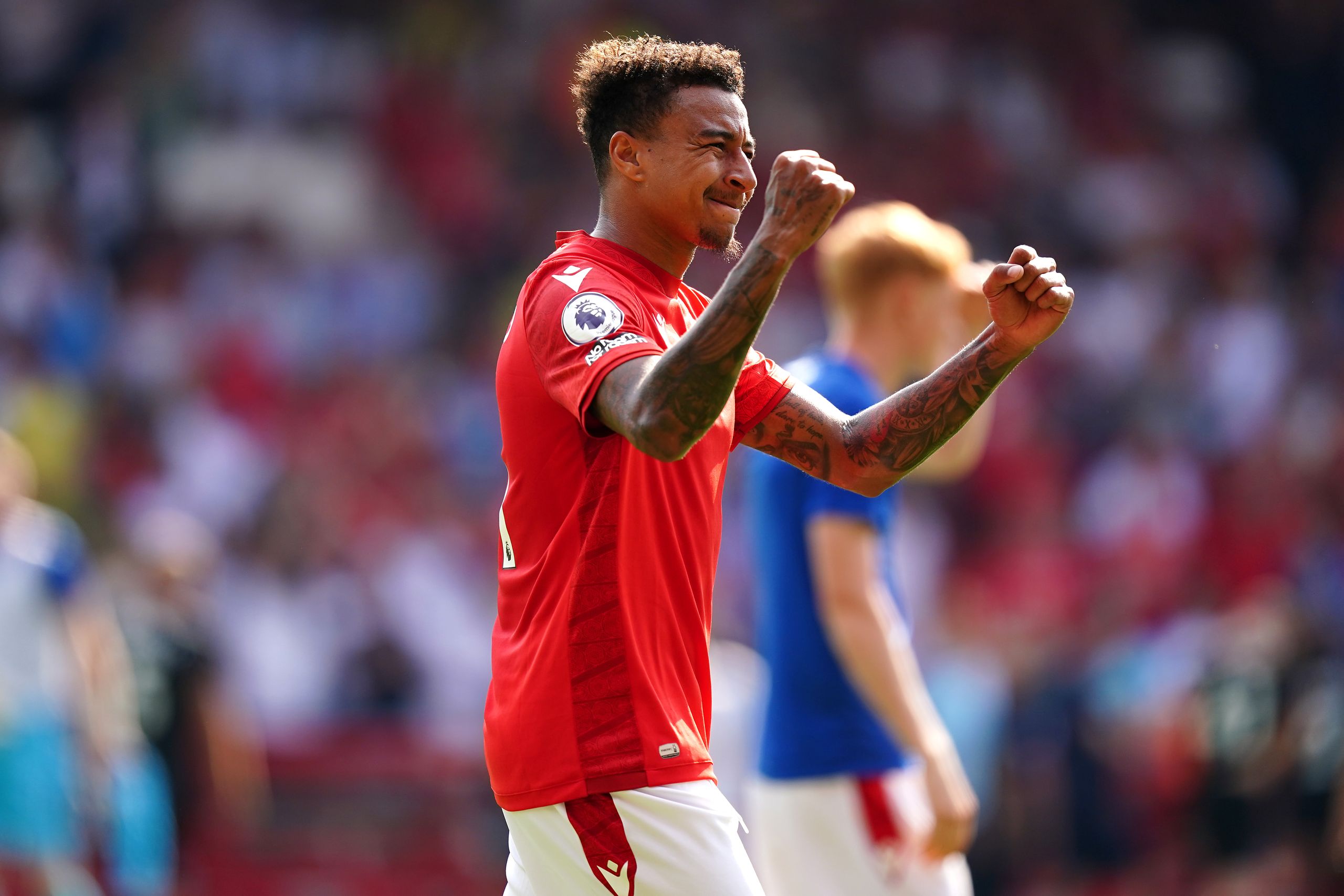
While loan spells typically involve cost-sharing agreements between the parent club and the loaning club, high-performing periods directly impact a player's market valuation and subsequent contract terms. Following his return to Manchester United and the expiration of his contract in the summer of 2022, Lingard joined Nottingham Forest on a high-profile, short-term contract that reportedly made him one of the club's highest earners for the 2022–2023 season.
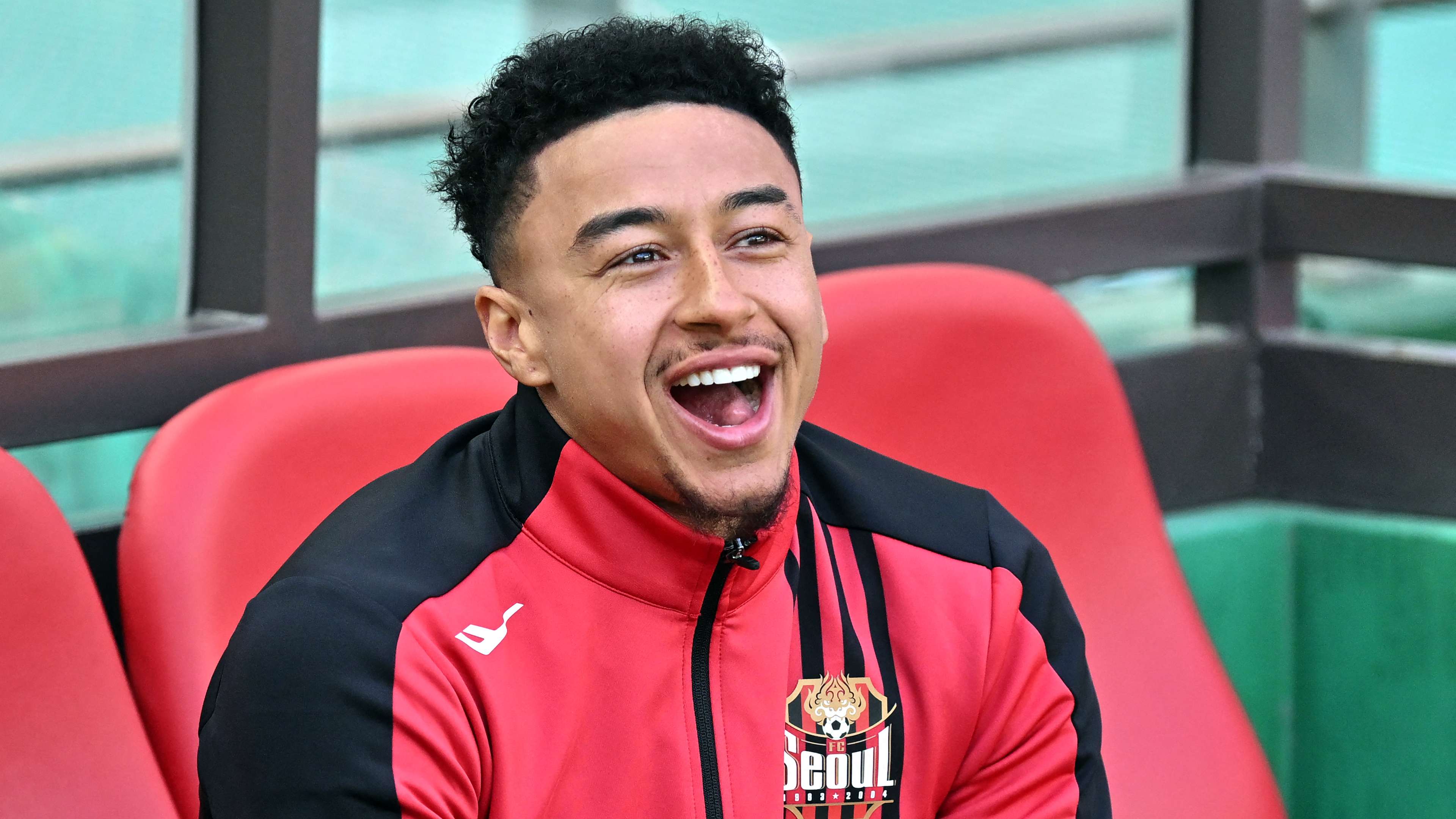
Subsequent moves to international leagues, including a spell in South Korea’s K League 1 with FC Seoul, demonstrate the shifting financial landscape of veteran elite players seeking lucrative packages outside traditional European powerhouses. Overseas contracts frequently include accommodation allowances, performance bonuses, and localized image rights packages that optimize a player's earnings in their later career stages.
| Career Phase / Club | Approximate Timeline | Estimated Weekly Wage Range | Financial Significance |
|---|---|---|---|
| Manchester United (Academy & Early Pro) | 2011 – 2017 | £15,000 – £50,000 | Initial wealth accumulation and establishment in top-flight football. |
| Manchester United (Peak Contract) | 2017 – 2022 | £100,000 – £130,000 | Primary wealth generation phase through base Premier League wages. |
| West Ham United (Loan) | Jan 2021 – May 2021 | Up to £100,000+ | Market value resurgence and performance-based bonus triggers. |
| Nottingham Forest | 2022 – 2023 | Substantial short-term deal | Premium short-term contract reflecting free-agent market status. |
| FC Seoul | 2024 – Present | Competitive international package | Overseas earning diversification with commercial alignment. |
Commercial Endorsements and Brand Partnerships
For modern professional footballers, commercial sponsorships and endorsement deals represent a vital secondary revenue stream that often matches or exceeds club salaries for players with high cultural visibility. Lingard capitalized early on his vibrant personality, social media presence, and distinctive goal celebrations to build a robust commercial profile.
Footwear and Apparel Contracts
For the majority of his career, Lingard maintained a high-profile boot sponsorship with global athletic brand Adidas. Endorsement contracts of this tier involve annual retainers tied to on-field visibility, international tournament participation, and promotional campaigns. These agreements often include strict compliance clauses regarding equipment usage during official matches and training sessions.
Social Media and Lifestyle Brands
Lingard leveraged his extensive digital footprint across platforms like Instagram and TikTok to partner with lifestyle, fashion, and gaming brands. Unlike traditional athletes who maintain a strictly professional image, Lingard integrated youth culture, music, and fashion into his personal brand identity, allowing him to command premium rates for sponsored digital content and lifestyle collaborations.
Entrepreneurial Ventures and Brand Identity
Beyond traditional sponsorships, Lingard has actively ventured into business ownership and independent brand development. A prominent example is the launch of his lifestyle and fashion brand, JLingz, introduced during his peak years at Manchester United.
The JLingz brand encompasses casual streetwear, headwear, and branded accessories. While launching an independent apparel line requires significant upfront capital investment in supply chains, manufacturing, and marketing, successful lifestyle brands allow athletes to retain a higher percentage of intellectual property revenue compared to standard endorsement deals. Furthermore, Lingard expanded his commercial footprint into e-sports by founding an independent gaming and competitive esports organization, aligning his personal brand with the rapidly growing digital entertainment sector.
Financial Management, Taxes, and Wealth Preservation
Accumulating a multi-million-pound fortune during a relatively compressed career window—typically spanning 10 to 15 years at the professional level—requires sophisticated financial structuring and professional advisory services. Elite athletes rely on specialized legal, accounting, and wealth management firms to navigate complex tax jurisdictions, corporate structures, and long-term investments.
Tax Obligations in Professional Sports
Professional footballers playing in the United Kingdom are subject to the highest marginal income tax rate of 45% on earnings exceeding standard thresholds, alongside National Insurance contributions. Additionally, image rights earnings are frequently structured through specialized limited companies, allowing athletes to manage commercial revenue under corporate tax rates while protecting personal assets.
Long-Term Investment Strategies
Conservative wealth preservation for footballers typically emphasizes diversified asset classes, with a heavy focus on prime residential and commercial real estate portfolios. Real estate provides a stable, cash-generating hedge against the finite nature of playing careers. Additional investment vehicles often include private equity, venture capital participation in emerging technology or consumer goods startups, and managed investment portfolios designed to generate passive income post-retirement.
Frequently Asked Questions
What is Jesse Lingard’s estimated net worth?
Jesse Lingard’s net worth is widely estimated by financial analysts and sports publications to be between £25 million and £35 million. This figure aggregates his cumulative career salaries from Manchester United, West Ham United, Nottingham Forest, and international clubs, alongside global endorsement deals and business ventures.
What were Jesse Lingard’s highest weekly wages?
During his peak contract years at Manchester United following his 2017 contract extension, Lingard reportedly earned a base weekly wage estimated between £100,000 and £130,000, not including performance bonuses, appearance fees, and image rights compensation.
What is the JLingz brand?
JLingz is an independent lifestyle and streetwear clothing brand launched by Jesse Lingard. The brand produces casual apparel, headwear, and accessories, serving as a primary vehicle for his entrepreneurial endeavors outside of professional football.
Did international appearances contribute to his earnings?
Yes. Representing the England national team, including appearances during the 2018 FIFA World Cup, provides match fees and performance bonuses. More importantly, international visibility enhances a player's marketability for high-value commercial endorsements and club contract valuations.
How do footballers manage taxation on multi-million-pound earnings?
Professional athletes typically utilize chartered accountants and specialized sports tax advisors to manage high income tax rates, National Insurance contributions, and cross-border tax implications. Many players utilize corporate image rights companies to separate playing salaries from commercial and endorsement revenues.
Practical Next Actions and Considerations
For readers analyzing sports economics and athlete wealth portfolios, understanding player net worth requires looking beyond raw salary figures. When evaluating professional athletic compensation:
- Examine Gross vs. Net Realities: Remember that published wage figures represent gross income before high tax brackets, agent commissions, and management fees are deducted.
- Assess Commercial Diversification: True long-term financial security for athletes relies heavily on brand longevity, equity in independent businesses, and post-career media or coaching opportunities.
- Monitor Market Shifts: The globalization of football, including lucrative contracts in leagues outside Europe, continues to reshape how veteran players maximize their earnings in the final stages of their careers.
Image Gallery