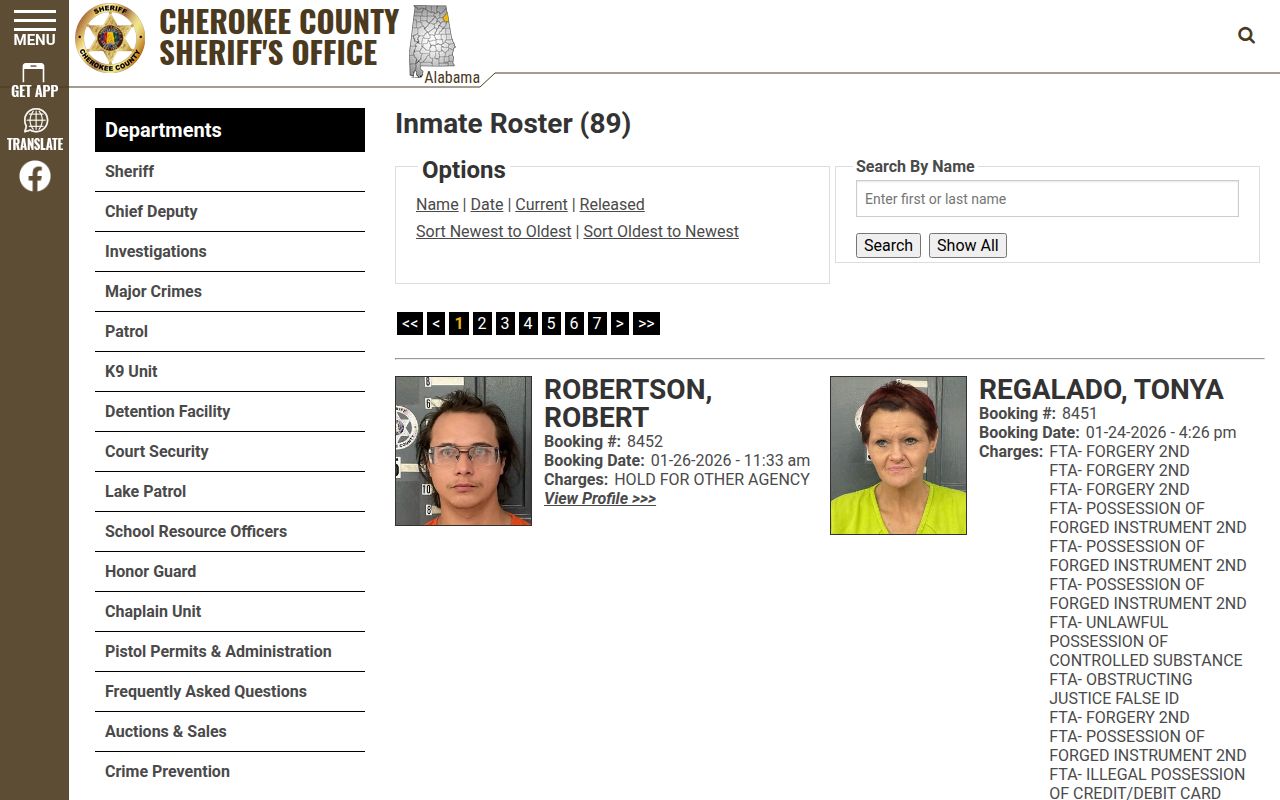
Comprehensive Guide to Accessing and Utilizing an Inmate Roster in 2026
Navigating the criminal justice system requires accurate, up-to-date public data, making the inmate roster an essential tool for legal professionals, concerned family members, journalists, and researchers. As of 2026, correctional faci...
Navigating the criminal justice system requires accurate, up-to-date public data, making the inmate roster an essential tool for legal professionals, concerned family members, journalists, and researchers. As of 2026, correctional facilities across local, state, and federal jurisdictions have updated their digital infrastructure, shifting toward real-time database management systems. Understanding how to interpret these records, navigate jurisdictional frameworks, and leverage official search tools ensures efficient information retrieval while maintaining compliance with privacy and safety regulations.
Contents
Understanding the Legal and Technical Framework of Modern Inmate Rosters
An inmate roster is an official, publicly accessible directory maintained by correctional authorities that lists individuals currently housed within a specific detention facility, county jail, state prison, or federal penitentiary. These databases function as critical transparency mechanisms under open-records laws, such as the Freedom of Information Act (FOIA) at the federal level and corresponding state-level sunshine laws.
Modern roster systems have evolved significantly by 2026. Traditional paper logbooks and static PDF uploads have largely been replaced by dynamic, cloud-hosted enterprise databases. These platforms interface directly with law enforcement booking software, court management systems, and Automated Fingerprint Identification Systems (AFIS). Consequently, when an individual is booked into a facility, their biographical and arrest data populates the live roster within minutes, reducing informational latency and improving public accountability.
Key Data Points Found on Contemporary Inmate Rosters
Navigating a correctional database requires familiarity with standardized law enforcement terminology and data fields. While interface designs vary across municipal, county, state, and federal portals, most standardized rosters display a consistent set of core variables.
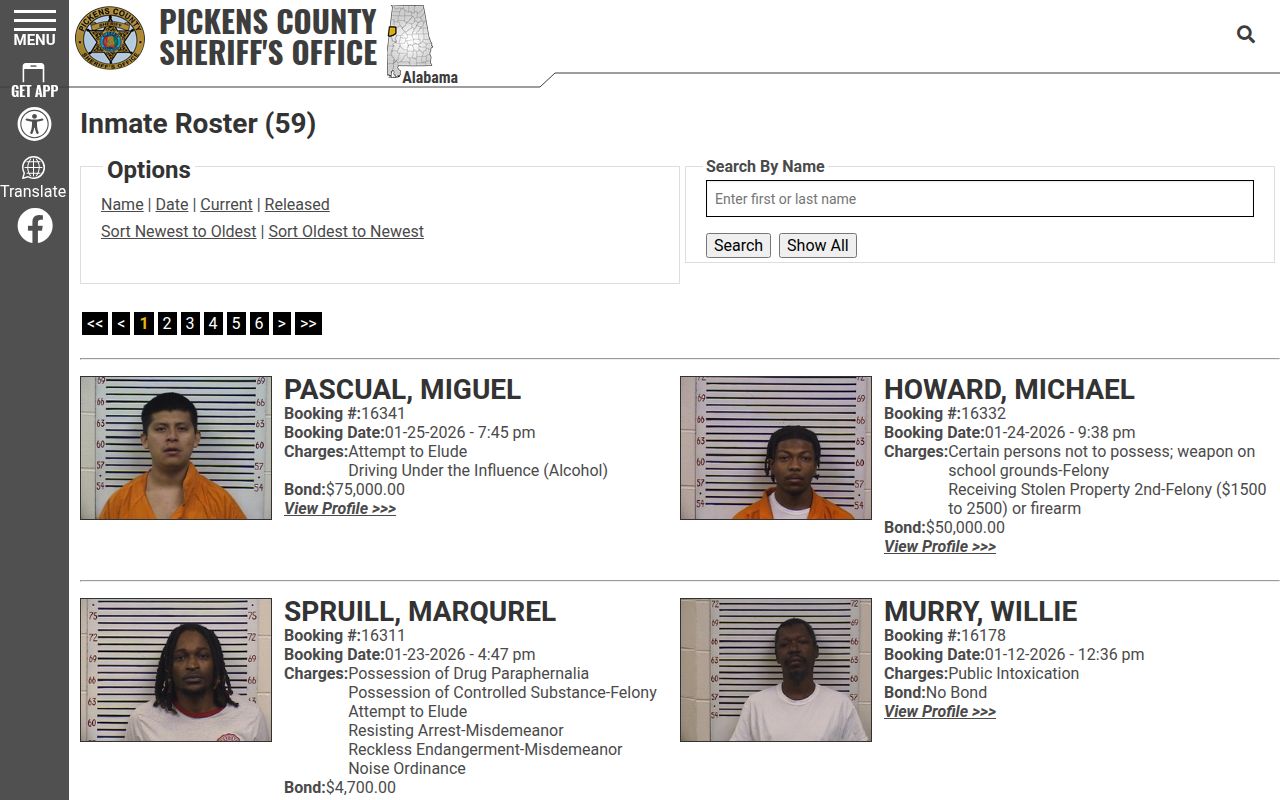
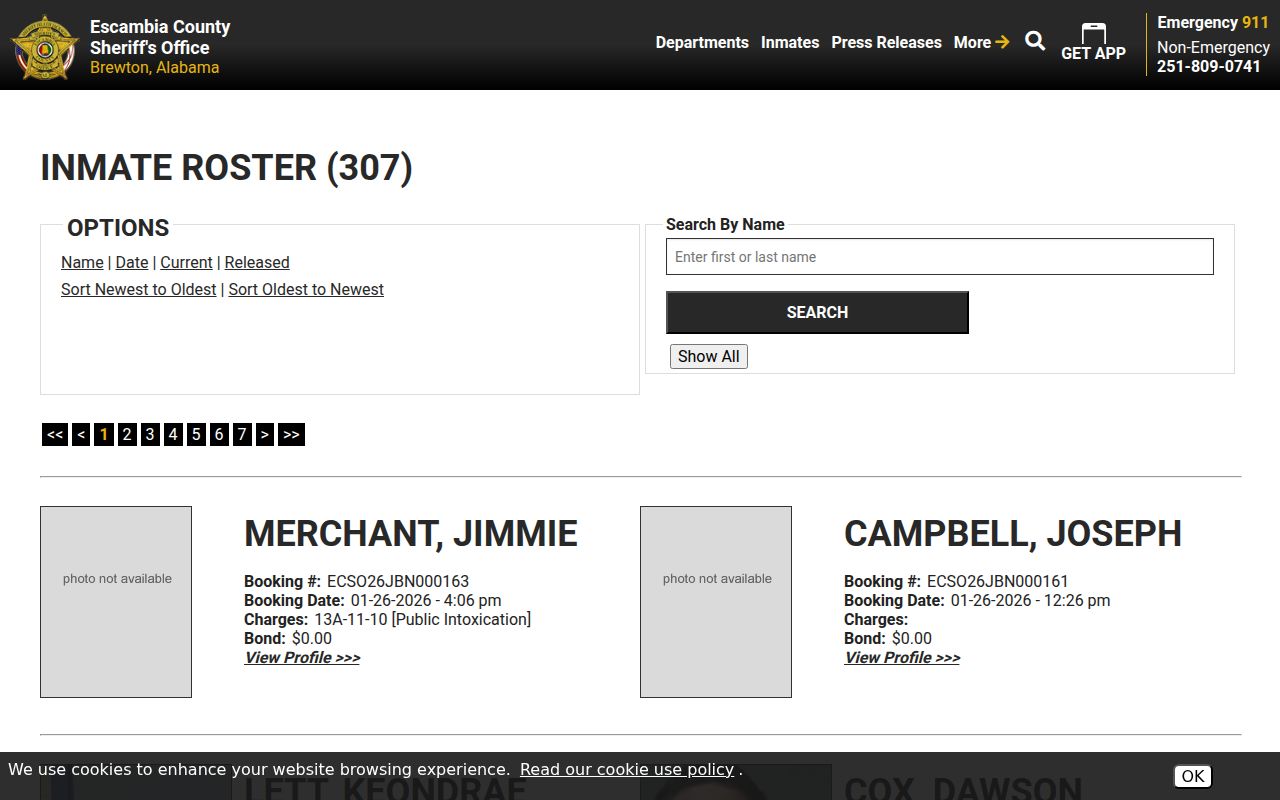
- Booking and Tracking Identifiers: Every individual is assigned a unique booking number and a permanent identification number (often called an Offender ID, SID [State Identification Number], or FBI number) that tracks their record across multiple facilities.
- Demographic Data: Standard listings include the inmate's full legal name, aliases, date of birth, age, race, gender, and physical description (height, weight, eye color, hair color, and distinguishing marks like tattoos).
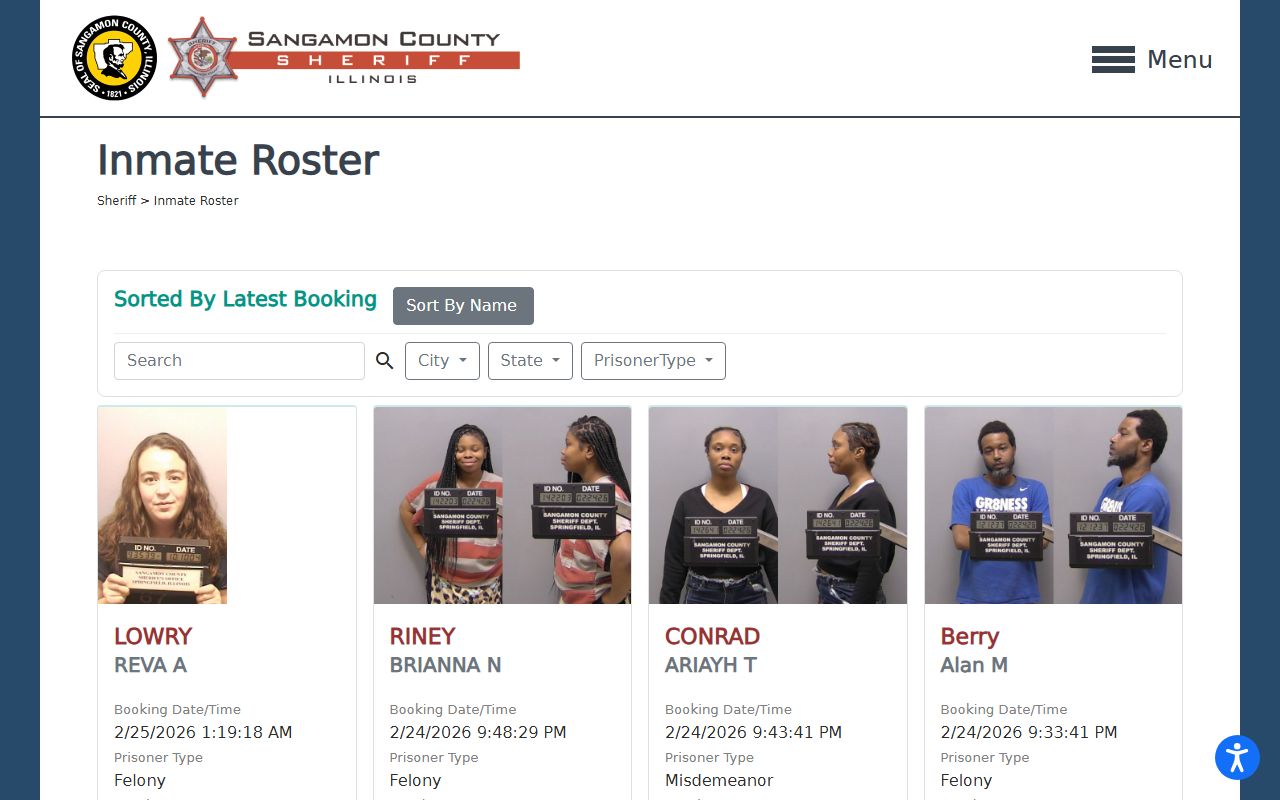
- Arrest and Booking Details: This section outlines the arresting agency, exact date and time of booking, location of the arrest, and the specific charges filed against the individual.
- Financial and Bond Obligations: For pre-trial detainees, the roster details bond amounts, bond types (cash, surety, property), and fine obligations required for release.
- Housing and Facility Status: The database specifies the exact facility, block, pod, or cell assignment, along with the inmate's current custody classification (e.g., maximum, medium, minimum, protective custody).
- Next Court Date and Projected Release: Rosters often list upcoming judicial appearances, courtroom locations, and projected release dates based on sentencing calculations or parole decisions.
Jurisdictional Breakdown of Correctional Facilities and Search Portals
Searching for an inmate requires identifying the correct level of government that holds jurisdiction over the individual. Correctional facilities operate under distinct administrative hierarchies, each maintaining separate databases.
County Jails and Municipal Holding Facilities
County jails hold individuals awaiting trial, those serving short sentences (typically under one year), or individuals awaiting transfer to state prison. Because county sheriff departments manage these facilities, searches must be conducted on specific county sheriff websites or municipal police department portals. These rosters change rapidly due to frequent intakes and releases.
State Departments of Corrections (DOC)
State prisons house individuals convicted of felonies who are serving sentences exceeding one year. Each of the 50 states operates an independent Department of Corrections website with a centralized state-wide offender search tool. These databases provide historical tracking, allowing users to locate individuals transferred across different state correctional institutions.
Federal Bureau of Prisons (BOP)
The Federal Bureau of Prisons manages individuals convicted of federal offenses. The BOP maintains a unified, searchable public database covering all federal correctional complexes, penitentiaries, and community-based facilities nationwide. Searches on the federal level typically require the inmate's first and last name or their unique eight- or nine-digit BOP Register Number.
Step-by-Step Guide to Locating an Inmate Online
Conducting an effective records search requires a methodical approach to filter out common names and navigate system constraints. Utilizing a structured workflow minimizes errors and accelerates data discovery.
- Determine the Correct Jurisdiction: Identify whether the individual was arrested by local police, county deputies, federal agents, or state troopers to target the appropriate database.
- Gather Known Identifiers: Compile accurate spelling of the full legal name, date of birth, race, gender, and any known identification numbers (Booking Number, SID, or BOP number).
- Access the Official Portal: Navigate directly to the official government website (.gov domain) of the specific county sheriff's office, state DOC, or federal BOP to ensure data authenticity and security.
- Input Search Parameters: Enter the available data into the search fields. If the search yields too many results, use secondary filters such as middle initials, birth years, or arresting agency.
- Analyze Search Results: Review matching profiles carefully, cross-referencing physical descriptions, booking dates, and associated charges to confirm identity verification.
- Save or Print Documentation: Export, screenshot, or print the official roster entry, noting the timestamp of access, as custody status changes dynamically.
Comparison of Correctional Roster Platforms
Different tiers of correctional administration present unique search experiences, data depths, and update frequencies. Understanding these differences ensures realistic expectations when querying records.
| Facility Level | Primary Database Host | Update Frequency | Data Depth & Scope | Best Search Identifier |
|---|---|---|---|---|
| Municipal / City Jail | Local Police Department | Real-time to hourly | Temporary holding, short-term charges, local ordinance violations. | Full Legal Name & Date of Birth |
| County Jail | County Sheriff's Office | Real-time (24/7) | Pre-trial detainees, bond amounts, upcoming court dates, mugshots. | Booking Number or Full Name |
| State Prison | State Department of Corrections | Daily updates | Long-term felony convictions, facility transfers, parole eligibility. | State ID (SID) or DOC Number |
| Federal Prison | Federal Bureau of Prisons (BOP) | Real-time | Federal convictions, security levels, projected release dates. | BOP Register Number or Full Name |
Balancing Public Transparency and Individual Privacy Concerns
The digitization of inmate rosters has revolutionized public access, but it has also introduced complex ethical and legal debates regarding privacy, digital permanence, and rehabilitation. In many jurisdictions, booking photos and arrest records published online remain indexed by search engines long after charges have been dropped, an acquittal has been secured, or an expungement has been granted.
To address these challenges, several states and municipal jurisdictions have enacted legislation restricting the commercial harvesting of mugshots and mandating the removal of records for individuals whose cases did not result in conviction. Furthermore, correctional agencies implement data security protocols to protect sensitive demographic information, juvenile records, and the locations of inmates housed in specialized protective custody units. Users of inmate rosters must balance their right to public information with ethical considerations regarding data misuse, harassment, or commercial exploitation.
Expert Troubleshooting and Common Search Failures
When an inmate search yields no results, it often stems from specific logistical or technical hurdles. Applying expert troubleshooting strategies can resolve common search impasses.
- Name Variations and Hyphenations: Search systems rely on exact string matching. Try searching using partial names, omitting middle names, or accounting for hyphenated last names and common aliases.
- Booking Delays: If an arrest occurred recently, the booking process may still be underway. It can take anywhere from 2 to 24 hours for a newly arrested individual to be processed, fingerprinted, and entered into the public roster system.
- Recent Facility Transfers: Inmates moving between local holding facilities, county courts, and state reception centers may temporarily disappear from public view during transit. Contacting the arresting agency directly via phone can clarify transfer status.
- Juvenile Sealing: Individuals under the age of 18 are generally protected by strict juvenile privacy laws. Their records and booking rosters will not appear on public databases.
- Sealed or Expunged Records: If a court has ordered a record sealed or expunged, the entry will be removed from public-facing correctional rosters immediately.
Frequently Asked Questions About Inmate Rosters
How quickly do county jail rosters update after an arrest?
Most modern county jail rosters update in real-time or within a few hours of the booking process being completed by intake officers. However, administrative backlogs can occasionally delay digital publication.
Can I find out an inmate's release date using an online roster?
Yes, state DOC and federal BOP rosters typically display projected release dates based on sentencing terms. County jail rosters may also display release dates if the inmate is serving a misdemeanor sentence or has posted bond.
Are mugshots always displayed on public inmate rosters?
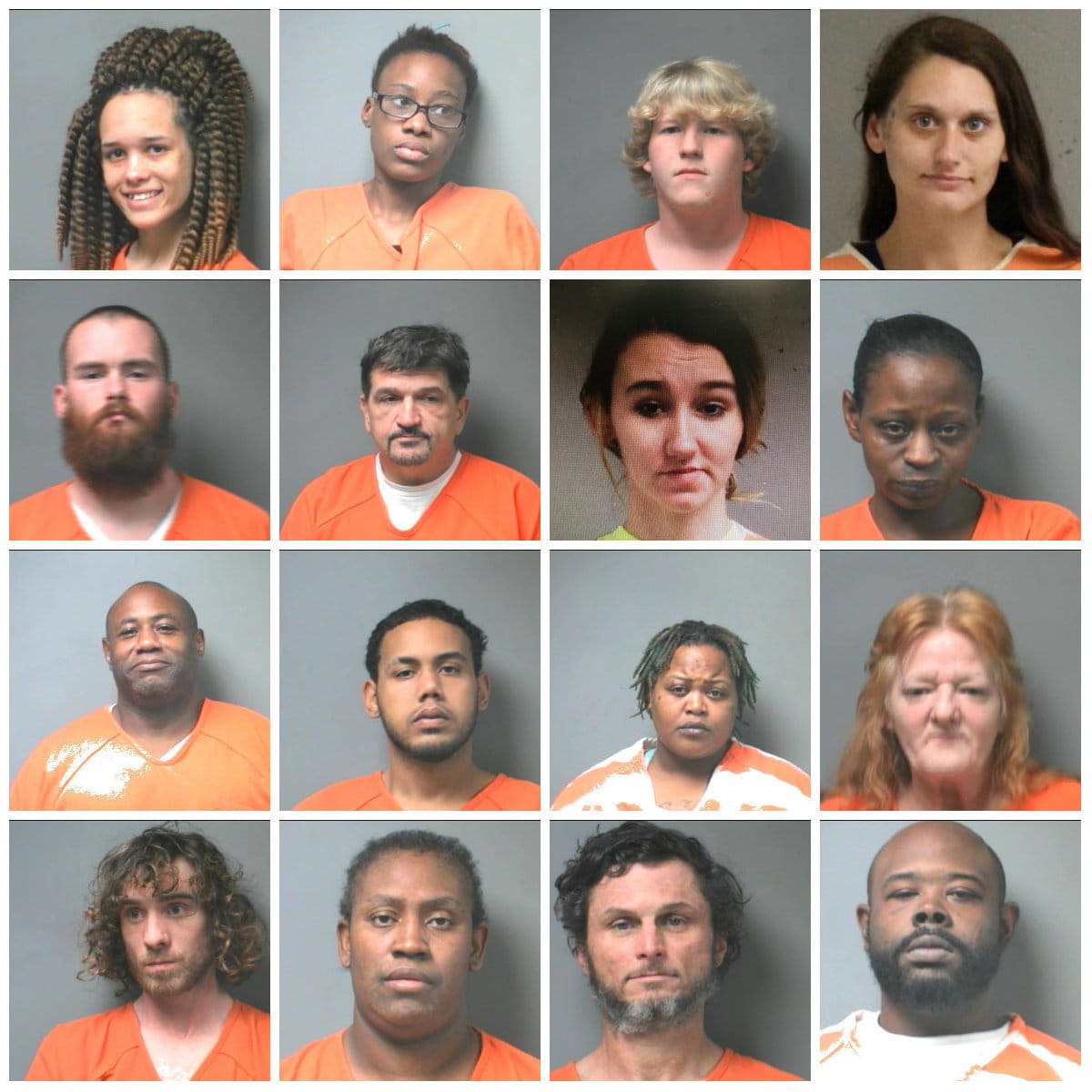
No, mugshot display policies vary widely by jurisdiction. Some county sheriffs publish booking photos automatically, while others restrict them due to state legislation, privacy concerns, or compliance with anti-extortion laws regarding commercial mugshot websites.
What should I do if I cannot find an inmate in any online database?
If online searches fail, contact the local police department, county jail, or sheriff's office directly via phone to inquire about recent intakes, as manual verification can bypass database indexing errors.
Are private background check sites as accurate as official government inmate rosters?
No, third-party data aggregators often rely on scraped data that can be outdated, inaccurate, or fail to reflect recent expungements. Always verify criminal history and custody status directly through official government (.gov) portals.
Conclusion and Official Action
Accessing an accurate inmate roster requires utilizing official government channels, understanding jurisdictional boundaries, and recognizing the limitations of digital search tools. Whether you are tracking a legal proceeding, verifying the status of a loved one, or conducting journalistic research, relying on verified county, state, and federal databases ensures data integrity. For real-time updates and authoritative inquiries, navigate directly to your local sheriff's office portal or state Department of Corrections website.
Image Gallery