SF Giants Pride: Navigating the Evolution of Celebration and Conflict in Major League Baseball
The San Francisco Giants’ Pride initiatives represent a complex intersection of pioneering LGBTQ+ advocacy and internal organizational friction. While the franchise historically leads Major League Baseball in queer visibility—being the...
The San Francisco Giants’ Pride initiatives represent a complex intersection of pioneering LGBTQ+ advocacy and internal organizational friction. While the franchise historically leads Major League Baseball in queer visibility—being the first to wear Pride colors on-field—it simultaneously navigates intense fan scrutiny regarding ownership’s political contributions, creating a persistent dialogue between community celebration and institutional conflict.
Contents
The Historical Foundation: From "Until There’s a Cure" to Pride Jerseys
The San Francisco Giants do not merely participate in Pride; they helped draft the blueprint for how professional sports franchises engage with the LGBTQ+ community. This journey began long before Pride nights were a standard marketing fixture across the league. In 1994, the Giants became the first professional sports team to host a benefit for HIV/AIDS awareness with their "Until There’s a Cure" day. This wasn't just a symbolic gesture; it was a response to the crisis ravaging the team’s home city, establishing the Giants as a socially conscious entity in a traditionally conservative industry.
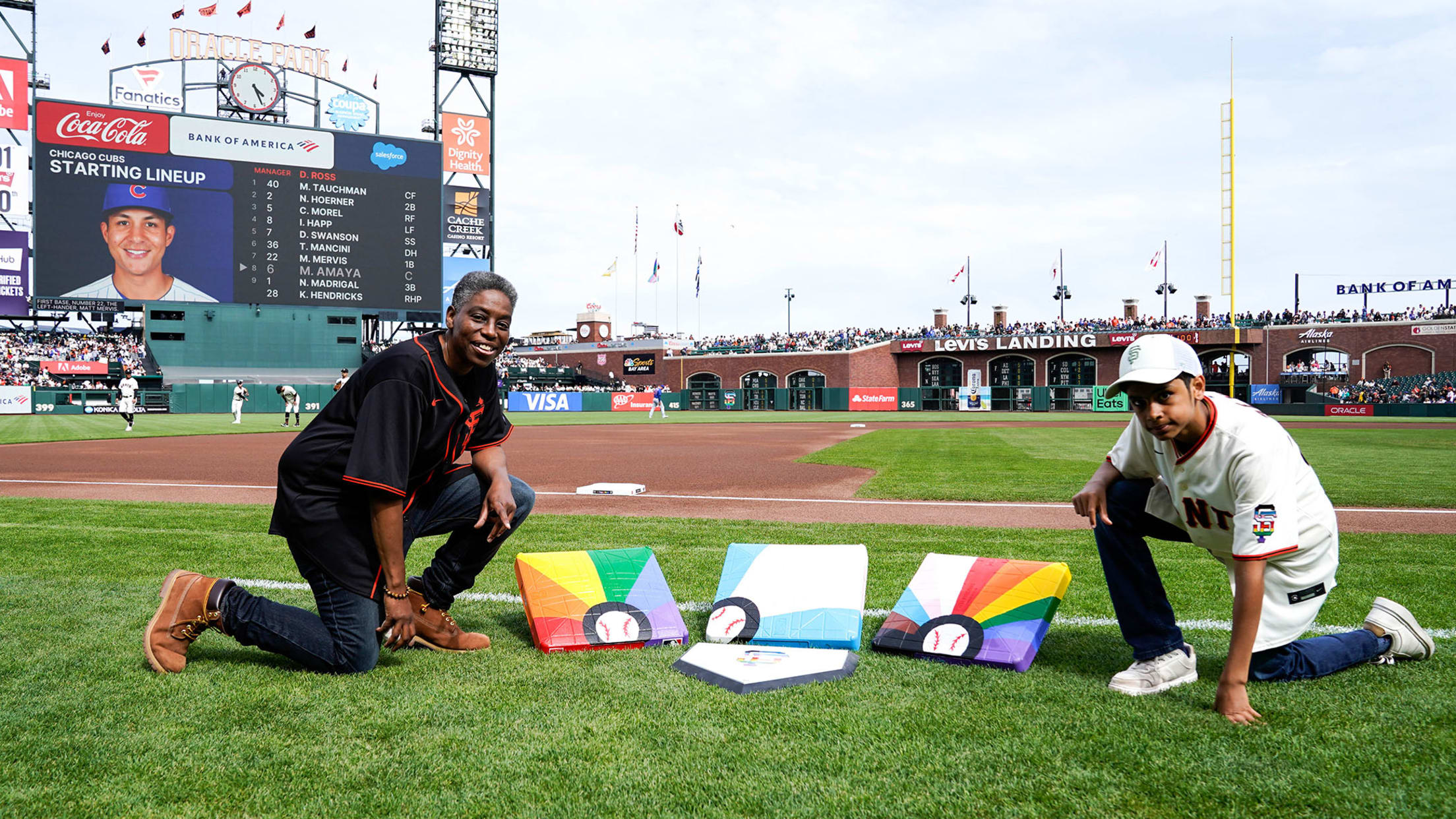
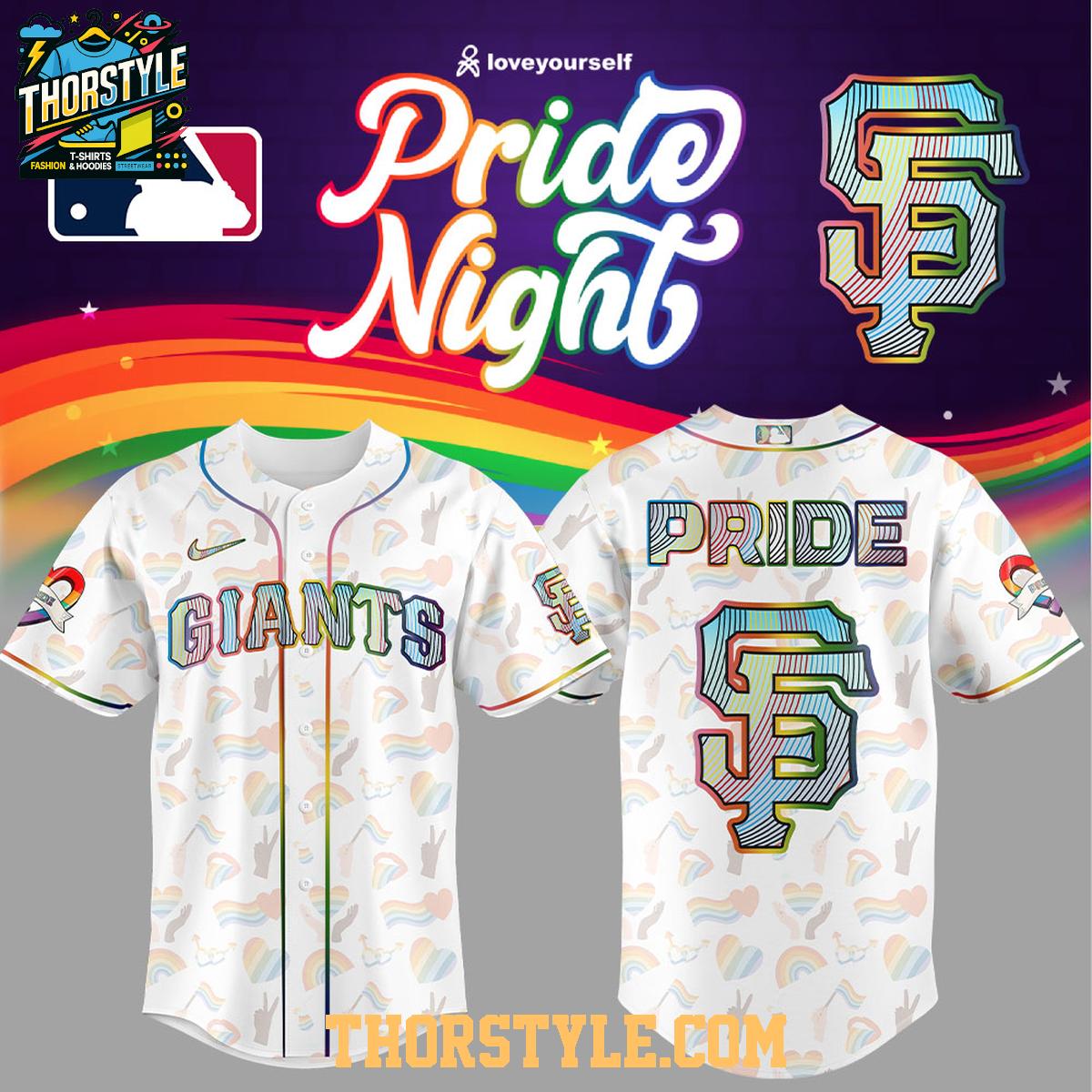
By the time the team reached the 2020s, this advocacy had evolved into more visible displays of solidarity. In 2021, the Giants made history by becoming the first MLB team to incorporate Pride colors directly into their on-field uniforms, featuring a Pride-themed "SF" logo on their caps and a patch on their jersey sleeves. This shift moved the celebration from a "special event" for ticket buyers into the very fabric of the game’s broadcast and visual identity.
However, the transition from community health advocacy to full-scale cultural celebration has not been without its hurdles. As the 2026 season continues the tradition, the team must balance the expectations of one of the most progressive fanbases in sports with the complexities of a multi-billion-dollar corporate structure. The celebration is no longer just about a single night in June; it is a year-round brand identity that demands consistency between public messaging and private actions.
The Ownership Conflict: Charles Johnson and the "Accountability" Movement
The most significant source of conflict within the SF Giants’ Pride narrative stems from the team’s principal owner, Charles Johnson. While the team’s front office and marketing departments work tirelessly to promote inclusivity, Johnson has historically been one of the largest donors to political candidates and committees whose platforms often run counter to LGBTQ+ rights.
This dichotomy has created a "moral tax" for many Giants fans. Throughout the early 2020s and leading into 2026, fan groups and local activists have frequently called for boycotts or staged protests outside Oracle Park. The conflict is rooted in the following areas:
- Political Contributions: Records have shown Johnson donating to candidates who supported the overturning of same-sex marriage protections or who utilized anti-LGBTQ+ rhetoric in their campaigns.
- The "Separate Entities" Defense: The Giants’ organization has often attempted to distance the team’s operations from Johnson’s personal political activity. They emphasize that the team’s DEI (Diversity, Equity, and Inclusion) initiatives are managed independently of the ownership group’s private finances.
- Fan Response: Organizations like "SF Giants Fans for Accountability" have emerged, pushing the team to adopt more transparent standards regarding how ownership influence affects the team’s community standing.
This internal tension highlights a broader issue in modern sports: the "Values Gap." As teams become more vocal about social justice, the personal backgrounds and actions of the billionaires who own them are being held to the same standard as the brand itself. For the Giants, this means that every Pride celebration is viewed through a lens of skepticism by a segment of the population that asks if the team’s "celebration" is an attempt to mask the "conflict" of its funding.
Structural Shifts in Pride Night Programming
Despite the ownership controversies, the Giants have expanded the technical and community-based scope of their Pride initiatives. In 2026, Pride Night is no longer a localized event but a month-long integration of community health, youth sports, and historical preservation.
The team has shifted its focus toward "Impact-Based Allyship." This involves moving beyond rainbow-colored merchandise to providing tangible resources for Bay Area non-profits. The Giants Community Fund has refined its grant-making process to ensure that a significant portion of "Pride Month" revenue is directed toward trans-inclusive health services and housing for queer youth.
Table: Evolution of SF Giants Pride Initiatives (1994–2026)
| Era | Key Initiative | Primary Focus | Nature of Conflict |
|---|---|---|---|
| 1994–2005 | Until There’s a Cure | HIV/AIDS Awareness & Fundraising | Minimal; focused on public health. |
| 2006–2015 | First Pride Nights | Community Visibility & Group Sales | Emerging league-wide pushback from conservative sectors. |
| 2016–2021 | On-Field Integration | Normalizing LGBTQ+ Symbols in Play | Initial friction over jersey patches and uniform changes. |
| 2022–2025 | Ownership Scrutiny | Transparency in Political Funding | High-intensity protests regarding Charles Johnson's donations. |
| 2026 (Current) | Holistic Allyship | Economic and Structural Support | Balancing "Corporate Pride" with genuine activist demands. |
The Clubhouse Culture and Player Perspectives
A critical, yet often overlooked, aspect of the "Celebration and Conflict" dynamic is the atmosphere within the clubhouse. In the current 2026 landscape, the Giants have been proactive in educating their roster about the significance of Pride in San Francisco. Unlike some organizations that have faced "opt-out" controversies—where players refuse to wear Pride-themed gear based on religious or personal beliefs—the Giants have largely maintained a unified front.
This unity is not accidental. The Giants' front office integrates cultural competency training into their player development system. When a player joins the Giants, they are briefed on the specific history of the Bay Area and why the team’s stance on LGBTQ+ rights is a non-negotiable part of the "Giants Way."
However, conflict can still arise when players are asked to be spokespeople for social issues they may not fully understand. The organization has had to navigate the fine line between encouraging player participation and forcing political performativity. The shift in 2026 has been toward "voluntary but supported" engagement, where players are given the tools to be allies without the team creating a PR environment that feels forced or disingenuous.
The Economic Impact of Pride in the Bay Area
The "Celebration" is also a significant economic engine. For the San Francisco Giants, Pride Night is consistently one of the highest-attended mid-week games of the season. This success creates a secondary conflict: the accusation of "Rainbow Capitalism."
Critics argue that the Giants capitalize on the queer community’s loyalty and spending power while the core power structure of the MLB remains largely unchanged. To combat this, the Giants have implemented several structural changes to their business model:
- Vendor Diversity: Prioritizing LGBTQ-owned businesses for stadium concessions and merchandise production during the month of June.
- Year-Round Engagement: Moving away from "June-only" support by maintaining partnerships with the GLBT Historical Society and the San Francisco AIDS Foundation throughout the off-season.
- Ticket Transparency: Providing clear breakdowns of how "Pride Ticket Package" surcharges are distributed to local charities.
By 2026, the technical depth of these programs has increased, with the team utilizing blockchain-based verification for charitable donations to prove to skeptical fans exactly where the money goes. This is a direct response to the "conflict" of trust that characterized the early 2020s.
FAQs: Understanding the SF Giants Pride Narrative
Who is the primary owner of the SF Giants, and why is he controversial?
Charles B. Johnson is the principal owner of the San Francisco Giants. He has drawn significant controversy because of his substantial financial contributions to conservative political candidates whose legislative records are often seen as hostile to the LGBTQ+ community. While he has occasionally requested refunds for donations to the most extremist candidates, his overall spending remains a point of contention for many fans.
When did the Giants first start wearing Pride colors on the field?
The Giants became the first team in Major League Baseball history to wear Pride-themed logos on the field during a game on June 5, 2021. This included a rainbow-colored "SF" on their caps and a patch on the sleeve of their home jerseys.
How do the Giants handle players who might disagree with Pride initiatives?
The Giants prioritize education and cultural competency. While the league does not mandate that every player participate in every social initiative, the Giants have established a clubhouse culture where the team's commitment to the Bay Area's diverse community is made clear from the start of spring training. By 2026, the team has avoided the major "opt-out" headlines seen in other sports through proactive internal communication.
Does the money from Pride Night actually go to charity?
Yes, but the amount depends on the specific ticket package purchased. The Giants offer "Pride Night Special Event" tickets which include a dedicated item (like a jersey or hat). A portion of the proceeds from these specific tickets is earmarked for the Giants Community Fund and its LGBTQ+ non-profit partners. In 2026, the team provides an annual impact report detailing these distributions.
What makes the SF Giants' Pride celebration different from other MLB teams?
The Giants’ celebration is rooted in the unique history of San Francisco as a global hub for LGBTQ+ rights. Their initiatives are typically more integrated into the team's primary brand identity (on-field uniforms) rather than just being a one-night promotional event. Additionally, the level of fan engagement and activism surrounding the team's politics is significantly higher than in most other MLB markets.
Moving Toward a Future of Authentic Engagement
For fans and community members navigating the "celebration and conflict" of SF Giants Pride, the path forward involves active participation and continued pressure. The organization has proven that it is responsive to fan feedback, particularly when that feedback is backed by organized community action.
To engage meaningfully in 2026, fans should look beyond the surface-level aesthetics of Pride Night. Support the specific non-profits the team partners with, such as the SF AIDS Foundation or LYRIC, and stay informed about the team’s organizational transparency reports. By acknowledging both the pioneering spirit of the Giants' advocacy and the legitimate concerns regarding its ownership, the community can help ensure that "Pride" remains a movement for progress rather than just a marketing campaign.
Image Gallery