New York Outbreak and Cooling Tower Shutdown: Public Health Response and Regulatory Protocols
When a Legionnaires' disease outbreak occurs in an urban environment like New York, public health agencies rapidly trace the source to industrial or commercial HVAC systems, prompting mandatory cooling tower shutdowns, emergency disinf...
When a Legionnaires' disease outbreak occurs in an urban environment like New York, public health agencies rapidly trace the source to industrial or commercial HVAC systems, prompting mandatory cooling tower shutdowns, emergency disinfection, and rigorous water testing to halt bacterial proliferation.
Contents
Understanding the New York Outbreak and Cooling Tower Shutdown Nexus
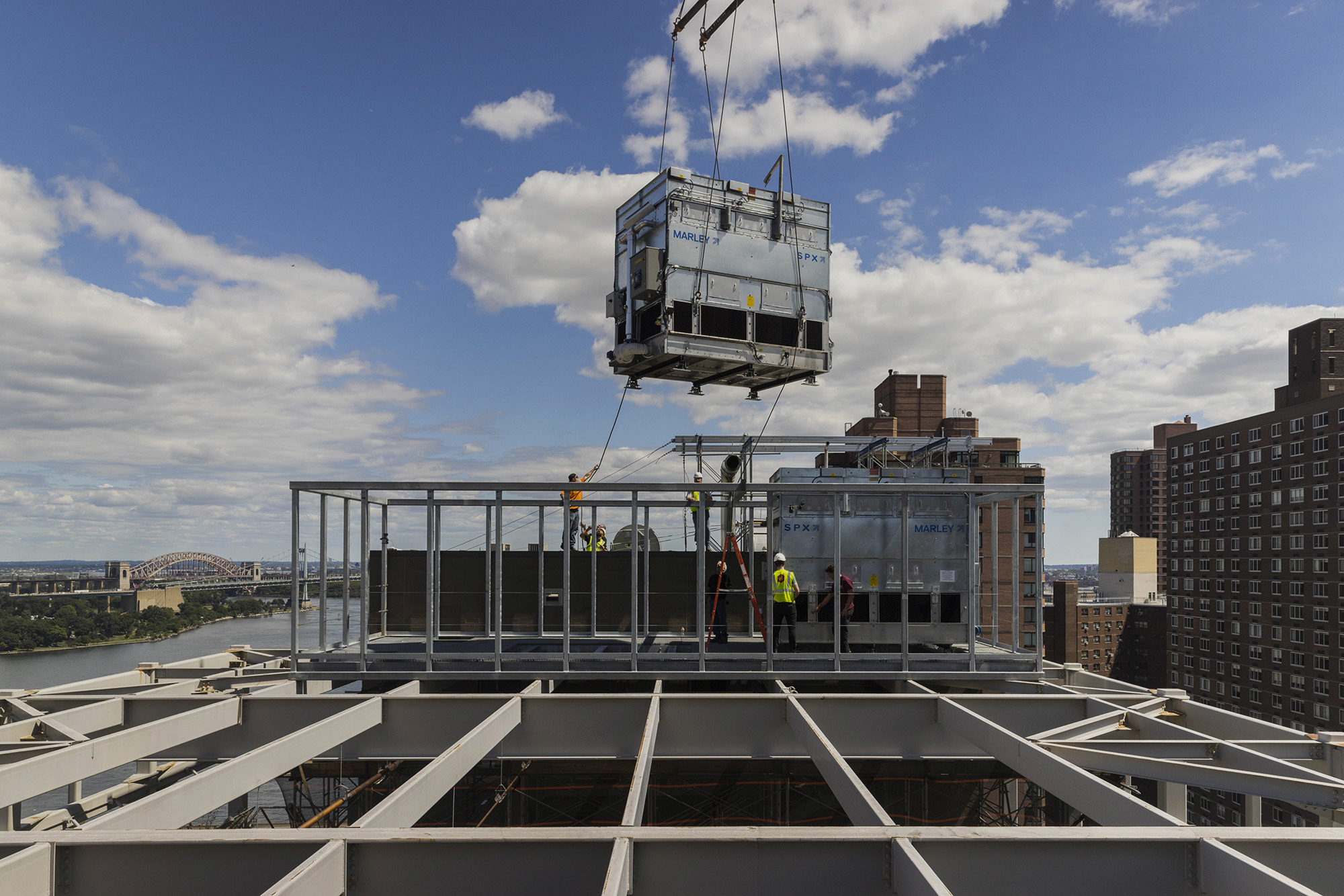
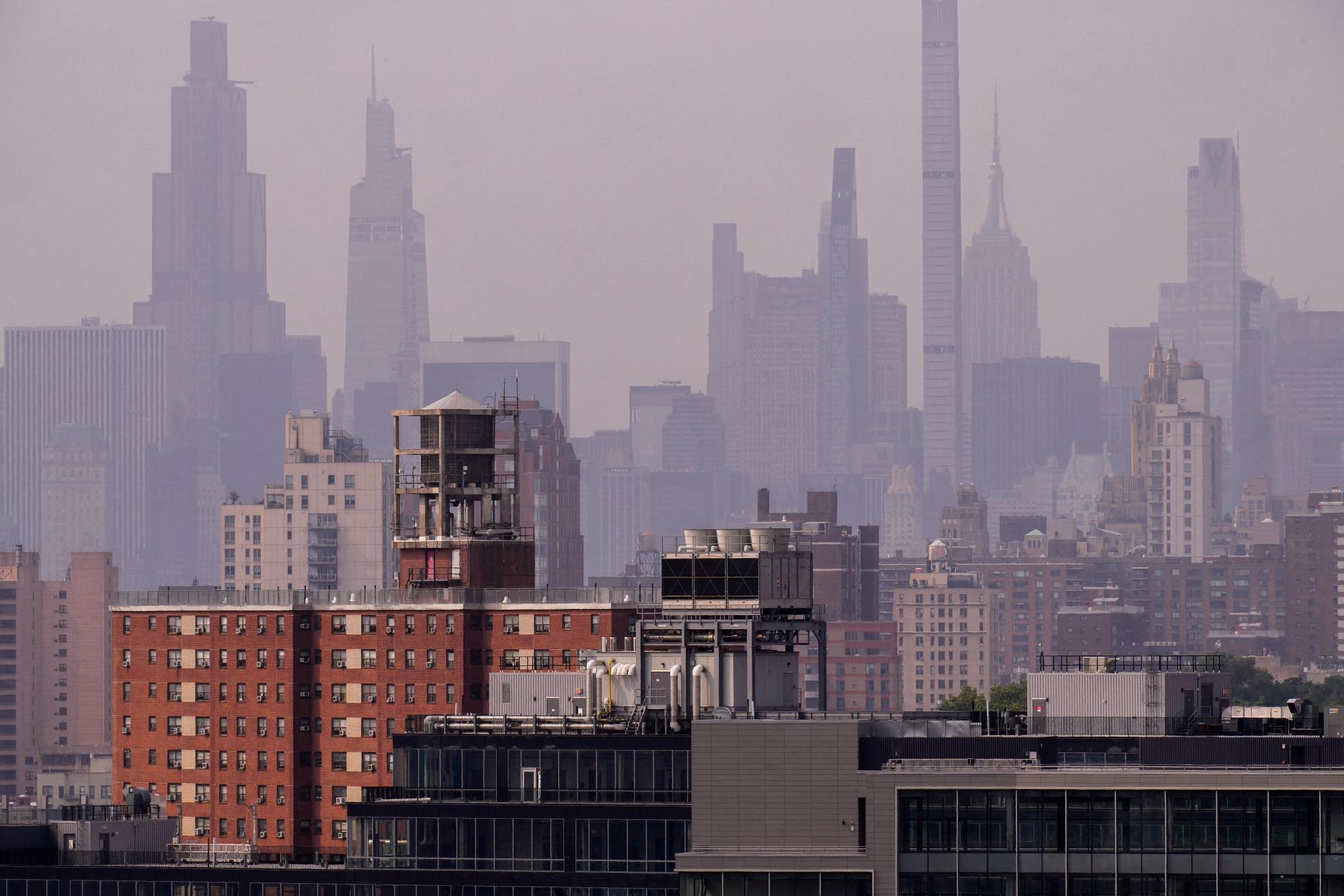
Public health crises involving waterborne pathogens in densely populated urban centers require immediate coordination between municipal health departments, building owners, and environmental engineering specialists. When an cluster of Legionnaires' disease emerges, epidemiological investigations frequently point toward aerosolizing water systems, most notably commercial and institutional cooling towers. These systems, which form an essential part of large-scale heating, ventilation, and air conditioning (HVAC) infrastructure, provide an optimal environment for the proliferation of Legionella bacteria under specific thermal and chemical conditions.
A cooling tower shutdown is not merely a localized maintenance procedure; it represents a legally mandated public health intervention designed to halt the airborne dissemination of bacterial droplets. In jurisdictions with strict regulatory oversight, such as New York City and New York State, the discovery of epidemiological links between clinical cases and a specific building's mechanical equipment triggers immediate statutory powers. Building owners and facility operators must understand the complex operational, legal, and engineering requirements involved in executing an emergency shutdown, carrying out hyper-chlorination, and certifying system safety before restarting operations.
The Microbiology of Legionella and HVAC Vulnerabilities
Legionella pneumophila is a gram-negative bacterium naturally occurring in freshwater environments, but it can multiply rapidly within man-made water systems where temperatures range between 20°C and 50°C (68°F to 122°F). Cooling towers are particularly susceptible because they reject heat from building chillers through evaporation, generating warm water and fine mists—known as drift—that can disperse over several blocks under favorable wind conditions.
- LEGIONELLA GROWTH AND DISPERSION CYCLE IN HVAC
- Warm Water (20°C-50°C) ---> Optimal Growth Range
- Scale, Sludge, Biofilm ---> Nutrient Source for Bacteria
- Evaporative Condenser ---> Aerosolization (Drift)
- Atmospheric Dispersal ---> Inhalation by Public
Several systemic factors contribute to bacterial amplification within these industrial heat rejection systems:
- Biofilm Formation: Slime layers on internal basin surfaces protect bacteria from standard biocide treatments.
- Scale and Corrosion: Mineral deposits provide a physical substrate where microorganisms thrive and resist chemical penetration.
- Stagnant Water Pockets: Dead legs or infrequently used basins allow water to sit at incubator temperatures without adequate biocide residual.
- Nutrient Accumulation: Airborne dust, pollen, and organic debris drawn into the tower act as food sources for the microbial population.
Regulatory Framework and Emergency Mandates in New York
New York enforces some of the strictest cooling tower regulations in the United States, largely codified following significant historical outbreaks. Under New York State sanitary codes and New York City Local Law 77, building owners are legally obligated to register all cooling towers, certify that they undergo routine biological sampling, and maintain comprehensive maintenance programs.
When an outbreak investigation implicates a cooling tower, the local health department—such as the New York City Department of Health and Mental Hygiene (NYC DOHMH) or the New York State Department of Health (NYSDOH)—issues an immediate order. This order typically requires:
- Immediate Cessation: Shutting down the cooling tower fans and operational pumps to eliminate aerosol generation.
- Emergency Disinfection: Performing a high-dose chemical shock treatment (hyper-chlorination) while the system is isolated.
- Physical Cleaning: Draining, scrubbing, and flushing organic debris, scale, and biofilm from the tower basin and fill packs.
- Independent Verification: Collecting water samples for laboratory culture testing to confirm the absence or acceptable reduction of Legionella before clearance is granted.
Step-by-Step Protocol for Cooling Tower Shutdown and Remediation
Executing a cooling tower shutdown safely and effectively requires strict adherence to engineering best practices and regulatory guidelines, such as those outlined by ASHRAE Standard 188 and the CDC.
Phase 1: Pre-Shutdown Preparation and Safety
Before initiating a shutdown, facility managers must notify building occupants if the HVAC interruption impacts critical environmental controls. Maintenance personnel must wear appropriate personal protective equipment (PPE), including full-face respirators equipped with particulate filters (P100), to prevent inhalation of aerosols during physical inspection and cleaning.
Phase 2: Biocide Shock Treatment
Before draining the system, an oxidizing biocide (such as sodium hypochlorite) or a non-oxidizing biocide must be added and circulated throughout the system at high concentrations (often maintaining 5 to 10 mg/L of free residual chlorine for a specified contact time). This step ensures that workers do not encounter live bacteria when opening the basin.
Phase 3: Mechanical Cleaning and Disinfection
Once the biocide is neutralized and the system is safely drained, technicians must physically remove all sludge, scale, and biofilm from the basin, drift eliminators, and heat transfer surfaces. High-pressure washing combined with manual scrubbing is typically required. Following physical cleaning, the system is refilled and subjected to a second chemical disinfection cycle.
Phase 4: Post-Remediation Water Sampling
Water samples must be collected by certified independent laboratories in accordance with ISO 11731 standards or equivalent approved methods. The system must remain offline or under strict operational controls until laboratory results verify that Legionella concentrations are below actionable regulatory thresholds.
| Operational Phase | Key Actions | Required Documentation |
|---|---|---|
| Registration | Register tower with state/city registry; assign competent operator. | Certificate of Registration |
| Routine Maintenance | Monthly biocide addition, quarterly drift eliminator checks, bi-annual cultures. | Maintenance Log & Lab Reports |
| Emergency Shutdown | Cease fan/pump operation; isolate system; apply emergency biocide. | DOH Emergency Compliance Notice |
| Remediation & Testing | Hyper-chlorination, manual scrubbing, independent laboratory culture assay. | Clean-and-Disinfect Certification |
Public Health Impact and Epidemiological Tracing
Legionnaires' disease is a severe form of pneumonia caused by inhaling water droplets containing Legionella. Symptoms include high fever, chills, cough, muscle aches, and headaches, which can progress to severe respiratory failure if untreated. The disease is treated with specific antibiotics, but vulnerable populations—including older adults, smokers, and individuals with chronic lung disease or compromised immune systems—face significantly higher risks of hospitalization and mortality.
Epidemiologists trace outbreaks through molecular typing methods, such as sequence-based typing (SBT) of clinical isolates obtained from patients compared against environmental isolates cultured from suspect cooling towers. When matching strains are identified in a cooling tower water sample and a patient's clinical specimen, public health authorities have definitive proof of the source, guiding remediation and legal accountability.
Economic and Operational Implications for Building Owners
The financial and operational ramifications of a mandated cooling tower shutdown can be substantial. Building owners face immediate expenses related to emergency engineering services, specialized laboratory testing, and regulatory compliance fees. Furthermore, shutting down a cooling tower during peak summer cooling months can render commercial buildings uncomfortably warm, impacting tenant operations, lease agreements, and business continuity.
To mitigate these risks, property managers must implement proactive water safety plans (WSPs). A robust WSP establishes a multidisciplinary team to monitor water quality parameters continuously, including pH, conductivity, temperature, and biocide residual levels, thereby preventing the bacterial overgrowth that precipitates emergency shutdowns.
Frequently Asked Questions
What causes a cooling tower to become contaminated with Legionella?
Legionella thrives in warm, stagnant water containing scale, rust, algae, and slime (biofilm). If a cooling tower lacks proper chemical water treatment, fails to maintain adequate biocide residuals, or accumulates organic debris, the bacteria multiply rapidly within the system's warm water basin.
How long does a mandated cooling tower shutdown last?
The duration depends on the extent of contamination, the speed of remediation, and laboratory turnaround times. Typically, a complete shutdown, hyper-chlorination, physical cleaning, refilling, and re-testing cycle takes between 3 to 7 days before health authorities grant clearance to restart.
Can a building continue operating its HVAC system during a cooling tower shutdown?
Building comfort cooling may be severely impacted depending on the configuration of the HVAC plant. While some chillers can operate using alternative heat rejection methods (such as dry coolers or city water once-through systems, where permitted), many large commercial buildings must reduce internal heat loads or limit operations until the cooling tower is safely brought back online.
What are the legal consequences of failing to maintain a cooling tower in New York?
Failure to register a cooling tower, maintain required maintenance logs, or comply with emergency shutdown and disinfection orders can result in severe civil penalties, daily fines, stop-work orders, and potential criminal liability if negligence leads to public illness or fatalities.
Who is responsible for testing cooling tower water samples?
Water samples must be collected and analyzed by laboratories holding specific certifications, such as ELAP (Environmental Laboratory Approval Program) certification in New York, utilizing validated culture or molecular detection methods to ensure legally defensible results.
Conclusion and Recommended Next Actions
Managing the risks associated with cooling tower outbreaks requires rigorous adherence to preventive maintenance, rapid response protocols, and transparent communication with public health authorities. Building owners and facility managers should immediately review their existing Water Safety Plans, verify that all mechanical assets are properly registered with municipal agencies, and establish service contracts with certified water treatment and testing professionals to ensure swift compliance should an emergency occur.
Image Gallery