Determining the Maximum Loan on a Whole Life Insurance Policy
The maximum loan amount on a whole life insurance policy is typically 80% to 95% of the policy’s current cash surrender value. This limit exists to ensure the insurer retains enough capital to cover interest, maintain the policy, and m...
The maximum loan amount on a whole life insurance policy is typically 80% to 95% of the policy’s current cash surrender value. This limit exists to ensure the insurer retains enough capital to cover interest, maintain the policy, and mitigate the risk that a policy loan could exceed the total value of the contract.
Contents
Understanding the Cash Surrender Value
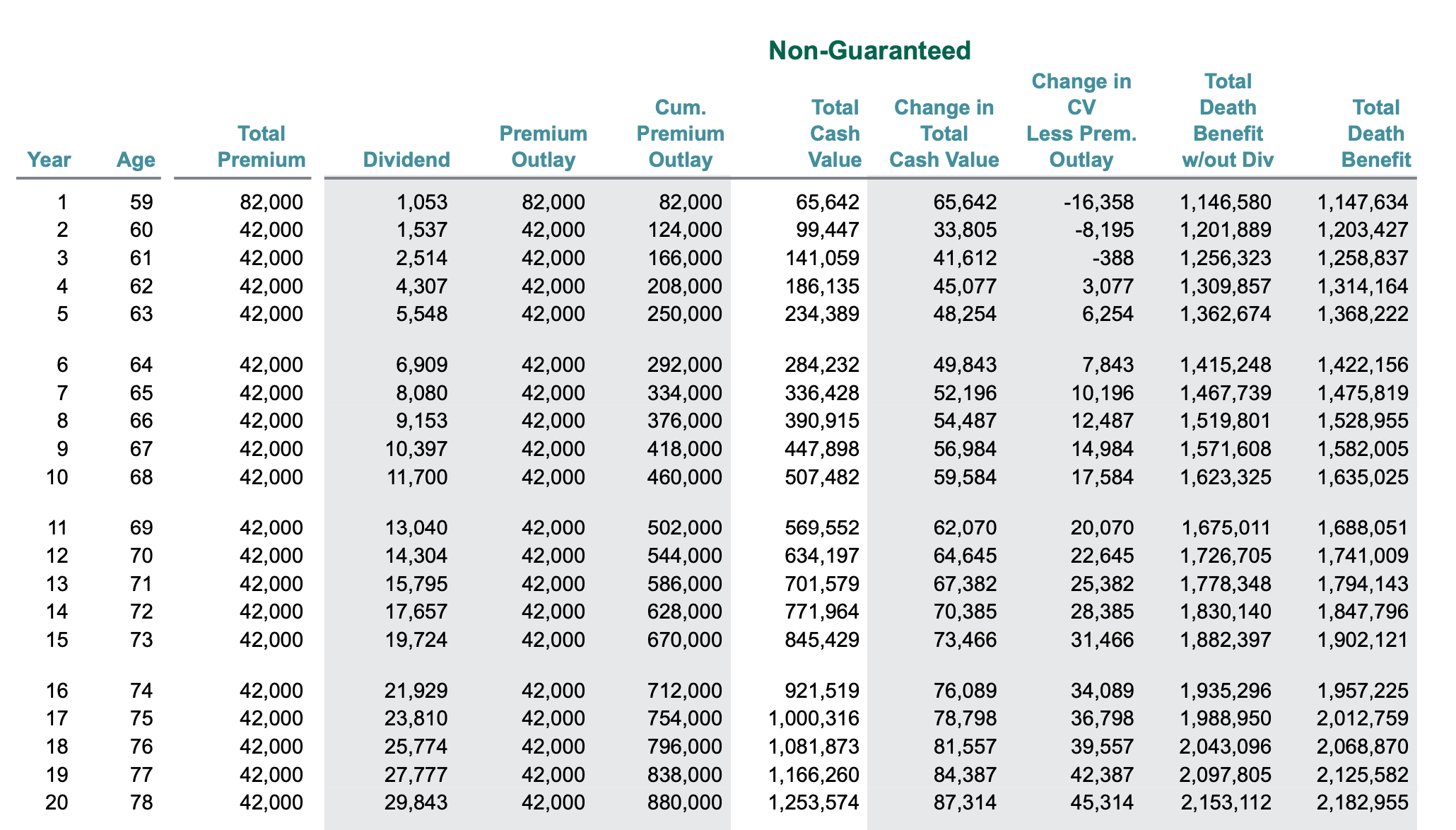
To determine your borrowing capacity, you must first distinguish between the death benefit and the cash value. Whole life insurance is a type of permanent life insurance that includes a savings component, often referred to as the cash value. Over time, a portion of your premium payments, minus the insurer’s expenses and cost of insurance, is credited to this account.
The cash surrender value is the amount you would receive if you chose to cancel your policy today. It is essentially the "liquidity" of your life insurance. Insurance companies impose a loan limit, usually defined as a percentage of this value, to protect the policy from lapsing. If you were permitted to borrow 100% of the cash value, any interest accrued that exceeds the remainder of the account could cause the policy to terminate, potentially leading to significant tax consequences and the loss of your death benefit.
Factors Influencing Your Loan Limit
While the percentage limit is often stipulated in your policy contract, the actual availability of funds depends on several variables.
- Policy Maturity: In the early years of a whole life policy, the cash value may be minimal or non-existent due to administrative costs and commissions. Loans are generally not available until the cash value has sufficiently accumulated, which often takes several years.
- Dividends and Interest: If your policy is a "participating" policy, it may earn dividends. These dividends increase the cash value, thereby increasing your maximum potential loan. Conversely, if you have taken previous loans that have not been repaid, the interest on those loans will reduce the available cash value.
- The Insurance Carrier’s Guidelines: Each life insurance company sets its own specific internal rules. Some insurers may allow a higher percentage for policyholders who have maintained their contracts for decades, while others apply a flat percentage across the board. Always consult your annual policy statement, which will explicitly state the current "loanable" amount.
The Mechanics of Policy Loans
Borrowing against your life insurance is technically an advance against the policy’s cash value rather than a traditional bank loan. You are not required to undergo a credit check, and there is no set repayment schedule. However, it is vital to understand that this is debt, not a withdrawal.
- Interest Rates: The insurance company charges interest on the borrowed amount. While this interest is often lower than personal bank loans, it is mandatory. If you do not pay the interest, the insurance company will typically add it to your loan balance.
- Impact on Death Benefit: If you pass away while a loan is outstanding, the insurer will subtract the unpaid loan balance (including accrued interest) from the death benefit paid to your beneficiaries.
- Collateralization: Your policy acts as the collateral. If the total loan balance grows to exceed the cash value of the policy, the policy may lapse. This can trigger a "taxable event," where the IRS considers the forgiven debt as income, potentially resulting in a significant tax bill.
Comparison of Financial Options
When considering a policy loan, it is helpful to contrast this method with traditional borrowing sources to understand the cost and risk structure.
| Feature | Whole Life Policy Loan | Personal Bank Loan | Home Equity Line of Credit (HELOC) |
|---|---|---|---|
| Credit Check | No | Yes | Yes |
| Repayment Terms | Flexible | Fixed | Variable/Flexible |
| Collateral Required | Cash value of policy | Unsecured | Primary residence |
| Tax Implications | Possible if lapsed | None | Interest may be deductible |
Essential Considerations Before You Borrow
Before requesting the maximum loan, consider the long-term impact on your financial planning. Using your cash value reduces the internal growth potential of your policy. Because the cash value is essentially your equity in the policy, withdrawing funds inhibits the "compounding effect" that allows whole life insurance to serve as a long-term wealth accumulation tool.
Furthermore, ensure you have a repayment strategy. Because there is no legal requirement to pay back a policy loan, many policyholders inadvertently drain their policies over time. If the goal is to access capital for business or real estate, treat the loan as a genuine debt and create a structured repayment plan to ensure the policy remains healthy and active.
Frequently Asked Questions
Is the money I borrow from my life insurance policy taxable? Generally, no. A loan from a life insurance policy is considered debt, not income. As long as the policy remains in force and does not lapse, you do not pay income tax on the borrowed funds. If the policy lapses or is surrendered while a loan is outstanding, the portion of the loan exceeding your "basis" (total premiums paid) may be subject to income tax.
What happens if I never pay back the loan? If you do not repay the loan, the amount will be deducted from your death benefit when the policy pays out. If you live a long time and the interest accrues such that the total debt exceeds the cash value, the policy will lapse. This can lead to the loss of coverage and significant, unexpected tax liabilities.
Can I borrow the maximum amount immediately after opening a policy? No. Most whole life insurance policies require a "waiting period" or a "build-up phase" before any cash value is available for loans. Depending on the company, this can take anywhere from three to seven years.
Does taking a loan affect the dividends I receive? It depends on the company's "direct recognition" policy. Some insurers reduce the dividend paid on the cash value of a policy that has an outstanding loan (direct recognition), while others pay dividends as if the loan did not exist (non-direct recognition). Check your policy disclosure document to see which method your insurer uses.
Where can I find the exact maximum loan amount for my specific policy? The most accurate source is your annual policy anniversary statement. Alternatively, you can log into your insurance carrier's online portal or call their customer service department directly to request a "loan quote" for the current date.
Final Recommendation
To access the maximum loan amount safely, first request an official "in-force illustration" from your insurance provider. This document will detail the exact amount available for a loan as of 2026 and project how different loan amounts will affect your policy’s future death benefit and cash value growth. Before finalizing the request, consult with a qualified financial advisor to ensure the loan aligns with your broader financial objectives and that you have a plan to manage the interest charges.
Image Gallery