What the Miami Medical Billing and Coding Program Offers
A Miami medical billing and coding program offers a comprehensive curriculum designed to prepare students for the administrative side of healthcare by teaching them to translate medical procedures into standardized alphanumeric codes....
A Miami medical billing and coding program offers a comprehensive curriculum designed to prepare students for the administrative side of healthcare by teaching them to translate medical procedures into standardized alphanumeric codes. These programs typically cover ICD-10-CM, CPT, and HCPCS Level II coding systems, medical terminology, anatomy, and health insurance claim processing to ensure accurate reimbursement and compliance with federal regulations.
Contents
The healthcare landscape in South Florida is one of the most robust in the United States, driven by a diverse and aging population. As of 2026, the demand for skilled professionals who can navigate the complexities of electronic health records (EHR) and insurance litigation is at an all-time high. Whether offered through community colleges like Miami Dade College or specialized vocational institutes, these programs serve as the primary gateway for individuals looking to enter the healthcare industry without pursuing a clinical or surgical path.
Core Curriculum and Technical Training
The foundational offering of any reputable medical billing and coding program in Miami is a deep dive into the language of medicine. This is not merely a glossary of terms but a systematic approach to understanding how the human body functions and how various pathologies are treated.
Medical Terminology and Anatomy
Students begin with intensive courses in medical terminology, where they learn the prefixes, suffixes, and root words that form the basis of clinical communication. This knowledge is essential because a coder must accurately interpret a physician's notes to assign the correct code. Following this, anatomy and physiology courses provide the spatial and functional context. For instance, a student must understand the difference between the various chambers of the heart or the specific segments of the spine to distinguish between different surgical procedure codes.
Classification Systems: ICD-10, ICD-11, and CPT
The heart of the program lies in the coding manuals. Programs in 2026 have fully integrated ICD-10-CM (International Classification of Diseases, 10th Revision, Clinical Modification) while introducing the transitional nuances of ICD-11, which offers more granular data for chronic pain and traditional medicine.
- ICD-10-CM/ICD-11: Used for diagnostic coding. Students learn to identify the "why" behind a patient visit.
- CPT (Current Procedural Terminology): Managed by the American Medical Association (AMA), these codes describe the "what"—the specific tests, evaluations, and surgeries performed.
- HCPCS Level II: This system covers supplies, equipment, and services not included in CPT, such as ambulance rides or durable medical equipment (DME).
Health Insurance and Reimbursement Methodologies
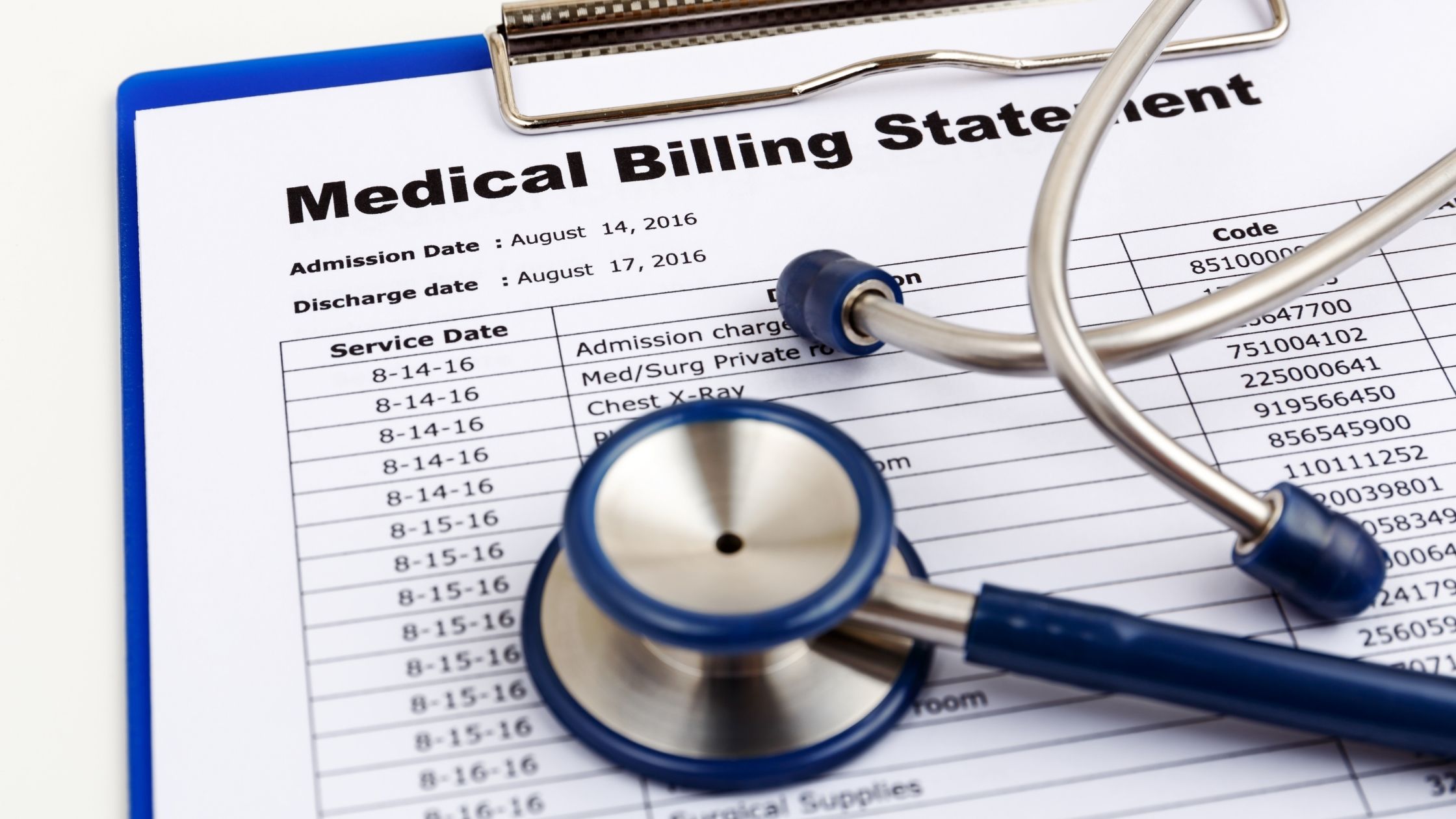
Coding is only half of the equation; billing is the process of getting paid. Miami programs offer extensive training in the revenue cycle management (RCM) process. This includes learning how to file claims using the CMS-1500 form for physician offices and the UB-04 form for institutional facilities like Jackson Memorial Hospital. Students study the differences between private payers (like Blue Cross Blue Shield or Aetna) and government programs (Medicare and Medicaid), focusing on the specific regulatory requirements of the Florida Agency for Health Care Administration (AHCA).
Professional Certification Pathways
A primary benefit of enrolling in a Miami-based program is the explicit alignment with national certification bodies. While a diploma or certificate shows you completed the coursework, a national certification proves your competency to employers.
AAPC vs. AHIMA Alignment
Most Miami programs are designed to prepare students for one of two major exams:
- Certified Professional Coder (CPC): Offered by the AAPC (formerly the American Academy of Professional Coders), this is the gold standard for physician-office coding. Miami has several active AAPC local chapters where students can network.
- Certified Coding Specialist (CCS): Offered by AHIMA (American Health Information Management Association), this certification is more focused on hospital-based (inpatient) coding.
Programs typically include "certification prep" modules in their final semester. These modules involve timed practice exams and "code-offs" to build the speed and accuracy required to pass the rigorous national exams, which can last up to four or five hours.
Program Formats and Duration in 2026
Miami’s educational institutions offer various formats to accommodate working professionals and full-time students. The duration of the program is largely determined by the type of credential sought.
Certificate Programs
These are accelerated paths usually lasting between 8 and 12 months. They focus strictly on the technical skills of coding and billing, stripping away general education requirements. This is the fastest route to the workforce and is common among private vocational schools in the Coral Gables and Doral areas.
Associate of Science (AS) Degrees
Offered by institutions like Miami Dade College, the AS in Health Information Technology is a two-year program. It offers a broader education, including computer science, English, and management. This path is often preferred by those who eventually want to move into supervisory roles or hospital administration.
Hybrid and Online Modalities
By 2026, the "Miami Medical Billing and Coding Program" standard has shifted toward a hybrid model. Students perform their coding labs online using simulated EHR software (like Epic or Cerner) but may attend campus for professional development workshops or guest lectures from local healthcare executives.
| Feature | Certificate Program | Associate Degree (AS) |
|---|---|---|
| Duration | 8–12 Months | 24 Months |
| Credits | 30–38 Credits | 60–64 Credits |
| Cost Range | $5,000 – $12,000 | $10,000 – $20,000 |
| Focus | Technical Coding Skills | Management & General Ed |
| Best For | Fast Entry into Workforce | Career Advancement/Leadership |
| Financial Aid | Limited (Depends on school) | Full FAFSA Eligibility |
Admission Requirements and Prerequisites
To enter a medical billing and coding program in Miami, candidates must meet specific criteria designed to ensure they can handle the academic rigor and the legal responsibilities of handling sensitive patient data.
- Educational Background: A high school diploma or GED is the universal minimum. Some programs may require a minimum GPA or a placement test in basic mathematics and English.
- Background Checks: Because billers and coders handle Protected Health Information (PHI) and financial data, many Miami programs—especially those with externship components—require a Level 2 criminal background check.
- Computer Literacy: Students must be proficient in basic software applications. In 2026, most coding is performed via sophisticated Encoder software, making digital fluency a prerequisite rather than a taught skill.
- Language Proficiency: While Miami is a bilingual city, coding exams and federal documentation are conducted in English. Students must have a strong grasp of English medical terminology, though bilingualism is a significant asset during the job search in South Florida.
Tuition Costs and Financial Aid Options
The cost of a medical billing and coding program in Miami varies significantly between public and private institutions. In 2026, public institutions remain the most cost-effective, but private trade schools often offer more flexible start dates and career placement services.
- Public Institutions: Tuition at a community college for Florida residents may range from $100 to $130 per credit hour. A full certificate might cost between $3,500 and $5,000.
- Private Vocational Schools: These programs often have higher price tags, ranging from $12,000 to $18,000, but the price frequently includes books, coding manuals, and the cost of the first certification exam.
Financial Support
Most accredited programs allow students to apply for the Federal Pell Grant via the FAFSA. Additionally, Florida residents may be eligible for the Open Door Grant Program, which was designed to support students in short-term workforce education programs that lead to high-demand credentials.
Career Outlook and Placement in South Florida
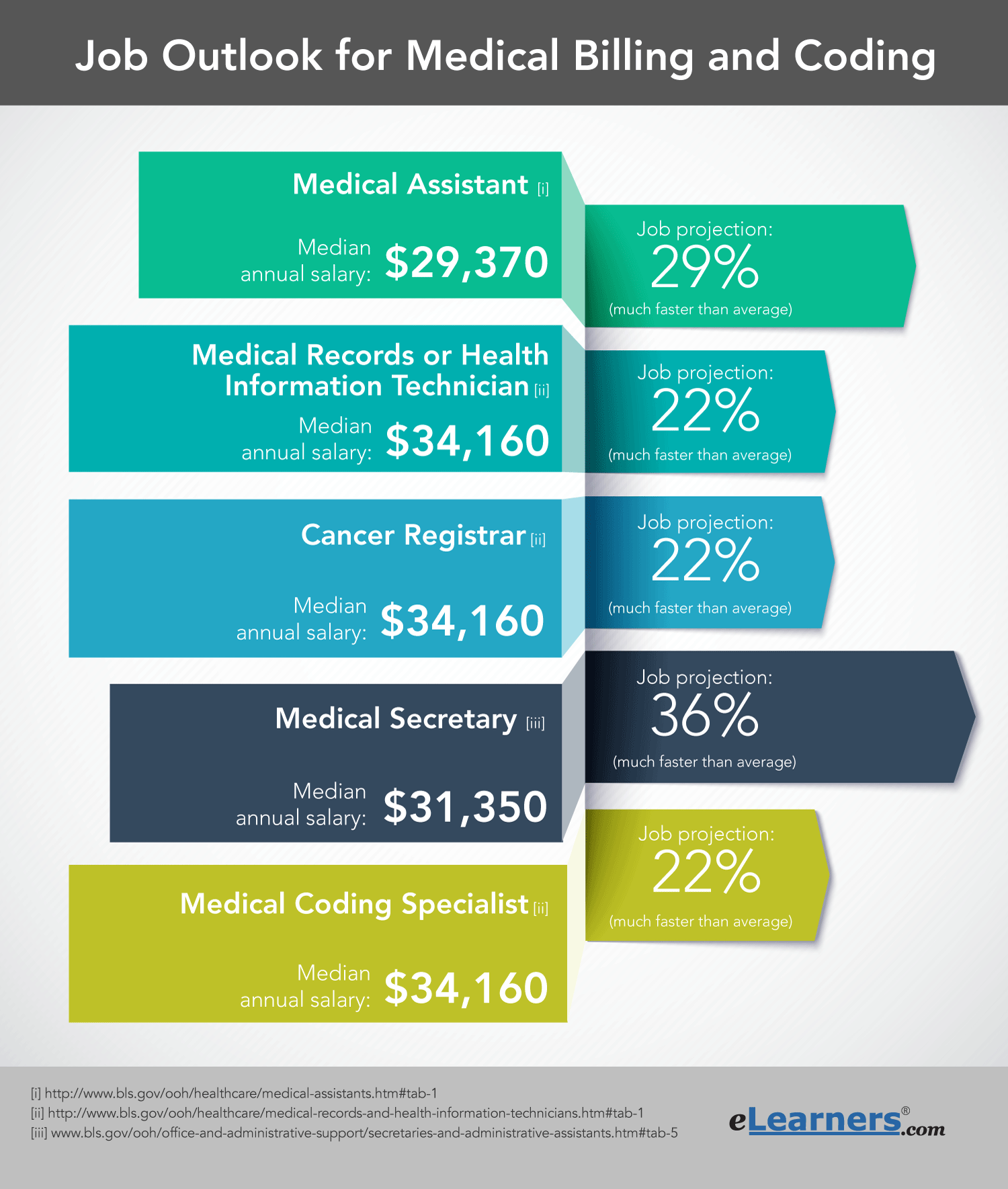
The primary "offer" of these programs is a pathway to employment. Miami is home to some of the largest healthcare employers in the country, including Baptist Health South Florida, The University of Miami Health System (UHealth), and Mount Sinai Medical Center.
Job Roles for Graduates
Graduates are not limited to just "coding." They are qualified for roles such as:
- Medical Billing Specialist: Focusing on claim submission and payment posting.
- Patient Account Representative: Resolving disputes between patients and insurance companies.
- Health Information Technician: Managing the security and accuracy of digital records.
- Remote Coder: Many Miami healthcare groups now offer remote work options for certified coders, allowing them to work from home.
The Impact of AI in 2026
Modern Miami programs have integrated Computer-Assisted Coding (CAC) tools into their curriculum. Instead of fearing AI, students are taught to act as "editors" of AI-generated codes, ensuring that the software has not missed nuances in the clinical documentation. This shift has made the role more analytical and less clerical, often leading to higher starting salaries for those proficient in these technologies.
Frequently Asked Questions
Can I complete the Miami medical billing and coding program entirely online?
Yes, many institutions in Miami offer 100% online formats for their certificate programs. However, some programs require a "proctored" final exam or a brief in-person orientation. It is essential to ensure the online program is accredited so you remain eligible for national certification exams.
What is the average salary for a medical coder in Miami in 2026?
In 2026, the average starting salary for a certified medical coder in the Miami-Fort Lauderdale area ranges from $52,000 to $65,000 annually. Those with specialized certifications (such as Cardiology or Interventional Radiology coding) can earn significantly more, often exceeding $80,000.
How difficult is the CPC exam?
The Certified Professional Coder (CPC) exam is famously difficult, with a national pass rate often cited below 60% for first-time takers. This is why the prep courses offered by Miami programs are vital; they provide the structured practice and strategy needed to navigate the 100-question exam within the time limit.
Is coding or billing a better career path?
Coding is generally more technical and offers a slightly higher salary floor, while billing involves more communication with patients and insurance companies. Many programs in Miami teach both, as smaller clinics often require one person to perform both roles.
Do I need to be bilingual (English/Spanish) to work in Miami?
While not a strict requirement for the coding itself, being bilingual is a massive competitive advantage in the Miami job market. Billers who can explain complex insurance issues to Spanish-speaking patients are in extremely high demand at local clinics and hospitals.
Practical Recommendation
If you are considering a career in this field, your first step should be to verify the accreditation of your chosen Miami program. Look for programs recognized by the Commission on Accreditation for Health Informatics and Information Management Education (CAHIIM) or those that are official AAPC Education Partners. Request a syllabus to ensure they are teaching the most current code sets (ICD-10/11) and ask about their "job placement rate"—specifically how many graduates find work within 90 days of certification. Starting with a certificate at a public institution like Miami Dade College is often the most balanced approach between cost and quality.
Image Gallery