Titanic II Launch: Understanding the Current Status of the Titanic 2 Project
As of 2026, there is no verified launch date or operational schedule for the Titanic II, a project proposed by Australian billionaire Clive Palmer and his company, Blue Star Line. Despite multiple high-profile announcements and press c...
As of 2026, there is no verified launch date or operational schedule for the Titanic II, a project proposed by Australian billionaire Clive Palmer and his company, Blue Star Line. Despite multiple high-profile announcements and press conferences spanning over a decade, the vessel remains a concept in development rather than a ship under active construction or sea trials.
Contents
The Origin and Concept of Titanic II
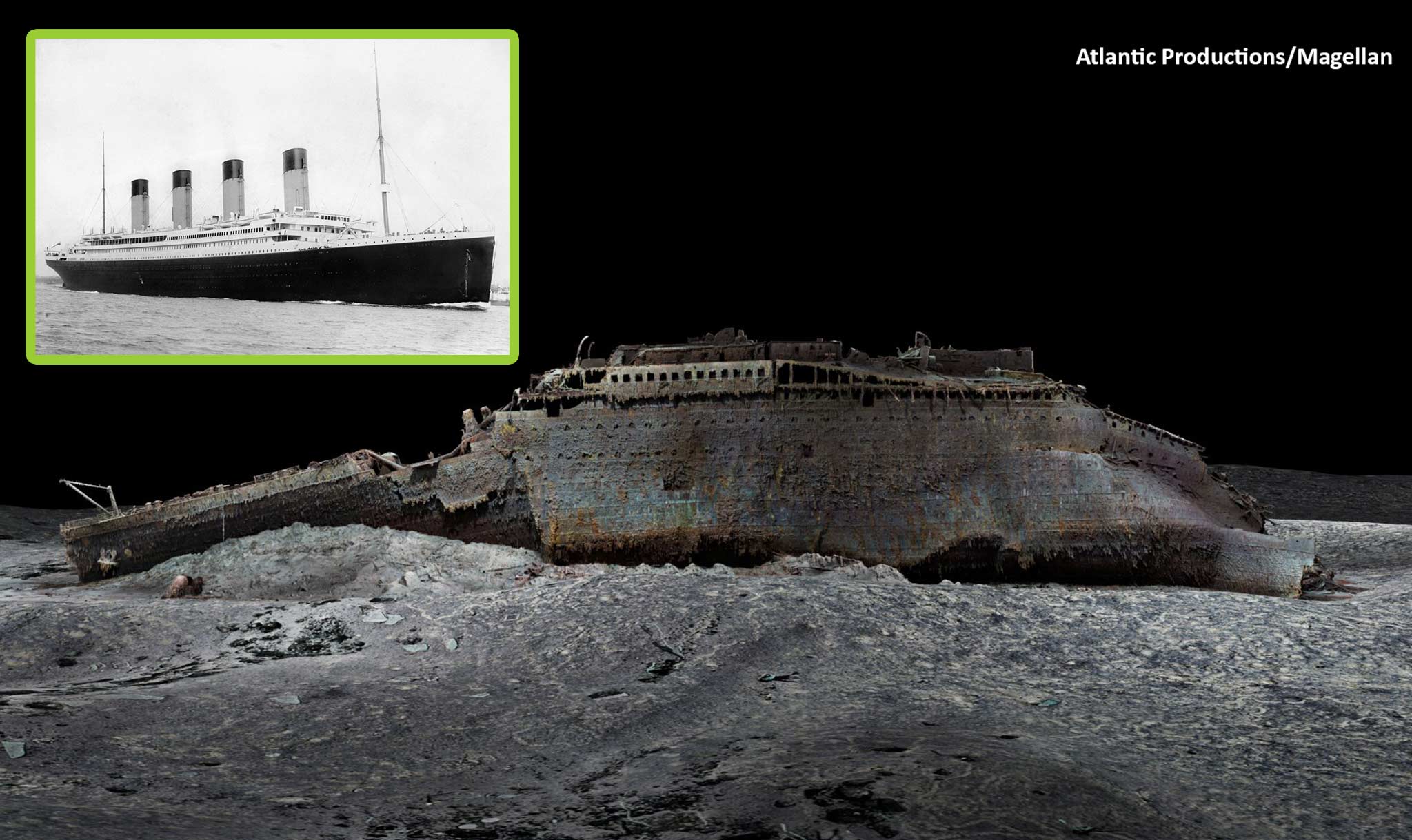
The Titanic II project first captured international attention in 2012 when Clive Palmer, chairman of Blue Star Line, announced his ambition to construct a modern, functional replica of the RMS Titanic. The project’s stated goal was to recreate the legendary vessel, paying homage to the original ship’s history while incorporating modern maritime technology, safety features, and comfort.
Unlike the original Titanic, which was designed in the early 20th century with coal-fired boilers and manual propulsion systems, the Titanic II was proposed as a diesel-electric vessel. The design plans have frequently emphasized that the ship would feature modern navigation systems, digital radar, satellite controls, and, most importantly, adequate lifeboat capacity for every passenger and crew member on board. From a technical design perspective, the ship was envisioned to mirror the 1912 interior layout of the original Titanic—including the iconic Grand Staircase—while meeting stringent 21st-century International Maritime Organization (IMO) safety standards.
The Timeline of Public Announcements
The development history of the Titanic II is characterized by intermittent bursts of activity followed by long periods of silence.
- Initial Announcement (2012): Clive Palmer introduced the project, citing a target launch date of 2016. The announcement drew significant global media coverage.
- Project Suspension (2015): Development slowed significantly due to legal and financial disputes involving Palmer’s mining interests in Australia.
- Project Revival (2018): Blue Star Line announced that the project was back on track, with a revised goal of launching the ship in 2022.
- Post-2020 Hiatus: The global pandemic and shifting global economic conditions further impacted the feasibility and timeline of the project.
Throughout these years, the project has transitioned from a concrete development goal into an intermittent news cycle. By 2026, while the company maintains an online presence for the project, there have been no confirmed contracts issued to major shipyards for the construction of the steel hull or the installation of the necessary marine propulsion systems.
Technical Challenges and Maritime Standards
Building a ship of this magnitude involves complexities far beyond architectural aesthetic. The maritime industry has evolved significantly since 1912, and any vessel built today must comply with the International Convention for the Safety of Life at Sea (SOLAS).
Key Technical Requirements for Modern Liners
- Hull Integrity and Materials: Modern steel fabrication, welding techniques, and stress-testing simulations are required to ensure durability in North Atlantic conditions.
- Propulsion and Power: The original design must be adapted to accommodate modern diesel-electric engines, which are heavier and require different fuel storage configurations than coal-fired steam engines.
- Safety Systems: This includes fire suppression, emergency power redundancy, and the placement of modern evacuation systems that must integrate into a historical-style silhouette without compromising the ship's stability or aesthetic intent.
- Environmental Compliance: A modern ship must adhere to current IMO emissions standards (MARPOL), which regulate nitrogen and sulfur oxide emissions—a major engineering challenge for a vessel attempting to retain a "classic" design.
Comparison: The Original Titanic vs. The Titanic II Proposal
The following table highlights the intended differences between the historical vessel and the modern project requirements.
| Feature | RMS Titanic (1912) | Titanic II (Proposed) |
|---|---|---|
| Propulsion | Coal-fired Steam Engines | Diesel-Electric / Modern Engines |
| Lifeboats | Capacity for ~1,178 people | Full capacity for all onboard |
| Navigation | Sextants, Lookouts, Manual Helm | Digital Radar, GPS, Satellite, ECDIS |
| Hull Material | Iron/Steel (Riveted) | Modern Marine Steel (Welded) |
| Safety Compliance | 1912 Board of Trade Rules | Current IMO / SOLAS Standards |
Why the Launch Date Remains Elusive
The primary constraint for the Titanic II has consistently been the availability of shipyard capacity and the immense capital expenditure required for a "one-off" custom ship construction. In the maritime industry, large cruise vessels are typically built in series to amortize the costs of design, engineering, and tooling. Constructing a ship that requires bespoke period-accurate interiors while meeting modern safety regulations requires specialized labor and materials that are significantly more expensive than standard cruise ship construction.
Furthermore, investors and potential partners require verified, risk-mitigated schedules. Without a signed contract with a major shipbuilder—such as those based in Finland, Germany, or South Korea—a launch date remains purely speculative. As of 2026, the absence of an active "keel-laying" ceremony or official shipyard confirmation indicates that the project has not moved into the construction phase.
Frequently Asked Questions
Is the Titanic II currently being built? No. As of 2026, there is no active construction of a Titanic II vessel. While the project remains a high-profile concept, it has not reached the phase where steel is being cut or assembled at a shipyard.
Will the ship be a 1:1 replica of the original? The goal is to replicate the external appearance and the layout of key interior spaces like the Grand Staircase and dining saloons. However, for regulatory reasons, the ship must be built with modern materials, safety systems, and structural modifications to meet international maritime laws.
Where would the Titanic II sail? In previous conceptual marketing, Blue Star Line suggested the ship would follow the original intended route from Southampton to New York. However, since the ship does not exist, no routes or itineraries are currently available for booking.
Has Blue Star Line accepted ticket money? There is no verifiable evidence that Blue Star Line has opened a public booking system or accepted passenger deposits for a future voyage. Always exercise caution regarding any websites or third parties claiming to collect funds for future Titanic II travel.
Why does this project keep appearing in the news? The project is a frequent topic in media due to the enduring cultural fascination with the Titanic. Periodic press releases by the project’s backers often generate renewed interest, even when there is no significant progress in engineering or shipyard procurement.
Recommendation for Interested Followers
For those interested in the history of the Titanic or the progress of large-scale maritime projects, it is recommended to monitor announcements directly from maritime industry trade publications such as TradeWinds or Cruise Industry News. These outlets track shipyard order books and major capital investments in the maritime sector. If the Titanic II project moves from a conceptual proposal to a contractual reality, these industry-focused news sources will be the first to report on the filing of shipyard contracts, structural engineering permits, and the establishment of an official construction timeline.
Image Gallery