Why a Home Inspection for Refinance Matters More Than You Think
While mortgage lenders typically require a property appraisal to confirm market value during a refinance, an independent home inspection plays a separate, vital financial role. Ordering a home inspection before refinancing protects you...
While mortgage lenders typically require a property appraisal to confirm market value during a refinance, an independent home inspection plays a separate, vital financial role. Ordering a home inspection before refinancing protects your equity by identifying hidden structural, mechanical, or safety defects that could lower your appraisal, trigger lender repair demands, or derail your loan approval entirely.
Contents
- Pre-Refinance Home Inspection: Uncovers hidden structural/mechanical issues
- Targeted Maintenance & Repairs: Preserves home condition and equity base
- Official Lender Appraisal: Validates property market value & LTV ratio
- Final Refinance Underwriting: Secures optimal interest rates & loan terms
Understanding Refinance Requirements: Appraisal vs. Home Inspection
Many homeowners confuse a home appraisal with a home inspection when refinancing a mortgage. Although both involve an professional visiting your property, their objectives, standards, and reporting obligations are fundamentally different.
A lender appraisal is mandated by financial institutions to evaluate credit risk. The appraiser's primary objective is to estimate the fair market value of the property to ensure it serves as adequate collateral for the loan amount. Appraisers visually inspect accessible areas to note general condition, room counts, and obvious defects, comparing the property against recent sales of comparable homes in your immediate market. They do not test HVAC performance, inspect plumbing lines inside walls, or climb onto roofs to check flashings.
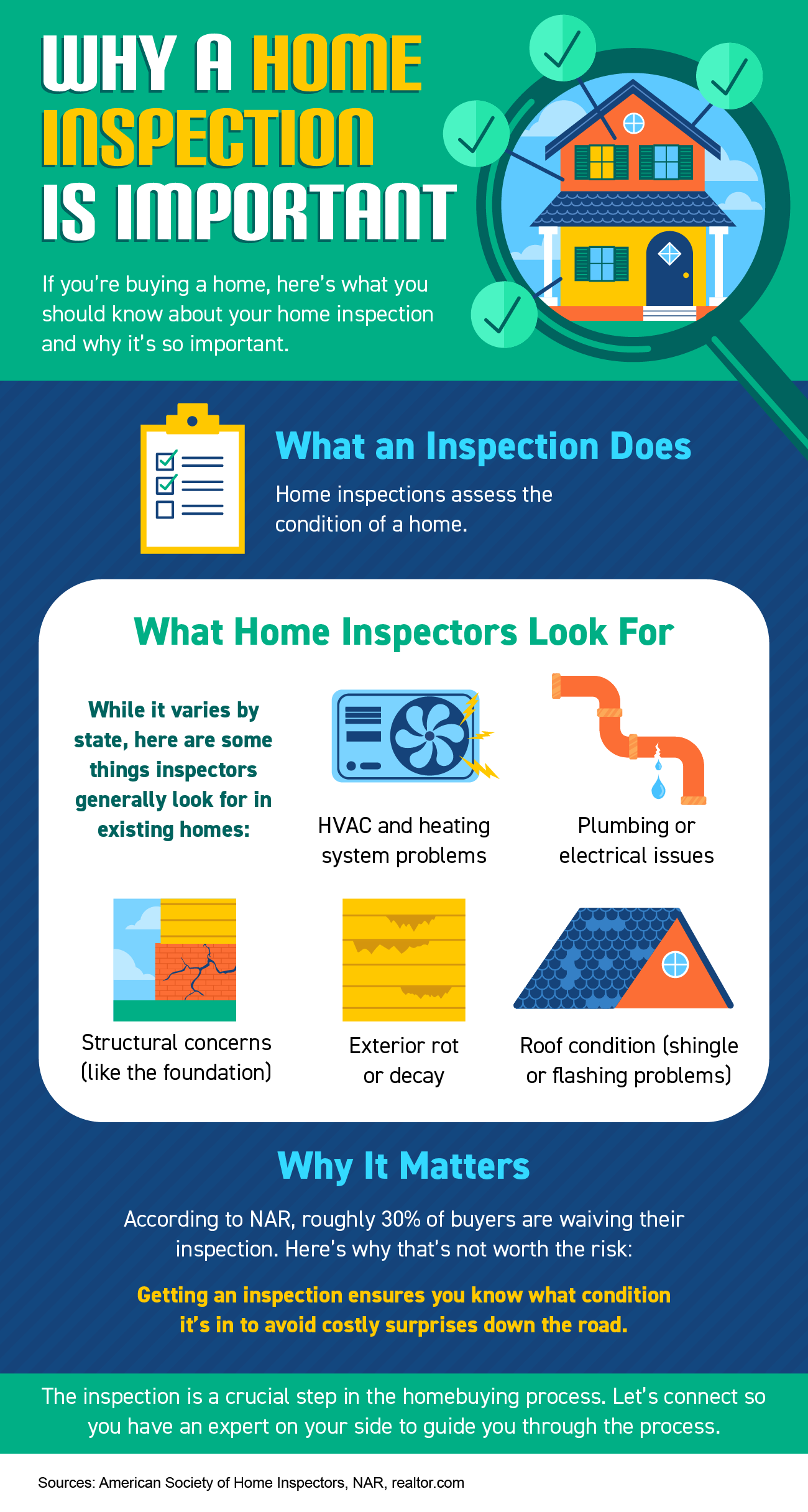
A home inspection, by contrast, is a comprehensive physical examination of the building's structural health, mechanical systems, and safety features. A licensed home inspector assesses hundreds of components—from electrical panels and foundation walls to roof trusses, water heaters, and drainage systems.
Evaluation Focus:
- Lender Appraisal
- Financial valuation focus
- Establishes loan-to-value
- Top-level visual scan
- Mandated by lender
- Home Inspection
- Physical health focus
- Detects hidden defects
- Tests mechanical systems
- Optional for homeowner
Relying solely on a lender appraisal leaves significant blind spots. If an appraiser detects visible damage—such as water stains on a ceiling or severe masonry cracking—they will issue an appraisal "subject to" repairs or expert evaluation. This halts your refinance until an independent inspector or specialized contractor assesses the issue. Completing a voluntary home inspection before applying for a refinance allows you to address structural or system failures on your own timeline, avoiding costly lender-imposed delays.
The Hidden Financial Risks of Skipping an Inspection Before Refinancing
Refinancing a mortgage resets your loan terms, closing costs, and repayment structure over a new 15- to 30-year timeframe. Proceeding without verifying the physical integrity of your home exposes you to three major financial risks.
1. Unexpected Hits to Your Loan-to-Value (LTV) Ratio
Your Loan-to-Value (LTV) ratio determines your interest rate tier, your eligibility for private mortgage insurance (PMI) removal, and whether you qualify for refinancing at all.
$$\text{Loan-to-Value (LTV) Ratio} = \left( \frac{\text{Total Loan Amount}}{\text{Appraised Home Value}} \right) \times 100$$
If your property has unaddressed deferred maintenance—such as aging shingles, sagging gutters, or outdated electrical panels—an appraiser will downgrade the home's effective age and condition rating. A drop in appraised value increases your LTV ratio. For example, if your home is valued at $380,000 instead of an expected $400,000 due to visible neglect, an outstanding $310,000 mortgage balance pushes your LTV from 77.5% to 81.5%. Crossing that 80% threshold forces you to pay monthly PMI, adding thousands of dollars in unnecessary lifetime costs.
2. Misallocation of Cash-Out Refinance Equity
In a cash-out refinance, homeowners extract built-up equity to consolidate debt, pay for higher education, or fund major lifestyle expenses. However, drawing out equity without knowing the state of your home's major systems can lead to severe financial distress.
If you extract $50,000 in cash for discretionary spending and six months later experience a primary main line plumbing collapse or a heat pump failure, you may lack the liquid capital to pay for an emergency $15,000 repair. Conducting a pre-refinance home inspection allows you to accurately budget cash-out proceeds toward high-priority structural or mechanical repairs first.
3. Escrow Holdbacks and Mandatory Lender Repair Demands
When an appraiser flags safety or structural concerns, the lender's underwriting department will issue a repair requirement before approving the loan. Lenders may require funds to be placed into an escrow holdback—often set at 150% of the estimated repair cost—until work is finished and re-inspected.
If you cannot fund these repairs out-of-pocket prior to closing, the refinance can fall through entirely, leaving you responsible for non-refundable appraisal, application, and processing fees.
How a Pre-Refinance Inspection Protects Your Equity and Loan Terms
A pre-refinance inspection acts as an insurance policy for your mortgage application. Taking control of the inspection process offers clear operational and financial advantages:
Pre-Refinance Inspection Advantages:
Proactive Repair Control: Fix issues using preferred local contractors
Maximizes Appraised Value: Presents clean, fully operational home systems
Streamlined Underwriting: Avoids appraisal "subject-to" repair flags
Locked Rate Protection: Prevents closing delays that expire rate locks
Proactive Repair Control: When an appraiser mandates repairs, you are forced to hire contractors on an expedited timeline, often paying premium emergency rates. Identifying issues early through a private inspection lets you gather competitive contractor quotes or perform minor fixes yourself.
Maximizing Appraisal Value: Presenting a home with fully documented, perfectly functioning systems gives the appraiser no reason to discount condition ratings. Providing a copy of a clean inspection report alongside receipts for recent service (such as HVAC maintenance or roof tune-ups) demonstrates meticulous property care.
Rate Lock Protection: Interest rates fluctuate daily. Mortgage lenders grant rate locks for specific windows—typically 30, 45, or 60 days. Appraisal delays caused by unresolved physical defects can push your closing past the rate lock expiration date, forcing you to pay lock extension fees or accept a higher interest rate.
Comparative Overview: Property Evaluation Types
Understanding the differences between available property evaluations helps you choose the right service before refinancing.
| Evaluation Type | Primary Purpose | Required by Lender? | Scope of Physical Assessment | Average Cost |
|---|---|---|---|---|
| Full Home Inspection | Detect mechanical, structural, and safety defects for owner awareness | No (Voluntary for conventional refi) | Comprehensive; 500+ items checked, including attic, crawlspace, HVAC, roof, plumbing, and electrical | $350 – $600 |
| Standard Refinance Appraisal | Determine fair market value for mortgage underwriting collateral | Yes (Unless appraisal waiver applies) | High-level visual scan of visible areas; measures square footage and assesses overall neighborhood comps | $450 – $750 |
| FHA / VA Appraisal Inspection | Confirm market value AND enforce government minimum property standards | Yes (For FHA/VA loans) | Visual check focused on health, safety, structural integrity, and lead paint compliance | $500 – $800 |
| Desktop / Automated Valuation (AVM) | Algorithms estimate property value using public data and market trends | Optional (Offered on low-risk refis) | Zero physical evaluation; relies entirely on tax records, deed filings, and local sales algorithms | $0 – $150 |
Government-Backed Refinances: Unique Inspection Standards
If you are refinancing through a government-backed loan program, physical property standards are significantly stricter than conventional loans. The Federal Housing Administration (FHA), U.S. Department of Veterans Affairs (VA), and U.S. Department of Agriculture (USDA) enforce specific rules that merge valuation with safety inspections.
FHA Minimum Property Requirements (MPRs)
FHA appraisers are required to inspect the property against strict Minimum Property Requirements detailed in HUD Handbook 4000.1. Common issues that trigger mandatory repair orders include:
- Peeling or Flaking Paint: On homes built before 1978, any peeling paint (interior or exterior) is presumed to be lead-based hazard and must be scraped, primed, and repainted.
- Roofing Lifespan: The roof must prevent moisture entry and have at least two years of remaining physical life. If a roof has three or more layers of shingles, complete tear-off is mandatory.
- Attics and Crawlspaces: The appraiser must perform a "head and shoulders" inspection of attics and crawlspaces to verify adequate ventilation and check for structural damage, mold, or active leaks.
- Handrails and Safety Measures: Stairways with three or more risers require secure handrails.
Common Government Loan (FHA/VA) Flags:
- Flaking/Peeling Paint (Pre-1978 Homes): Mandatory lead abatement fix
- Inadequate Roof Life (< 2 Years Left): Requires repair or roof replacement
- Missing Handrails (3+ Stair Risers): Safety violation requirement
- Active Wood-Destroying Organisms: Requires pest treatment & repair
VA Minimum Property Requirements (MPRs)
The VA requires properties to be safe, sound, and sanitary. Key VA-specific flags include:
- Wood-Destroying Insects: In many regions, the VA mandates a formal Termite/WDO (Wood-Destroying Insect) inspection report. Active infestations or unrepaired termite damage will stop loan processing.
- Heating and Systems: The heating system must be capable of maintaining a comfortable living space (typically defined as maintaining 50°F in living areas with plumbing) without relying on unvented fuel heaters.
- Drainage: The site must grade away from foundation walls to prevent water accumulation.
By hiring a home inspector familiar with FHA/VA standards prior to your lender appraisal, you can spot and fix these specific deficiencies early.
Step-by-Step Guide: Preparing Your Property for Refinance Success
To maximize your refinancing outcome, follow this structured plan to evaluate and upgrade your property's condition:
Refinance Property Preparation Steps:
- Step 1: Perform an Owner Self-Assessment
- Check for minor leaks, flaking paint, broken windows, and outlets.
- Step 2: Order an Independent Pre-Refinance Home Inspection
- Hire a certified (ASHII/InterNACHI) inspector for homes >10 yrs old.
- Step 3: Complete Critical Structural & Mechanical Repairs
- Prioritize foundation, roof, plumbing, and electrical panel fixes.
- Step 4: Compile a Maintenance and Capital Improvements Dossier
- Document upgrade permits, contractor receipts, and warranty details.
- Step 5: Host the Lender Appraiser
- Ensure clear access to attic, crawlspace, water heater, and panel.
Step 1: Perform an Owner Self-Assessment
Before booking a professional, walk through your home with a checklist focused on function and safety:
- Test all smoke alarms and carbon monoxide detectors.
- Check under sinks for slow plumbing leaks or corrosion.
- Inspect windows and doors for proper latching and unbroken glass seals.
- Ensure the main electrical panel is unobstructed and lacks exposed wiring.
Step 2: Order an Independent Home Inspection
If your home is over ten years old, or if you plan to execute a large cash-out refinance, hire an independent, state-licensed home inspector holding certification from professional bodies like the American Society of Home Inspectors (ASHI) or InterNACHI. Specify that you want a full structural and mechanical evaluation.
Step 3: Address Critical System Repairs
Prioritize repairs that affect structural integrity, water management, and life safety. Cosmetic flaws like outdated tile or scuffed baseboards have minor impact on appraisals, but active roof leaks, faulty electrical breakers, or cracked heat exchangers can derail your loan.
Step 4: Assemble a Capital Improvements Dossier
Create a document binder for the lender’s appraiser containing:
- Invoices and permits for major updates (e.g., roof replacement, new HVAC, electrical upgrades).
- Warranties for recently installed mechanical units or appliances.
- A copy of your recent home inspection showing completed repairs.
Step 5: Facilitate Appraiser Access
On appraisal day, ensure unobstructed access to the attic hatch, crawlspace entry, water heater, electrical panel, and furnace room. Clearing storage boxes from these zones prevents the appraiser from flagging areas as "uninspected."
Frequently Asked Questions
Is a home inspection mandatory when refinancing a mortgage?
No, mortgage lenders generally do not require a standard, independent home inspection for conventional refinancing; they only require a property appraisal. However, ordering a voluntary inspection is strongly recommended to identify structural or mechanical problems that could lower your appraisal value or create unexpected out-of-pocket repair bills after closing.
How does a home inspection differ from a mortgage appraisal?
An appraisal is commissioned by the lender to establish the fair market value of the home and secure the loan collateral. A home inspection is commissioned by the homeowner to thoroughly evaluate the physical health of the property, testing mechanical systems, structural integrity, plumbing, electrical systems, and safety components.
Can a bad inspection report cause a refinance to be denied?
If an appraiser notes severe physical flaws—such as foundation settlement, a failing roof, or unsafe electrical wiring—the lender’s underwriter will condition loan approval on those issues being repaired. If the owner cannot or will not fix the problems, the refinance application will be denied.
Should I get a home inspection before doing a cash-out refinance?
Yes. A cash-out refinance increases your principal loan balance. Ordering a home inspection beforehand ensures you know the physical condition of major systems. This allows you to allocate an appropriate portion of your cash-out proceeds to critical home repairs rather than spending the funds elsewhere and facing emergency replacement costs later.
How much does a pre-refinance home inspection cost?
A comprehensive home inspection costs between $350 and $600 for a standard single-family home, depending on property size, age, and geographical location. Specialized inspections, such as sewer scope or radon testing, may add $100 to $250 to the base cost.
Practical Recommendation for Homeowners Refinancing
Before locking in your refinance application or paying non-refundable appraisal fees, evaluate your property's physical readiness. If your home is more than a decade old, has unserviced systems, or if you are seeking a government-backed loan (FHA/VA/USDA), schedule an independent pre-refinance home inspection. Spending a few hundred dollars up front protects your appraisal value, prevents costly rate-lock extensions, and ensures your equity is safely deployed.
Image Gallery