How to Choose the Best Auto Insurance in Austin for Your Budget
Finding the best auto insurance in Austin requires balancing Texas’s mandatory minimum liability requirements with your personal financial risk tolerance. To secure a policy that fits your budget, you must compare multiple quotes based...
Finding the best auto insurance in Austin requires balancing Texas’s mandatory minimum liability requirements with your personal financial risk tolerance. To secure a policy that fits your budget, you must compare multiple quotes based on consistent coverage levels, leverage available multi-policy discounts, and maintain a clean driving record to qualify for the most competitive underwriting tiers.
Contents
Understanding Texas Auto Insurance Requirements
Before selecting a policy in Austin, you must understand the legal baseline mandated by the Texas Department of Insurance (TDI). Texas law requires all drivers to maintain "30/60/25" liability coverage. This means your policy must provide:
- $30,000 for bodily injury to one person per accident.
- $60,000 for bodily injury to two or more people per accident.
- $25,000 for property damage per accident.
While these are the minimum legal requirements to register a vehicle or renew your driver's license in Texas, they are often insufficient for modern vehicle costs. If you are at fault in a major accident, damages exceeding these limits come directly out of your pocket. When evaluating your budget, weigh the immediate savings of purchasing only the minimum against the long-term financial risk of under-insurance.
Factors Influencing Your Austin Premium
Auto insurance rates in Austin are determined by complex actuarial models that evaluate risk. Understanding these factors allows you to make informed decisions about where you can feasibly reduce costs.
- Driving History: This is the most significant factor. Moving violations, at-fault accidents, and comprehensive claims signal a higher risk to insurers, leading to significantly higher premiums.
- Vehicle Type: The cost to repair or replace your vehicle directly impacts your collision and comprehensive premiums. Luxury vehicles or those with expensive safety sensors often cost more to insure.
- Credit-Based Insurance Scores: Texas allows insurers to use credit information to price policies. Maintaining a strong credit profile can often lead to more favorable rate tiers.
- Location and Mileage: Austin’s urban traffic density, particularly in areas like I-35 or Mopac, influences local risk assessments. Furthermore, your annual mileage—the number of miles you drive to work or on weekends—is a primary metric for determining exposure.
- Coverage Choices: The difference between liability-only coverage and full coverage (including collision and comprehensive) is the largest variable in your monthly bill.
Strategies to Lower Costs Without Sacrificing Protection
If you are looking to optimize your budget, focus on these actionable steps rather than simply dropping coverage limits.
- Bundle Your Policies: Most major carriers offer significant discounts if you hold your homeowners or renters insurance with the same company that provides your auto insurance.
- Increase Your Deductibles: Choosing a higher deductible (e.g., raising it from $500 to $1,000) for collision and comprehensive coverage will lower your monthly premium. Ensure you have the cash set aside to cover that higher deductible in the event of a claim.
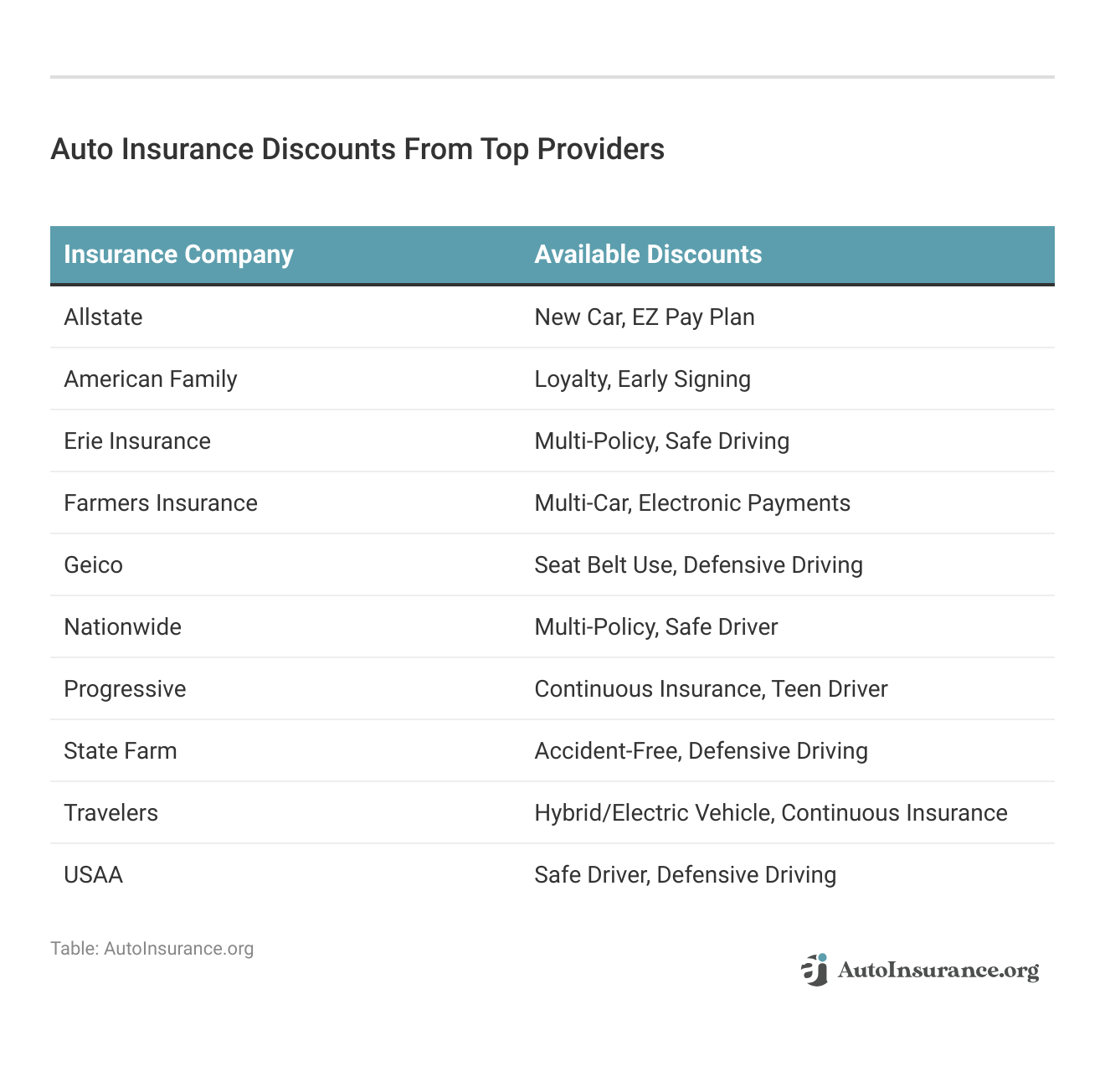
- Inquire About Specific Discounts: Ask providers about telematics programs (apps that track safe driving habits), defensive driving course discounts, or student good-grade discounts.
- Compare Quotes Regularly: Your renewal notice is not a mandate. Prices change, and your life circumstances—such as moving to a different ZIP code or reaching a new age milestone—may make a different carrier more cost-effective.
Comparison Table: Coverage Types and Budget Impact
| Coverage Type | Purpose | Financial Impact |
|---|---|---|
| Liability Only | Covers damages you cause to others. | Lowest premium; high personal risk. |
| Full Coverage | Liability + Collision + Comprehensive. | Higher premium; protects your vehicle. |
| Uninsured Motorist | Covers you if hit by an uninsured driver. | Moderate cost; highly recommended in high-traffic areas. |
| Gap Insurance | Pays the difference between car value and loan. | Low cost; essential for new car loans. |
How to Verify and Purchase a Policy
Once you have identified your needs, follow this process to ensure you are buying from a reputable source.
- Check Licensing: Always verify that the company is licensed to operate in Texas. You can confirm the status of any insurance company through the Texas Department of Insurance website.
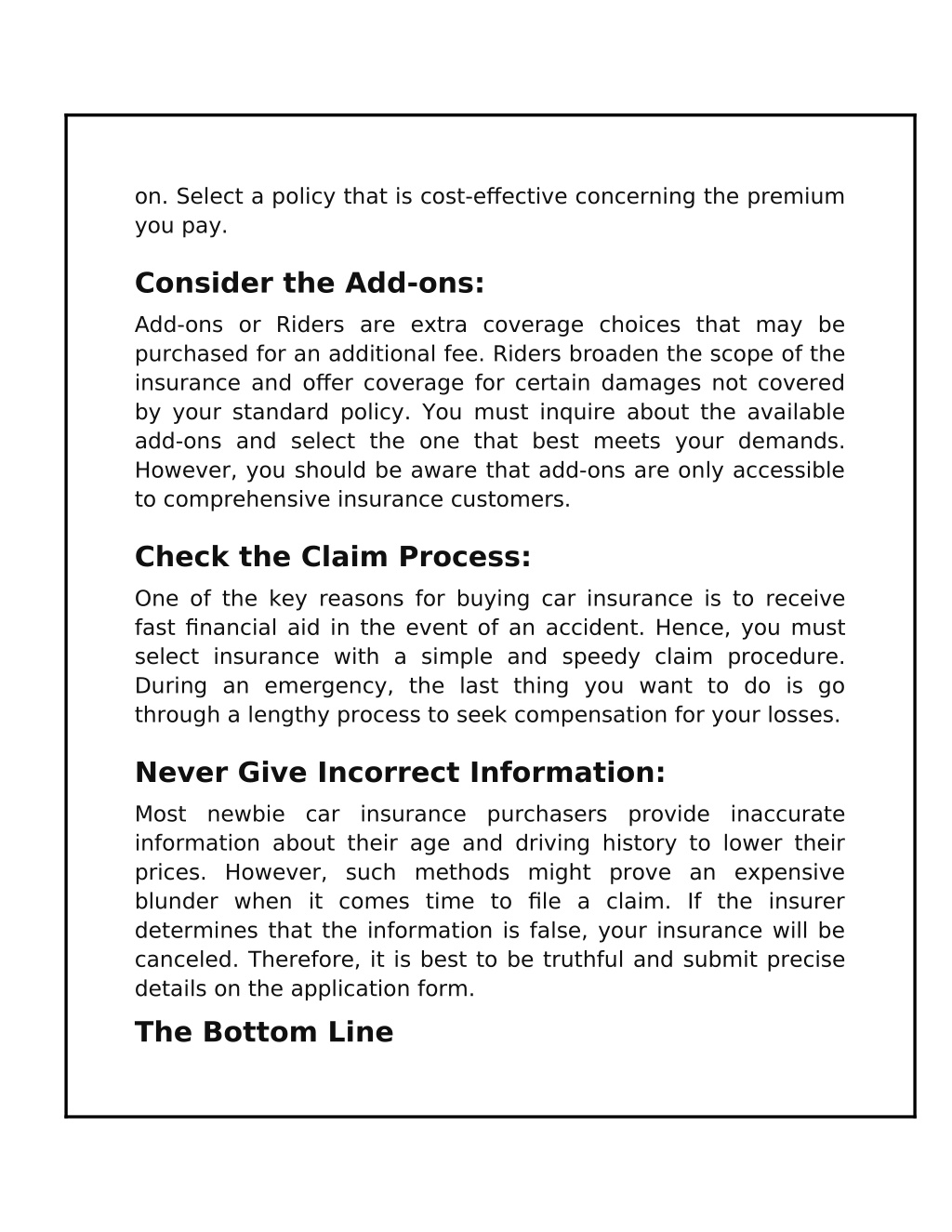
- Request Multiple Quotes: Use the same coverage parameters when comparing quotes from at least three different insurers. Changing the deductible or limit for one quote will make it impossible to perform an accurate "apples-to-apples" comparison.
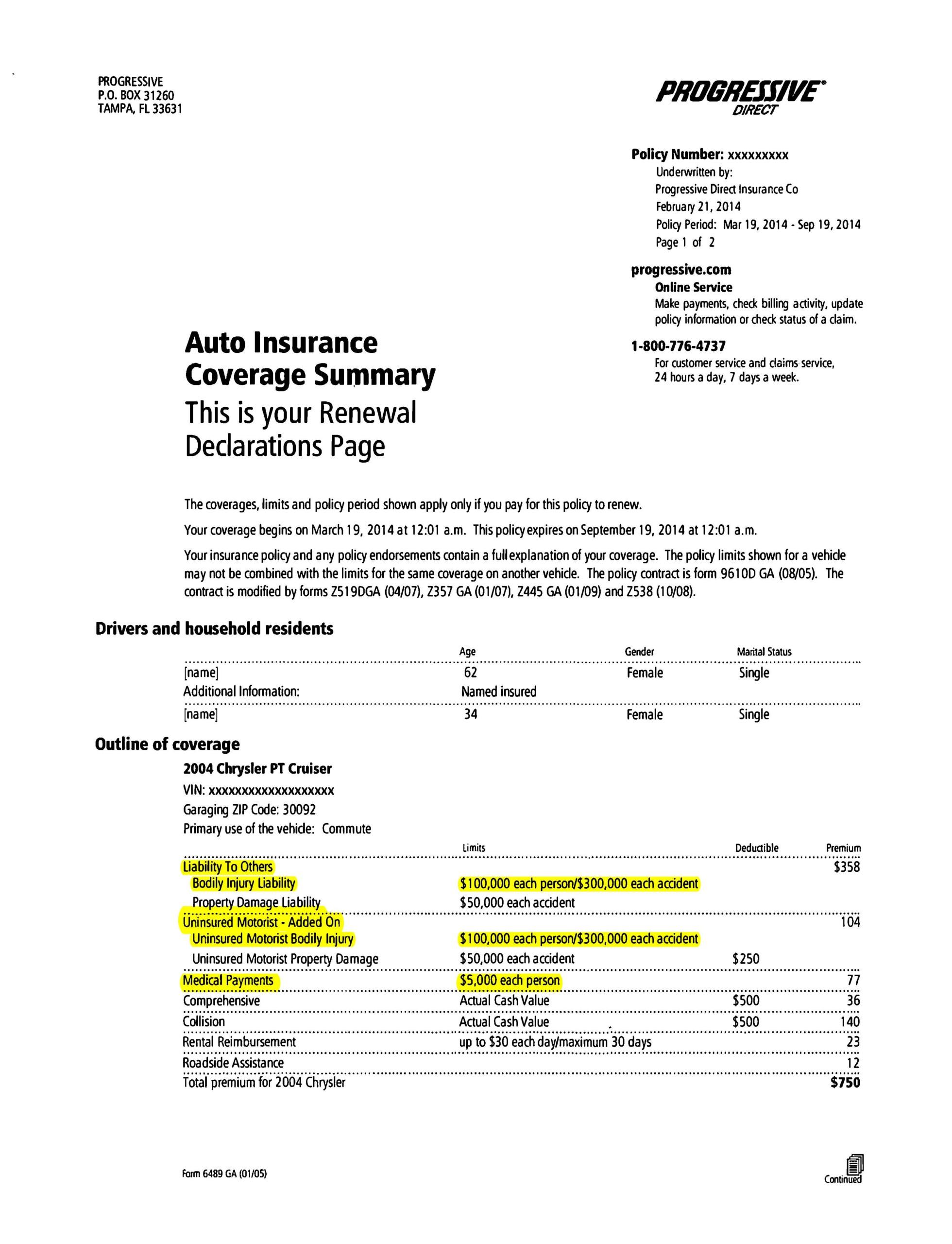
- Review the Policy Document: Before signing, look specifically at the "Declarations Page." This summarizes your coverages, limits, and the exact premiums for each, ensuring no "surprise" add-ons have been included.
- Evaluate Financial Strength: Look for carriers with high financial strength ratings from agencies such as AM Best. A company that cannot pay out a claim when you need it is not "budget-friendly," regardless of the premium cost.
Common Mistakes to Avoid
Many Austin drivers fall into traps that increase costs or leave them exposed. The most common error is failing to update your policy after life changes. If you move from a high-density area to a quieter neighborhood, or if you install an anti-theft device in your car, your rates may decrease, but the insurer will not automatically know.
Additionally, avoid the temptation to let a policy lapse. A gap in insurance coverage is seen as a high-risk indicator by underwriters and can lead to substantially higher rates when you eventually apply for new insurance.
Frequently Asked Questions
Does living in a specific Austin ZIP code change my insurance rate? Yes. Insurers use ZIP codes to assess localized risk, such as theft rates, traffic congestion, and the frequency of weather-related claims like hail damage. While you cannot change your address for insurance, knowing that location impacts your rate helps you anticipate fluctuations if you move.
Are there state-mandated low-cost insurance programs? Texas provides the Texas Automobile Insurance Plan Association (TAIPA) for drivers who are having trouble finding coverage through the voluntary market due to a poor driving record or other factors. This should be a last resort, as it is generally more expensive than standard market rates.
Does a clean driving record guarantee the lowest price? It is a major factor in securing low rates, but it does not guarantee it. Insurers weigh credit scores, age, vehicle safety features, and loyalty discounts differently. You must still shop around to find which company currently offers the best deal for your specific driver profile.
What should I do if my premiums increase at renewal? Do not panic, but do not ignore it. Call your current agent and ask for a policy review to see if you have lost any discounts or if a rate increase was applied across the board. If the new rate is not competitive, use that as a prompt to gather quotes from other carriers.
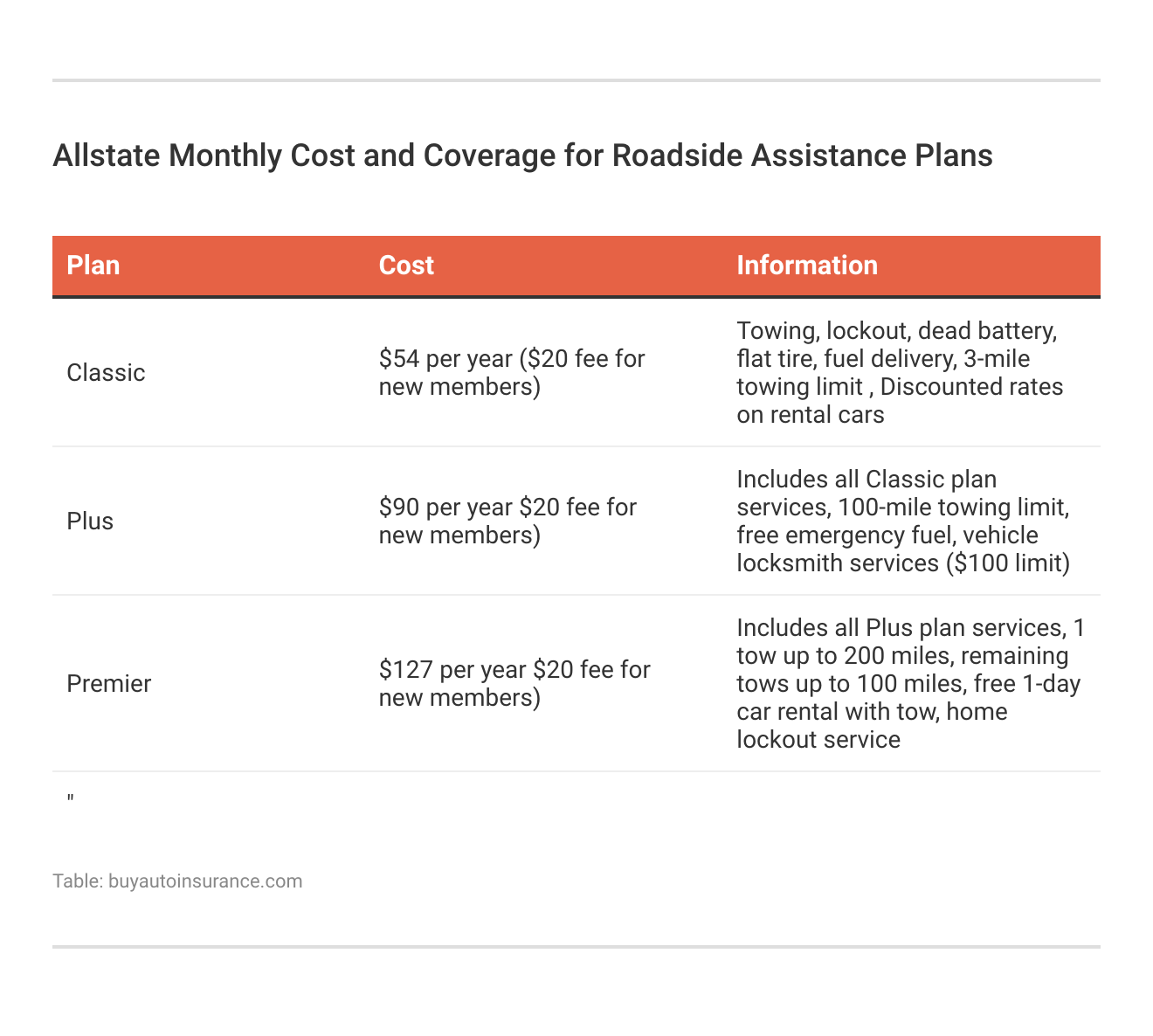
Is it worth paying for roadside assistance through my insurer? Often, yes. Compare the cost of the insurance add-on to the cost of a private membership (like AAA). If you have an older vehicle, the convenience of having road service tied directly to your auto policy can be a cost-effective way to manage vehicle maintenance.
Final Next Action
To find the best rate, set aside one hour this weekend to gather your current policy declarations page and your vehicle identification number (VIN). Use these to request quotes from three different carriers—a mix of large national brands and regional Texas insurers. Compare the total annual premium for identical coverage levels, verify the financial rating of the providers, and select the plan that provides the best value, not just the lowest sticker price.
Image Gallery