Cancellation Fee for Doctor Appointment Explained: Policies, Costs, and Patient Rights
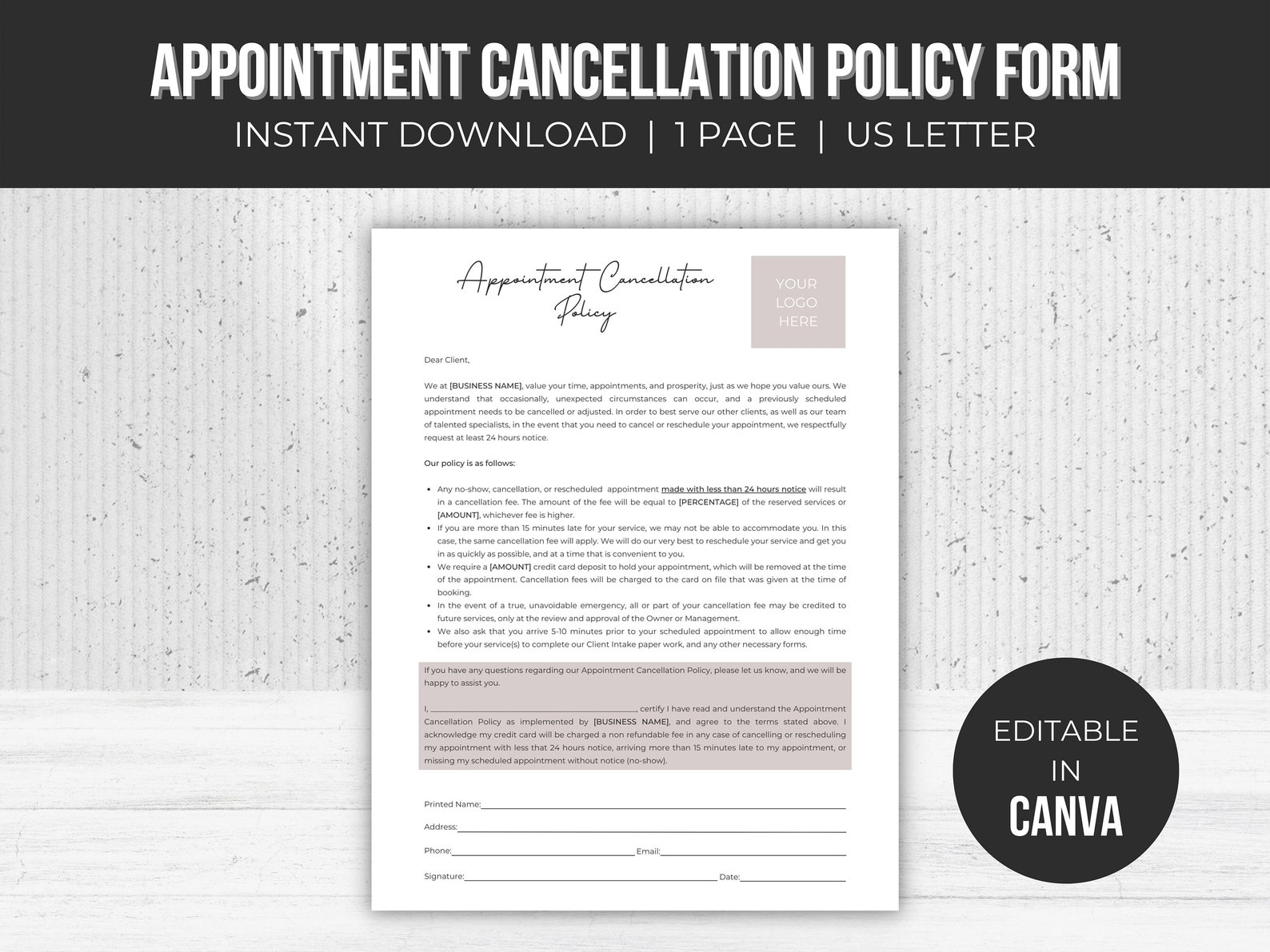
A doctor appointment cancellation fee is a financial charge imposed by healthcare providers when a patient misses a scheduled visit or cancels without providing the required advance notice, typically 24 to 48 hours. These fees, ranging...
A doctor appointment cancellation fee is a financial charge imposed by healthcare providers when a patient misses a scheduled visit or cancels without providing the required advance notice, typically 24 to 48 hours. These fees, ranging from $25 to the full cost of the visit, compensate practices for lost revenue and administrative overhead while encouraging patient accountability.
Contents
The Economic Rationale for Cancellation Fees
To understand why healthcare providers implement cancellation fees, one must look at the operational structure of a modern medical practice. In 2026, the cost of maintaining a private or group practice remains high, driven by administrative salaries, medical equipment leasing, and sophisticated electronic health record (EHR) systems. When a patient schedules an appointment, they are essentially "renting" a specific block of time from the provider and the facility.
If a patient fails to show up (a "no-show") or cancels at the last minute, that time slot often remains vacant. Unlike a retail environment, where foot traffic can mitigate a lost sale, a medical clinic relies on a strictly managed queue. A vacant 30-minute slot represents a total loss of productivity. Furthermore, the clinical staff—nurses, medical assistants, and administrative coordinators—remain on the clock, meaning the practice incurs labor costs for a period that generated zero revenue.
Beyond the financial loss to the practice, cancellation fees serve a public health function. High no-show rates contribute significantly to increased wait times for other patients. By implementing a financial penalty, clinics aim to reduce "frivolous" scheduling and ensure that available appointments go to individuals who genuinely intend to utilize them.
Standard Fee Structures and Notice Requirements
Cancellation policies are not uniform; they vary based on the provider's specialty, the complexity of the visit, and the specific laws of the jurisdiction. However, most practices follow a standardized framework for notifying patients and applying charges.
The 24-Hour and 48-Hour Rules
The most common requirement is the "24-hour rule." Under this policy, a patient must cancel their appointment at least 24 business hours before the scheduled time to avoid a fee. For example, an appointment scheduled for 10:00 AM on a Monday would typically need to be cancelled by 10:00 AM on the preceding Friday, as many clinics do not count weekends in their notice windows.
Specialized providers, such as surgeons, psychiatrists, or diagnostic centers requiring expensive preparation (like an MRI or a colonoscopy), often require 48 to 72 hours of notice. This is because these slots are harder to fill on short notice and may involve pre-staged medical supplies or specific staffing requirements that cannot be easily reallocated.
Fee Tiers and Varieties
Not all "missed" appointments are billed at the same rate. Practices generally distinguish between three categories:
- Late Cancellations: The patient notifies the office, but does so after the deadline. These often incur a flat fee, such as $25 or $50.
- No-Shows: The patient fails to arrive and provides no notification. Because these are the hardest to fill, the fee is often higher, sometimes reaching $100 or 100% of the anticipated visit cost.
- Late Arrivals: Some clinics have a "15-minute rule." If a patient arrives so late that the appointment cannot be completed without disrupting the rest of the day's schedule, it may be treated as a no-show, and a fee may be assessed.
Comparative Overview of Appointment Fees by Specialty
The following table outlines the typical fee ranges and notice requirements observed in healthcare settings as of 2026.
| Provider Type | Typical Notice Required | Average Fee Range | Rationale for Policy |
|---|---|---|---|
| General Practitioner | 24 Hours | $25 – $50 | High volume; slots can sometimes be filled by walk-ins. |
| Specialist (e.g., Cardiology) | 24–48 Hours | $50 – $150 | Higher overhead and longer specialized consultation times. |
| Mental Health / Therapy | 24–48 Hours | $75 – Full Session Fee | The provider’s entire income is often based on the hourly slot. |
| Surgical Consultations | 48–72 Hours | $150 – $300 | Extensive prep and coordination of multiple staff members. |
| Telehealth Visits | 12–24 Hours | $20 – $40 | Lower physical overhead, but still consumes provider time. |
Legal and Regulatory Framework in 2026
While doctors have the right to charge for their time, they must operate within specific legal and ethical boundaries. These regulations protect patients from predatory billing practices while allowing clinics to protect their bottom line.
CMS and Medicare Guidelines
The Centers for Medicare & Medicaid Services (CMS) allows providers to charge Medicare beneficiaries for missed appointments, provided the policy meets strict criteria. Specifically, the provider must have a written policy that is applied equally to all patients—both those with private insurance and those with Medicare. Furthermore, the fee cannot be billed to Medicare; it must be billed directly to the patient, as it is not considered a "medical service."
State Laws and Consumer Protection
Some states have specific statutes limiting the amount a healthcare provider can charge for a missed appointment. While most states allow "reasonable" fees, some consumer protection boards monitor clinics that charge the "full cost" of a visit without prior written consent. It is standard legal practice that a patient must be informed of the cancellation policy in writing—usually during the initial intake paperwork—before a fee can be legally enforced.
HIPAA and Privacy Concerns
When a clinic sends a bill for a cancellation fee, they must remain compliant with the Health Insurance Portability and Accountability Act (HIPAA). The bill should not disclose sensitive diagnostic information. It should simply state that the charge is for a "Missed Appointment" or "Late Cancellation."
The Impact of Telehealth on Cancellation Policies
The proliferation of telehealth services through 2026 has introduced new nuances to cancellation fees. Because telehealth eliminates the barrier of travel, many virtual platforms have stricter, automated enforcement of cancellation policies.
Some platforms use a "pre-authorization" model where the credit card on file is pinged shortly before the appointment. If a patient does not log in within a 10-minute window, the system automatically triggers a "no-show" fee. Conversely, because the overhead for a virtual visit is lower (no exam room cleaning or physical front-desk check-in), some digital-first providers offer more flexible 12-hour notice windows.
How to Dispute or Waive a Cancellation Fee
If you have been charged a cancellation fee, you may have grounds to dispute it, especially if the circumstances were beyond your control. Clinics often have the discretion to waive these charges to maintain a positive patient-provider relationship.
1. Document Extenuating Circumstances
Most clinics will waive a fee for "emergencies," which typically include sudden illness, car accidents, or a death in the family. If you can provide documentation (e.g., a hospital discharge summary for a family member or a police report for an accident), the office manager is much more likely to void the charge.
2. Check the Disclosure History
Review the paperwork you signed when you first joined the practice. If the clinic never provided a written copy of their cancellation policy, or if the policy is not posted clearly in the office or on their website, you may have a valid argument that you were not properly notified of the financial obligation.
3. Leverage Your History as a Patient
If you have been a loyal patient for years and have never missed an appointment, point this out. "First-time offender" forgiveness is a common courtesy in the medical industry. A polite conversation with the billing coordinator or office manager, rather than a confrontational one, is usually the most effective approach.
4. Direct Negotiation
If the fee is particularly high (e.g., $200 for a specialist visit), you might offer to pay a portion of it to cover administrative costs, or ask if the fee can be applied as a credit toward your next co-pay once you successfully complete the rescheduled visit.
Practical Recommendations for Patients
To avoid the frustration and expense of cancellation fees, patients should adopt a proactive approach to managing their medical calendar:
- Request Digital Reminders: When booking, ensure the clinic has your current cell phone number and email. Opt-in to SMS and email reminders, which are standard in 2026.
- Sync to a Primary Calendar: Immediately add medical appointments to your digital calendar (e.g., Google or Outlook) and set a "pre-reminder" for 30 hours before the event—giving you time to cancel before the 24-hour window closes.
- Keep Clinic Contact Info Handy: Save the clinic’s direct scheduling line in your contacts. If you are stuck in traffic or have a sudden emergency, calling 30 minutes before the appointment is always better than simply not showing up.
- Read the Fine Print: During your first visit to any new doctor, take a photo of the "Financial Policy" section of your intake forms. Knowing whether the fee is $25 or $150 can help you prioritize your schedule.
Frequently Asked Questions
Can health insurance cover a cancellation fee?
No, health insurance companies generally do not cover cancellation or no-show fees. These charges are considered administrative penalties rather than medical services. Therefore, the insurance company has no "claim" to process, leaving the patient entirely responsible for the balance.
Is it legal for a doctor to charge a fee if I was only 15 minutes late?
Yes, it is generally legal if the policy was disclosed to you. Many doctors schedule appointments in 15- or 20-minute blocks. If you arrive 15 minutes late, you have effectively missed your entire slot, and the doctor may not be able to see you without delaying every subsequent patient for the rest of the day.
Can a doctor refuse to see me if I have an unpaid cancellation fee?
Yes. Medical practices are businesses and have the right to terminate the patient-provider relationship if there is an outstanding debt, provided they follow ethical guidelines for "patient abandonment." Usually, this means they will require you to pay the fee before scheduling any future non-emergency appointments.
Does a cancellation fee affect my credit score?
If the fee remains unpaid for a significant period (typically 90 days or more), the clinic may sell the debt to a collection agency. Once it is in collections, it can be reported to credit bureaus, which may negatively impact your credit score. It is always better to settle or dispute the fee directly with the clinic rather than ignoring it.
Are there different rules for Medicaid patients?
In many states, providers are prohibited from charging Medicaid beneficiaries for missed appointments, or the fees are strictly capped at very low amounts. These rules exist because such fees would create an insurmountable barrier to care for low-income individuals. If you are on Medicaid, check your specific state’s guidelines regarding "no-show" penalties.
Final Recommendation: If you find yourself needing to cancel an appointment, do so as early as possible. If you are hit with a fee due to an unavoidable emergency, call the office manager immediately, explain the situation calmly, and provide any supporting documentation. Most practices value long-term patient loyalty over a one-time $50 fee.
Image Gallery