Life Insurance for an Incarcerated Person: Eligibility, Rules, and Requirements for 2026
Securing life insurance for an incarcerated person is generally not possible through traditional private carriers while the individual is currently serving a sentence. Most insurance companies categorize incarcerated individuals as uni...
Securing life insurance for an incarcerated person is generally not possible through traditional private carriers while the individual is currently serving a sentence. Most insurance companies categorize incarcerated individuals as uninsurable or "postponed" risks until a specific period—typically one to five years—has passed following their final release from prison and parole.
Contents
Understanding the complexities of life insurance within the correctional system requires a clear distinction between applying for a new policy and maintaining one that was already in force prior to conviction. As of 2026, underwriting guidelines remain stringent due to the statistical risks associated with the prison environment, including limited access to healthcare, increased exposure to violence, and the inability of insurers to perform standard medical examinations within a facility.
The Reality of New Applications During Incarceration
The primary obstacle to obtaining life insurance while incarcerated is the underwriting process. Insurance companies are in the business of assessing risk, and a prison environment presents several "knockout" factors that cause an immediate decline of an application. Underwriters look at mortality rates, and the actuarial data for incarcerated populations often reflects higher risks of infectious disease, mental health struggles, and physical altercations.
Furthermore, a standard life insurance application requires a paramedical exam. This involves a third-party medical professional visiting the applicant to collect blood, urine, and vitals. Most correctional facilities do not allow private insurance examiners access to inmates for the purpose of commercial life insurance underwriting. Without this data, an insurer cannot accurately price a policy, leading to an automatic rejection.
Even "no-medical-exam" or "guaranteed issue" policies often include specific language in their eligibility questions. These forms typically ask: "Are you currently incarcerated or facing criminal charges?" Answering "yes" to this question almost universally disqualifies the applicant. Misrepresenting this fact constitutes insurance fraud, which would render the policy void and result in a denial of claims later.
Managing an Existing Life Insurance Policy
While starting a new policy is nearly impossible, maintaining a policy that was active before the person was incarcerated is entirely different. If an individual purchased a term or whole life policy years before their conviction, that policy generally remains valid as long as the premiums are paid.
Premium Payments from Prison
The most common reason life insurance is lost during incarceration is "lapse for non-payment." Since inmates have limited or no income, the responsibility often falls on family members or a designated Power of Attorney to ensure premiums reach the insurance company. If a policy has cash value (common in whole life or universal life policies), it may be possible to use that value to pay the premiums automatically through a "non-forfeiture" clause. However, once that cash value is exhausted, the policy will cancel.
Beneficiary Challenges
Being incarcerated does not legally prevent a person from being a policyholder or a beneficiary. However, receiving a payout while in prison can be complicated. If an inmate is the beneficiary of someone else's life insurance policy, the funds may be subject to "cost of care" reimbursements in some jurisdictions, where the state attempts to recoup the costs of the inmate's incarceration from their assets.
Underwriting After Release: The Waiting Period
For those who have been released from prison, the path to life insurance is clearer but still requires patience. Insurance companies do not offer coverage the day someone walks out of the gate. Instead, they implement a "waiting period" to ensure the individual has successfully reintegrated into society and is not a recidivism risk.
The following table outlines the general eligibility landscape for formerly incarcerated individuals in 2026:
| Time Since Release/Parole | Eligibility Status | Typical Requirements |
|---|---|---|
| Currently Incarcerated | Uninsurable | N/A (Standard decline) |
| On Parole/Probation | Postponed | Most carriers wait until supervision ends |
| 1–2 Years Post-Parole | Highly Restricted | Possible with "Substandard" ratings/high premiums |
| 5+ Years Post-Parole | Generally Eligible | Standard underwriting; depends on crime type |
| 10+ Years Post-Parole | Fully Eligible | May qualify for "Standard" or "Preferred" rates |
The Impact of the Type of Crime
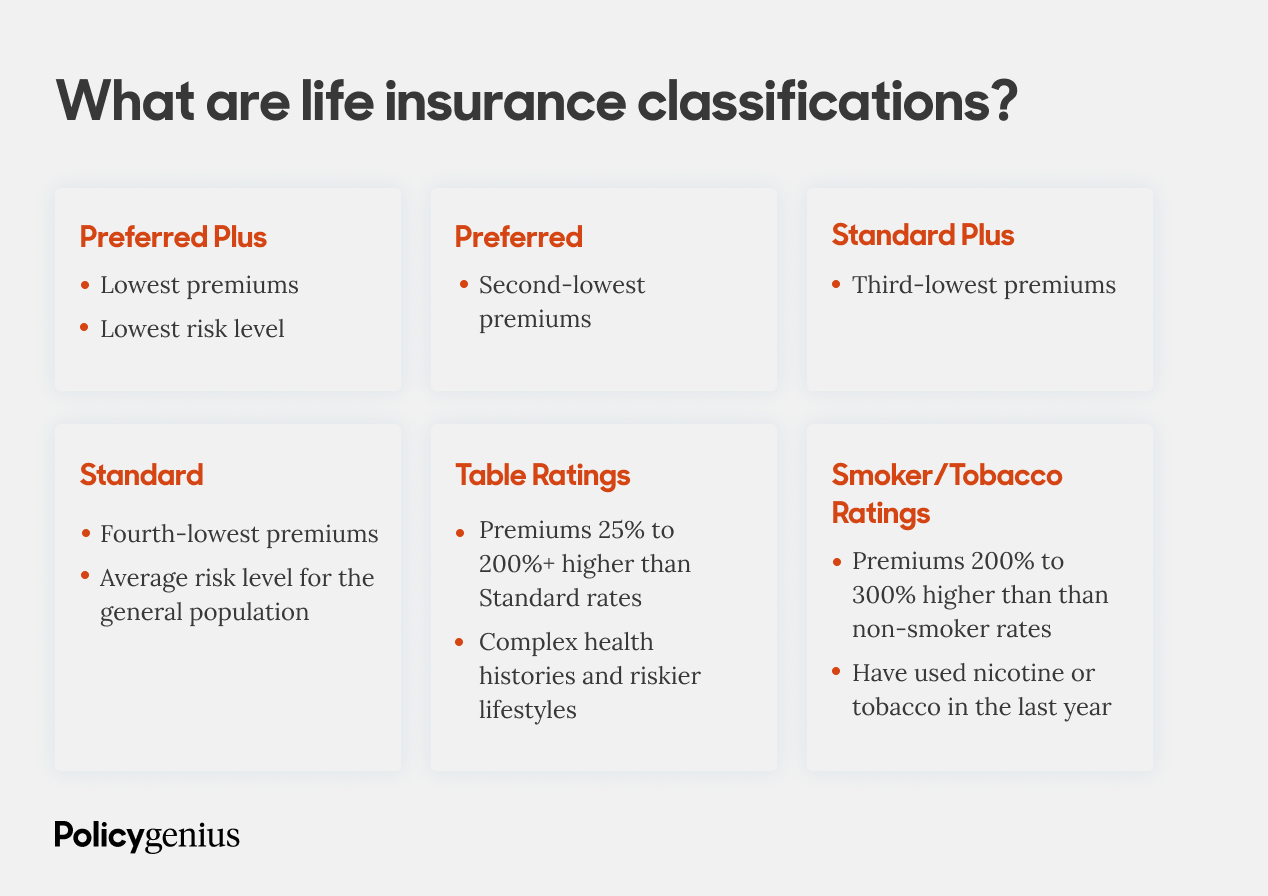
Not all criminal records are treated equally by life insurance underwriters. A history of non-violent offenses or white-collar crimes is viewed much differently than a history of violent felonies, drug trafficking, or organized crime. In 2026, many carriers still use a 10-year look-back period for major felonies. If the crime involved significant health risks—such as intravenous drug use—the applicant may face permanent "table ratings" (higher costs) or be limited to accidental death coverage.
Legal and Policy Exclusions to Consider
Even if a policy is in force, there are specific clauses that can affect the payout if the insured person dies while incarcerated.
- The Illegal Acts Exclusion: Most life insurance policies contain an "illegal acts" clause. This states that if the insured dies while participating in a felony or an illegal act, the death benefit may be denied. However, this usually applies to the act that caused the death (e.g., dying while committing a robbery) rather than dying of natural causes while serving a sentence for a past crime.
- The Contestability Period: If a person dies within the first two years of a policy being issued, the insurance company has the right to investigate the original application for any misrepresentations. If the company discovers the individual was facing charges or had a criminal history they didn't disclose, they can void the policy.
- Accidental Death and Dismemberment (AD&D): AD&D policies are often much cheaper than traditional life insurance, but they are significantly more restrictive. These policies almost never pay out for deaths occurring in a prison setting, as they often exclude deaths resulting from "physical altercations" or "voluntary exposure to danger."
Alternatives for Families of Incarcerated Individuals
Because traditional life insurance is often unavailable, families must look at alternative financial planning tools to cover end-of-life expenses for an incarcerated loved one.
Final Expense or Burial Insurance
While still difficult to obtain for someone currently in prison, some "Final Expense" carriers have slightly more relaxed rules once an individual is in a halfway house or on low-level probation. These policies have lower face values (usually $5,000 to $25,000) and are designed specifically for funeral costs.
Pre-Need Funeral Arrangements
A "Pre-Need" contract is an agreement with a specific funeral home to prepay for services. Since this is a service contract rather than a life insurance policy, it does not involve the same level of medical or criminal underwriting. This is often the most viable way to ensure that an incarcerated individual's final expenses are covered without relying on a traditional life insurance payout.
Savings and Sinking Funds
For many families, setting up a dedicated high-yield savings account is the only guaranteed "insurance" policy for an inmate. By contributing a small amount monthly—equivalent to what a premium would be—the family can build a liquid fund that isn't subject to the approval of an insurance underwriter.
FAQ: Life Insurance and Incarceration
Can a spouse buy life insurance on an incarcerated partner?
No. To buy life insurance on someone else, you must have "insurable interest" (which a spouse has) and the person being insured must sign the application and consent to a medical exam. Because inmates cannot fulfill the medical exam requirement and are generally blacklisted by underwriters, a spouse cannot initiate a new policy while the partner is in prison.
What happens to group life insurance from an employer if I am convicted?
Group life insurance is usually tied to active employment. If a conviction leads to the termination of employment, the coverage typically ends immediately. Some policies have a "conversion" privilege that allows you to turn the group policy into an individual policy within 30 days of leaving the job, but the premiums will increase significantly, and the carrier may still deny the conversion based on the change in risk status.
If someone dies in prison, does life insurance pay out?
Yes, provided the policy was active and in good standing before the incarceration began, and the cause of death is not excluded by specific policy language. Natural deaths, such as heart attacks or cancer, are generally covered. Deaths resulting from prison riots or executions are more legally complex and depend on the specific "illegal acts" or "hazardous activities" clauses in the contract.
Can an inmate change their beneficiary while in prison?
Yes. Most insurance companies allow policyholders to change their beneficiaries at any time. An inmate can typically request the necessary forms from the insurance company, sign them, and have them witnessed or notarized by prison staff (if a notary is available) to update their policy.
Practical Recommendations for 2026
If you are dealing with life insurance concerns for someone who is currently or formerly incarcerated, follow these steps to protect your financial interests:
- Verify Existing Coverage: Contact the insurance company of any pre-existing policies to ensure the contact information is up to date and that the "automatic premium loan" feature is active if the policy has cash value.
- Document Everything: Keep a clear record of premium payments made by family members. If a policy lapses during incarceration, it is nearly impossible to reinstate it without a new medical exam and application.
- Wait for the "Post-Parole" Window: If seeking a new policy after release, wait until all court-ordered supervision (parole or probation) is complete. Applying before this period ends usually results in an automatic rejection, which creates a "paper trail" that can make future applications more difficult.
- Consult an Independent Broker: Do not apply to multiple companies yourself. An independent broker can "shop" your case anonymously (using an informal inquiry) to see which carriers are most lenient toward individuals with a criminal history, preventing a string of formal denials on your record.
Image Gallery