Understanding the DSM-5 Mania Criteria: Diagnostic Requirements & Clinical Insights
To meet the Diagnostic and Statistical Manual of Mental Disorders, Fifth Edition (DSM-5) criteria for a manic episode, an individual must experience a distinct period of abnormally elevated, expansive, or irritable mood accompanied by...
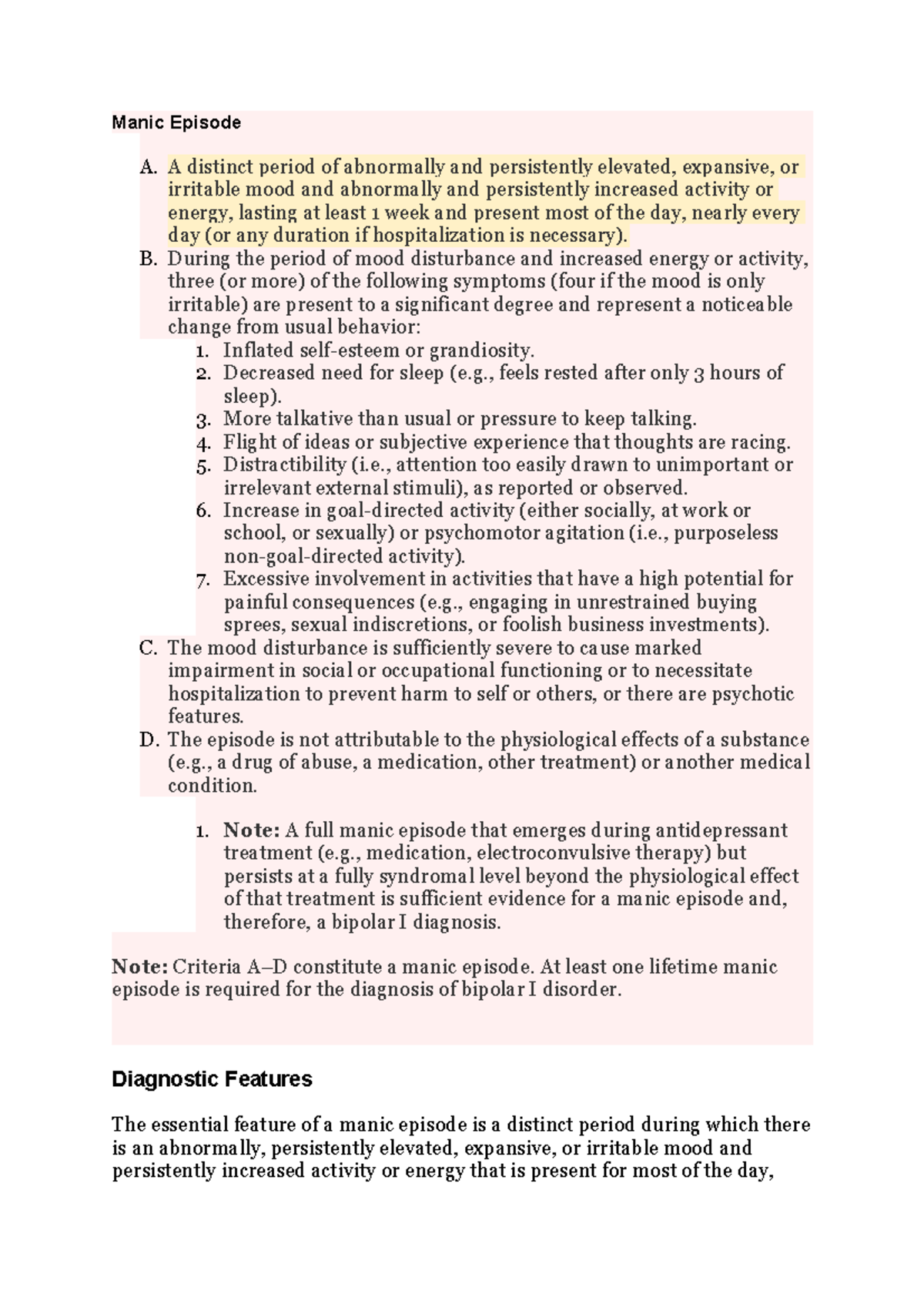
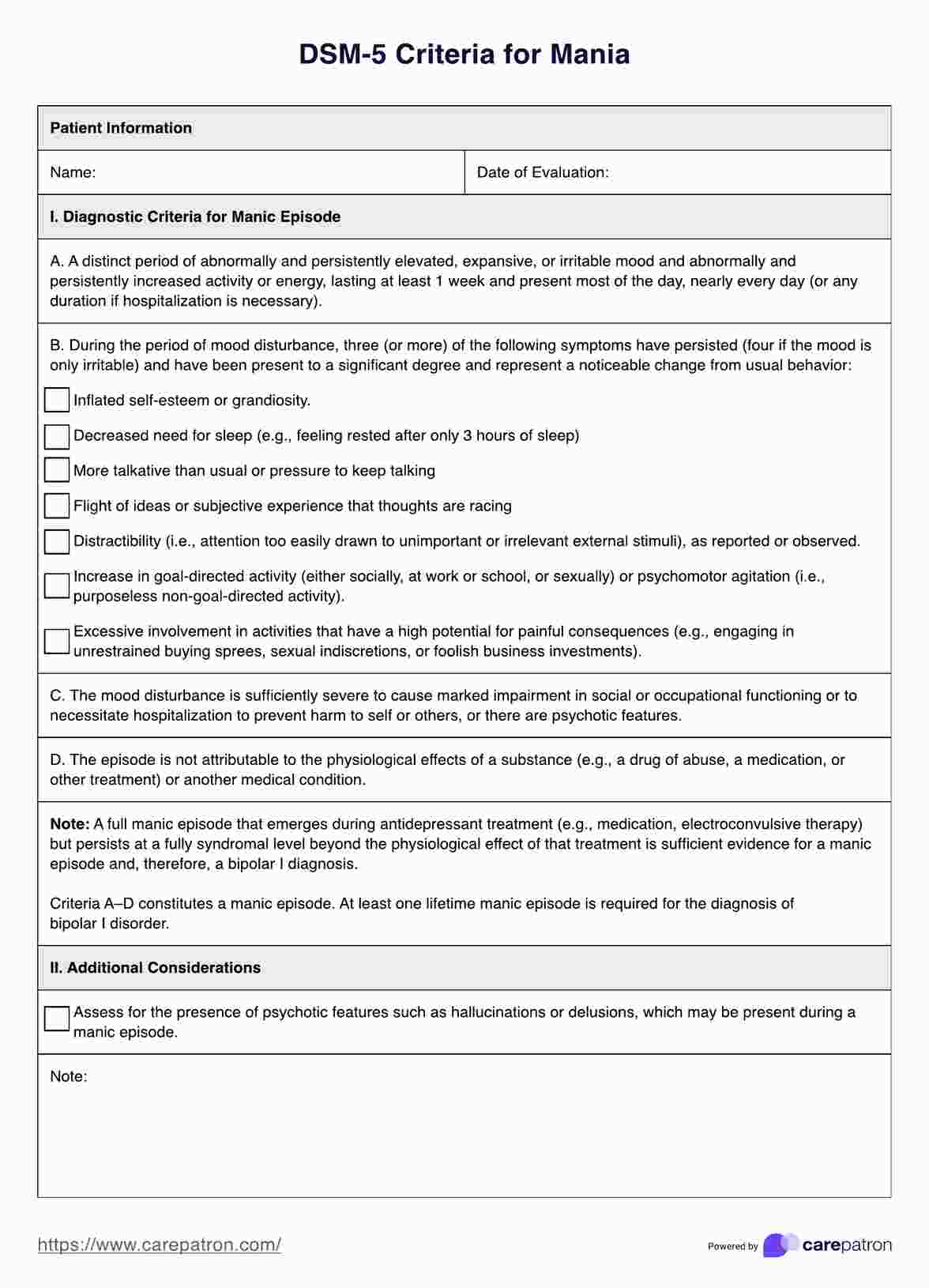
To meet the Diagnostic and Statistical Manual of Mental Disorders, Fifth Edition (DSM-5) criteria for a manic episode, an individual must experience a distinct period of abnormally elevated, expansive, or irritable mood accompanied by persistently increased goal-directed activity or energy lasting at least one week, alongside three or more specific cognitive, behavioral, or physiological symptoms that cause marked functional impairment or require hospitalization.
Contents
Disclaimer: This article is intended solely for educational and informative purposes and does not constitute medical or clinical advice. Diagnostic evaluations must be conducted by qualified mental health professionals.
Overview of DSM-5 Diagnostic Criteria for a Manic Episode
The diagnostic criteria for mania established by the American Psychiatric Association (APA) in the DSM-5 (and reaffirmed in the DSM-5-TR published in 2022) provide a standardized framework for identifying manic episodes. A manic episode is the defining feature of Bipolar I Disorder. While major depressive episodes frequently occur in Bipolar I Disorder, the occurrence of a single validated manic episode in a person's lifetime satisfies the threshold for a Bipolar I diagnosis, even in the absence of documented prior depression.
Accurate identification of mania is essential because inappropriate treatment—such as prescribing antidepressant monotherapy without a mood stabilizer—can exacerbate manic symptoms, accelerate episode frequency, or precipitate rapid cycling. The DSM-5 refined the classic definition of mania by elevating changes in activity and energy levels alongside mood changes, addressing previous diagnostic gaps where heightened energy was overlooked in favor of purely emotional shifts.
- DSM-5 Manic Episode Criteria
- Criterion A: Abnormally elevated, expansive, or irritable mood AND increased activity/energy (>= 1 week or hospitalized)
- Criterion B: 3+ symptoms required (4 if mood is only irritable) from 7 core behavioral domains
- Criteria C & D: Marked impairment, hospitalization, OR psychosis; NOT attributable to substances or medical conditions
Criterion A: Mood Quality, Energy Levels, and Duration
Criterion A defines the foundational baseline that must be established before evaluating specific psychiatric symptoms. Under DSM-5 guidelines, a clinical assessment must confirm both affective changes and behavioral energy shifts.
Essential Components of Criterion A
- Abnormally and Persistently Elevated Mood: The mood shift goes beyond normal happiness or optimism. It is characterized by intense euphoria, enthusiasm, or feeling "on top of the world" out of proportion to external circumstances.
- Expansive Mood: Unceasing, uninhibited emotional expression, often accompanied by overfriendliness, grandiose social engagement, or intrusive interactions with strangers.
- Irritable Mood: In many individuals, particularly adolescents or those experiencing mixed features, mood elevation manifests primarily as extreme irritability, agitation, or severe impatience when desires are thwarted.
- Increased Activity or Energy: Added specifically in the DSM-5 update, this requirement mandates an abnormal, persistent increase in energy levels or goal-directed behavior. This prevents false negatives in cases where patients report feeling calm or emotionally balanced despite displaying frenetic physical activity.
- Temporal Requirement: The episode must persist for at least one continuous week and be present for most of the day, nearly every day. The only exception to the seven-day duration rule occurs if the individual requires psychiatric hospitalization, in which case any duration of symptoms satisfies Criterion A.
Criterion B: The Seven Core Symptom Domains
During the period of mood disturbance and elevated energy, the individual must exhibit at least three of the following seven symptoms (or at least four if the primary mood disturbance is exclusively irritable). These symptoms must represent a noticeable shift from the person's baseline functioning.
| DSM-5 Criterion B Symptom Domains |
|---|
| 1. Grandiosity / Inflated Self-Esteem |
| 2. Decreased Need for Sleep (e.g., feeling rested after 3 hours) |
| 3. Pressured Speech / Hyperverbal Communication |
| 4. Flight of Ideas / Racing Thoughts |
| 5. High Distractibility |
| 6. Increased Goal-Directed Activity or Psychomotor Agitation |
| 7. Excessive High-Risk / Painful-Consequence Behaviors |
1. Inflated Self-Esteem or Grandiosity
Grandiosity ranges from ungrounded self-confidence to outright delusional beliefs. Individuals may believe they possess special abilities, unverified expertise, unannounced wealth, or direct communication with higher powers. Unlike high self-esteem, clinical grandiosity involves unrealistic evaluations of personal authority, skill, or status without objective foundation.
2. Decreased Need for Sleep
This symptom is distinct from insomnia. Individuals experiencing insomnia desire sleep but cannot fall or stay asleep, feeling exhausted the next day. In contrast, an individual in a manic state sleeps significantly less—sometimes only 2 to 4 hours per night, or occasionally going several days without sleep—and feels completely rested, energetic, and fully functional.
3. More Talkative Than Usual or Pressure to Keep Talking
Known clinically as pressured speech, this communication style is loud, rapid, continuous, and difficult to interrupt. The speaker may disregard natural conversational pacing, talking over others and shifting abruptly from one topic to another even when listeners attempt to redirect the conversation.
4. Flight of Ideas or Racing Thoughts
Flight of ideas represents a formal thought disorder where speech rapidly shifts from one idea to another based on superficial associations, puns, or distraction. The individual experiences subjective "racing thoughts," describing their mind as moving too fast to keep up with their own stream of consciousness.
5. Distractibility
Attention is easily drawn to unimportant, irrelevant, or trivial external stimuli. For example, a person engaged in a serious clinical interview may repeatedly stop mid-sentence to comment on background noise, a minor pattern on the wall, or a passerby outside the window.
6. Increase in Goal-Directed Activity or Psychomotor Agitation
This symptom presents in two primary forms:
- Goal-Directed Activity: Excessive planning and participation in multiple tasks across occupational, social, academic, or sexual domains (e.g., starting several unfeasible business plans simultaneously, contacting dozens of long-lost acquaintances, or engaging in excessive sexual pursuit).
- Psychomotor Agitation: Non-goal-directed, purposeless restlessness, such as continuous pacing, hand-wringing, or inability to sit still.
7. Excessive Involvement in High-Risk Activities
Individuals demonstrate impaired judgment by engaging in activities carrying a high probability of painful or damaging consequences. Common clinical examples include severe financial reckless spending, unwise business ventures, reckless driving, substance abuse, or indiscriminate sexual behaviors that conflict with their baseline moral or relationship commitments.
Criteria C & D: Severity, Impairment, Psychosis, and Exclusions
Meeting Criteria A and B alone does not complete a diagnosis. The clinician must evaluate overall clinical severity, functional impact, and alternative physiological causes under Criteria C and D.
Criterion C: Marked Impairment and Psychosis
The mood disturbance must be sufficiently severe to meet at least one of three specific thresholds:
- Marked Functional Impairment: Significant breakdown in occupational performance, family life, or social relationships.
- Hospitalization Required: Immediate psychiatric admission is necessary to prevent self-harm, severe neglect, or harm to others.
- Presence of Psychotic Features: The presence of hallucinations (auditory or visual) or delusions (persecutory, religious, or grandiose). If psychotic features are present, the episode is automatically classified as manic, regardless of duration.
Criterion D: Physiological and Etiological Exclusions
The symptoms must not be attributable to the direct physiological effects of a substance or a general medical condition:
- Substance Use & Medications: Manic-like symptoms caused by illicit drugs (e.g., cocaine, amphetamines, phencyclidine) or prescription drugs (e.g., systemic corticosteroids, stimulants) do not qualify as a primary manic episode unless symptoms persist well past the physiological clearance of the substance.
- Medical Conditions: Conditions such as hyperthyroidism, Cushing's disease, stroke, or traumatic brain injury must be ruled out through laboratory testing and physical examination.
- Antidepressant-Induced Mania: Under DSM-5 criteria, if a full manic syndrome emerges during antidepressant treatment (such as medication or electroconvulsive therapy) and persists at a fully syndromal level beyond the physiological effect of the treatment, it is considered sufficient evidence for a manic episode diagnosis.
Comparing Manic, Hypomanic, and Major Depressive Episodes
Differentiating a manic episode from a hypomanic episode or a major depressive episode is vital for accurate diagnostic coding under DSM-5 guidelines.
| Diagnostic Feature | Manic Episode | Hypomanic Episode | Major Depressive Episode |
|---|---|---|---|
| Primary Mood | Abnormally elevated, expansive, or irritable | Abnormally elevated, expansive, or irritable | Depressed, empty, sad, or loss of interest/pleasure (anhedonia) |
| Minimum Duration | 7 days (or any duration if hospitalized) | 4 consecutive days | 14 consecutive days (2 weeks) |
| Energy / Activity | Abnormally increased | Abnormally increased | Decreased energy, fatigue, psychomotor slowing |
| Functional Severity | Marked impairment in work or social settings | Clear change in functioning, but no marked impairment | Clear distress or marked impairment in social/occupational roles |
| Hospitalization | Frequently necessary for safety | Contraindicates hypomania (if hospitalized, it is mania) | Necessary in severe or suicidal cases |
| Psychotic Features | May be present (delusions/hallucinations) | Never present (if psychosis exists, it is mania) | May be present in severe cases |
| Bipolar Diagnosis | Indicates Bipolar I Disorder | Indicates Bipolar II Disorder (if paired with depression) | Present in Bipolar I, Bipolar II, or MDD |
Differential Diagnosis and Clinical Diagnostic Challenges
Because several psychiatric conditions share overlapping clinical manifestations with mania, careful differential diagnosis is necessary.
- Differential Diagnosis
- ADHD: Chronic, non-episodic
- Borderline Personality: Rapid, intra-day shifts
- Substance-Induced Mood: Tox-screen positive
- Schizoaffective: Psychosis outdoors
1. Attention-Deficit/Hyperactivity Disorder (ADHD)
ADHD shares symptoms with mania, including distractibility, hyperverbal speech, motor restlessness, and impulsivity.
- Key Distinction: ADHD is a chronic, non-episodic neurodevelopmental pattern present since childhood. Mania represents a distinct episodic departure from baseline functioning. Grandiosity and a dramatically reduced need for sleep without fatigue are characteristic of mania, not ADHD.
2. Borderline Personality Disorder (BPD)
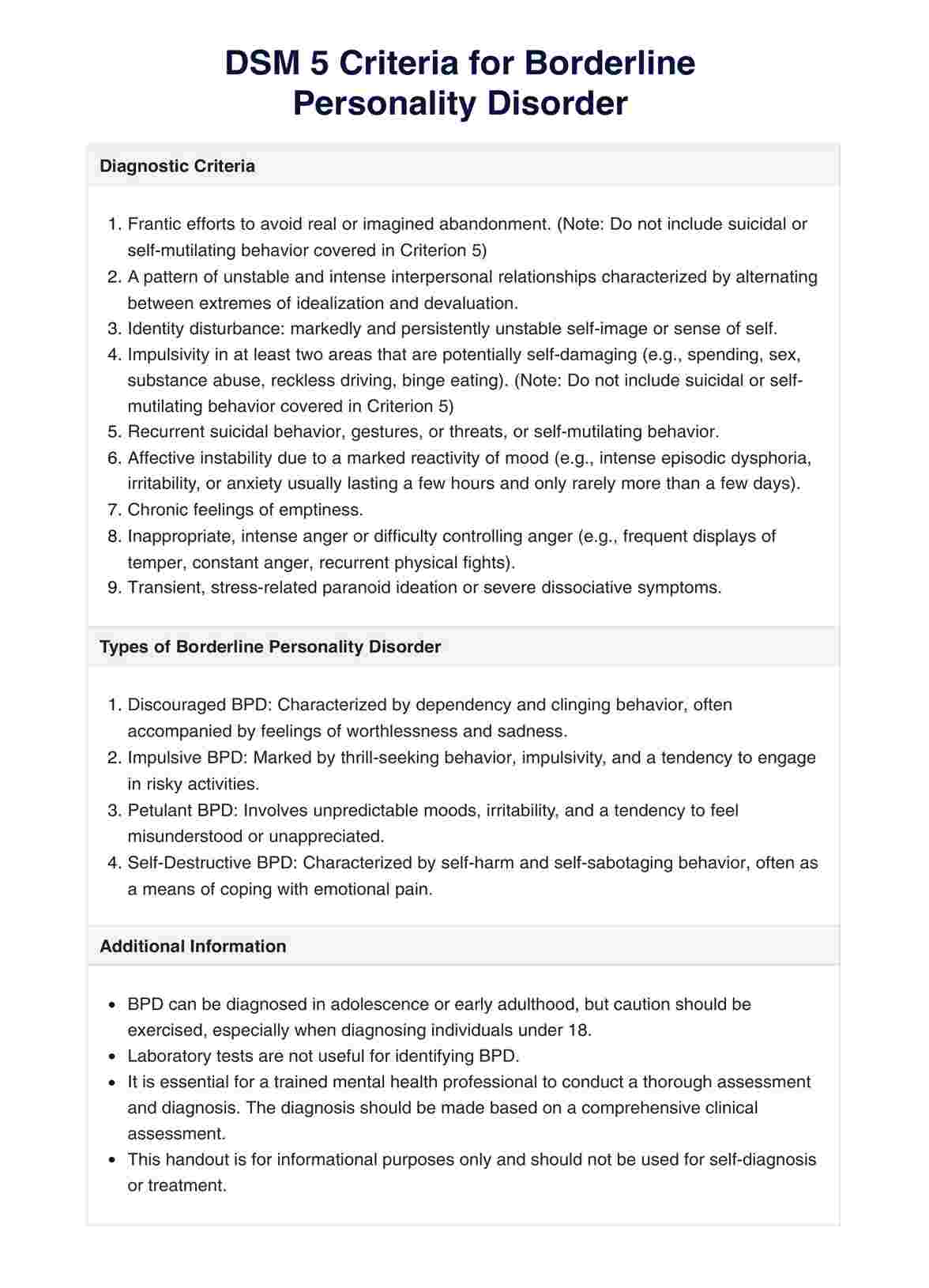
BPD involves affective instability, impulsivity, and intense emotional reactivity.
- Key Distinction: Mood shifts in BPD are typically reactive to interpersonal stressors and change within hours or minutes. Manic episodes maintain sustained mood changes over days or weeks, operating independently of immediate environmental triggers.
3. Schizoaffective Disorder & Schizophrenia
Both schizophrenia spectrum disorders and mania can present with prominent delusions and hallucinations.
- Key Distinction: In Schizoaffective Disorder (Bipolar Type), psychotic symptoms must occur for at least two weeks in the absence of a major mood episode. If psychotic symptoms occur exclusively during active manic or depressive episodes, the diagnosis is Bipolar I Disorder with psychotic features.
Standardized Assessment Tools and Diagnostic Procedures
Clinicians rely on comprehensive clinical interviews, collateral data, and validated rating scales to confirm DSM-5 criteria:
- Structured Clinical Interview for DSM-5 (SCID-5): The gold-standard semi-structured interview protocol used by clinicians and researchers to verify diagnostic criteria.
- Young Mania Rating Scale (YMRS): An 11-item clinician-rated assessment instrument used to quantify the severity of manic symptoms during clinical trials and treatment monitoring.
- Mood Disorder Questionnaire (MDQ): A brief self-report screening tool designed to detect lifetime history of manic or hypomanic symptoms.
- Collateral History Gathering: Because individuals experiencing active mania often lack diagnostic insight (anosognosia), gathering collateral reports from family members, spouses, or caregivers is critical to establishing accurate timelines and behavior shifts.
Additional biological assessments—including comprehensive metabolic panels, thyroid function panels, urine toxicology screens, and neuroimaging when indicated—help exclude organic causes of manic behavior, as outlined by guidance from the National Institute of Mental Health (NIMH).
Frequently Asked Questions
Can a manic episode last less than 7 days?
Yes, but only if the symptoms are severe enough to require psychiatric hospitalization. Hospitalization automatically satisfies the duration requirement for Criterion A, regardless of how many days the episode lasted prior to admission.
How does decreased need for sleep differ from insomnia?
Insomnia involves difficulty falling or staying asleep despite feeling exhausted and wanting to sleep. A decreased need for sleep during mania means the individual sleeps significantly fewer hours (or does not sleep at all) yet feels energized, alert, and fully rested.
Does a single manic episode confirm a diagnosis of Bipolar I Disorder?
Yes. Under DSM-5 guidelines, a single documented manic episode in a person's lifetime satisfies the diagnostic requirement for Bipolar I Disorder. Prior major depressive episodes are common but not strictly required for a Bipolar I diagnosis.
What happens if manic symptoms are triggered by an antidepressant?
If antidepressant treatment (such as an SSRI or SNRI) produces manic symptoms that persist at a full syndromal level beyond the expected physiological clearing of the drug, the episode meets DSM-5 criteria for a true manic episode and Bipolar I Disorder.
What are psychotic features in a manic episode?
Psychotic features include delusions (false, fixed beliefs, such as believing one has divine powers or is being pursued by intelligence agencies) and hallucinations (perceiving sights or sounds that are not present). If psychotic features occur, the episode is classified as manic by default, even if it has lasted fewer than 7 days.
Recommended Clinical Actions
For mental health practitioners and medical professionals evaluating suspected manic symptoms, following a structured diagnostic sequence ensures accuracy:
- Conduct a Formal Diagnostic Interview: Administer the SCID-5 or a structured psychiatric evaluation covering all seven Criterion B domains.
- Exclude Organic and Substance Causes: Order a urine toxicology panel, thyroid function tests ($TSH$, free $T4$), and routine blood work to rule out substance-induced states or medical etiologies.
- Collect Collateral History: Interview family members, partners, or trusted acquaintances to confirm symptom onset, duration, and baseline behavioral differences.
- Determine Safety and Level of Care: Assess for high-risk behaviors, suicidal ideation, or severe psychosis to decide whether outpatient management or immediate inpatient hospitalization is required.
Image Gallery