Watch the Strawberry Moon in Utah: When and Where to See It in 2026
The Strawberry Moon will reach peak illumination on June 29, 2026, at approximately 9:57 AM MDT. For residents and visitors in Utah, the best viewing opportunities occur during moonrise on the evenings of Sunday, June 28, and Monday, J...
The Strawberry Moon will reach peak illumination on June 29, 2026, at approximately 9:57 AM MDT. For residents and visitors in Utah, the best viewing opportunities occur during moonrise on the evenings of Sunday, June 28, and Monday, June 29, 2026, when the moon appears largest and most vibrant against the state’s high-desert horizon.
Contents
Understanding the Strawberry Moon Phenomenon
The "Strawberry Moon" is the traditional name given to the full moon that occurs in June. This moniker does not originate from the moon’s appearance or color, but rather from the cultural history of North America. Specifically, the name is attributed to the Algonquin tribes, who used the lunar cycle as a calendar to track the ripening of wild strawberries in the northeastern United States. While the moon may take on a reddish or amber hue due to atmospheric conditions, its name remains a seasonal marker rather than an astronomical description.
In 2026, the Strawberry Moon serves as the first full moon of the summer season, following the summer solstice on June 21. Because the sun is at its highest point in the sky during this period, the full moon, which sits opposite the sun, remains relatively low in the sky for observers in the Northern Hemisphere. This low trajectory is significant for observers in Utah; it subjects the moonlight to more atmospheric interference, often resulting in the "moon illusion," where the orb appears massive and possesses a warm, golden glow as it clears the mountain ranges.
Precise Timing for Utah Viewers in 2026
Timing is the most critical factor for a successful moon-watching experience. While the moon is technically "full" at a specific moment—9:57 AM MDT on Monday, June 29—it will be below the horizon in Utah at that exact time. Therefore, the most impactful visual experiences happen during the nights surrounding this peak.
Sunday, June 28, 2026: The Eve of the Full Moon
On the evening before the official peak, the moon will be approximately 98-99% illuminated. For many, this is the preferred night for photography. In Salt Lake City and the surrounding Wasatch Front, the moon is expected to rise at approximately 8:45 PM MDT, coinciding closely with the end of civil twilight. This timing allows for "blue hour" photography, where there is still enough ambient light to capture the silhouettes of the mountains while the moon remains bright.
Monday, June 29, 2026: The Night of the Full Moon
By Monday evening, the moon will have passed its mathematical peak but will still appear 100% full to the naked eye. In Utah, moonrise will occur later, around 9:35 PM MDT. Because it rises after sunset, the contrast between the dark sky and the brilliant lunar surface will be much sharper. This is the ideal time for those using telescopes or binoculars to observe lunar craters and mare, as the brilliance of the moon will dominate the night sky.
Top Locations for Moonwatching in Northern Utah
Northern Utah offers a mix of high-altitude mountain peaks and vast, flat salt plains, providing diverse backdrops for the Strawberry Moon.
Antelope Island State Park
Located in the middle of the Great Salt Lake, Antelope Island is a certified International Dark Sky Park. It is one of the premier locations for astronomical events due to its separation from the light pollution of the Davis County corridor. For the Strawberry Moon, the island provides an unobstructed eastern view of the Wasatch Range. The reflection of the moon on the glassy surface of the Great Salt Lake creates a double-image effect that is highly sought after by landscape photographers.
Bear Lake State Park
Often called the "Caribbean of the Rockies" due to its turquoise water, Bear Lake offers an excellent vantage point on the border of Utah and Idaho. Watching the Strawberry Moon rise over the eastern mountains while positioned on the western shore (near Garden City) allows for a long, clear view of the moon’s ascent. The high elevation (5,900 feet) ensures a thinner atmosphere and potentially clearer views if the summer humidity is low.
The Bonneville Salt Flats
For a surreal experience, the Bonneville Salt Flats west of Salt Lake City provide a near-level horizon. Because the landscape is almost entirely white and flat, the moonlight illuminates the ground, making the salt crust glow. This location is ideal for those who want to feel the sheer scale of the lunar event without the obstruction of vertical topography.
Prime Viewing in Southern Utah’s Dark Sky Parks
Southern Utah contains the highest concentration of International Dark Sky Association (IDA) certified parks in the world. The combination of high elevation, low humidity, and minimal light pollution makes this region arguably the best place in the continental United States to watch the 2026 Strawberry Moon.
Bryce Canyon National Park
Bryce Canyon is famous for its "hoodoos"—tall, thin spires of rock. Watching the Strawberry Moon rise over the Bryce Amphitheater is a world-class experience. The moonlight hits the red and orange iron-rich limestone, causing the rock formations to glow with an eerie, internal light. Because the rim of the canyon sits at over 8,000 feet, the air is exceptionally crisp, reducing the "twinkle" or atmospheric distortion of the moon.
Arches and Canyonlands National Parks
Near Moab, both Arches and Canyonlands offer iconic silhouettes. At Arches National Park, positioning yourself to see the moon through a natural stone span, such as North Window or Delicate Arch, requires precise planning but offers a spectacular reward. In Canyonlands, the "Island in the Sky" district provides a 360-degree view of the horizon, allowing you to watch the sun set in the west and the Strawberry Moon rise in the east almost simultaneously.
Cedar Breaks National Monument
Sitting at an elevation of over 10,000 feet, Cedar Breaks is one of the highest points in Utah for moonwatching. The thin atmosphere at this altitude means there is less dust and moisture to scatter the light. The Strawberry Moon will appear exceptionally bright and sharp here. Visitors should be prepared for cold temperatures, even in late June, as the high-altitude plateau remains significantly cooler than the valley floors.
Comparative Overview of Utah Viewing Sites
The following table compares key locations based on sky quality, accessibility, and unique features for the 2026 Strawberry Moon.
| Location | Region | Bortle Scale Rating | Best Feature | Accessibility |
|---|---|---|---|---|
| Antelope Island | North | Class 3 | Salt Lake reflections | Easy (Auto access) |
| Bryce Canyon | South | Class 1-2 | Hoodoo silhouettes | Easy to Moderate |
| Bonneville Salt Flats | West | Class 2 | Luminous salt floor | Easy (Pull-offs) |
| Bear Lake | North | Class 3-4 | High-altitude lakefront | Easy |
| Cedar Breaks | South | Class 1 | Purest atmospheric clarity | Moderate (High altitude) |
| Goblin Valley | Central | Class 1 | Unique geological shapes | Moderate |
Note: The Bortle Scale measures the night sky's brightness; Class 1 represents the darkest possible skies.
Atmospheric Conditions and High-Altitude Viewing
Utah’s geography plays a significant role in how the Strawberry Moon is perceived. Most of the state sits on the Colorado Plateau or within the Great Basin, both of which are high-altitude environments.
The Role of Rayleigh Scattering
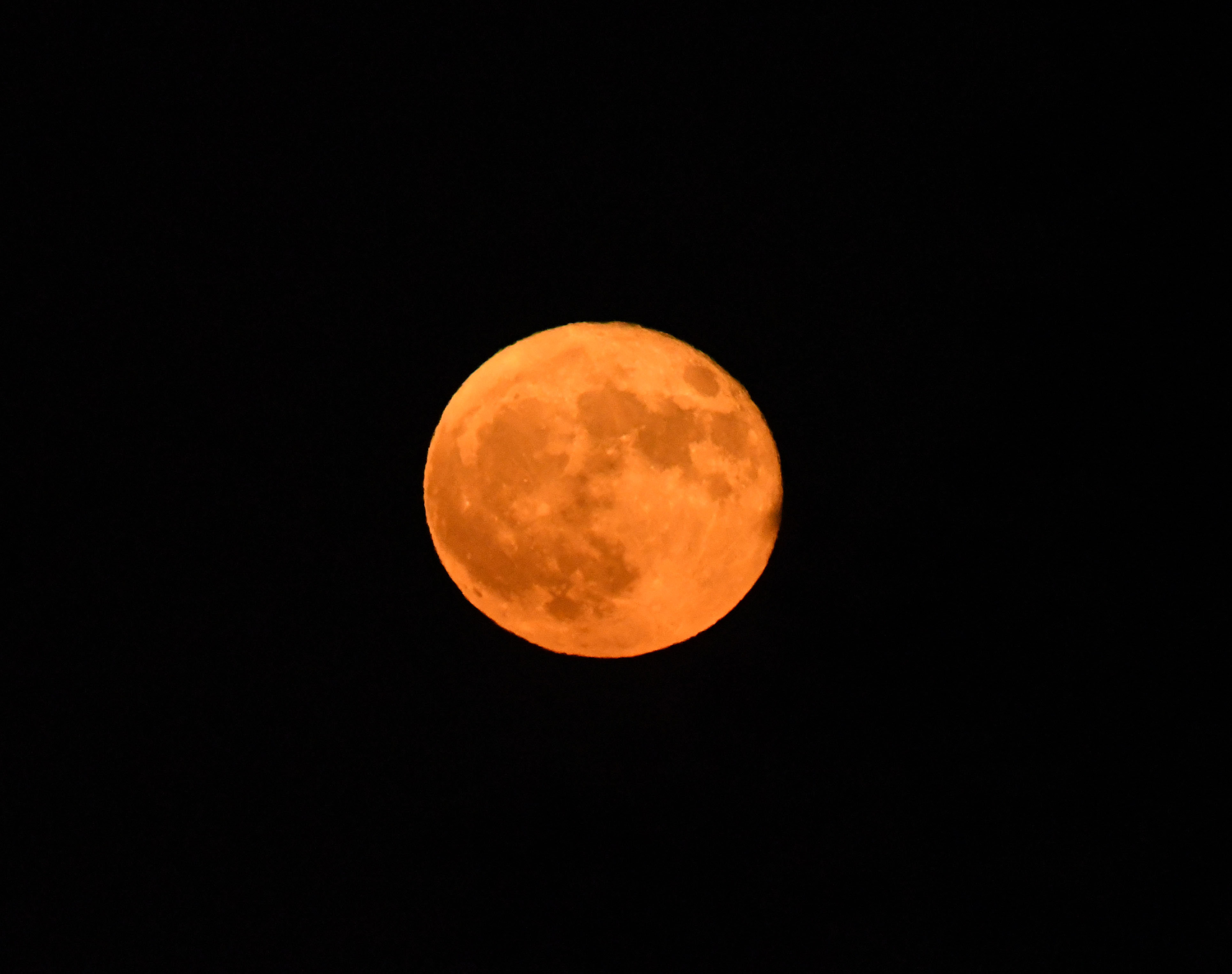
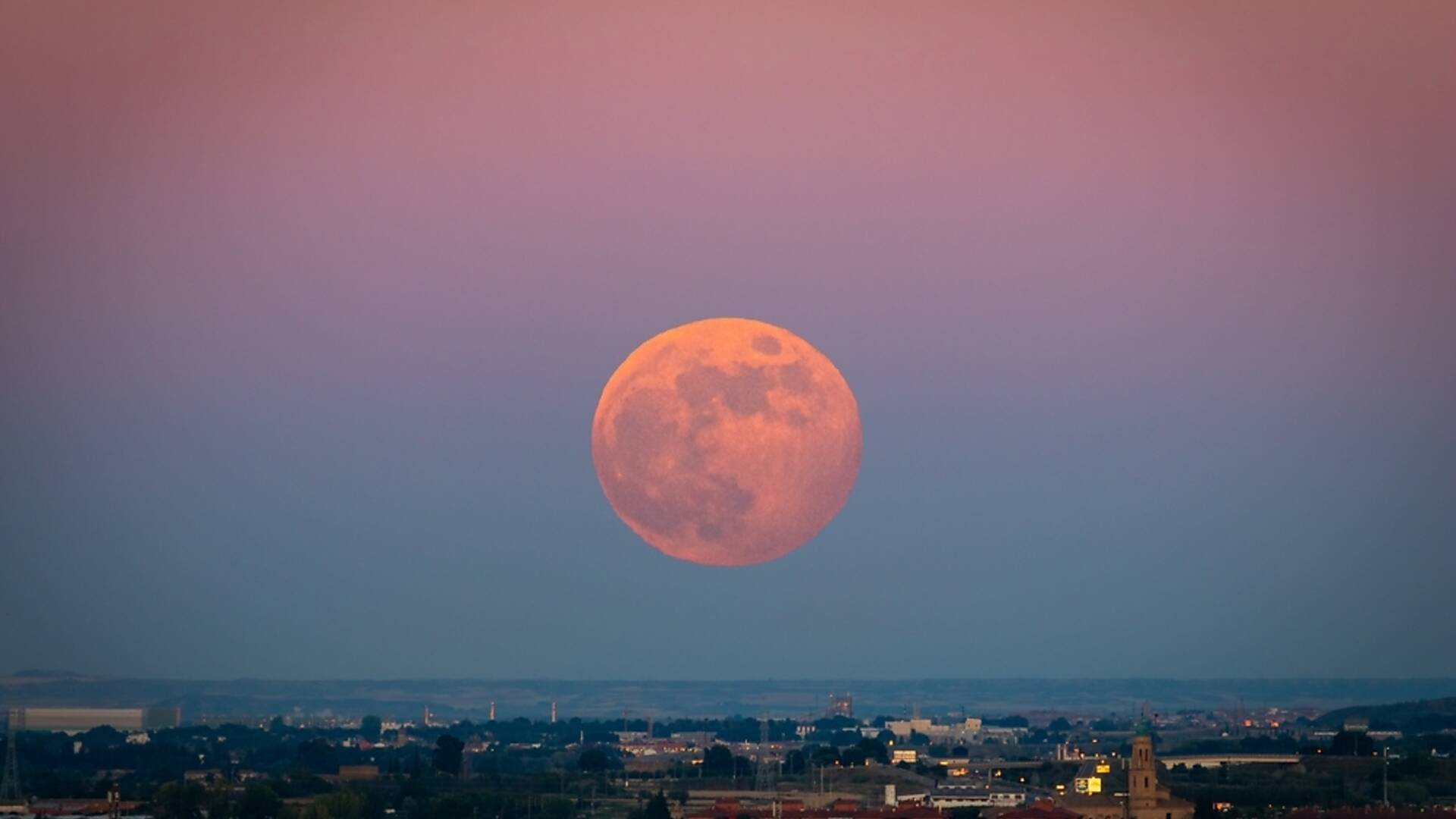
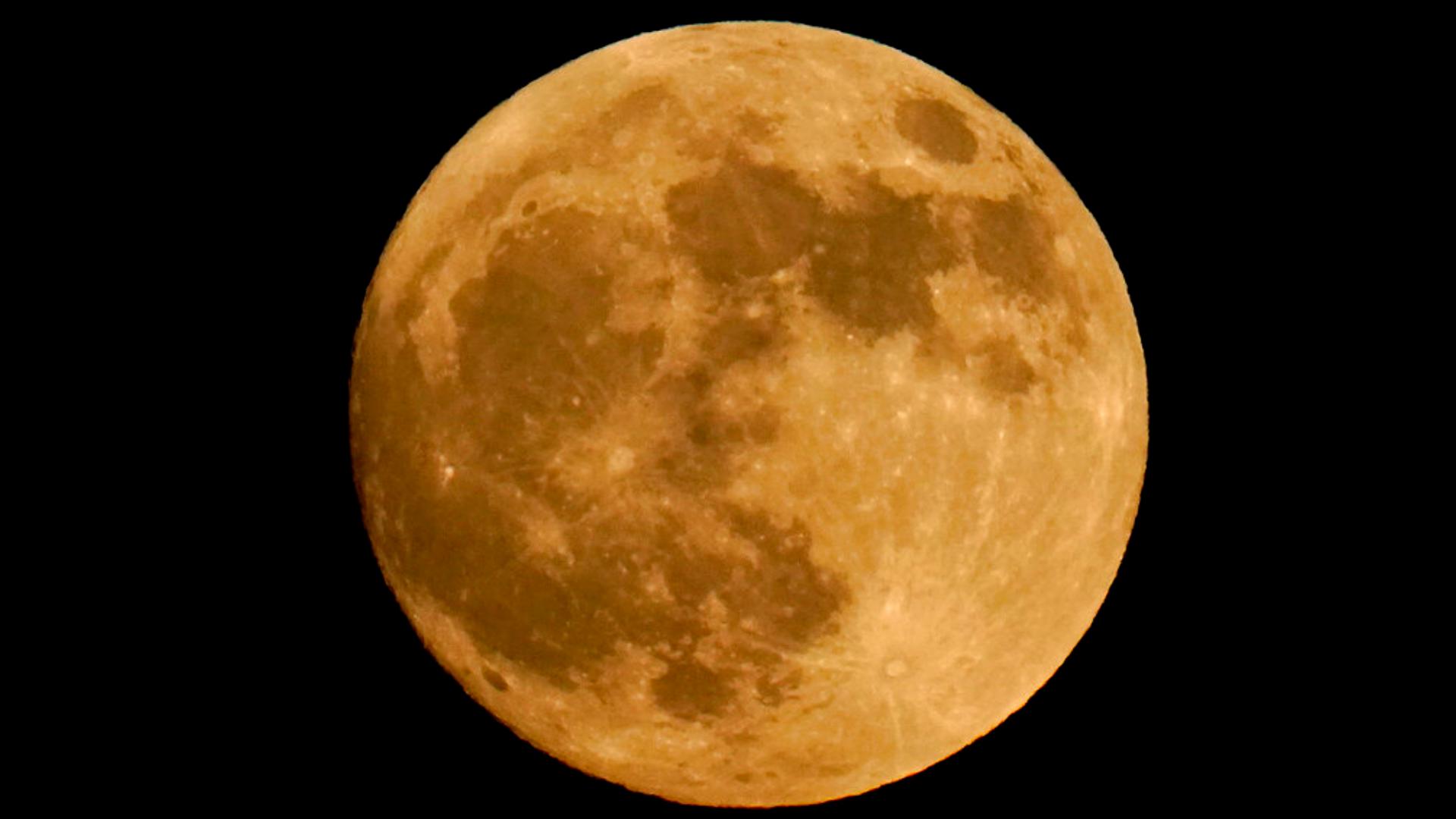
As the Strawberry Moon rises, it often appears orange or reddish. This is due to Rayleigh scattering. When the moon is low on the horizon, its light must travel through a thicker layer of the Earth’s atmosphere. Shorter wavelengths of light (blue and violet) are scattered away, while longer wavelengths (red and orange) pass through to the observer’s eyes. In Utah, late June often brings dry air and occasionally fine dust from the west, which can intensify these colors, making the "Strawberry" moniker feel visually appropriate.
Weather Patterns: The Early Monsoon
By June 29, 2026, Utah may be entering the very early stages of the North American Monsoon season. While the most intense storms typically occur in July and August, observers should check for "dry lightning" or afternoon cloud buildup. These clouds often dissipate after sunset, but they can linger over mountain peaks, potentially obscuring the initial moonrise. Clear, stable high-pressure systems are common in late June, which usually provides the cloudless nights necessary for astronomical viewing.
Essential Equipment and Photography Tips
To fully appreciate the Strawberry Moon in 2026, certain preparations are recommended. While the moon is visible to the naked eye, the following tools enhance the experience:
- Binoculars or a Small Telescope: Even a basic pair of 10x50 binoculars will reveal the lunar maria (dark plains) and the Tycho crater’s ray system. In the dry Utah air, the details will be particularly sharp.
- Sturdy Tripod: If you are photographing the moon, a tripod is non-negotiable. The long focal lengths required to make the moon look large in the frame will amplify any hand-shake.
- Telephoto Lens: To capture a "large" moon behind a Utah landmark (like the Salt Lake Temple or a red rock arch), use a lens with a focal length of at least 300mm.
- Red Light Flashlight: To preserve your night vision while setting up gear in dark sky parks, use a red-filtered flashlight. Standard white light can take up to 20 minutes for your eyes to recover from.
When photographing the moon, remember that it is a sunlit object. A common mistake is overexposing the shot, which results in a featureless white circle. Use the "Looney 11" rule as a starting point: set your aperture to f/11 and your shutter speed to the reciprocal of your ISO (e.g., ISO 100, 1/100th of a second).
Frequently Asked Questions
Will the Strawberry Moon actually look pink in Utah?
The moon is unlikely to appear pink. The name is cultural, not descriptive. However, due to atmospheric dust and the low angle of the June full moon, it may appear deep orange or amber as it rises over the Utah mountains. Once it climbs higher into the sky, it will return to its brilliant yellowish-white color.
What is the best time to see the moonrise in Salt Lake City?
On the peak night of June 29, 2026, the moonrise in Salt Lake City is expected around 9:35 PM MDT. However, because the city is nestled against the Wasatch Range to the east, the moon may not become visible until 10 or 15 minutes later as it clears the peaks of Mount Olympus or Twin Peaks.
Do I need a permit to view the moon in Utah’s National Parks?
No special permit is required for general moon-watching or standard photography in Utah’s National Parks (Arches, Zion, Bryce Canyon, etc.). However, if you are planning a large organized event or professional commercial filming, you must contact the specific park’s film office. Standard entrance fees apply if you enter the parks during staffed hours.
Is the Strawberry Moon a Supermoon in 2026?
Whether a moon is classified as a "Supermoon" depends on its proximity to perigee (the closest point to Earth in its orbit). While the June 2026 Strawberry Moon is a striking event, it does not officially fall into the "Supermoon" category, as its perigee occurs at a different point in the lunar cycle.
What should I wear for moon-watching in Utah?
Even in late June, Utah’s desert and mountain temperatures drop rapidly after sunset. In Southern Utah or at high-altitude spots like Cedar Breaks, temperatures can fall into the 40s or 50s Fahrenheit (4–15°C). Layered clothing, a windbreaker, and sturdy hiking boots are recommended.
Final Recommendation for 2026 Viewers
For the most memorable experience of the 2026 Strawberry Moon, aim to be at your chosen location at least 45 minutes before the calculated moonrise. This allows your eyes to adjust to the fading light and ensures you catch the exact moment the lunar limb breaks the horizon. If you are in Northern Utah, Antelope Island State Park offers the best balance of accessibility and dark-sky quality. If you are in Southern Utah, prioritize Bryce Canyon National Park for its unparalleled geological contrast.
Image Gallery