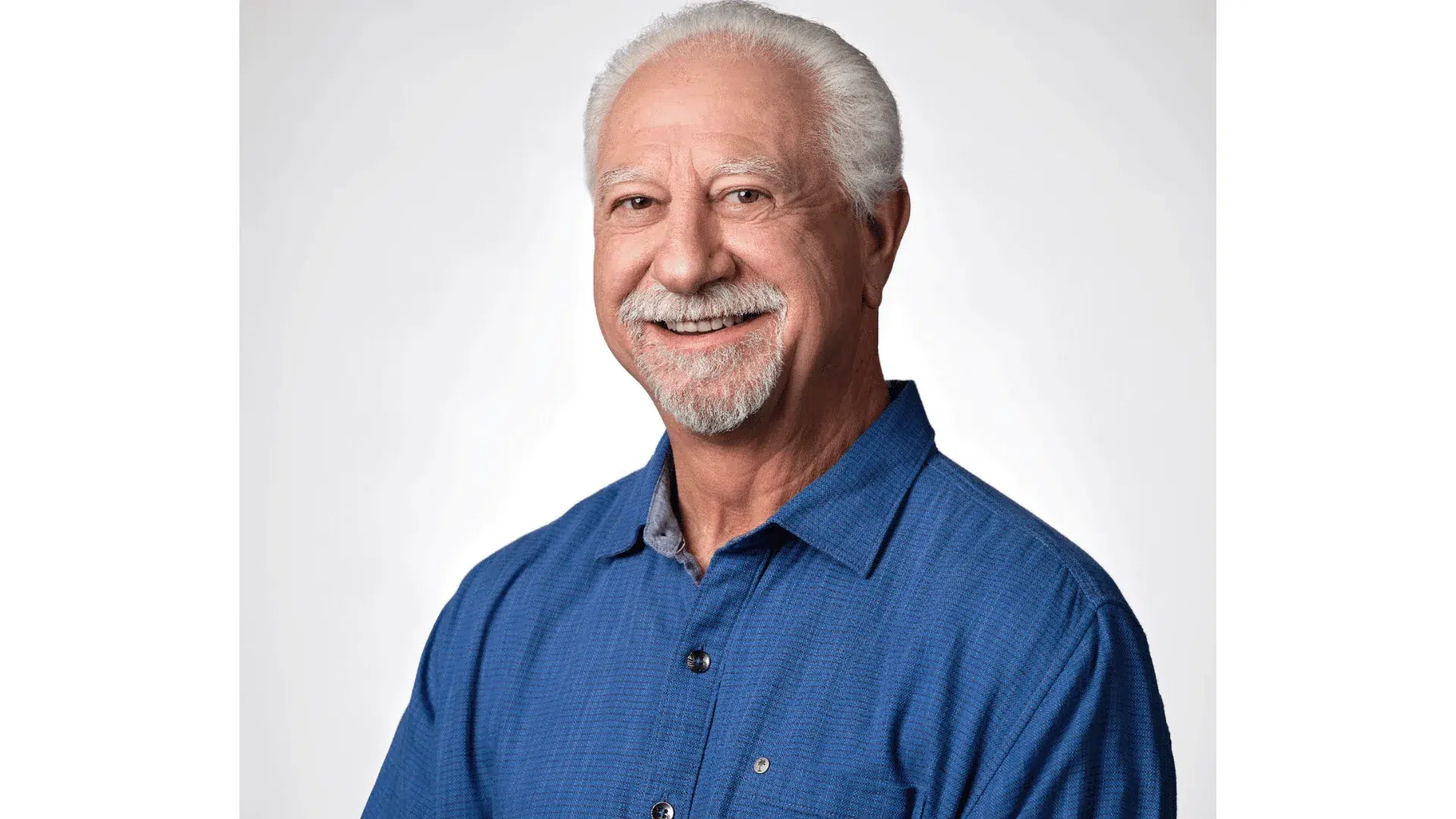
Chris A Malachowsky Net Worth Explained: The Wealth of an Nvidia Co-Founder
As of 2026, Chris A. Malachowsky’s net worth is estimated to be between $6 billion and $10 billion, though fluctuations in the market valuation of Nvidia Corporation (NVDA) can cause this figure to shift significantly. The vast majorit...
As of 2026, Chris A. Malachowsky’s net worth is estimated to be between $6 billion and $10 billion, though fluctuations in the market valuation of Nvidia Corporation (NVDA) can cause this figure to shift significantly. The vast majority of his wealth is derived from his founding equity stake in Nvidia, where he has served in various leadership roles since 1993, contributing to the company's evolution from a graphics chip designer to a global leader in artificial intelligence (AI) and accelerated computing.
Contents
The Genesis of Wealth: Founding Nvidia
To understand Chris Malachowsky’s net worth, one must look back to 1993. Malachowsky, along with Jensen Huang and Curtis Priem, founded Nvidia with a vision to bring 3D graphics to the gaming and multimedia markets. At the time, Malachowsky was an engineer at Sun Microsystems and had previously worked at Hewlett-Packard.
The initial capital for Nvidia was modest—reportedly $40,000—but the founders' equity split laid the groundwork for future multi-billion-dollar valuations. Unlike many tech founders who exit early, Malachowsky remained deeply embedded in the company for decades. This longevity allowed him to benefit from the compounding value of his shares through several critical eras of the company’s growth:
- The IPO (1999): Nvidia went public at $12 per share. While Malachowsky’s paper wealth grew, the stock remained volatile for years as the company fought for dominance in the PC hardware market.
- The CUDA Revolution (2006): The introduction of the CUDA computing platform transformed Nvidia's GPUs into general-purpose processors, a move that eventually paved the way for the AI boom.
- The Data Center and AI Surge (2020–2025): The massive demand for H100 and Blackwell chips for LLM (Large Language Model) training pushed Nvidia’s market capitalization into the trillions.
Because Malachowsky held a significant percentage of the company’s original shares, every stock split and price surge exponentially increased his net worth. By 2026, even after various stock sales for diversification and philanthropy, his remaining holdings represent one of the most successful "buy and hold" scenarios in Silicon Valley history.
Analyzing the Components of His Net Worth
The net worth of an executive like Malachowsky is not a static bank balance but a combination of liquid assets, equity, and private investments.
Nvidia Equity (NVDA)
The primary driver of Malachowsky’s wealth is his ownership of Nvidia common stock. As a co-founder and long-time executive, he received substantial grants of restricted stock units (RSUs) and stock options. While he has retired from day-to-day operations, he often retains a "Senior Technology Executive" or "Fellow" status, which may involve ongoing equity-based compensation or simply the management of his existing stake.
Publicly available SEC filings (specifically Form 4) have historically tracked his sales. By 2026, many of his older shares have undergone multiple splits—most notably the 4-for-1 split in 2021 and the 10-for-1 split in 2024. These splits did not increase his total value but significantly increased his share count, providing greater liquidity for phased selling.
Career Earnings and Compensation
During his tenure as Senior Vice President of Engineering and Operations, Malachowsky received a competitive base salary, but like most tech leaders, his annual bonuses and equity incentives far outweighed his cash pay. Over thirty years, these earnings, if reinvested into a diversified portfolio of indices or real estate, would likely account for several hundred million dollars independent of his primary Nvidia stake.
Philanthropic Outlays and "Net" Impact
A significant portion of Malachowsky’s wealth has been directed toward large-scale philanthropy, which technically reduces his personal "net worth" while increasing his social capital. His most notable contribution was a $25 million gift to his alma mater, the University of Florida, in 2020. This funding, combined with a $25 million hardware donation from Nvidia, helped create the Malachowsky Hall for Data Science & Information Technology and provided the university with the "HiPerGator" AI supercomputer.
Technical Contributions to Value Creation
Wealth in the semiconductor industry is rarely the result of luck; it is built on patent portfolios and architectural breakthroughs. Malachowsky holds over 40 patents, many of which are fundamental to how modern GPUs process information.
His expertise in hardware engineering and supply chain management was critical during Nvidia's transition from a "fabless" startup to a company that manages the most complex manufacturing relationships in the world (primarily with TSMC). By optimizing the physical design of chips, Malachowsky helped Nvidia maintain higher margins than competitors like Intel or AMD for several cycles. This operational efficiency directly correlated to stock performance, and by extension, his personal wealth.
| Feature | Impact on Net Worth | Description |
|---|---|---|
| Founding Equity | Primary Driver | Initial 1993 stake in Nvidia Corporation. |
| Patent Portfolio | Strategic Value | 40+ patents securing Nvidia’s technical moat. |
| Stock Splits | Liquidity Factor | 2021 and 2024 splits increased share count for easier divestment. |
| Philanthropy | Reduction Factor | Major donations to UF and AI research initiatives. |
| Executive Pay | Secondary Driver | Decades of SVP-level salary, bonuses, and RSUs. |
How 2026 Market Dynamics Influence the Figure
In the current 2026 landscape, Nvidia’s valuation is tied to the "AI Utility" phase. Unlike the speculative bubble of previous years, the 2026 market reflects actual deployments of autonomous systems and edge computing. As Nvidia maintains its dominance in the data center, Malachowsky’s wealth remains resilient.
However, the "explained" portion of his net worth must account for market volatility. A 10% shift in Nvidia’s stock price can result in a $500 million to $1 billion swing in Malachowsky’s estimated net worth. For this reason, financial analysts often use a "trailing average" to estimate his wealth rather than a single day’s closing price.
Furthermore, by 2026, there is an increased focus on "insider selling" patterns. Investors track whether founders like Malachowsky are exiting their positions or maintaining them. His continued holding of a substantial portion of his shares is often viewed by the market as a "vote of confidence" in the company’s post-AI-boom roadmap.
Diversification and Private Investments
While the public focus remains on Nvidia, high-net-worth individuals of Malachowsky’s stature typically employ family offices to manage their wealth. These offices diversify assets into:
- Venture Capital: Investing in the next generation of silicon and software startups.
- Real Estate: High-end holdings in Silicon Valley and potentially Florida.
- Fixed Income: High-yield municipal and corporate bonds to provide cash flow independent of the volatile tech market.
While the specifics of these private holdings are not public record, they serve as a financial "buffer" that ensures his net worth remains in the multi-billion dollar range even if the semiconductor sector faces a cyclical downturn.
Frequently Asked Questions
Is Chris Malachowsky still working at Nvidia in 2026?
As of 2026, Malachowsky has stepped back from most day-to-day management roles but often retains an advisory or "Emeritus" title. He remains a significant figure in the company’s culture and serves as a technical visionary, though his primary focus has shifted toward philanthropy and large-scale educational initiatives.
How does his net worth compare to Jensen Huang?
Chris Malachowsky’s net worth is significantly lower than that of Nvidia CEO Jensen Huang. While both were co-founders, Huang’s continued role as the face and primary driver of the company, combined with his larger initial equity and consistent retention of shares, has placed him in the top tier of global billionaires (often exceeding $100 billion depending on the year). Malachowsky, while still a multi-billionaire, has a lower profile and a smaller total share count.
What is the "Malachowsky Hall" and did it cost him money?
Malachowsky Hall is a state-of-the-art facility at the University of Florida dedicated to AI and data science. Malachowsky personally donated $25 million toward its creation. This donation is a "net worth reduction" in accounting terms, but it represents a significant portion of his legacy, ensuring his wealth facilitates future technological breakthroughs.
Does Chris Malachowsky own shares in other tech companies?
Most of his wealth is concentrated in Nvidia, but like most Silicon Valley executives, his personal portfolio likely includes diversified investments through venture capital funds or private equity. However, no other single holding is known to rival his stake in the company he helped found.
What is the impact of the 2024 stock split on his wealth?
The 10-for-1 stock split in 2024 did not change the total value of his holdings at the moment of the split. However, it made his shares more accessible for smaller-scale selling or gifting. It also historically preceded a period of increased retail investment in Nvidia, which helped drive the total market cap higher throughout 2025 and 2026.
Strategic Recommendation for Observers
When tracking the net worth of tech pioneers like Chris Malachowsky, it is essential to look beyond the "billionaire" headline. His wealth is a direct reflection of the enterprise value of accelerated computing. For those interested in the financial mechanics of Silicon Valley, studying Malachowsky’s trajectory offers a masterclass in founder-led growth: starting with a technical problem (3D graphics), staying with the company through multiple "near-death" experiences, and finally reaping the rewards when the world’s infrastructure shifts to align with the founder's original vision.
Investors should monitor SEC Form 4 filings for any significant changes in his ownership, as these remain the most accurate barometer of his liquid net worth and his long-term outlook on the semiconductor industry.
Image Gallery