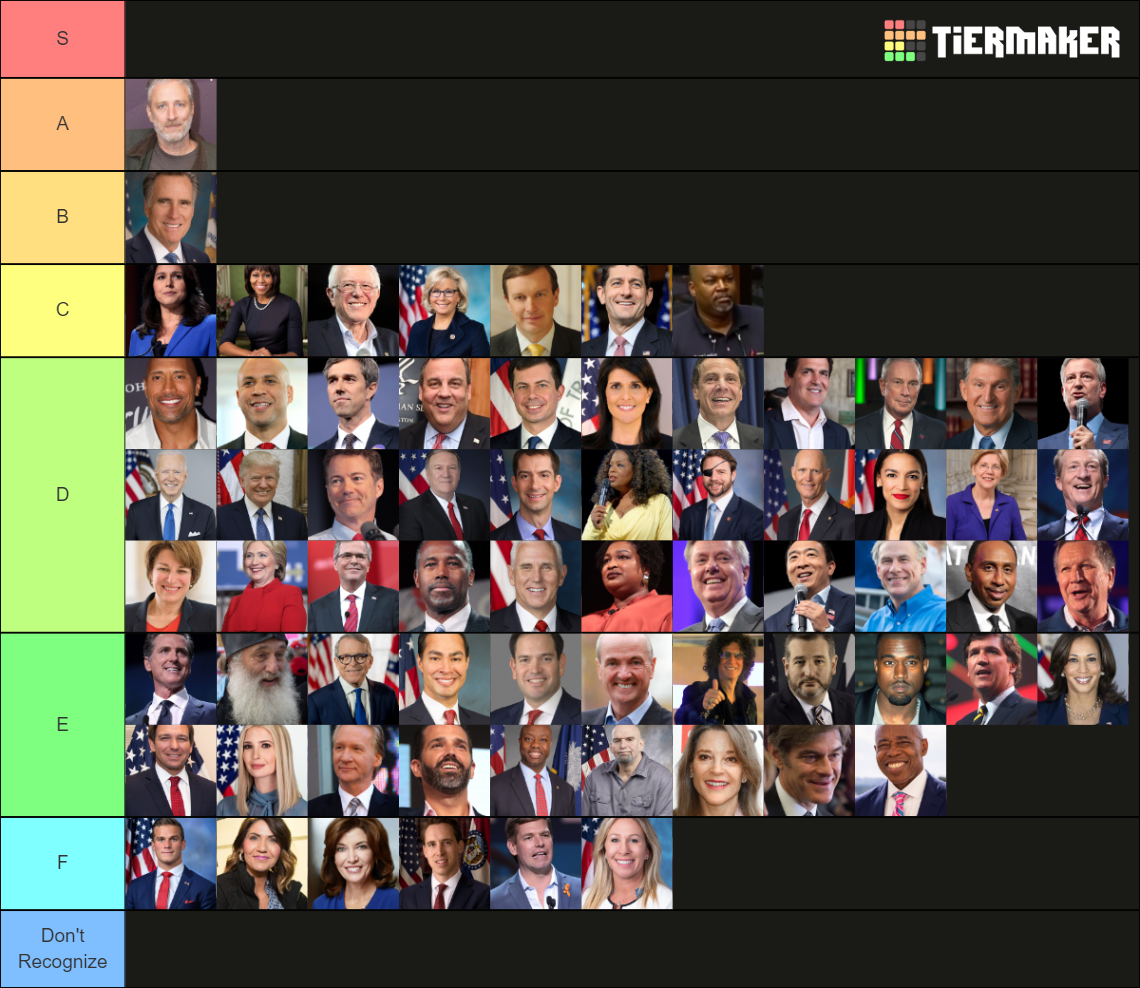
Inside The Hill's 36 Potential 2020 Candidates List: A Comprehensive Retrospective Analysis
The Hill's publication of a roster featuring 36 potential contenders for the 2020 United States presidential election serves as a defining snapshot of the political landscape at a crucial juncture, outlining the diverse field of figure...
The Hill's publication of a roster featuring 36 potential contenders for the 2020 United States presidential election serves as a defining snapshot of the political landscape at a crucial juncture, outlining the diverse field of figures who shaped the Democratic primary and broader political discourse.
Contents
Analyzing major political lists requires examining how media organizations structure early candidate evaluations, the strategic criteria used to vet potential contenders, and the subsequent political trajectories of those included in these influential rosters.
Context and Media Significance of Early Political Longlists
Early political longlists published by prominent media outlets like The Hill function as foundational maps for political analysts, donors, and voters navigating the pre-primary phase. These rosters generally emerge months or even years before the first primary votes are cast, serving to organize an otherwise unwieldy field of potential contenders. By compiling names ranging from seasoned governors and federal legislators to dark-horse figures, media evaluations help establish baseline recognition tiers within the national political ecosystem.
The construction of these lists is rarely arbitrary. Editors and political journalists weigh several objective metrics—such as legislative achievements, executive experience, geographic diversity, and prior national campaign exposure—alongside subjective indicators like grassroots enthusiasm, fundraising capability, and alignment with shifting party ideologies. For the public, these roundups provide an initial framework for understanding who holds national viability long before formal exploratory committees launch or campaign finance reports are filed.
Criteria Used in Evaluating Potential Contenders
Evaluating a pool of dozens of potential candidates necessitates a rigorous, multidimensional framework. Political journalists and strategic analysts typically filter prospective nominees through specific structural and behavioral criteria to determine who possesses a realistic path to a major party nomination.
Institutional Experience and Executive Office
A primary benchmark for national viability is demonstrable executive leadership or significant federal legislative experience. Governors offer executive competence, crisis management records, and executive branch administration credentials. United States Senators provide national policy debates platforms, legislative records, and established fundraising networks.
Ideological Alignment and Factional Appeal
Candidates must successfully navigate the complex internal factions of their respective parties. Analysts examine whether a contender appeals to progressive, moderate, or establishment wings. A candidate's capacity to build a broad coalition across these groups often dictates their long-term sustainability when facing intense primary competition.
Fundraising Capacity and Donor Networks
Modern presidential campaigns require immense financial backing. Early viability is frequently measured by a candidate's established donor pipeline, political action committee (PAC) strength, and connections to major bundlers who can finance robust early-state operations.
Breakdown of the 36-Candidate Pool Structure
The comprehensive roster of 36 potential figures compiled by The Hill captured a cross-section of American political leadership. Rather than focusing exclusively on top-tier frontrunners, the list reflected a sprawling ecosystem of political talent, incorporating distinct tiers of national profile, executive authority, and legislative background.
| Category / Tier | Primary Characteristics | Examples of Profile Types | Strategic Advantage |
|---|---|---|---|
| Top-Tier Executives | Current or former governors with established state leadership records. | State governors, major metropolitan mayors. | Executive experience, management credentials. |
| Federal Legislators | U.S. Senators and high-profile House members with national platforms. | Senior Senate committee members. | Legislative achievement, national media access. |
| Outsiders and Fresh Faces | Business leaders, military veterans, or non-traditional political figures. | Private sector executives, local community leaders. | Anti-establishment appeal, fresh perspectives. |
This structural diversity ensured that the list captured both conventional frontrunners and disruptive wildcards, offering readers a comprehensive view of the potential field's ideological and professional breadth.
Strategic Implications for the 2020 Democratic Primary
The expansive nature of the 36-candidate field directly influenced the strategic dynamics of the eventual 2020 Democratic primary cycle. With dozens of individuals recognized as viable contenders, the primary evolved into an unprecedented multi-candidate contest, altering traditional campaign tactics and debate structures.
The Impact on Debate Stages and Media Access
A crowded field forced primary debates to implement tiered qualification thresholds based on polling averages and donor counts. Candidates featured on early national longlists held an initial advantage in name recognition, which helped them meet early debate criteria. However, lesser-known figures on the list utilized breakout debate performances to challenge established frontrunners, proving that early inclusion was merely a starting point rather than a guarantee of success.
Ideological Polarization and Policy Differentiation
With 36 potential candidates—and eventually over two dozen formal entrants—contenders needed to carve out distinct policy niches. The presence of diverse ideological factions on lists like The Hill's spurred intense debates over healthcare reform, economic policy, criminal justice, and climate strategy. Candidates utilized these policy distinctions to rally passionate grassroots factions, creating a highly mobilized primary electorate.
Retrospective Analysis: Tracking the Trajectories of Listed Figures
Looking back at comprehensive candidate rosters years after their publication reveals valuable insights into the volatility of modern political fortunes. While some figures on the list ascended to the presidency, vice presidency, or cabinet positions, others saw their national momentum stall due to shifting political tides or formidable primary competition.
Frontrunners and General Election Outcomes
A significant portion of top-tier senators and former executive officials included in early longlists went on to mount formidable primary campaigns. The eventual nominee and victor of the 2020 cycle emerged directly from these heavily scrutinized tiers, demonstrating that early media vetting often aligns closely with eventual voter decisions among establishment-leaning primary electorates.
Dark Horses and Long-Term Political Positioning
Many figures on the expansive 36-candidate list who did not secure the nomination nevertheless leveraged the national exposure to elevate their profiles, secure high-profile leadership roles, or position themselves for future electoral cycles. This dynamic underscores the dual function of early political lists: they not only predict immediate contenders but also highlight the broader bench of national leadership.
Frequently Asked Questions
What was the purpose of The Hill's 36-candidate list for 2020?
The list served as a comprehensive pre-primary assessment designed to map out the diverse field of potential contenders, evaluating their viability based on experience, national profile, and strategic positioning.
Did all 36 individuals listed eventually run for president?
No. While several individuals mounted official presidential campaigns, many others on the list chose not to run, opting instead to focus on legislative duties, gubernatorial re-elections, or supporting other nominees.
What common traits did the top-tier candidates share?
Top-tier contenders typically possessed a combination of high national name recognition, extensive legislative or executive governing experience, and access to robust national fundraising networks.
How do early candidate longlists affect primary polling?
Early longlists help shape media narratives and voter awareness, often giving listed candidates an initial bump in early-stage name recognition and donor interest compared to unlisted figures.
Conclusion and Next Steps
Evaluating historical political rosters like The Hill's 36 potential 2020 candidates provides essential context regarding how national political fields are organized, vetted, and contested. For analysts and political observers tracking future election cycles, examining these early lists highlights the critical interplay between media assessment, institutional preparation, and voter alignment. To deepen your understanding of political forecasting, review subsequent campaign finance disclosures and primary debate qualification guidelines from major electoral cycles.
Image Gallery