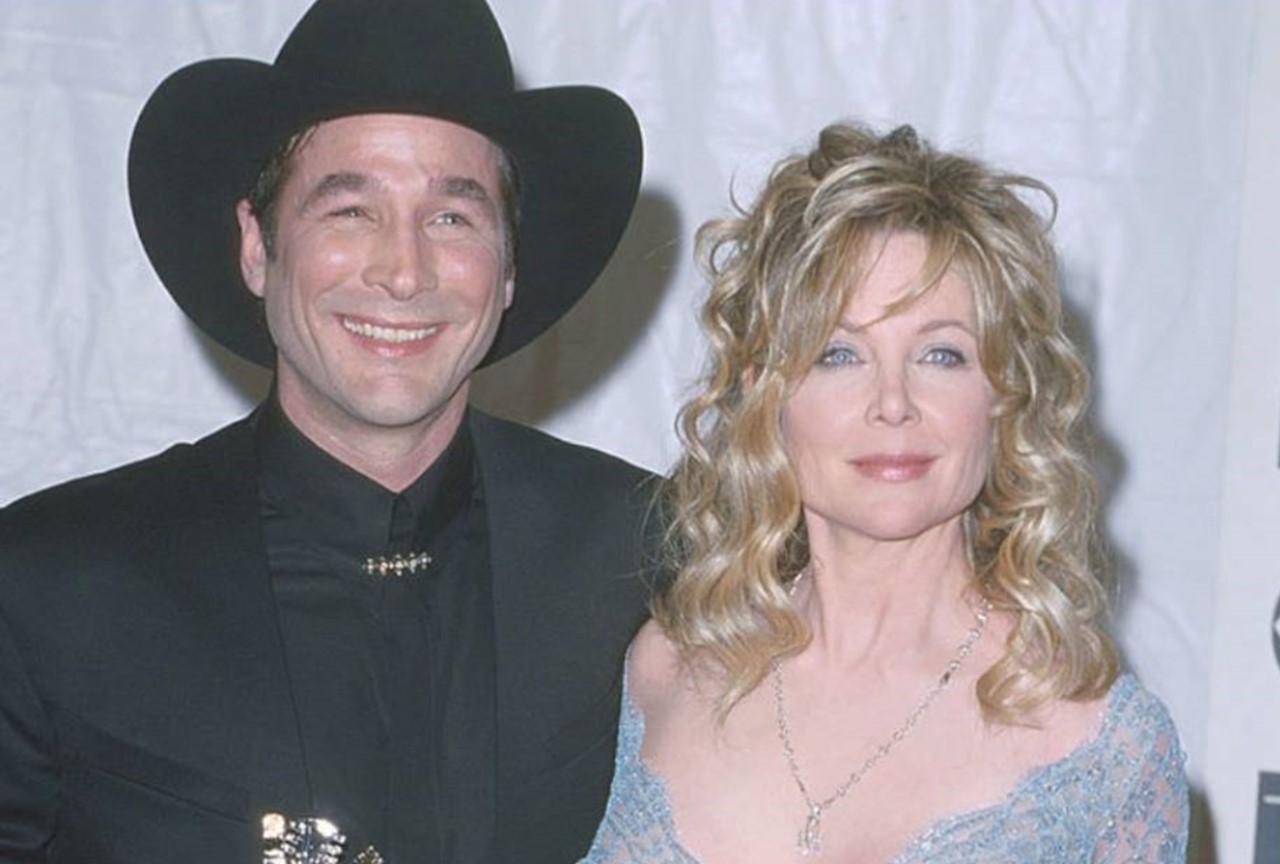
The Story Behind Clint Black and Lisa Hartman Black Songs: A Musical Partnership
The musical collaboration between Clint Black and Lisa Hartman Black represents a unique intersection of country stardom and television acting prowess. Their most famous duets, most notably "When I Said I Do" and "You Still Get to Me,"...
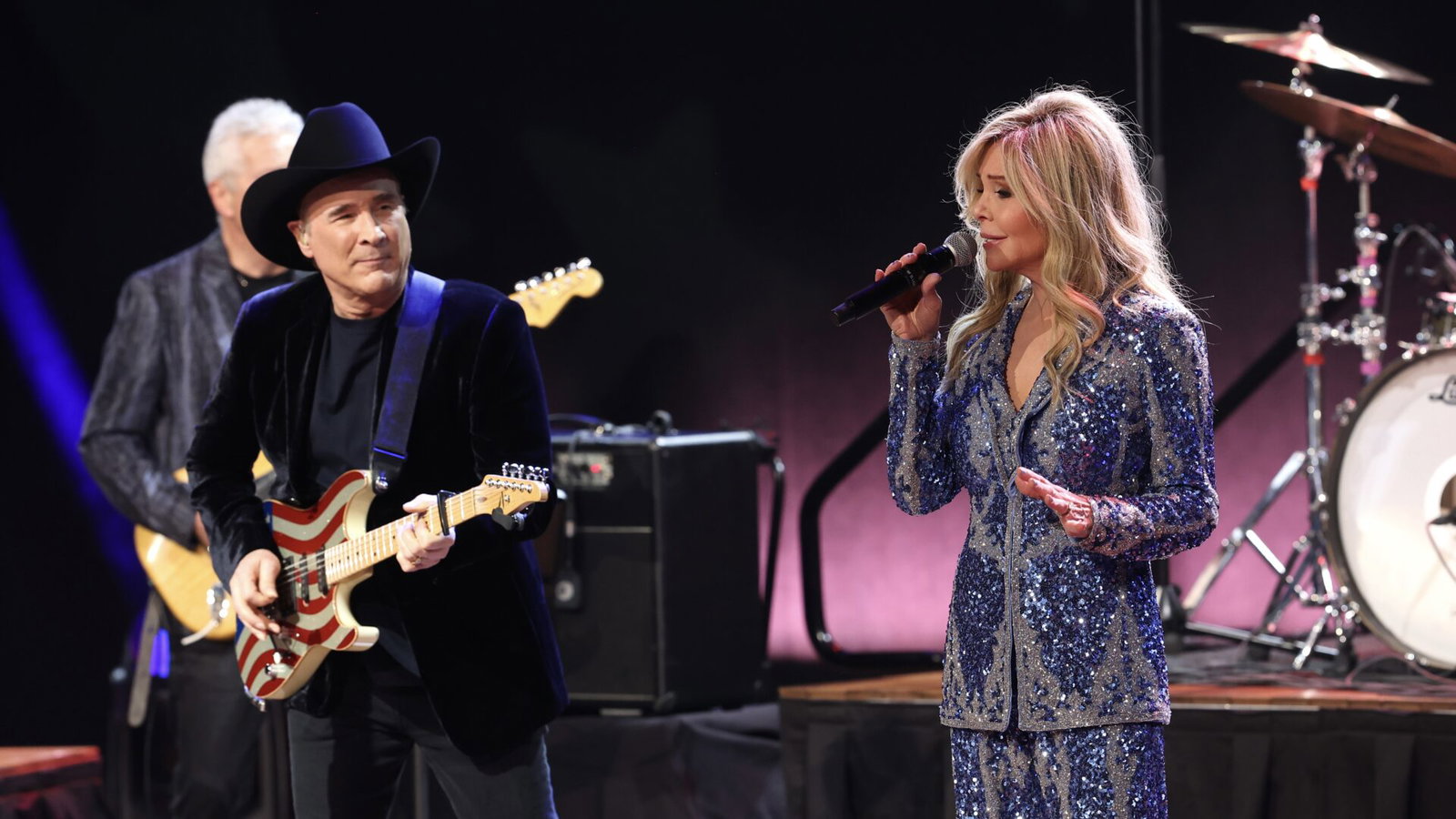
The musical collaboration between Clint Black and Lisa Hartman Black represents a unique intersection of country stardom and television acting prowess. Their most famous duets, most notably "When I Said I Do" and "You Still Get to Me," were born from their personal relationship, reflecting themes of enduring commitment and the challenges of maintaining a high-profile marriage within the entertainment industry.
Contents
The Origin of a Creative Partnership
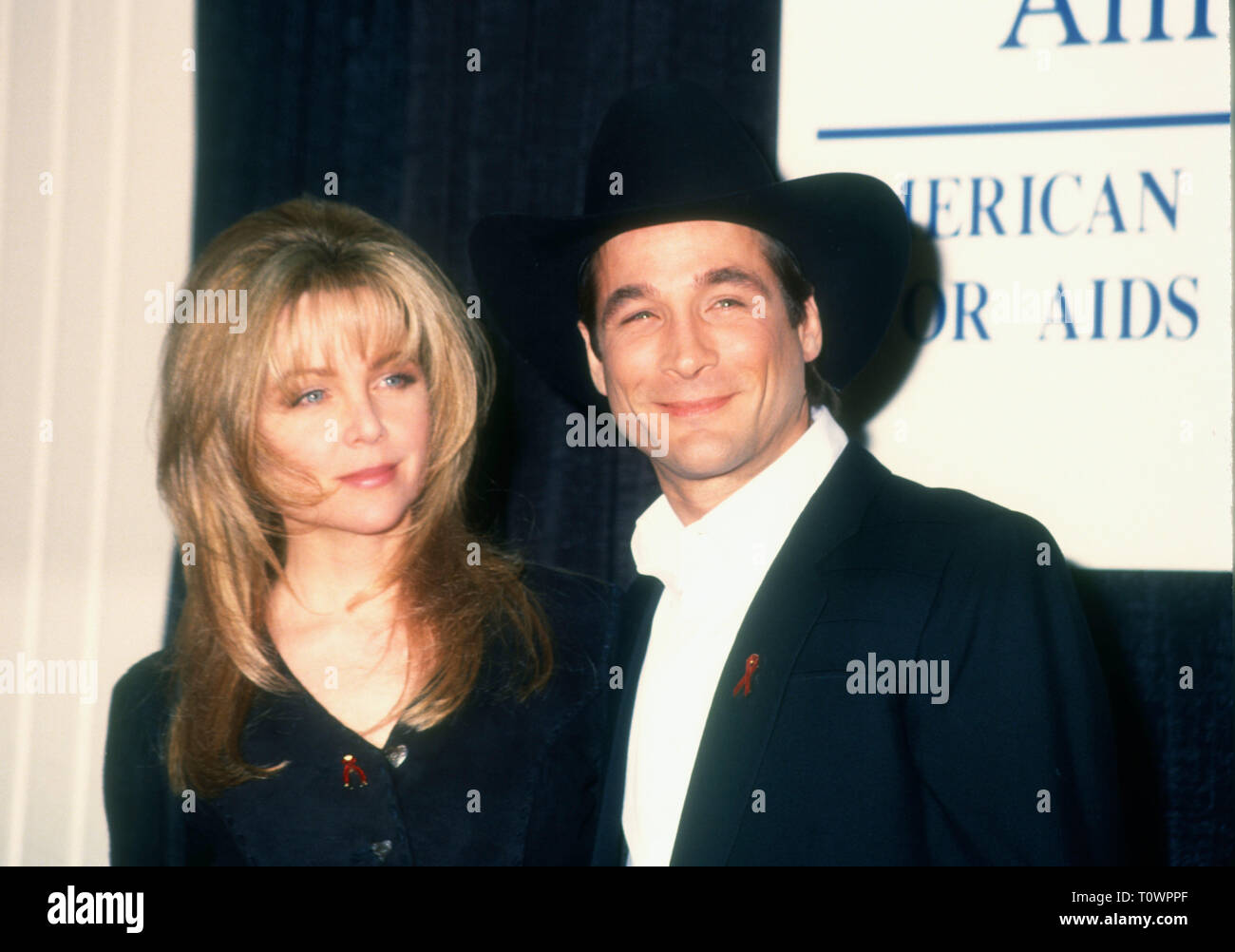
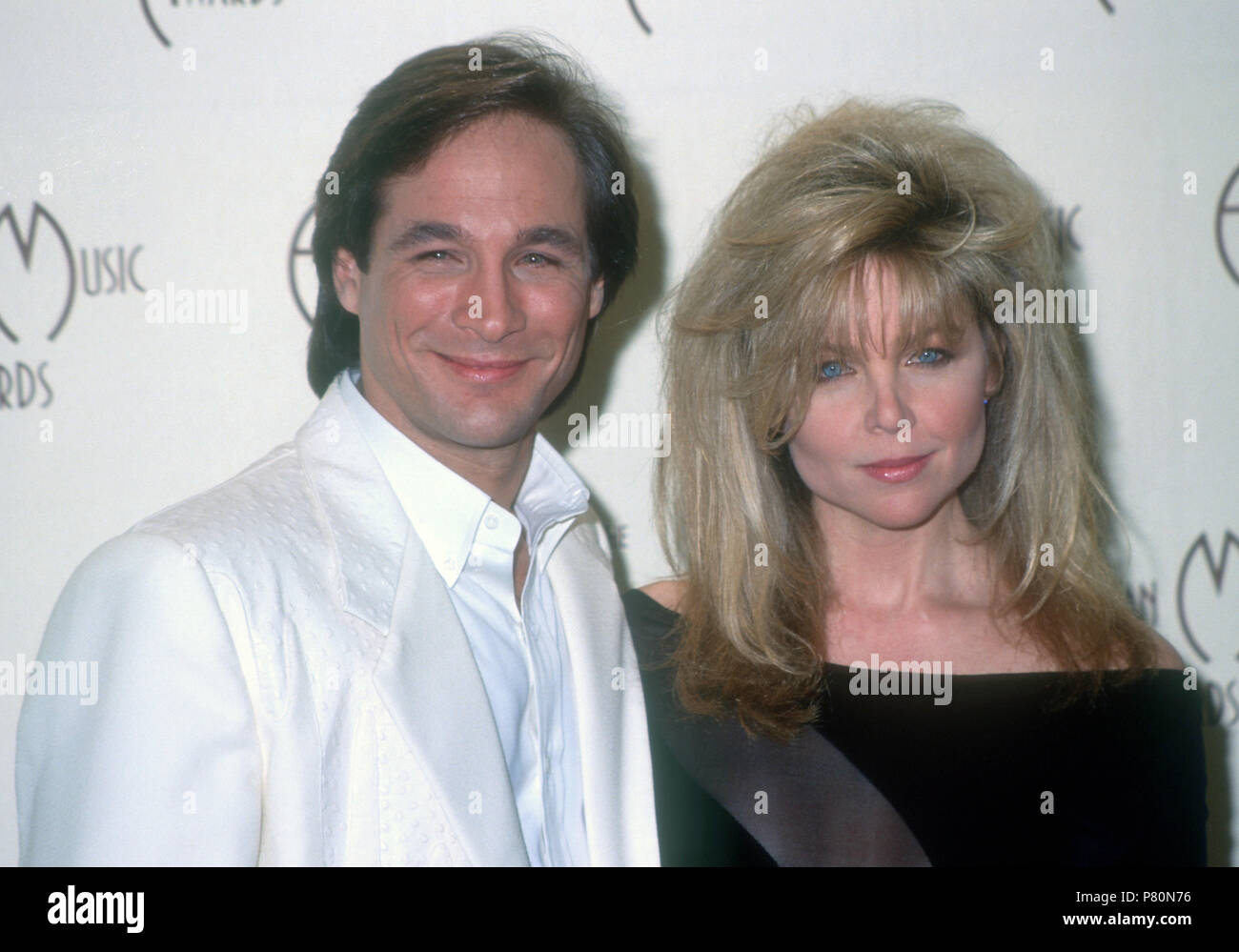
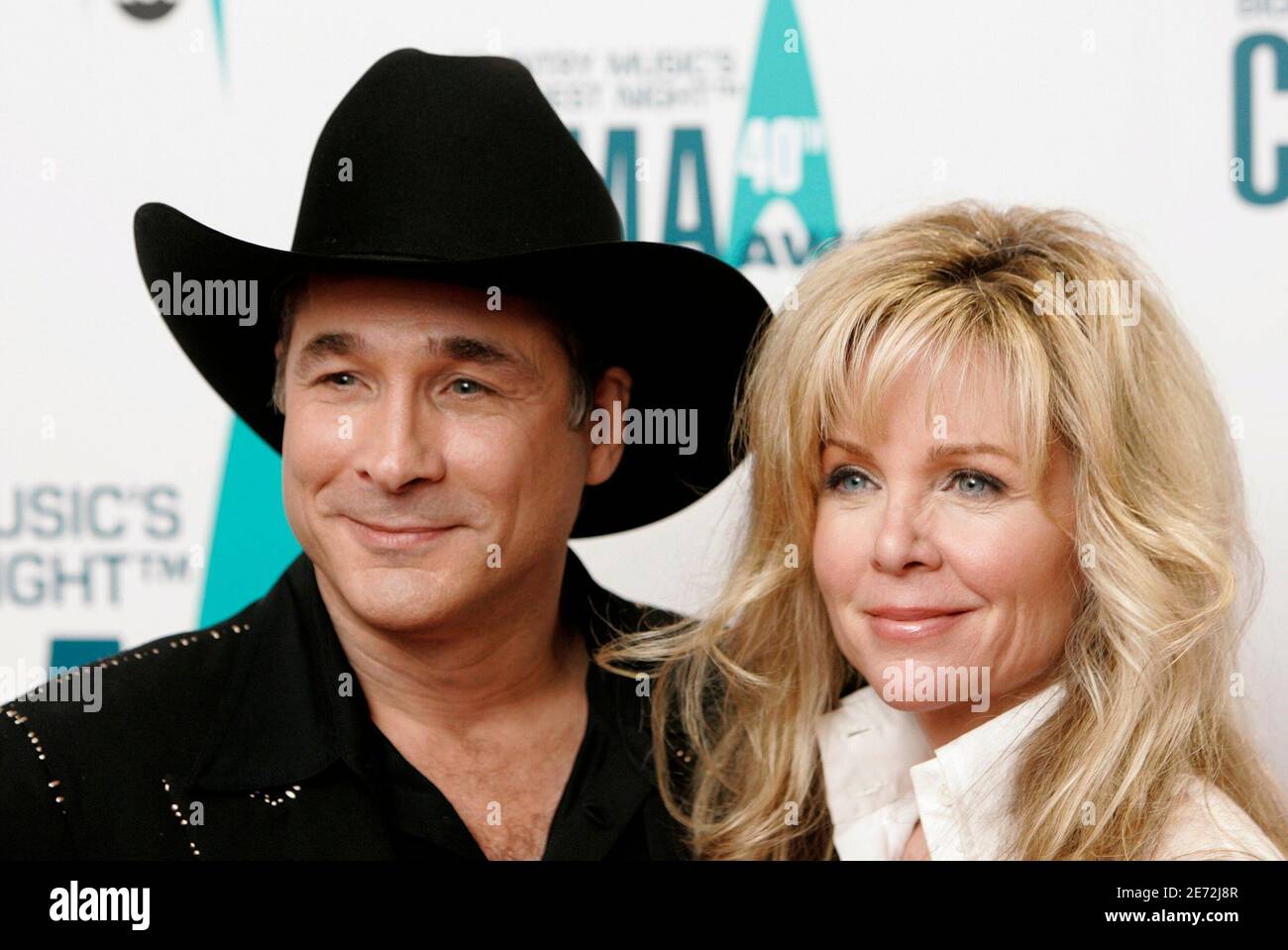
Clint Black, one of the most successful figures in the neotraditional country movement of the 1980s and 1990s, and Lisa Hartman Black, a celebrated actress known for her role in the television series Knots Landing, married in 1991. While their careers initially existed in separate spheres—country music and mainstream television drama—the natural evolution of their relationship led to professional collaboration.
The "story" behind their songs is not merely one of marketing or record label coordination. Instead, these songs were organic expressions of a private life lived under a public spotlight. Clint Black, an accomplished songwriter who played a significant role in his own creative process, recognized early on that his wife possessed a vocal tone that complemented his own baritone. This realization shifted their dynamic from simply being a married couple in Hollywood to becoming a legitimate musical duo.
The Breakthrough: "When I Said I Do"
Released in 1999 as part of Clint Black's album D'lectrified, "When I Said I Do" remains the definitive track of their shared musical catalog. The song was written entirely by Clint Black. At the time of its composition, the couple had been married for eight years, a significant duration by the standards of the entertainment industry.
The lyrics function as a vow renewal, addressing the complexities of staying together when external pressures and personal growth intervene. The song became a massive success, reaching number one on the Billboard Hot Country Singles & Tracks chart. Its resonance was attributed to its sincerity; it avoided the common tropes of country break-up songs, opting instead to focus on the active, conscious choice to maintain a long-term partnership. For listeners, the song provided a rare, authentic look at a couple who were both celebrities navigating the standard marital hurdles of aging, changing careers, and parenting.
Expanding the Repertoire: "You Still Get to Me"
Following the success of their first major duet, the couple released "You Still Get to Me" in 2001. While "When I Said I Do" focused on the foundational promises of a marriage, "You Still Get to Me" explored the persistence of romantic attraction over time.
This track helped solidify their brand as a couple that prioritized stability. By 2001, the duo had established a rhythm for working together in the studio. Clint Black’s approach to songwriting often involved a narrative structure that allowed for dialogue between the two singers, turning the songs into musical conversations rather than simple harmonized tracks. This specific structural choice is what distinguishes their songs from many other contemporary country duets, which often utilized outside session singers rather than spouses.
Comparative Analysis of Musical Collaborations
To understand the significance of their work, it is helpful to contrast their collaboration with other common forms of musical partnership in country music.
| Feature | Clint & Lisa Hartman Black | Typical Industry Duets |
|---|---|---|
| Origin | Spousal/Personal Life | Label-driven or Project-based |
| Songwriting | Internal (Clint Black) | External/Staff Writers |
| Theme | Long-term Commitment | Romance or Break-up |
| Public Image | Established Personal Partnership | Often Fluid/Professional Only |
The table above illustrates that while most country duets are products of collaborative industry strategy, the Black partnership was rooted in a pre-existing domestic foundation. This difference allowed for a level of vocal intimacy that resonates clearly in the recordings.
The Role of Vocal Chemistry
The technical success of their songs relies on the contrast between Clint Black’s polished, low-register country voice and Lisa Hartman Black’s softer, more melodic pop-inflected vocal style. In the late 1990s, this blend was somewhat unconventional for mainstream country radio, which was dominated by either solo powerhouses or the high-energy harmonies of groups like Brooks & Dunn.
Clint Black intentionally produced these tracks to highlight this contrast. Rather than forcing Lisa to mimic the "country twang" that defined his early career, he allowed her to retain the vocal characteristics that made her a successful performer in her own right. This aesthetic choice ensured that the songs sounded like an honest conversation between two different, yet compatible, individuals.
Navigating the Entertainment Industry
Their songs also serve as a documentation of a specific era in country music. As the 1990s transitioned into the 2000s, country music underwent significant changes in production and distribution. The Blacks managed to navigate these shifts by focusing on themes that remained relevant regardless of the musical trends of the time—namely, marriage and family.
Their collaboration was not without its challenges. Balancing two distinct public careers required constant negotiation. Clint Black often discussed how the decision to record together was initially met with hesitation, as they wanted to avoid the perception that their music was a secondary career for the actress or a marketing gimmick for the musician. By ensuring that the quality of the songwriting remained high, they successfully navigated these industry hurdles and established their work as legitimate, critically acclaimed country music.
Frequently Asked Questions
Why did Clint and Lisa Hartman Black decide to release duets together? The collaboration was a natural extension of their life together. Clint Black recognized that their vocal ranges worked well together and felt that the songs he was writing about commitment would be most authentic if sung by the person he was actually committed to.
Were there other songs besides "When I Said I Do"? Yes. While "When I Said I Do" was their most prominent commercial hit, they collaborated on several other tracks, including "You Still Get to Me" and various live performances that have been featured on television specials and concert recordings over the decades.
How did the public respond to their professional collaboration? The response was generally very positive. Because the songs were perceived as honest reflections of a real marriage, they resonated deeply with listeners who valued authenticity over the manufactured duets common in the music industry at the time.
Did Lisa Hartman Black have a career in country music outside of these duets? No. Lisa Hartman Black was primarily an actress and a solo vocalist with a more pop/rock background. Her contributions to the country music genre were almost exclusively through these specific collaborations with her husband.
What is the legacy of their musical partnership? Their legacy is defined by the endurance of their marriage and the song "When I Said I Do," which remains a popular choice for wedding ceremonies and anniversary celebrations. They are cited as one of the few high-profile couples who successfully integrated their careers without compromising their private relationship.
Recommendations for Listeners
To fully appreciate the story behind their music, listeners should start with the album D'lectrified. It provides the context for how they shifted their sound toward more acoustic, stripped-back arrangements. For those interested in the evolution of their sound, comparing their studio recordings to their live acoustic performances will demonstrate the consistency of their vocal blend and their reliance on simple, effective songwriting that prioritizes lyrical honesty over complex production.
Image Gallery