David Faber: The Definitive Profile, Financial Journalism Career, and Media Impact in 2026
(Note: This comprehensive profile focuses on David Faber, the prominent American financial journalist, television anchor, and co-anchor of CNBC’s Squawk on the Street, whose analysis continues to shape corporate and market perspectives...
(Note: This comprehensive profile focuses on David Faber, the prominent American financial journalist, television anchor, and co-anchor of CNBC’s Squawk on the Street, whose analysis continues to shape corporate and market perspectives in 2026.)
Contents
The landscape of broadcast financial journalism requires a rare combination of rigorous investigative skill, deep corporate finance literacy, and real-time adaptability. For decades, David Faber has defined this standard. As a foundational pillar of CNBC’s broadcasting lineup in 2026, Faber remains one of the most trusted voices in Wall Street reporting. His ability to dissect complex mergers, corporate governance failures, and macroeconomic shifts has earned him critical acclaim, including multiple Emmy and Peabody awards. Understanding his career trajectory, reporting methodology, and broader impact on modern financial media provides vital context for anyone analyzing how economic news is distributed and consumed today.
Early Life, Education, and Professional Foundations
David Faber was born in March 1964 in Queens, New York, and raised in a family that valued academic and professional rigor. He attended Great Neck North High School before pursuing higher education at English literature at Colgate University, where he graduated with a Bachelor of Arts degree in 1985. Although his undergraduate focus was not initially finance, his analytical training provided a strong foundation for narrative structure and critical thinking—skills that later translated directly into investigative journalism.
Faber began his career in print journalism, working for Institutional Investor magazine. During his tenure there, he honed his investigative reporting capabilities, learning how to track institutional money flows, interview high-profile executives, and uncover regulatory anomalies long before they hit mainstream headlines. This rigorous print background established the standard for his later work in television, ensuring that his on-air reporting retained a high degree of depth and factual accuracy.
The CNBC Era: Defining Squawk on the Street and The Faber Report
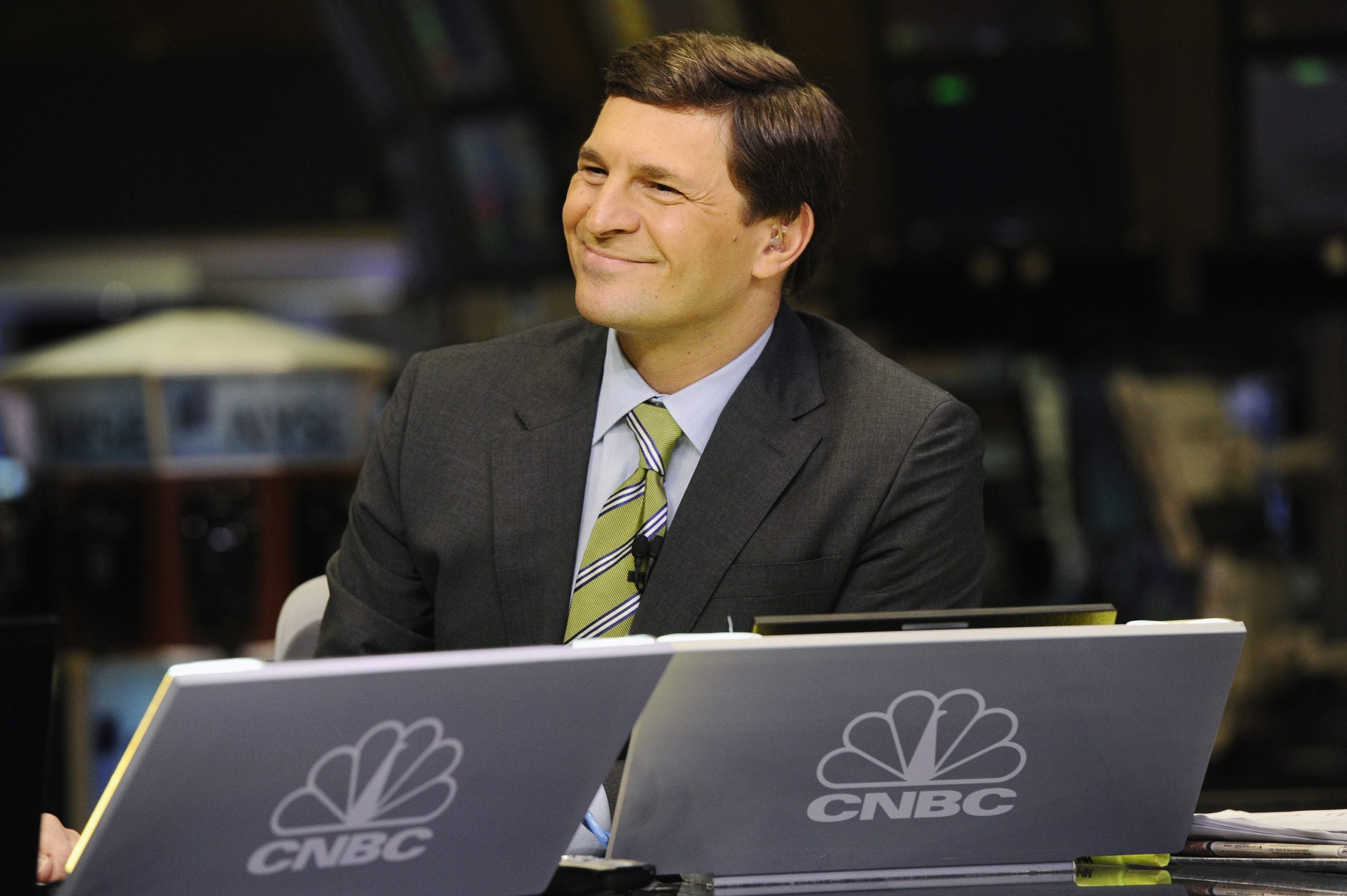
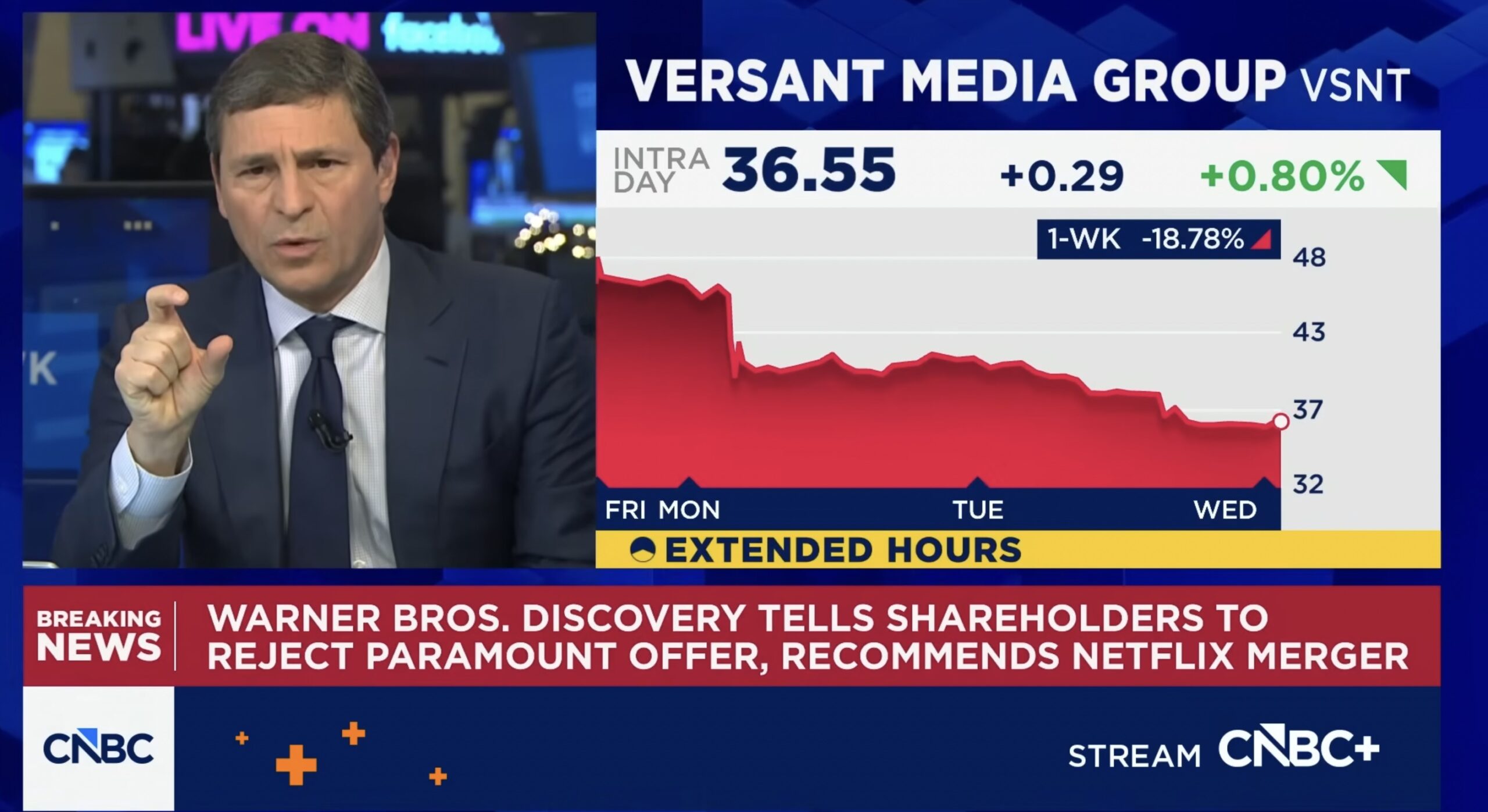
In 1993, Faber transitioned to television journalism by joining CNBC, a move that coincided with the rapid expansion of 24-hour financial news networks. Over the decades, he has occupied several high-profile roles, most notably co-anchoring Squawk on the Street live from the floor of the New York Stock Exchange. Broadcasting directly from the NYSE trading floor gives Faber immediate access to market sentiment, institutional traders, and corporate executives visiting the exchange bell-podium.
His primary contributions to CNBC include:
- Live Market Analysis: Delivering real-time commentary on market-moving macroeconomic data, Federal Reserve rate decisions, and sector-wide equities adjustments.
- The Faber Report: A dedicated reporting segment focusing on high-stakes corporate maneuvering, leveraged buyouts, and boardroom disputes.
- Special Documentaries: Spearheading critically acclaimed long-form investigative documentaries that examine major corporate scandals, market crashes, and industry monopolies.
Landmark Investigative Reporting and Corporate Exposes
Faber is best known for his dogged investigative reporting, frequently breaking stories regarding major mergers, acquisitions, and corporate malfeasance before official press releases are issued. His investigative portfolio includes comprehensive coverage of the dot-com bubble, the 2008 global financial crisis, and subsequent corporate transformations across the technology and retail sectors.
One of his most notable long-form achievements was his investigation into the rise and fall of various high-profile private equity deals and retail conglomerates. By cultivating deep-seated sources among investment bankers, hedge fund managers, and regulatory officials, Faber consistently provides viewers with behind-the-scenes insights into how deals are structured—and why some ultimately collapse. His reporting on the media industry, particularly regarding major studio acquisitions and streaming wars, remains a benchmark for industry analysts.
Media Production and Literary Contributions
Beyond his daily on-air responsibilities at CNBC, Faber has expanded his media footprint through books and documentary filmmaking. His published works offer granular examinations of corporate America. For instance, his book And Then the Roof Caved In: How Wall Street's Greed and Stupidity Brought Capitalism to Its Knees provides a meticulous post-mortem of the events leading up to the 2008 financial crisis. Another notable work, The Boy King: The Trial of Michael Eisner, detailed the internal political and financial dynamics of The Walt Disney Company.
His documentary credits include projects such as House of Cards, which explored the subprime mortgage market, and The Age of Wall Street, both of which utilized narrative journalism to make complex financial instruments accessible to general audiences while maintaining technical accuracy for industry professionals.
Core Strengths and Professional Criticisms
In the dynamic environment of 2026 financial media, David Faber’s career presents a clear set of professional strengths alongside standard critiques common to high-profile journalists operating in real-time market environments.
| Analytical Category | Professional Strengths | Potential Limitations & Criticisms |
|---|---|---|
| Source Network | Extensive, decades-long relationships with tier-one CEOs, activist investors, and banking executives. | Heavy reliance on high-level executive sources can occasionally skew coverage toward corporate board perspectives. |
| Technical Literacy | Deep understanding of corporate finance, valuation metrics, M&A mechanics, and regulatory frameworks. | Complex financial breakdowns may occasionally alienate retail viewers seeking simplified market summaries. |
| Live Broadcasting | Exceptional poise during high-volatility market events, breaking news scenarios, and unexpected economic shocks. | Fast-paced live television environments leave minimal margin for deep real-time fact-checking of unverified rumors. |
| Investigative Depth | Proven track record of breaking exclusive stories and producing award-winning long-form financial documentaries. | Lengthy investigative cycles require significant resource allocation away from daily market tracking. |
Frequently Asked Questions About David Faber
Who is David Faber and what is his primary role?
David Faber is an Emmy- and Peabody-winning American financial journalist and television anchor. In 2026, he serves as the co-anchor of CNBC’s Squawk on the Street, broadcasting live from the New York Stock Exchange to analyze market trends and corporate news.
What are some of David Faber's most notable investigative achievements?
Faber has broken numerous major stories concerning corporate mergers, bankruptcies, and executive misconduct. His long-form documentaries, such as House of Cards, and his books on the 2008 financial crisis are widely recognized as definitive texts on modern economic history.
Where does David Faber broadcast from daily?
He primarily broadcasts live from the floor of the New York Stock Exchange (NYSE), allowing him to engage directly with institutional traders, market makers, and visiting corporate leadership.
What educational background does David Faber have?
He graduated from Colgate University in 1985 with a Bachelor of Arts degree in English literature, which provided the foundational narrative and analytical skills utilized throughout his journalism career.
Has David Faber received industry awards for his journalism?
Yes, he has received numerous prestigious awards throughout his career, including multiple Emmy Awards, a Peabody Award, and the Alfred I. duPont-Columbia University Award for broadcast journalism.
Conclusion and Industry Legacy
As financial markets navigate complex technological disruptions, shifting monetary policies, and evolving regulatory frameworks in 2026, the demand for rigorous, uncompromised financial journalism remains paramount. David Faber’s career serves as a blueprint for modern broadcast economics reporting. By combining relentless source cultivation, deep financial literacy, and an unwavering commitment to uncovering the truth behind corporate balance sheets, he continues to inform investors, executives, and regulators alike, cementing his status as a titan of financial media.
Image Gallery