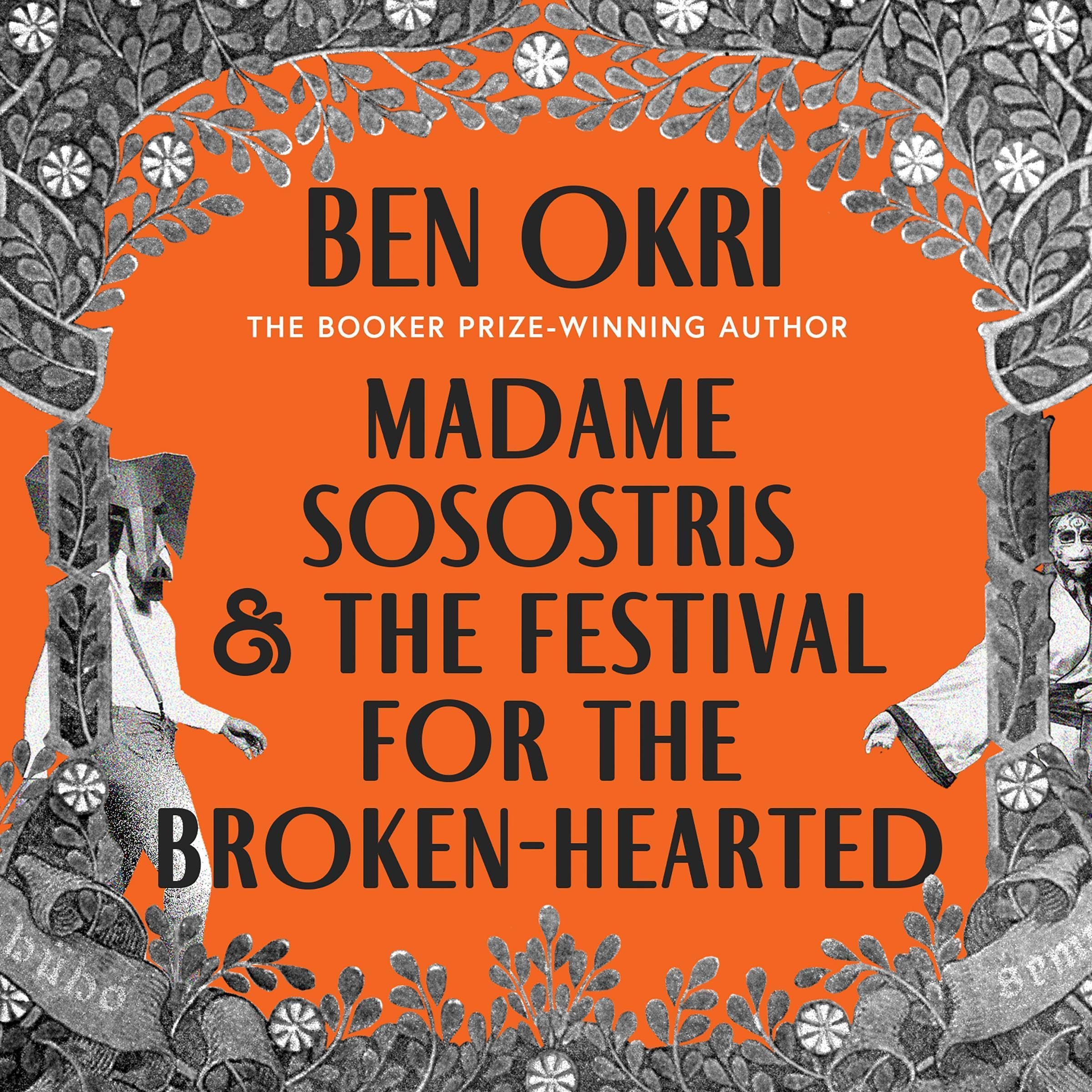
Ben Okri Author: Literary Legacy, Major Works, and 2026 Cultural Impact
Ben Okri stands as one of the most distinctive and influential voices in contemporary literature. Renowned for his masterful blend of realism, folklore, and metaphysical philosophy, this Nigerian-born British author has shaped the land...
Ben Okri stands as one of the most distinctive and influential voices in contemporary literature. Renowned for his masterful blend of realism, folklore, and metaphysical philosophy, this Nigerian-born British author has shaped the landscape of modern post-colonial and magical realist fiction. As the literary world navigates 2026, Okri's contributions continue to inspire new generations of readers, scholars, and writers who seek to understand the intricate intersections of history, identity, and the human spirit.
Contents
The Philosophical and Stylistic Foundations of Ben Okri's Writing
Ben Okri's literary identity is deeply rooted in the concept of the spirit world and the rich oral traditions of his Yoruba heritage. Born in Minna, Nigeria, in 1959, his early experiences of the Nigerian Civil War profoundly influenced his perspective on suffering, resilience, and the fragile nature of human existence. His narrative style frequently utilizes the trope of the abiku—a spirit child destined to cycle repeatedly between life and death—which serves as a powerful metaphor for Nigeria's political and historical struggles.
As a senior literary figure, Okri defies rigid genre classifications. His work bridges the gap between Western literary forms and African cosmological frameworks. Key stylistic signatures of his oeuvre include:
- Magical Realism: Seamless integration of supernatural occurrences into everyday gritty urban or rural realities.
- Lyrical Prose: A rhythmic, poetic sentence structure that demands active, contemplative reading.
- Existential Inquiry: Deep philosophical explorations regarding freedom, art, perception, and the nature of reality.
- Social Commentary: Sharp critiques of political corruption, poverty, and systemic oppression without sacrificing artistic integrity.
Landmark Works and Critical Milestones
Okri's bibliography spans novels, short story collections, poetry volumes, and essays. His breakthrough came in 1991 when he was awarded the prestigious Booker Prize for his novel The Famished Road, making him the youngest writer and the first Black author to win the prize at that time.
| Title | Publication Year | Primary Genre | Core Theme |
|---|---|---|---|
| Flowers and Shadows | 1980 | Psychological Novel | Political corruption and familial breakdown in post-independence Nigeria. |
| The Famished Road | 1991 | Magical Realism | Spirit-child perspective, cyclical history, and the struggle for survival. |
| Songs of Enchantment | 1993 | Magical Realism | Sequel to The Famished Road, focusing on communal survival and political violence. |
| Astonishing the Gods | 1995 | Philosophical Fiction | The invisible nature of freedom, identity, and the quest for self-realization. |
| The Freedom Artist | 2019 | Dystopian Allegory | Totalitarianism, the power of thought, and the suppression of truth. |
Beyond these major novels, collections such as Stars of the New Curfew established his prowess in short fiction, capturing the psychological toll of urban decay and neo-colonial exploitation. His poetry and essays, including A Time for New Dreams, function as cultural manifestos urging humanity to reimagine its societal structures through creativity.
Comparative Analysis: Ben Okri in the Context of World Literature
To fully understand Ben Okri's place in global literature, it is instructive to compare his thematic trajectory with other literary giants of the post-colonial and magical realist traditions.
- Ben Okri vs. Gabriel García Márquez: While both masters employ magical realism, Márquez uses it to reflect the political mythologies of Latin America through a collective historical lens. Okri, conversely, anchors his magical realism in African spirituality, specifically the metaphysical boundary between the living and the unborn.
- Ben Okri vs. Chinua Achebe: Achebe employed a realist, sociological approach to document the clash of cultures and the breakdown of traditional African societies under British imperialism. Okri moves beyond literal realism into the psychological and spiritual dimensions of freedom and nation-building.
- Ben Okri vs. Salman Rushdie: Both writers blend myth, history, and magical elements to critique political oppression. However, Rushdie relies heavily on satire, pastiche, and historical hyperbole, whereas Okri utilizes a meditative, lyrical, and philosophical tone.
Literary Heritage Note: Ben Okri's enduring contribution to global letters lies in his insistence that art is not merely a reflection of reality, but an active agent capable of altering human consciousness and healing cultural fractures.
Navigating Ben Okri's Bibliography: A Reading Roadmap for 2026
For readers and researchers approaching Ben Okri's extensive body of work in 2026, a structured reading path ensures a comprehensive appreciation of his evolution as an author and thinker.
- Begin with Short Fiction: Start with Stars of the New Curfew to grasp his sharp social observations and grounded storytelling before diving into his heavier metaphysical novels.
- Tackle the Masterpiece: Read The Famished Road with patience, allowing the poetic cadence and shifts between physical and spiritual realms to unfold naturally.
- Explore Philosophical Essays: Read A Time for New Dreams to understand the theoretical scaffolding behind his creative output.
- Examine Late-Stage Works: Conclude with The Freedom Artist to see how his prophetic vision addresses modern authoritarianism and surveillance culture in the contemporary era.
Frequently Asked Questions
What is Ben Okri's most famous book?
Ben Okri's most famous book is The Famished Road, which won the Booker Prize in 1991 and established his international reputation as a master of magical realism. This novel follows the spirit-child Azaro as he navigates the tumultuous political and social landscape of an unnamed African city.
What literary genre does Ben Okri write in?
Ben Okri primarily writes in the genres of magical realism, philosophical fiction, poetry, and essayistic literature. His work is characterized by the fusion of traditional African folklore with contemporary socio-political realities.
Has Ben Okri won any major literary awards?
Yes, Okri has received numerous accolades, most notably the Booker Prize in 1991. He is also a Fellow of the Royal Society of Literature and was appointed an Officer of the Order of the British Empire (OBE) for his services to literature.
How does the concept of the abiku function in his stories?
The abiku represents a spirit child who repeatedly dies and is reborn to the same mother, embodying themes of suffering, impermanence, and cyclical history. Okri uses this figure to explore national identity and the struggle of societies caught between historical trauma and the desire for rebirth.
What are Ben Okri's primary themes?
His primary themes include freedom, the power of art, spirituality, political corruption, the illusion of reality, and the resilience of the human imagination in the face of systemic oppression.
Conclusion and Engagement
Ben Okri remains a towering figure whose literary output challenges readers to look beyond the surface of material existence. Whether you are revisiting his classic Booker-winning trilogy or exploring his recent essays and dystopian allegories, his work offers profound insights into the mechanics of freedom and imagination. To deepen your literary journey, pick up The Famished Road today or explore his latest lectures on the vital role of art in shaping a more enlightened global future.
Image Gallery