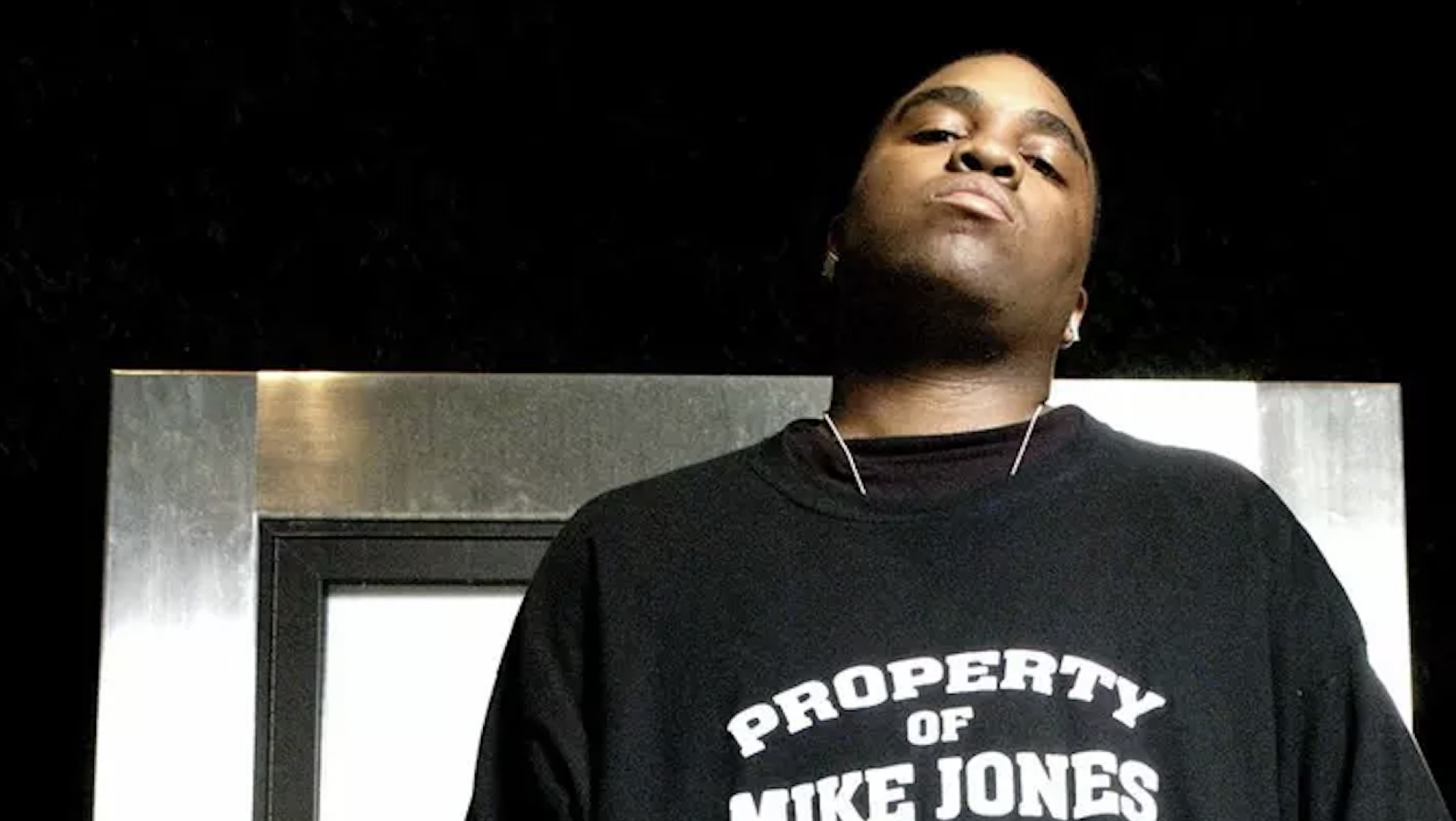
Understanding the Mike Jones Vinyl Legacy and Market Presence
The name "Mike Jones" is most famously associated with the Houston-based rapper who rose to prominence in the mid-2000s, known for his signature call-and-response style and the platinum-selling album Who Is Mike Jones?. In the context...
The name "Mike Jones" is most famously associated with the Houston-based rapper who rose to prominence in the mid-2000s, known for his signature call-and-response style and the platinum-selling album Who Is Mike Jones?. In the context of vinyl records, this refers to the physical collector’s market for his discography, specifically the limited releases and rare pressings of his foundational work in Southern hip-hop.
Contents
Identifying the Subject: Mike Jones and Vinyl Culture
When collectors search for "Mike Jones vinyl," they are typically navigating the intersection of 2000s-era Southern rap history and the resurgence of analog music consumption. Mike Jones, born Michael Jones, became a cultural icon in 2005 with the release of his debut studio album, Who Is Mike Jones?. The album, featuring the hit singles "Still Tippin'" and "Back Then," captured a specific moment in the evolution of the "Swishahouse" label and the Houston underground rap scene.
For vinyl enthusiasts, the quest for his records is often a search for high-fidelity versions of tracks that defined the "Chopped and Screwed" aesthetic, even if those tracks were originally mastered for compact disc or digital radio play. While the mid-2000s was a period where vinyl production for hip-hop had significantly slowed in favor of CDs, the subsequent "vinyl revival" has led to a renewed interest in acquiring original pressings and modern reissues of these definitive rap albums.
Navigating the Market for Early 2000s Hip-Hop Vinyl
The availability of Mike Jones’s work on vinyl is relatively limited compared to classic rock or pop albums from the same era. During the height of his popularity (2005–2007), labels primarily prioritized CD and digital distribution. Consequently, finding original, official vinyl pressings of his debut studio album can be a challenging task for collectors.
When you encounter "Mike Jones vinyl" listings, it is critical to distinguish between official label pressings, promotional copies, and unofficial bootlegs. Many hip-hop albums from the early 2000s never received a wide-release vinyl run. In these cases, unofficial pressings—often referred to as "grey market" releases—frequently appear on the market. These are often manufactured without the permission of the original label or the artist and typically use digital audio files rather than original analog masters.
Technical Specifications and Verification
For the serious collector, verifying the authenticity of a record is the most important step in the acquisition process. To assess a listing for "Mike Jones vinyl," consider the following technical markers:
- Catalog Number: Authentic records feature a specific alphanumeric code assigned by the record label (e.g., Swishahouse or Warner Bros.). You can verify this number through databases like Discogs to see if the release exists in the official registry.
- Weight and Thickness: Standard official pressings from the mid-2000s are typically 140g, whereas many unofficial bootlegs are pressed on thinner, 120g vinyl that may feel flexible or flimsy.
- Run-out Grooves: Examine the "dead wax" area near the center label. Official pressings often have matrix numbers etched into the vinyl that correspond to the mastering house. Bootlegs often lack these or feature faint, laser-etched markings that look computer-generated.
- Cover Art Resolution: Bootleg covers are frequently scanned from CD inserts. If the text appears blurry or the colors are saturated incorrectly, it is a strong indicator of an unofficial product.
Comparative Market Analysis
The following table outlines the differences collectors might encounter when searching for Mike Jones’s music on physical media.
| Feature | Official Pressing | Unofficial (Bootleg) |
|---|---|---|
| Audio Source | Original Master Tape/Stems | Often sourced from digital files |
| Availability | Extremely limited/Rare | Occasionally found online |
| Packaging Quality | High-resolution offset printing | Low-resolution digital print |
| Collector Value | Appreciates over time | Generally holds no investment value |
| Legal Status | Licensed and authorized | Unlicensed derivative |
Why Vinyl Matters for Hip-Hop History
The importance of acquiring "Mike Jones vinyl" lies in the preservation of the Southern hip-hop soundscape. The heavy 808 basslines and intricate hi-hat patterns associated with Houston rap require a dynamic range that some digital compression formats from 2005 stripped away. Collectors who seek out vinyl versions of this era often do so to experience a warmer, more tactile representation of the music.
Furthermore, the physical record serves as a piece of memorabilia. For many, Mike Jones represents the transition from the regional "tape culture" of Texas—where artists sold mixtapes out of their trunks—to a mainstream commercial powerhouse. Owning a physical copy of his work bridges the gap between the DIY history of the Swishahouse movement and his later status as a national rap star.
Troubleshooting and Best Practices for Collectors
If you are actively seeking a copy of Mike Jones on vinyl, follow these practices to avoid purchasing low-quality, unauthorized copies:
- Consult Community Databases: Before purchasing, check the official release history on recognized archival platforms. If the platform does not list an official vinyl release for a specific year, assume any copy you find is a bootleg.
- Request Photos of the Matrix: If buying from a third-party marketplace, ask the seller for clear photos of the run-out groove matrix codes. You can cross-reference these with verified data.
- Prioritize Condition (The Goldmine Standard): If you are lucky enough to find an official pressing, use the Goldmine Grading standard. A record described as "Mint" or "Near Mint" should have no visible surface marks or spindle wear on the label.
- Beware of "Custom" Vinyl: Some services offer to "press" your own records. These are not official releases and are generally one-off items. Ensure the listing is not a custom-cut item if you are looking for an official release.
Related Questions
Is there an official vinyl release of Who Is Mike Jones? Official vinyl pressings for this specific album are notoriously rare or non-existent in mass distribution. Most copies found on the market are unofficial imports or bootlegs.
Why do my records sound different from the digital version? Vinyl records have a physical frequency response curve that differs from digital files. Some bass-heavy tracks may sound "thinner" on vinyl if the lacquer was not mastered specifically for the format, which is common in hip-hop records from the mid-2000s.
How do I clean my vintage rap records? Use a carbon fiber brush before every play to remove dust. If the record is heavily soiled, use a specialized vacuum-based record cleaning machine or a distilled water-based solution with a microfiber cloth, moving in the direction of the grooves.
Are there other Mike Jones releases on vinyl? Beyond his debut, subsequent mixtapes and promotional singles saw varying levels of distribution. Always verify the label info on the back cover to ensure the record is an official industry pressing.
What is the "Swishahouse" sound? The Swishahouse sound is characterized by slowed-down tempos, deep bass, and heavy use of vocal loops. Capturing this "Chopped and Screwed" aesthetic on vinyl requires high-quality mastering to ensure the low-end frequencies do not cause the needle to skip.
Next Steps for Collectors
If your goal is to add Mike Jones to your collection, focus your search on professional, reputable archival marketplaces that require strict verification of the pressings. Avoid auction sites where "fan-made" or "rare import" is used as a euphemism for unauthorized bootlegs. Start by checking established discography databases to confirm if an official pressing ever existed for your desired release. If an official copy is unavailable, consider collecting other rare artifacts from the same era of the Houston rap scene, which often provide more reliable documentation and higher-quality preservation of the music's history.
Image Gallery