Why the Newark to Chicago Flight Is Usually the Smarter Choice
Choosing a flight between the New York metropolitan area and Chicago requires evaluating three major departure airports: Newark Liberty International Airport (EWR), LaGuardia Airport (LGA), and John F. Kennedy International Airport (JF...
Choosing a flight between the New York metropolitan area and Chicago requires evaluating three major departure airports: Newark Liberty International Airport (EWR), LaGuardia Airport (LGA), and John F. Kennedy International Airport (JFK). For most travelers, booking a Newark to Chicago flight represents the smarter choice due to unmatched hub-to-hub flight frequencies, direct rail accessibility from Manhattan and New Jersey, superior flight disruption recovery, and modern terminal amenities tailored to business travel.
Contents
The Hub-to-Hub Advantage: Schedule Density and Rebooking Resilience
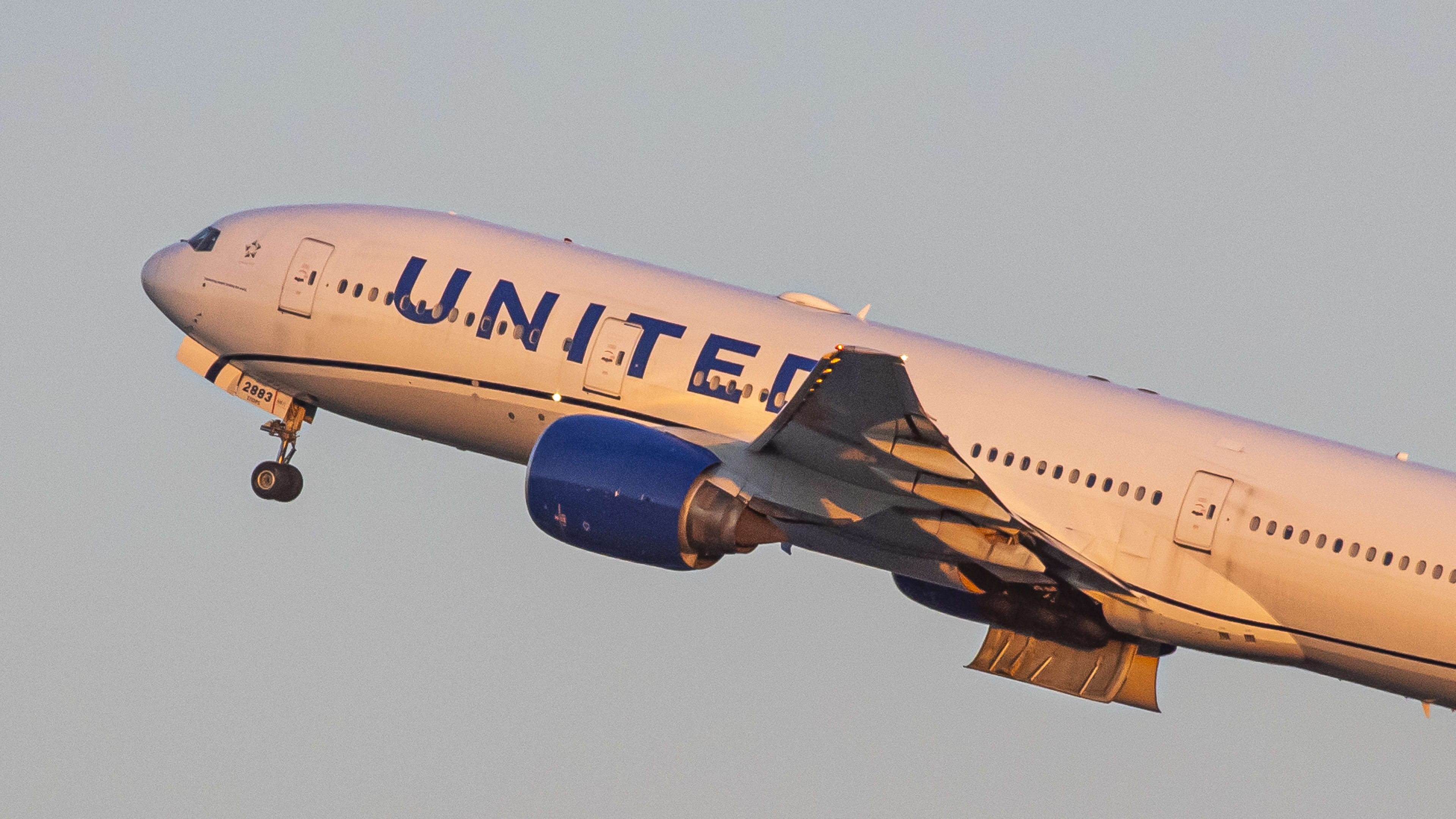
The single greatest operational advantage of flying from Newark to Chicago is the hub-to-hub architecture operated by United Airlines between Newark Liberty International Airport (EWR) and Chicago O'Hare International Airport (ORD). Both airports serve as primary hub gateways for United, creating a dense operational corridor that secondary routes cannot match.
Because EWR and ORD are flagship hub locations, airlines maintain high departure frequencies throughout the day. Flights depart virtually every hour during peak business windows. This route density offers travelers two distinct benefits: operational flexibility and rapid recovery during irregular operations.
- Newark Liberty (EWR) [United Flagship Hub]
- High-Frequency Corridor (Hourly Mainline Jets)
- Chicago O'Hare (ORD) [United Global Hub]
Operational Resilience During Delays
Weather systems in the Northeast and Midwest frequently disrupt air traffic control patterns. When adverse weather causes ground delay programs or cancellations, non-hub routes often leave passengers stranded for long periods because aircraft and flight crews are out of position.
On the EWR-to-ORD trunk route, hub operations change the dynamic:
- Massive Fleet Depth: United keeps replacement aircraft and standby flight crews stationed at both EWR and ORD, making it easier to swap aircraft when technical issues arise.
- Automatic Same-Day Protection: If a specific flight suffers a cancellation or major delay, passengers can usually be rebooked on a subsequent departure leaving within 60 to 90 minutes.
- Mainline Aircraft Priority: Unlike regional connections that are easily canceled during air traffic congestion, flights between EWR and Chicago are predominantly operated on mainline narrow-body and wide-body aircraft (such as Boeing 737, Airbus A320, and occasionally Boeing 777 or 787 repositioning flights), which air traffic control prioritizes over regional jet flights.
Ground Transportation and Regional Accessibility
For travelers originating in Midtown Manhattan, Lower Manhattan, or Northern New Jersey, Newark Airport offers some of the most dependable transit options in the region.
- NY Penn Station (Midtown Manhattan)
- NJ Transit / Amtrak (~30 minutes)
- EWR Station
- AirTrain (Direct)
Rail Access via NJ Transit and Amtrak
Unlike LaGuardia, which relies entirely on roadway traffic or public bus transfers, Newark Liberty is connected directly to the regional passenger rail grid. Passengers can board an NJ Transit Northeast Corridor or North Jersey Coast Line train at New York Penn Station and reach the Newark Liberty International Airport Station in approximately 30 minutes.
From the airport train station, the free, automated AirTrain system transports passengers directly to Terminals A, B, and C. Amtrak also serves the EWR rail station, providing direct access for travelers coming from Philadelphia, Trenton, or Stamford.
Highway Logistics and Driving Patterns
For travelers based in Northern New Jersey, Staten Island, or suburban Manhattan, driving to Newark via the New Jersey Turnpike (I-95), Interstate 78, or US Route 1/9 bypasses the bottlenecked river crossings required to reach LaGuardia or JFK. Parking infrastructure at Newark includes automated garage booking systems, long-term economy surface lots, and consolidated rental car facilities that simplify ground transfers.
Evaluating Alternative NYC-to-Chicago Routes
To understand why Newark is often the superior choice, it helps to analyze how it compares to LaGuardia and JFK for travel to Chicago O'Hare (ORD) and Chicago Midway (MDW).
| Feature / Metric | Newark Liberty (EWR) | LaGuardia (LGA) | John F. Kennedy (JFK) |
|---|---|---|---|
| Primary Destination Airports | Chicago O'Hare (ORD), Midway (MDW) | Chicago O'Hare (ORD), Midway (MDW) | Chicago O'Hare (ORD) |
| Dominant Carrier(s) | United Airlines, Spirit | American Airlines, Delta, Southwest | American Airlines, Delta |
| Direct Heavy-Rail Access | Yes (NJ Transit / Amtrak + AirTrain) | No (Bus transfer or taxi required) | Yes (AirTrain via LIRR / Subway) |
| Typical Daily Departures | Extremely High (20+ daily flights) | High (15–20 daily flights) | Moderate (Lower frequency) |
| Main Carrier Hub Synergy | Dual Hub (EWR & ORD are United Hubs) | Single/Partner Hub | Non-Hub focus for Chicago |
| I-95 / NJ Transit Access | Excellent | Difficult (Requires Queens crossings) | Difficult (Requires Long Island Expressways) |
| Rebooking Options During Disruption | Superior | Moderate | Limited |
EWR vs. LaGuardia (LGA)
While LaGuardia’s recent terminal redevelopments have upgraded its gate space and amenities, LGA lacks direct rail access from Manhattan. Reaching LGA during peak traffic hours requires taking a taxi, rideshare, or express bus through crowded bridges and tunnels.
Additionally, United’s presence at LGA is minor compared to its dominant operations at Newark. A passenger flying United out of LGA has far fewer daily flight alternatives than one departing from Newark’s Terminal C.
EWR vs. John F. Kennedy (JFK)
JFK is New York’s primary international gateway, but its domestic schedule to Chicago is less dense than Newark's. Airlines operating out of JFK focus heavily on long-haul international routes. Flights from JFK to Chicago O'Hare are frequently spread across different terminals and carriers, offering lower frequency and less flexibility for last-minute schedule adjustments.
Terminal Infrastructure, Amenities, and Loyalty Benefits
The physical departure environment at Newark Liberty—particularly within United’s primary footprint at Terminal C and the newer Terminal A—is built specifically to support high-volume corporate and premium leisure travel.
- TSA PreCheck / CLEAR
- Expedited Screening
- OTG Tech-Integrated Dining
- Tablet Gate-Side Service
- Lounges
- United Club
- Polaris
Security Expediting and Terminal Logistics
Terminal C at Newark features dedicated security lanes for TSA PreCheck and CLEAR members, alongside priority access queues for Premier status holders and business class passengers. The terminal design minimizes walking distances between the central security checkpoint and gate clusters, allowing frequent flyers to time their terminal arrivals efficiently.
Premium Lounges and Working Space
For business travelers who rely on productivity during layovers or pre-flight windows, Newark offers extensive lounge options:
- United Club Networks: Multiple United Club locations across Terminal C and Terminal A offer workstation seating, high-speed Wi-Fi, and complimentary dining.
- United Polaris Lounge: Available in Terminal C for eligible long-haul premium passengers, setting a high standard for lounge service in the Northeast.
- American Express Centurion Lounge: Expands lounge access options for cardholders across terminals.
Upgrades and Loyalty Program Value
Because EWR to ORD is an all-mainline aircraft route, passengers participating in loyalty programs enjoy higher odds of complimentary elite status upgrades compared to regional jet routes. The inclusion of multi-class cabins—featuring first class, extra-legroom economy, and standard economy—gives travelers clear choices across price points and seat configurations.
Strategic Booking Guidelines for Newark to Chicago Travelers
To extract maximum value from the Newark-to-Chicago corridor, travelers should align their travel timing, transit selection, and booking channels with best operational practices.
- T-24 Hours: Mobile Check-in
- T-2 Hours: Arrive via Rail
- T-45 Mins: Priority Boarding
- T-0 Mins: Departure
1. Select Hub-Dominant Departure Windows
Morning flights departing Newark between 6:00 AM and 8:30 AM demonstrate the highest on-time departure rates because the aircraft sit on the ground overnight and do not depend on inbound legs. Booking early morning departures minimizes the ripple effect of afternoon weather delays across the national airspace network.
2. Match Your Terminal to Your Transit Method
If arriving via public transit from Manhattan:
- Take NJ Transit from New York Penn Station to Newark Liberty Airport Station.
- Transfer to the AirTrain, which delivers passengers directly to Terminal C or Terminal A within minutes.
- Keep the NJ Transit train ticket handy; the barcode scans at the AirTrain turnstiles to waive the transfer fee.
3. Leverage Same-Day Flight Changes
Passengers holding Premier status or flexible ticket types can use same-day flight change features within the airline’s mobile app. If a business meeting finishes early in Manhattan or Chicago, travelers can frequently move up to an earlier flight on the EWR-ORD corridor without paying change fees, provided space is available in the original fare class.
4. Choose O'Hare (ORD) vs. Midway (MDW) Based on Final Destination
- Select O'Hare (ORD): If your destination is the Chicago Loop, the northern suburbs, or if you require maximum rebooking options and connection channels. The CTA Blue Line train runs directly from O'Hare into downtown Chicago.
- Select Midway (MDW): If your destination is the South Side of Chicago, the Southwest suburbs, or if you prefer a smaller airport footprint. The CTA Orange Line connects Midway directly to the Loop.
Frequently Asked Questions
Why is flying from Newark to Chicago better than flying out of LaGuardia?
Newark offers direct rail access from Manhattan via NJ Transit and the AirTrain, eliminating unpredictable highway traffic. Additionally, Newark serves as a major hub for United Airlines, creating a high-frequency corridor to Chicago O'Hare with more daily flights and better rebooking options during weather delays.
How long does the flight from Newark to Chicago typically take?
The scheduled gate-to-gate flight time from Newark Liberty (EWR) to Chicago O'Hare (ORD) or Chicago Midway (MDW) is typically around 2 hours and 15 minutes to 2 hours and 30 minutes. Actual in-air flying time is often closer to 1 hour and 45 minutes, depending on altitude winds and air traffic control routing.
What is the fastest public transportation option from Manhattan to Newark Airport?
The fastest option is taking an NJ Transit train from New York Penn Station directly to the Newark Liberty International Airport Station, which takes about 25 to 30 minutes. From there, passengers transfer to the automated AirTrain to reach their specific terminal.
Does Newark offer flights to both Chicago O'Hare (ORD) and Chicago Midway (MDW)?
Yes. The majority of flights from Newark land at Chicago O'Hare (ORD), driven primarily by mainline service on United Airlines and American Airlines. However, direct service to Chicago Midway (MDW) is also available on select low-cost and point-to-point carriers.
What happens if my flight from Newark to Chicago is canceled due to weather?
Because EWR and ORD are hub airports for United Airlines, the carrier has deep fleet and crew resources at both locations. In the event of a cancellation, passengers can usually be rebooked onto another scheduled flight departing later that same day, often within 1 to 2 hours.
Practical Recommendation
For reliable travel between the New York area and Chicago, book a direct flight from Newark Liberty International Airport (EWR) to Chicago O'Hare (ORD) on a mainline carrier. Secure a morning departure window to maximize on-time reliability, and use NJ Transit from New York Penn Station to avoid highway traffic. This combination delivers the optimal balance of schedule flexibility, transit efficiency, and operational safety nets.
Image Gallery