Understanding How Virginia Self-Insured Workers’ Compensation Works in 2026
Virginia self-insured workers’ compensation works by allowing qualified employers to pay for workplace injury claims directly from their own assets rather than purchasing a commercial insurance policy. To operate this way in 2026, an e...
Virginia self-insured workers’ compensation works by allowing qualified employers to pay for workplace injury claims directly from their own assets rather than purchasing a commercial insurance policy. To operate this way in 2026, an employer must demonstrate significant financial stability, provide a security deposit, and receive formal authorization from the Virginia Workers’ Compensation Commission.
Contents
In the Commonwealth of Virginia, workers' compensation is a mandatory requirement for most employers with three or more employees. While the vast majority of businesses satisfy this requirement through private insurance carriers, the Code of Virginia allows for a sophisticated alternative: self-insurance. This model is not simply an "opt-out" of insurance; it is a highly regulated financial structure where the employer assumes the role of the insurer.
As we navigate the regulatory landscape of 2026, the mechanics of self-insurance remain rooted in the balance between employer cost-control and the guaranteed protection of the injured worker.
The Regulatory Framework of Self-Insurance in Virginia
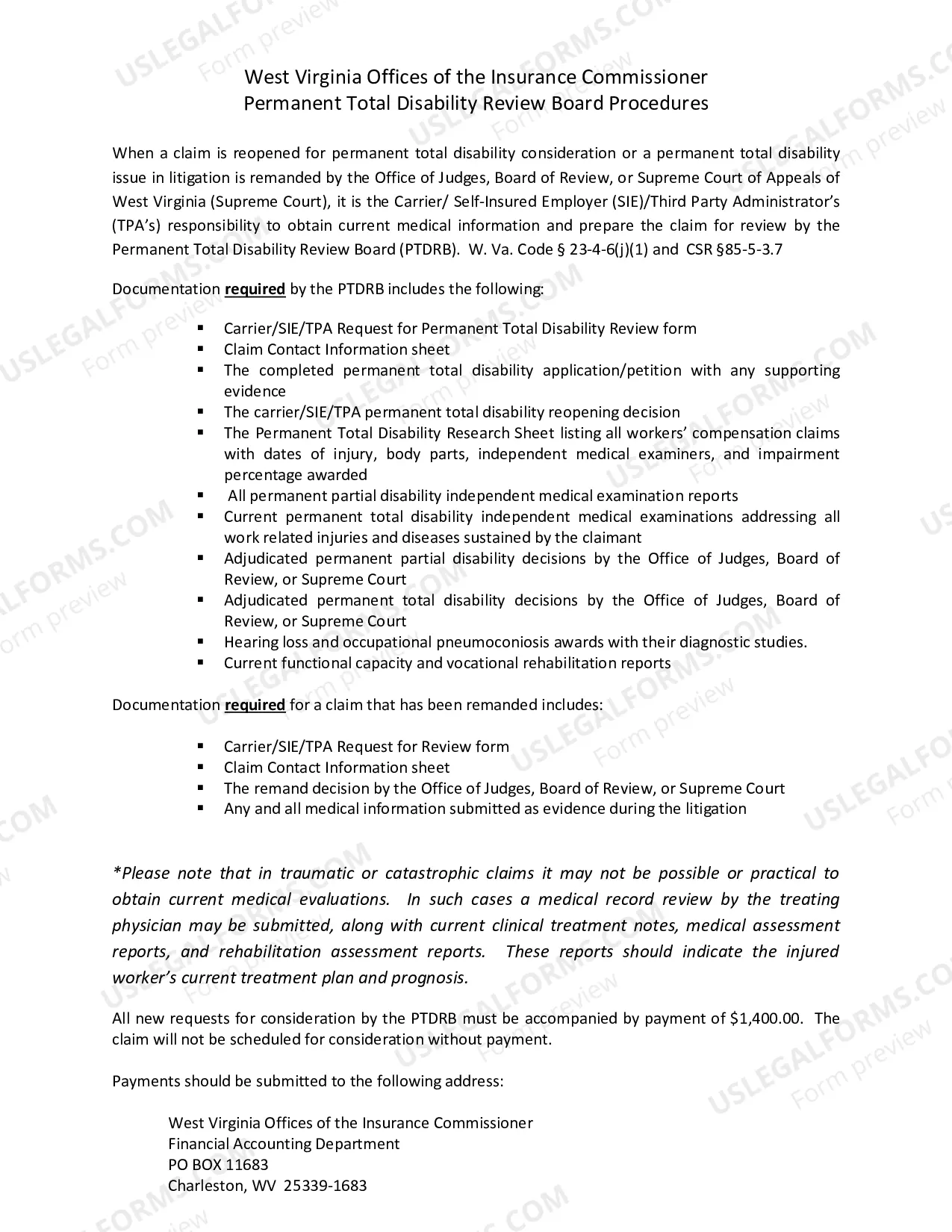
Self-insurance in Virginia is governed primarily by the Virginia Workers’ Compensation Act and overseen by the Virginia Workers’ Compensation Commission (VWC). Specifically, the Commission's Insurance Department evaluates applications and monitors the ongoing solvency of self-insured entities.
To legally self-insure, an employer must apply for and receive a certificate of self-insurance. This certificate is not permanent; it is subject to annual review and can be revoked if the employer’s financial health declines or if they fail to comply with the administrative requirements of the Act. The primary goal of the VWC is to ensure that if a worker is injured, the funds to pay for medical care and lost wages are available regardless of the company's current cash flow.
In 2026, the application process involves a rigorous "evidence gate." Employers must provide audited financial statements for the preceding three to five years. The Commission looks for specific financial ratios, such as debt-to-equity and current liquidity, to ensure the firm can handle a catastrophic loss or a surge in claims without defaulting on its legal obligations to employees.
Individual vs. Group Self-Insurance
There are two primary ways an employer can participate in self-insurance in Virginia. The path chosen usually depends on the size of the company and its risk tolerance.
Individual Self-Insurance
This is typically reserved for large corporations with substantial net worth. Under this model, a single legal entity (or a parent company with its subsidiaries) assumes full responsibility for its claims. Because the financial burden is high, the VWC usually requires these employers to have a significant payroll and a proven track record of safety and financial performance.
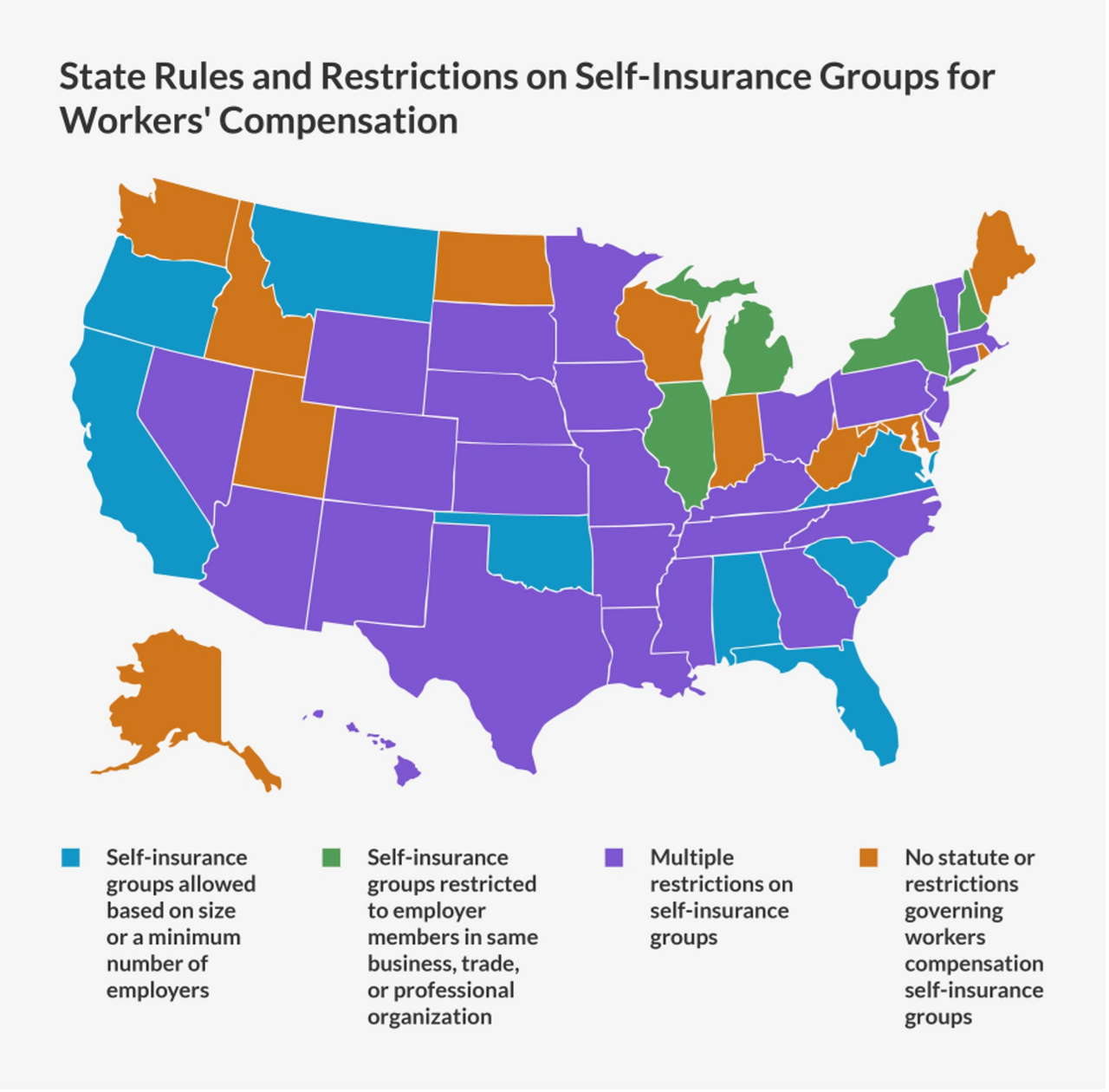
Group Self-Insurance Associations (GSIAs)
For small to medium-sized businesses that cannot meet the massive financial thresholds of individual self-insurance, the GSIA model is an alternative. These are groups of employers within the same or similar industries—such as healthcare, construction, or retail—who pool their risks and resources.
A critical technical aspect of GSIAs is Joint and Several Liability. This means that if one member of the group goes bankrupt and cannot pay its claims, the other members of the group are legally responsible for covering those costs. This creates a high incentive for the group to only admit members with strong safety records and stable financials.
Financial Security and the Role of Bonding
One of the most misunderstood parts of how Virginia self-insured workers' compensation works is the "security" requirement. The VWC does not simply take the company’s word that they have the money.
To protect workers, the Commission requires a security deposit. In 2026, this typically takes one of two forms:
- Surety Bonds: A third-party surety company guarantees that the claims will be paid if the employer fails. The employer pays a premium to the surety company for this bond.
- Irrevocable Letters of Credit (ILOC): A bank provides a guarantee that the VWC can draw upon specific funds if the employer defaults on claim payments.
The amount of the security is not arbitrary. It is calculated based on the employer’s "outstanding liabilities"—the estimated total cost of all current and future claims. For new self-insureds, the VWC often sets a minimum floor (frequently starting at $250,000 or more) to ensure a baseline of protection.
Managing Risk through Excess Insurance
No self-insured employer in Virginia—even the largest—should operate without Excess Insurance. This is a policy purchased from a commercial carrier that acts as a safety net. It is structured around a Self-Insured Retention (SIR), which functions like a massive deductible.
- Specific Excess Insurance: This protects the employer against a single catastrophic claim. For example, if a company has an SIR of $500,000 and a worker suffers a multi-million dollar spinal injury, the employer pays the first $500,000, and the excess carrier pays the remainder.
- Aggregate Excess Insurance: This protects against a high frequency of smaller claims. If the total of all claims in a year exceeds a predetermined limit (the aggregate attachment point), the excess carrier covers the overage.
In 2026, the VWC generally requires proof of excess insurance as a condition of maintaining self-insured status. This ensures that a single industrial disaster doesn't bankrupt the company and leave workers without benefits.
Operational Execution: The Third-Party Administrator (TPA)
While an employer is "self-insured," they rarely handle the day-to-day paperwork themselves. Navigating the Virginia medical fee schedule, filing "First Report of Injury" (FROI) documents, and managing vocational rehabilitation requires specialized knowledge.
Most self-insured entities hire a Third-Party Administrator (TPA). The TPA’s role includes:
- Adjusting claims and determining compensability.
- Communicating with the VWC.
- Negotiating with healthcare providers.
- Issuing indemnity (lost wage) checks to injured workers.
- Managing the employer's "loss runs" (reports detailing claim history).
The TPA ensures the employer remains in compliance with the Virginia Workers’ Compensation Commission Rules, which dictate strict timelines for accepting or denying claims. Failure to meet these timelines can lead to fines or "awards" being entered against the employer by default.
Comparison of Workers' Compensation Models in Virginia
| Feature | Commercial Insurance | Individual Self-Insurance | Group Self-Insurance (GSIA) |
|---|---|---|---|
| Risk Bearer | Insurance Company | The Employer | The Group (Shared) |
| Upfront Cost | Fixed Premium | Administrative Fees + Bond | Membership Dues + Assessments |
| Cash Flow | Predictable (Paid in advance) | Variable (Paid as claims occur) | Semi-predictable |
| Regulation | Bureau of Insurance | VWC Insurance Dept. | VWC Insurance Dept. |
| Liability | Limited to premium | Unlimited (up to excess limit) | Joint and Several Liability |
| Control | Low (Carrier dictates) | High (Employer directs TPA) | Moderate (Board of Trustees) |
The Annual Assessment and Reporting
Being self-insured in Virginia involves an annual financial obligation known as the Administrative Assessment. The VWC is not funded by general tax dollars; it is funded by the entities it regulates.
Each year, self-insured employers must report their total "modified losses" (the amount they paid out in benefits). The Commission then applies a percentage rate to these losses to calculate the assessment fee. This money funds the Commission's operations, the Uninsured Employers Fund, and the Second Injury Fund.
Furthermore, self-insureds must submit annual payroll reports and updated financial statements. If a company's payroll increases significantly, the VWC may demand an increase in the security bond to match the increased exposure.
Common Pitfalls and Challenges
While self-insurance can save a company 15% to 25% in long-term costs by eliminating the commercial insurer's profit margin and taxes, it is not without risks:
- Under-reserving: Failing to accurately estimate the "tail" (future costs) of long-term claims can lead to a sudden financial crisis years later.
- Inadequate Loss Control: Because the employer is paying every dollar of the claim, a poor safety culture directly hits the bottom line. Self-insurance requires an aggressive commitment to safety and "return-to-work" programs.
- Bankruptcy Risks: If an employer enters Chapter 11 or Chapter 7 bankruptcy, their self-insurance status is immediately jeopardized, and the VWC may step in to seize the security bond to pay existing claimants.
Frequently Asked Questions
Can any business in Virginia choose to be self-insured?
Technically, any business can apply, but the financial requirements make it impractical for most. In 2026, unless a company has several million dollars in net worth and a very high annual premium (typically over $250,000–$500,000), the cost of administration, bonding, and excess insurance will likely outweigh the savings of leaving the commercial market.
Does a self-insured employer pay the same benefits as an insurance company?
Yes. The benefits—including medical coverage for life for the injury, two-thirds of the average weekly wage for disability, and vocational rehabilitation—are mandated by the Code of Virginia. Self-insurance only changes who pays the bill, not what the injured worker receives.
What happens if a self-insured employer goes out of business?
The Virginia Workers' Compensation Commission holds the security deposit (bond or letter of credit). If the employer defaults, the VWC uses those funds to continue paying the injured workers. If the security is exhausted, the Uninsured Employers Fund may eventually become responsible, though this is a last resort.
How do I know if my employer is self-insured?
Employers are required to post a "Workers' Compensation Notice" in a conspicuous place at the worksite. This notice should list the name of the insurance carrier or state that the employer is "Self-Insured." You can also verify an employer's insurance status through the Virginia Workers' Compensation Commission's online verification tool.
Is the "Joint and Several Liability" in a GSIA dangerous?
It carries risk. If you are part of a Group Self-Insurance Association and a fellow member fails, the group must cover those costs. However, most GSIAs in Virginia are very well-managed and maintain high standards for membership and significant collective reserves to prevent a "contagion" effect.
Practical Recommendation for Virginia Employers
If your organization is considering transitioning to a self-insured model in 2026, the first step is a formal Feasibility Study. Do not rely on internal accounting alone; hire a qualified actuary to analyze at least five years of your historical loss data. This study will determine your "projected ultimate losses" and help you decide if the potential savings justify the administrative burden and the requirement to tie up capital in a security bond. For most, joining a Group Self-Insurance Association (GSIA) provides a safer middle ground between the rigidity of commercial insurance and the high-stakes exposure of individual self-insurance.
Image Gallery