Why the Kia Rio Dimensions Matter for Your Daily Drive
The Kia Rio’s dimensions matter because they define the vehicle's unique balance between urban maneuverability and interior efficiency. With a wheelbase of 101.6 inches and a compact width of 67.9 inches, the Rio excels in narrow city...
The Kia Rio’s dimensions matter because they define the vehicle's unique balance between urban maneuverability and interior efficiency. With a wheelbase of 101.6 inches and a compact width of 67.9 inches, the Rio excels in narrow city lanes and tight parking spots where larger vehicles struggle, while maintaining a surprisingly spacious cabin for its class.
Contents
In the automotive landscape of 2026, where vehicle sizes continue to trend upward, the subcompact Kia Rio remains a masterclass in spatial economy. Whether you are navigating a used 2023 model or an international variant, understanding the physical footprint of this vehicle is essential for evaluating its role in your daily commute, fuel budget, and overall lifestyle.
The Physical Footprint: Sedan vs. Hatchback
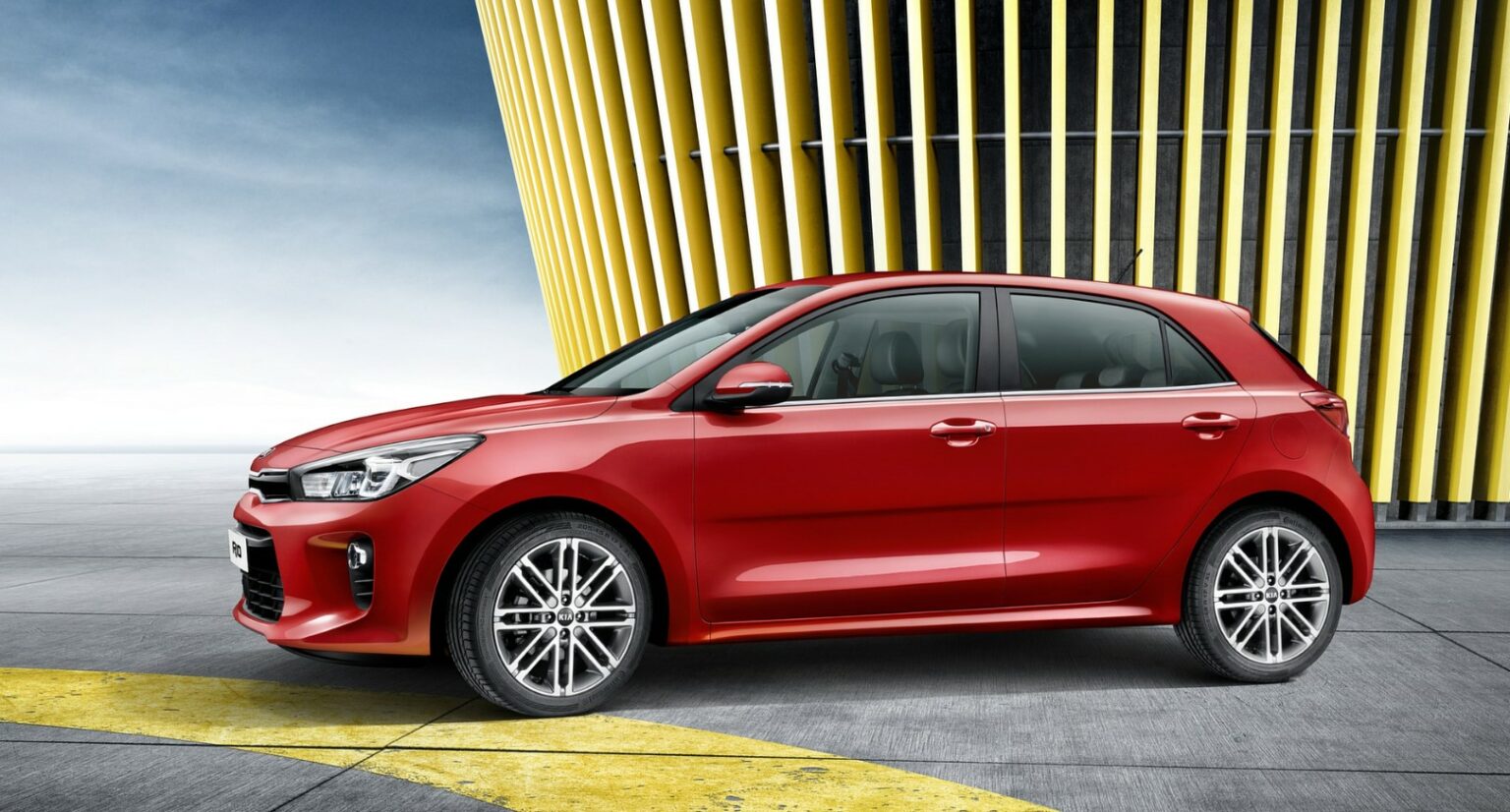
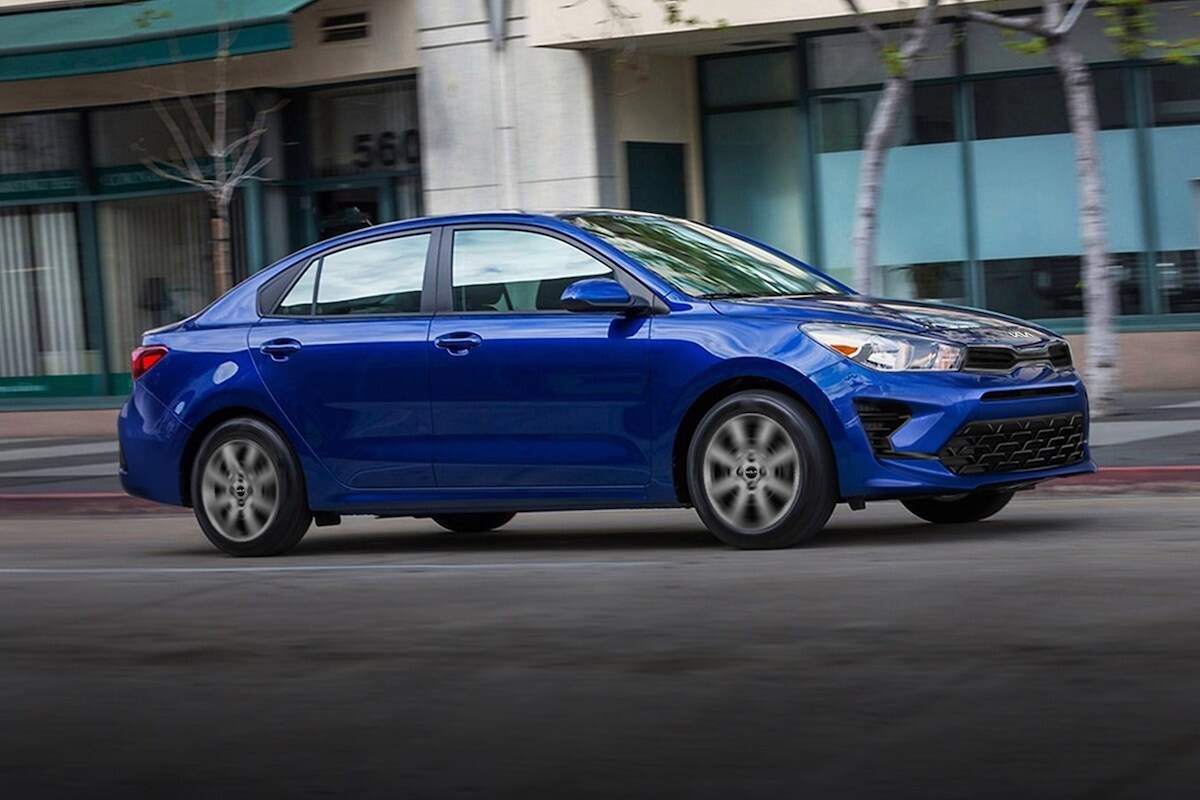
The Kia Rio has historically been offered in two primary body styles: the four-door sedan and the five-door hatchback. While they share the same width and wheelbase, their overall length significantly alters their utility and road presence.
The Sedan’s Profile
The Kia Rio sedan measures approximately 172.6 inches in length. This additional length compared to the hatchback provides a traditional "three-box" silhouette. For the daily driver, this extra length is concentrated in the rear overhang, which creates a dedicated trunk space. While the sedan is still remarkably easy to park, the longer rear requires a slightly larger turning circle and more attention when reversing into tight urban stalls.
The Hatchback’s Compact Utility
Measuring just 160.0 inches, the Rio hatchback is over a foot shorter than its sedan counterpart. This condensed length is the "secret sauce" for city dwellers. A shorter rear overhang means the driver can slot into "compact only" parking spaces that are physically impossible for modern mid-size SUVs or even larger compact cars. In 2026, as urban density increases, these 12 inches of difference can be the factor that determines whether you find a street spot or pay for a commercial garage.
Urban Maneuverability and the "Parking Advantage"
The most immediate impact of the Kia Rio’s dimensions on your daily drive is the reduction of "driving stress" in high-congestion environments.
Turning Radius and Agility
The 101.6-inch wheelbase is the pivot point for the vehicle's agility. A shorter wheelbase allows for a tighter turning radius—typically around 33.5 feet for the Kia Rio. In practical terms, this means fewer multi-point turns when navigating dead-end streets or narrow parking garage ramps. For the daily commuter, this translates to time saved and a reduction in the minor fender-benders that often occur during complex low-speed maneuvers.
Width and Side-Clearance
With a width of 67.9 inches (excluding mirrors), the Rio is notably narrower than the average modern vehicle, which often exceeds 72 inches. This narrow profile is a significant asset when:
- Navigating Construction Zones: Narrower lanes in work zones feel much less intimidating.
- Drive-Thrus and Toll Booths: There is more "margin for error" to avoid curbing the wheels.
- Cyclist Safety: On shared city roads, the Rio occupies less of the lane, providing a safer buffer for cyclists and pedestrians.
Interior Geometry: The "Tardis" Effect
A common mistake is assuming that small exterior dimensions equate to a cramped interior. Kia engineers utilized a "wheels-to-the-corners" design philosophy to maximize the cabin's volume.
Front Row Ergonomics
The Rio offers approximately 38.9 inches of front headroom and 42.1 inches of front legroom. These dimensions are competitive even with vehicles in the class above (compact cars). For the daily driver, this means that even taller operators can maintain a comfortable driving posture without feeling "boxed in." The width of the cabin is optimized through the use of slim door panels, ensuring that shoulder room (54.1 inches) remains adequate for two adults without constant elbow contact.
Rear Seat Reality
The rear dimensions are where the subcompact nature is most apparent. With 33.5 inches of rear legroom, the Rio is best suited for children, groceries, or short trips for adults. If your daily drive involves a carpool with four adults, the Rio’s rear dimensions will require the front passengers to slide their seats forward, potentially compromising their own comfort. However, for a solo commuter or a small family, the interior volume is perfectly tuned to the task.
Cargo Capacity and Daily Utility
The dimensions of the cargo area determine what you can actually do with the car on the weekends. There is a distinct trade-off between the two body styles that every buyer should consider.
| Dimension / Feature | Rio Sedan (4-Door) | Rio Hatchback (5-Door) |
|---|---|---|
| Length | 172.6 inches | 160.0 inches |
| Cargo Volume (Seats Up) | 13.7 cu. ft. | 17.4 cu. ft. |
| Cargo Volume (Seats Down) | N/A (Fixed Bulkhead) | 32.8 cu. ft. |
| Opening Style | Narrow Trunk Lid | Wide Tailgate |
| Loading Height | Lower | Moderate |
The Trunk vs. The Tailgate
The sedan's 13.7 cubic feet of trunk space is generous for a subcompact, offering enough depth for three or four carry-on suitcases. The primary limitation is the trunk opening itself, which is narrow. You may have the volume for a large box, but the opening might not allow it through.
Conversely, the hatchback’s dimensions provide 17.4 cubic feet with the seats up. The real advantage is the vertical height. Because the roofline continues further back, you can stack items higher. When the 60/40 split-folding rear seats are down, the 32.8 cubic feet of space transforms the Rio into a mini-cargo van, capable of transporting small furniture or a bicycle (with the front wheel removed).
Dimensions and the Economics of Driving
The physical size of the Kia Rio has a direct, measurable impact on your wallet through fuel efficiency and maintenance costs.
Aerodynamics and Fuel Economy
A smaller frontal area (the height times the width) results in less aerodynamic drag. The Kia Rio’s height of 57.1 inches keeps its center of gravity low and its "wind signature" small. Combined with a curb weight that typically stays under 2,800 lbs, the engine has less mass to move and less air to push through. This is why the Rio consistently achieves over 40 MPG on the highway in real-world 2026 testing—outperforming many larger, more expensive hybrids.
Maintenance and Component Wear
Larger, heavier vehicles put more stress on their tires, brakes, and suspension components. The Rio’s light footprint means:
- Tire Longevity: Less weight results in slower tread wear.
- Braking Efficiency: Small dimensions mean smaller brake rotors and pads can stop the car more effectively, often lasting longer than those on heavier crossovers.
- Insurance Premiums: Many insurers categorize vehicles by size and weight. A subcompact like the Rio often qualifies for lower liability rates because it is perceived as causing less damage in a collision compared to a 5,000-lb SUV.
Garage and Driveway Considerations
For many homeowners and apartment dwellers, the Kia Rio’s dimensions are the difference between "parking inside" and "parking on the street."
Standard modern garages are often encroached upon by water heaters, storage shelves, or workbenches. A full-size truck or a large SUV often leaves only inches of clearance, making it difficult to even open the vehicle doors once parked. The Rio’s 160–172 inch length allows for significant "buffer space" at the front and rear of a standard 20-foot garage. This extra space facilitates easy movement around the vehicle and reduces the risk of door dings against garage walls.
Frequently Asked Questions
Can a Kia Rio fit a rear-facing car seat?
Yes, but it requires careful management of front-seat dimensions. Because the rear legroom is 33.5 inches, a rear-facing car seat will usually require the front passenger seat to be moved significantly forward. It is highly recommended to test your specific car seat model in the vehicle, as the angle of the seat base can affect how much room is left for the front passenger.
Is the Kia Rio too small for highway driving?
While the Rio’s small dimensions make it a city star, it is fully capable of highway speeds. Its 101.6-inch wheelbase provides enough stability for comfortable cruising, though it will feel the effects of crosswinds and "truck wash" (the air pushed by semi-trucks) more than a heavier vehicle would. In 2026, the inclusion of modern safety tech like Lane Keeping Assist in later models helps mitigate the "small car" feel on long stretches of pavement.
How does the Rio's width affect three passengers in the back?
The rear hip room is approximately 52.4 inches. While the car is belted for three passengers in the rear, sitting three adults abreast is quite tight and generally only recommended for very short trips. For daily use, the rear is realistically a two-passenger zone.
Does the low ground clearance matter for daily driving?
The Kia Rio has a ground clearance of approximately 5.5 inches. This is standard for a subcompact car but lower than a crossover. This dimension matters if your daily drive involves steep driveway transitions, high speed bumps, or unplowed snow. Drivers should approach deep puddles or significant road debris with more caution than they would in a lifted vehicle.
Which is better for a tall driver: the Sedan or the Hatchback?
Both models offer identical front-row dimensions, including 38.9 inches of headroom. However, some drivers find the hatchback feels more "airy" due to the extended roofline and the rear window placement, which can slightly improve rearward visibility.
Final Recommendation for the Daily Driver
If your daily life involves navigating tight urban corridors, managing a strict fuel budget, or dealing with limited parking, the Kia Rio’s dimensions are its greatest asset. When choosing between the two, prioritize the hatchback if you frequently carry bulky items or need the easiest possible parking experience. Choose the sedan if you prefer a traditional trunk for security and a slightly more "grown-up" aesthetic.
In 2026, as the "bigger is better" trend persists, the Kia Rio stands as a practical reminder that the right dimensions—rather than the largest ones—are what truly improve the quality of a daily commute. For those looking to maximize value, measuring your garage and your most frequent cargo (like gym bags or strollers) against these specs will confirm why this subcompact remains a top choice in the pre-owned and international markets.
Image Gallery