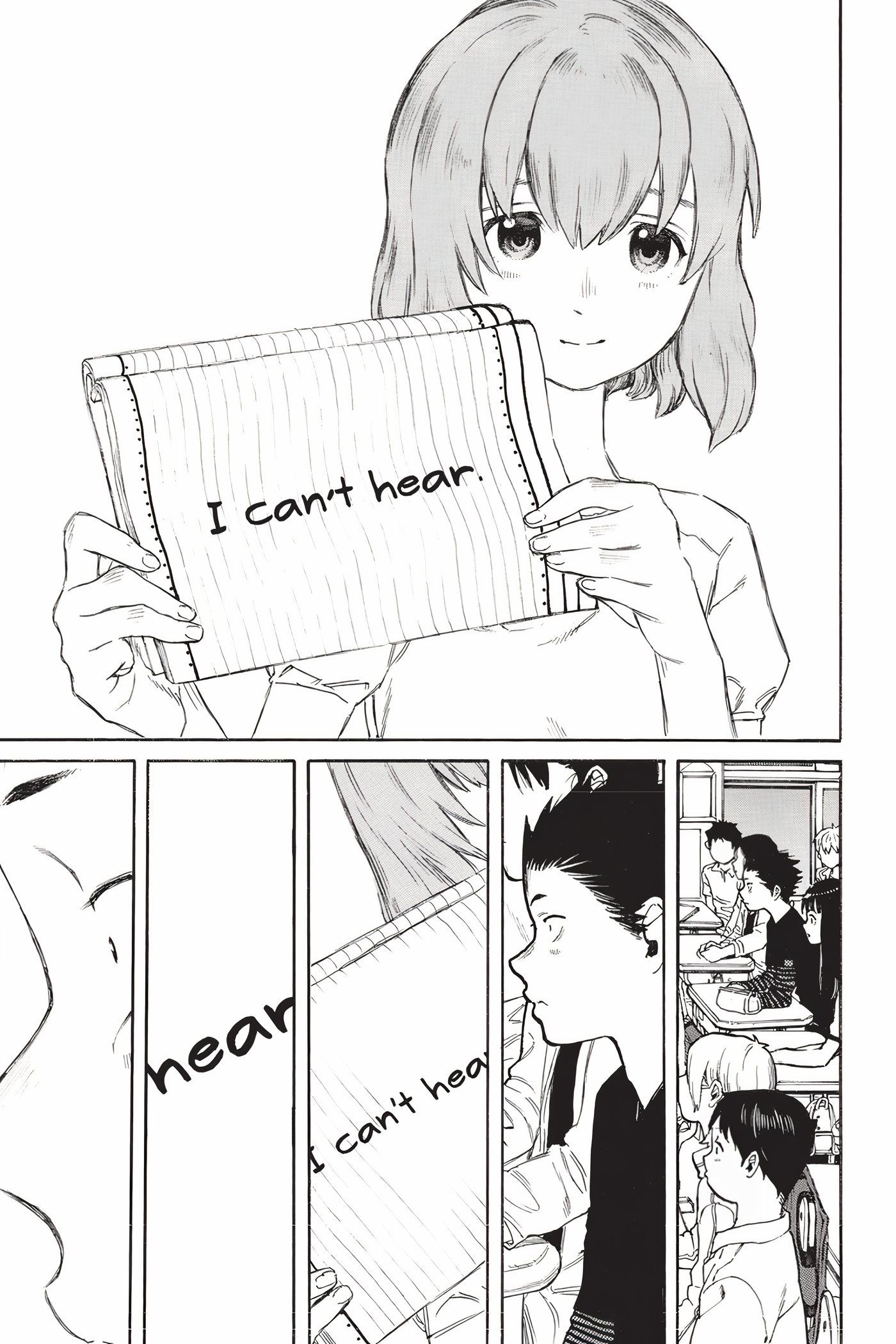
The Hidden Faces in a Silent Voice: Deconstructing Identity, Marginalization, and Expression
"The hidden faces in a silent voice" captures the complex interplay between internal isolation, unspoken communication, and the overlooked identities within narratives of disability, emotional suppression, and social exclusion. Rather...
"The hidden faces in a silent voice" captures the complex interplay between internal isolation, unspoken communication, and the overlooked identities within narratives of disability, emotional suppression, and social exclusion. Rather than referencing a single pop-culture entity, this theme examines how individuals who are structurally or psychologically silenced project alternative identities, emotional subtexts, and overlooked human experiences through non-verbal mediums.
Contents
Conceptual Framework: Defining the Silent Voice
The concept of a "silent voice" operates as a foundational paradox across literature, sociology, and psychological analysis. When an individual lacks literal speech or chooses voluntary or enforced silence, society often commits the error of assuming an absence of interiority. However, human expression extends far beyond oral articulation.
Non-Verbal Semiotics and Expressive Architecture
Communication relies heavily on kinesics, proxemics, and micro-expressions. When verbal channels close, these non-verbal mechanisms amplify. The "hidden faces" refer to the multifaceted emotional states—guilt, anxiety, resilience, and longing—that individuals harbor beneath a calm or expressionless exterior.
In clinical psychology, alexithymia and selective mutism force individuals to construct elaborate internal landscapes. The hidden faces emerge when observers look past the surface presentation to decode behavioral anomalies, artistic creations, or written testimonies.
The Sociology of Marginalization
Sociologically, a silent voice often belongs to marginalized populations. These groups experience systemic disenfranchisement that strips away their public platform, forcing them to communicate through subcultural codes, art, or quiet endurance. Recognizing the hidden faces within these populations requires moving past token representation to examine systemic barriers that enforce silence in the first place.
Psychological Dimensions of Hidden Identity
Exploring the interior lives of those who communicate without conventional speech reveals deep psychological mechanisms. People adapt to environments where their voices are ignored or suppressed by developing layered defensive structures and rich inner lives.
Persona Construction and the Social Mask
Drawing from Carl Jung’s archetype of the persona, the silent individual often wears a socially acceptable mask to navigate hostile or uncomprehending environments. Behind this mask lies the authentic, suppressed self—the "hidden face."
- The Adaptive Mask: Designed to blend in, avoid conflict, or meet external expectations of compliance.
- The Internal Refuge: A psychological sanctuary where unexpressed thoughts, creative ideas, and emotional processing occur away from public scrutiny.
- The Rupture Point: The critical juncture where the mask cracks, revealing the true emotional weight of sustained silence to the outside world.
The Impact of Enforced Silence on Mental Health
Prolonged lack of communicative agency frequently leads to psychological distress. Without an outlet for validation, individuals internalize external pressures. Understanding this dynamic requires examining how therapeutic interventions, expressive arts, and supportive communities help individuals reclaim their narrative agency without necessarily forcing them into conventional speech patterns.
Artistic and Narrative Manifestations
Creators across literature, cinema, and visual arts frequently explore the tension between what is spoken and what is hidden. The motif of the silent communicator serves as a powerful narrative device to critique societal superficiality.
Comparative Analysis of Expressive Mediums
| Medium | Mechanism of Silence | Revelation of Hidden Faces | Primary Impact on Audience |
|---|---|---|---|
| Visual Art | Static imagery, color theory, symbolic composition | Micro-expressions, brushwork texture, subtextual positioning | Evokes empathy through contemplative observation |
| Cinema | Minimalist dialogue, lingering close-ups, sound design | Eye movements, posture shifts, environmental interaction | Highlights emotional truth over verbal exposition |
| Literature | Internal monologue, unreliable narration, omitted details | Contradictions between action and stated intent | Encourages active decoding of character psychology |
The Power of Subtext in Storytelling
In modern narratives, characters who struggle with vocal expression challenge audiences to pay attention to details. When dialogue is stripped away, the audience must rely on environmental context, pacing, and subtle behavioral shifts. This narrative approach mirrors real-world human interactions, where the most important truths are often left unsaid.
Societal and Technological Shifts in Amplifying Quiet Voices
As communication structures evolve in the digital age, new avenues emerge for marginalized and silent individuals to project their identities.
Augmentative and Alternative Communication (AAC)
Technological advancements in AAC devices have revolutionized how non-verbal individuals interact with society. These tools bridge the gap between internal thought and external expression, allowing hidden faces to step into the light of active dialogue.
Digital Communities and Anonymity
Online spaces offer unique environments where individuals who struggle with verbal communication in physical settings can find peer support. Text-based forums and asynchronous communication models level the playing field, emphasizing intellectual and emotional contributions over oral fluency.
Common Misconceptions About Silent Communication
Misunderstandings surrounding silent individuals often perpetuate isolation. Addressing these misconceptions is vital for fostering inclusive environments.
- Misconception 1: Silence equals agreement or contentment.
- Reality: Silence frequently indicates exhaustion, fear, processing delays, or acute alienation rather than satisfaction.
- Misconception 2: Non-verbal individuals lack complex inner thoughts.
- Reality: Cognitive capacity and emotional depth operate independently of verbal articulation channels.
- Misconception 3: Forcing speech cures isolation.
- Reality: Coercive communication demands often increase anxiety and drive individuals further behind their protective masks.
Practical Guidance for Engaging with Silent Communicators
Interacting effectively with individuals who communicate primarily through non-verbal means requires patience, observation, and respect for personal boundaries.
- Observe Contextual Cues: Pay attention to body language, environmental adjustments, and timing rather than waiting solely for verbal input.
- Respect the Pace: Allow individuals adequate time to process thoughts and formulate responses through their chosen medium.
- Validate Alternative Expressions: Acknowledge art, writing, and bodily gestures as legitimate forms of communication rather than demanding conformity to neurotypical or oral standards.
- Create Safe Environments: Minimize sensory and social pressures that force individuals into defensive silence.
Frequently Asked Questions
What does the phrase "hidden faces in a silent voice" mean?
It is a conceptual exploration of the complex identities, emotions, and interior lives that exist beneath the surface of individuals who do not or cannot use conventional speech. It highlights how human expression survives through non-verbal and artistic channels.
How do individuals communicate effectively without verbal speech?
Individuals utilize augmentative and alternative communication (AAC) devices, written text, sign language, body language, artistic creation, and digital platforms to convey their thoughts, needs, and emotional states.
Why is recognizing non-verbal subtext important in psychology?
Recognizing non-verbal subtext allows clinicians, educators, and loved ones to identify underlying distress, trauma, or unexpressed potential that a person may be unable or unwilling to articulate verbally.
What are the main barriers faced by people with silent or suppressed voices?
Primary barriers include social stigma, assumptions of cognitive limitation, lack of accessible communication infrastructure, and environments that penalize non-conformity to standard verbal communication norms.
How can society better support marginalized individuals who struggle with vocal expression?
Society can improve support by expanding access to AAC technologies, promoting inclusive education, validating diverse communication styles, and creating safe, low-pressure spaces for social interaction.
Next Steps for Further Exploration
To deepen your understanding of silent communication and marginalized identities, examine resources on augmentative communication technologies, study semiotics and non-verbal communication frameworks, or explore literature and cinema focused on characters navigating selective mutism and neurodivergence. Cultivating active observation skills in everyday interactions will help uncover the rich narratives hidden beneath quiet exteriors.
Image Gallery