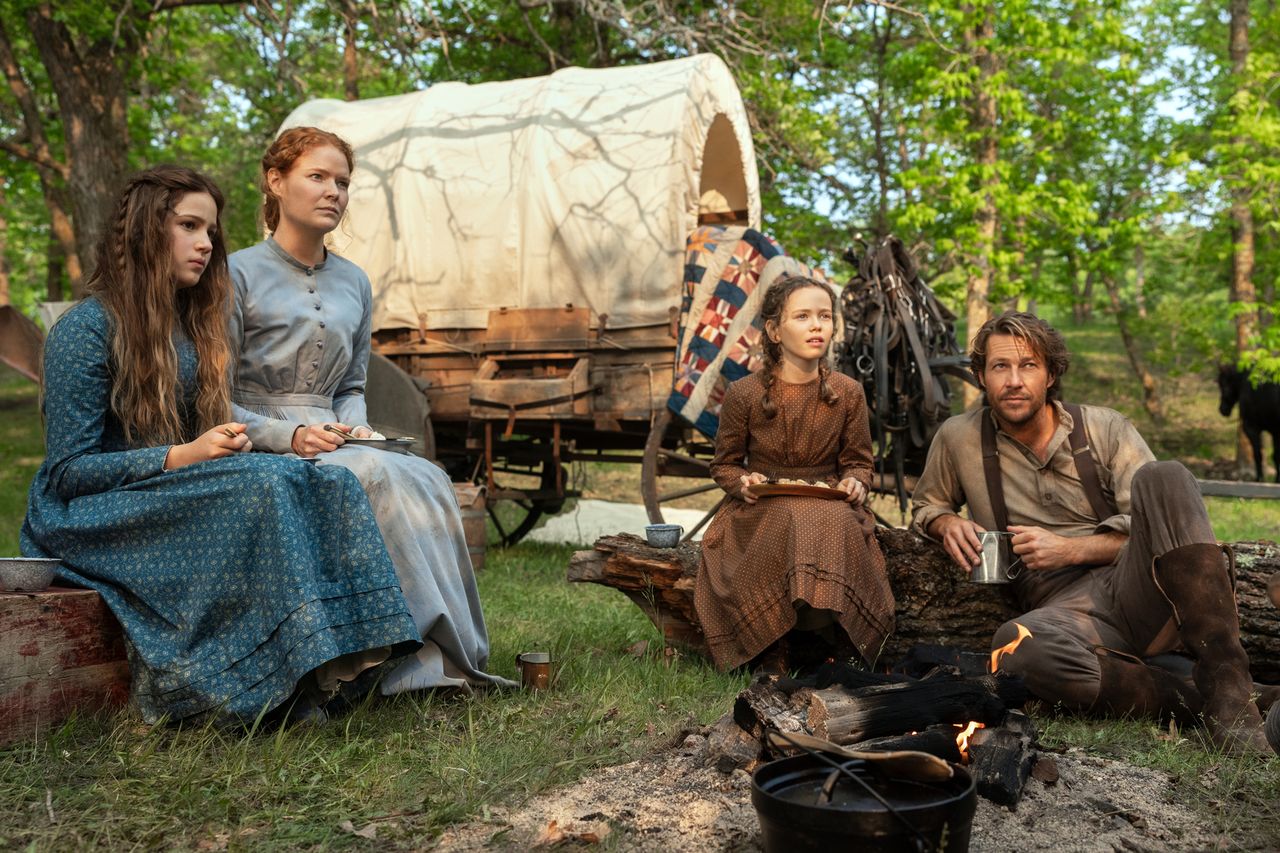
Charles "Pa" Ingalls: The Life and Legacy of the Little House Patriarch
Charles Philip Ingalls, widely known as "Pa" from the Little House on the Prairie series, was the real-life pioneer father of author Laura Ingalls Wilder. A frontiersman, farmer, and musician, he moved his family across the American Mi...
Charles Philip Ingalls, widely known as "Pa" from the Little House on the Prairie series, was the real-life pioneer father of author Laura Ingalls Wilder. A frontiersman, farmer, and musician, he moved his family across the American Midwest during the late 19th century, embodying the spirit of the Homestead Act and Western expansion.
Contents
While many audiences recognize Mr. Ingalls through the lens of Michael Landon’s portrayal in the long-running television series or the semi-autobiographical novels by his daughter, the historical Charles Ingalls was a complex figure. His life was defined by a constant "wanderlust"—a desire to move westward ahead of the encroaching "civilization"—and a profound devotion to his family’s survival in the face of extreme environmental and economic hardships. To understand Mr. Ingalls is to understand the quintessential American pioneer experience of the 1870s and 1880s.
The Early Life of Charles Philip Ingalls
Charles Philip Ingalls was born on January 10, 1836, in Cuba, New York. He was the second of nine children born to Lansford Whiting Ingalls and Laura Louise Colby Ingalls. His family had deep roots in New England, but like many during the mid-19th century, they were drawn to the promise of the frontier.
During his youth, the Ingalls family moved from New York to Illinois and eventually to the tall-grass prairies of Wisconsin. This upbringing in a mobile, labor-intensive household instilled in Charles the skills necessary for survival: carpentry, hunting, trapping, and subsistence farming. On February 1, 1860, he married Caroline Lake Quiner in Brookfield, Wisconsin. Caroline, often referred to as "Ma," provided the steady, domestic counterpart to Charles’s restless spirit. Together, they would have five children: Mary Amelia, Laura Elizabeth, Caroline "Carrie" Celestia, Charles Frederick (who died in infancy), and Grace Pearl.
The Reality of the Pioneer "Wanderlust"
The most defining characteristic of Mr. Ingalls, both in literature and history, was his inability to stay in one place for long. This trait is often romanticized as a love for the "wild," but it was also driven by the economic realities of the 19th century. Charles was constantly seeking better soil, fewer neighbors, and a chance to "get ahead" of his debts.
The Move to Kansas (The True "Little House on the Prairie")
In 1869, Charles moved his family from the "Big Woods" of Wisconsin to the open prairies of Kansas. This move is the subject of the most famous book in the series. However, the historical reality was fraught with legal peril. The Ingalls family settled on the Osage Diminished Reserve, land that legally belonged to the Osage Nation.
Charles believed—erroneously or prematurely—that the government would soon open this land to white settlement and remove the indigenous population. When it became clear that the U.S. Army would forcibly remove settlers who had illegally occupied the land, Charles chose to move back to Wisconsin rather than risk a confrontation. This period highlights the moral and legal complexities of the Homesteading era, where pioneers like Ingalls were often the "foot soldiers" of expansionism, frequently clashing with both federal law and Native American sovereignty.
The Grasshopper Plague and Economic Hardship in Minnesota
After returning to Wisconsin and then moving to Walnut Grove, Minnesota, in 1874, Charles faced his greatest agricultural challenge. The family settled in a dugout on the banks of Plum Creek. Charles’s hopes for a bumper wheat crop were destroyed by the Great Grasshopper Plague of the 1870s. For several consecutive years, Rocky Mountain locusts descended upon the Midwest, devouring every green thing in sight.
To support his family, Charles was forced to walk hundreds of miles eastward to find work on farms that had been spared the plague. This era of his life, which included a brief and unsuccessful stint as a hotel manager in Burr Oak, Iowa, showcases the extreme vulnerability of pioneer families. The image of the self-sufficient farmer was often a myth; men like Charles Ingalls frequently relied on seasonal labor and credit to keep their families fed.
The Fiddle: A Symbol of Resilience
One of the most enduring elements of the Mr. Ingalls persona is his fiddle. In both the books and the television show, the music provided by Charles is the emotional glue of the family. Historically, this is accurate. Charles was an accomplished amateur violinist who used music to soothe his children during blizzards, celebrate holidays, and provide a sense of culture in the middle of the wilderness.
The songs he played—ranging from "Pop Goes the Weasel" to hymns and Scottish ballads—were more than just entertainment. In the isolation of a prairie claim, music was a primary tool for psychological survival. When Laura Ingalls Wilder wrote her books decades later, she used the lyrics of her father’s songs to structure the narrative and evoke the specific atmosphere of their pioneer home.
Charles Ingalls in De Smet, South Dakota
The final chapter of Charles’s life began in 1879 when he took a job with the railroad in the Dakota Territory. This move led the family to De Smet, South Dakota, where they would finally put down permanent roots. Charles filed for a formal homestead claim and a timber claim.
The "Hard Winter" of 1880–1881 in De Smet remains one of the most harrowing accounts in American frontier literature. Charles’s ingenuity and physical strength were tested as the town was cut off from supplies for months. He famously twisted hay into "sticks" to provide fuel for heat and helped manage the meager rations of wheat that kept the town from starving.
As he aged, the physical toll of farming became too great. Charles eventually sold his farm and moved the family into the town of De Smet. There, he served in various civic roles, including Justice of the Peace and Town Deputy, finally trading the plow for a more settled life in the community he helped build.
Comparing the Real Charles Ingalls vs. the TV Portrayal
For many, the image of Mr. Ingalls is inseparable from actor Michael Landon. While the TV series captured the "spirit" of the family, it took significant liberties with the historical record to suit the needs of a 1970s and 80s television audience.
| Feature | Historical Charles Ingalls | Michael Landon’s "Pa" |
|---|---|---|
| Physical Appearance | Shorter stature, eventually wore a full beard (mostly dark/grey). | Tall, athletic, clean-shaven or light stubble, famous thick hair. |
| Economic Status | Frequently struggled with debt and crop failure; moved often. | More stable; portrayed as a central pillar of the Walnut Grove economy. |
| Community Role | Often a solitary worker; became a civic leader only in late life. | Highly active in town politics and church affairs from the start. |
| Family Size | Had five children, including a son who died in infancy. | Had several biological children and adopted multiple others in the show. |
| Personality | Known for a restless "wanderlust" and a quiet, firm demeanor. | More outgoing, prone to emotional speeches and moral lessons. |
The Death and Legacy of a Pioneer
Charles Ingalls died on June 8, 1902, at the age of 66, in De Smet, South Dakota. The cause of death was attributed to cardiovascular disease (heart trouble). He was buried in the De Smet Cemetery, where most of the Ingalls and Wilder families eventually found their final resting places.
As of 2026, the legacy of Mr. Ingalls continues to be a subject of fascination for historians and fans alike. His life serves as a primary source for understanding the Homestead Act of 1862 and the social fabric of the American West. While his daughter Laura is the famous narrator, Charles is the engine of the story—the one whose decisions, for better or worse, dictated the family's destiny.
Modern scholarship often views Charles through a more critical lens than the 20th-century books did, noting the impact of his settlement on indigenous lands. However, his story remains a powerful testament to the grit required to survive the transition from a wild frontier to a settled agricultural society.
Frequently Asked Questions
What was the real reason Charles Ingalls moved so often?
While the books suggest it was a love for the "wild," the primary drivers were economic. Charles often struggled to make a profit from farming due to poor weather, locusts, and high debt. Moving was frequently an attempt to find better land or to escape creditors and start fresh under the Homestead Act.
Did Charles Ingalls actually play the fiddle?
Yes. The fiddle was a prized possession of the real Charles Ingalls. The actual fiddle he played is currently preserved and on display at the Laura Ingalls Wilder Museum in Mansfield, Missouri. It is occasionally played for special commemorative events.
How many of the "Little House" locations can you visit today?
As of 2026, several key locations are open to the public as historical sites. These include the "Big Woods" site in Pepin, Wisconsin; the "Plum Creek" site in Walnut Grove, Minnesota; the museum in Burr Oak, Iowa; and the extensive homestead and town sites in De Smet, South Dakota.
Did Charles Ingalls have a son?
Yes, Charles and Caroline had a son named Charles Frederick "Freddie" Ingalls, born in 1875. Tragically, he died at nine months of age while the family was moving from Minnesota to Iowa. He is the only Ingalls child not featured as a character in the core television series, though he is mentioned in the memoirs and books.
Was Charles Ingalls a successful farmer?
By modern standards, his farming career was a mix of failure and survival. He rarely achieved the financial independence he sought through crops. However, he was a successful "pioneer" in the sense that he secured land, provided for his daughters' educations (especially Mary’s tuition at the school for the blind), and established a permanent home in De Smet.
Practical Guidance for Fans and Historians
If you are researching the life of Mr. Ingalls or planning a visit to the historical sites, consider the following steps to ensure an accurate experience:
- Read the Memoirs: Beyond the fictionalized Little House books, read Pioneer Girl, the annotated autobiography of Laura Ingalls Wilder. It provides a much more gritty and realistic look at her father’s life and decisions.
- Verify Site Hours: Sites in De Smet and Walnut Grove are often seasonal. Check official museum websites before visiting, as many close or have limited hours during the winter months.
- Consult the Library of Congress: For those interested in the legal aspects of his land claims, the Library of Congress digitizes records related to the Homestead Act and 19th-century land surveys.
- Listen to the Music: There are several recordings available that feature the specific songs mentioned in the Ingalls' journals, performed on period-accurate instruments. This provides a sensory connection to the "Pa" of the 1800s.
Image Gallery