What Documents from the Workers’ Compensation Appeals Board Reveal About Your Case
Papers received from a Workers’ Compensation Appeals Board (WCAB) provide official judicial notification regarding the legal status, procedural schedule, and binding outcomes of a workplace injury claim. These documents reveal critical...
Papers received from a Workers’ Compensation Appeals Board (WCAB) provide official judicial notification regarding the legal status, procedural schedule, and binding outcomes of a workplace injury claim. These documents reveal critical details including official case numbers, scheduled court hearings, judge assignments, contested legal issues, evidentiary summaries, and enforceable judicial rulings such as Findings and Awards or settlement approvals.
Contents
The Workers’ Compensation Appeals Board operates as a specialized state administrative court. Unlike routine correspondence from an insurance adjuster, papers issued by or filed with the Appeals Board carry judicial weight. Understanding what these documents contain, what rights they grant, and what deadlines they trigger is essential for navigating disputed compensation claims effectively.
The Judicial Role of the Workers’ Compensation Appeals Board
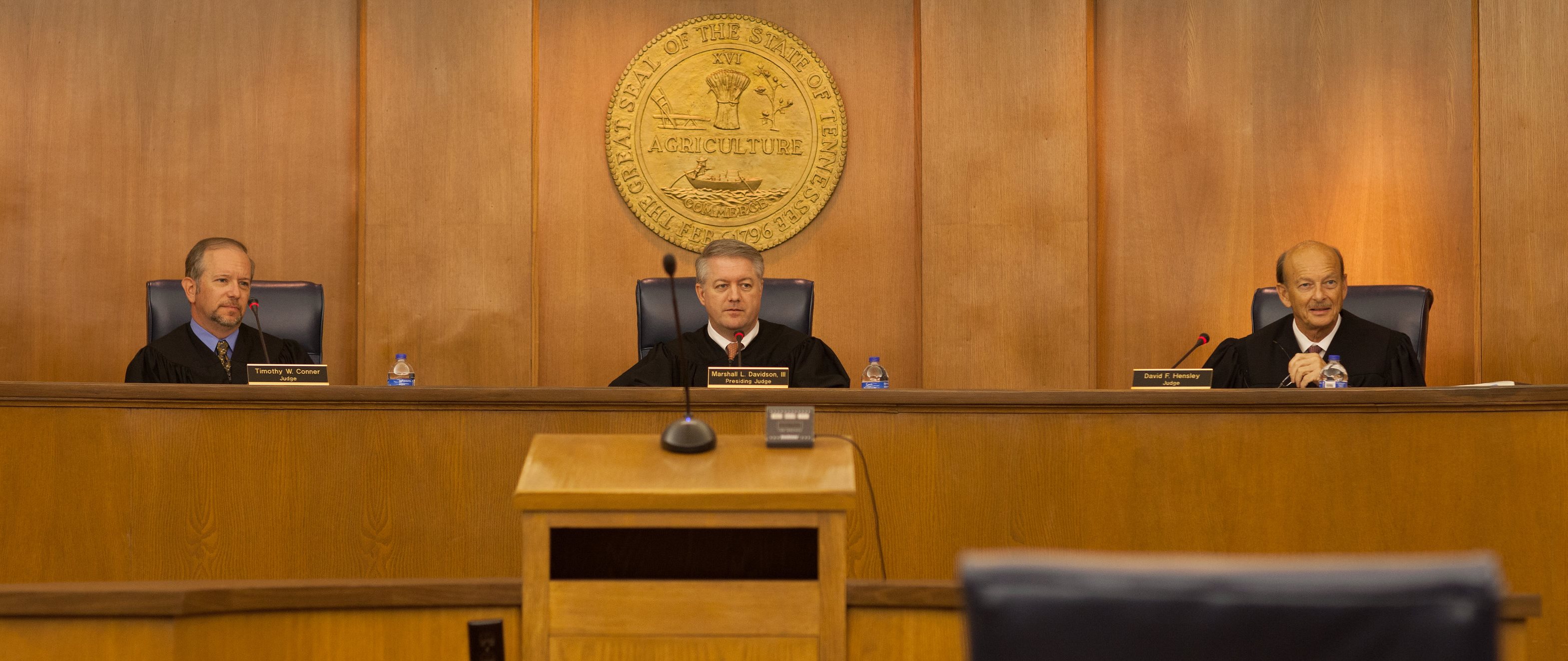
When an injured employee and an employer's insurance carrier cannot reach an agreement regarding benefits, medical care, or disability ratings, the dispute transitions from an administrative claim to a formal legal proceeding. The Workers' Compensation Appeals Board (WCAB)—most prominently recognized in states such as California, though similar administrative appellate tribunals exist across various state jurisdictions—exercises judicial authority over these contested matters.
Official mail bearing the letterhead of the Appeals Board or an administrative law judge (ALJ) signifies that your case is formally part of the state judicial system. These papers document legal actions taken by a Workers' Compensation Administrative Law Judge, court clerks, or opposing attorneys. Ignoring or misunderstanding court correspondence can result in lost benefits, dismissed claims, or missed legal deadlines.
Key Papers Issued by the WCAB and What They Show
The documents you receive from the WCAB fall into several distinct categories based on whether they open a case, schedule court events, summarize legal proceedings, or issue binding determinations.
1. Application for Adjudication of Claim
The Application for Adjudication of Claim is the formal document that opens a court file with the Appeals Board.
- What it reveals: This document establishes official tribunal jurisdiction over your injury. It assigns a unique judicial case identifier (such as an ADJ number), identifies the applicant (worker) and defendants (employer and insurance carrier), details the date and nature of the industrial injury, lists the specific body parts affected, and states the unresolved issues requiring judicial resolution.
- Why it matters: Once this document is filed and served, the WCAB has formal authority to resolve disputes, issue subpoenas, schedule hearings, and approve legal settlements.
2. Notice of Hearing
A Notice of Hearing is an official court summons generated by the WCAB clerk outlining an upcoming legal appearance before an administrative law judge.
- What it reveals: It specifies the exact date, time, and format of the appearance (in-person court venue or virtual/telephonic hearing), the assigned judge, the hearing type (such as a Mandatory Settlement Conference, Status Conference, or Trial), and the location of the court department.
- Why it matters: Attendance at scheduled hearings is legally mandatory. Failure of an injured worker or their legal representative to appear can lead to the cancellation of requested relief, sanctions, or dismissal of the case.
3. Minutes of Hearing and Summary of Evidence
Following a tribunal appearance or trial, the presiding judge or official reporter generates the Minutes of Hearing and Summary of Evidence.
- What it reveals: This document acts as the court’s formal written transcript or official record of what occurred during the hearing. It outlines legal appearances made by counsel, formal stipulations agreed to by both sides, specific issues framed for trial, marked evidence (such as medical-legal reports and deposition transcripts), witness testimony summaries, and the judge's procedural directives or submission orders.
- Why it matters: The summary of evidence forms the factual foundation upon which the judge bases their decision. Reviewing this document allows parties to verify that witness statements and medical evidence were accurately captured in the official record.
4. Findings and Award (or Findings and Order)
A Findings and Award (F&A) or Findings and Order (F&O) is the official judicial decision issued by an administrative law judge after a case is submitted for trial judgment.
- What it reveals:
- Findings of Fact: The judge’s formal rulings on disputed legal points, such as whether the injury occurred during employment (AOE/COE), the exact percentage of Permanent Partial Disability (PPD), or the need for ongoing medical treatment.
- Award/Order: The specific financial or medical remedy granted, detailing weekly benefit rates, statutory interest, attorney fee deductions, and lifetime medical care rights—or conversely, an order denying compensation if the claim was unproven.
- Why it matters: An Award is a legally enforceable court judgment. Insurance carriers must comply with its terms unless they file a timely legal appeal.
5. Settlement Approvals: Compromise & Release vs. Stipulations with Request for Award
Settlement agreements negotiated between parties are not legally binding until an administrative law judge reviews and approves them.
- Compromise and Release (C&R) Order: Shows that the court has approved a lump-sum financial settlement that completely closes the case, usually releasing the insurer from future medical coverage obligations in exchange for a negotiated payout.
- Stipulations with Request for Award Order: Shows that the judge has approved an agreement where the insurer agrees to pay a specific permanent disability percentage in bi-weekly payments while leaving the worker’s right to open-ended, case-related medical care intact.
6. Order Dismissing Case or Order of Intent
An Order of Intent to Dismiss or a Final Order of Dismissal signals that the court plans to, or already has, closed the legal case without an award.
- What it reveals: Usually issued when a case has been inactive for an extended period, when a party fails to prosecute their claim, or when a procedural rule has been breached.
- Why it matters: An Order of Intent typically gives the recipient a short window (often 10 to 30 days) to file a formal written objection detailing good cause why the case should remain open.
Comparison Matrix: WCAB Documents and Action Requirements
The following table summarizes the primary documents sent by or filed with the Workers’ Compensation Appeals Board, outlining their core contents and the necessary immediate actions.
| Document Name | Issued By | Primary Information Shown | Critical Action Required |
|---|---|---|---|
| Application for Adjudication | Injured Worker or Attorney | Official case number, jurisdiction, injured body parts, disputed claims | Review for accuracy; verify all injured body parts and employers are listed. |
| Notice of Hearing | WCAB District Court Clerk | Date, time, venue, judge name, and hearing type (MSC, Trial, Status) | Mark calendar immediately; contact attorney; prepare required evidentiary exhibits. |
| Minutes of Hearing | Administrative Law Judge | Record of appearances, agreed stipulations, testimony summary, judge instructions | Audit for factual accuracy; note follow-up deadlines set by the judge. |
| Findings and Award (F&A) | Administrative Law Judge | Judicial rulings on injury, disability rating, medical benefits, attorney fees | Begin benefit collection or prepare Petition for Reconsideration within strict appeal limits. |
| Order Approving Settlement | Administrative Law Judge | Approval of Compromise & Release or Stipulated Award details | Retain for permanent records; verify settlement check payment within statutory timelines. |
| Notice of Intention (NOI) | Administrative Law Judge | Proposed court action (e.g., dismissal, sanction, fee approval) unless objected to | File formal written Objection supported by evidence before the listed deadline expires. |
How to Read and Audit WCAB Papers
When receiving court documents from the Appeals Board, evaluating specific legal markers helps ensure your rights remain protected:
- Verify Case Identifiers: Confirm that the official venue case number, social security references, and applicant names match your file exactly. Filing errors can delay payments or cause court notices to go to incorrect addresses.
- Identify the Presiding Judge: Note the name of the Workers’ Compensation Administrative Law Judge assigned to your file, as all petitions, motions, and trial filings must address that specific judicial department.
- Check the Proof of Service: Attached to nearly every official WCAB document is a Proof of Service. This page details who was mailed the document, the address used, and the date of mailing. Statutory appeal windows are calculated directly from the date listed on the Proof of Service.
- Distinguish Proposed Orders from Signed Orders: Carefully read whether a document is a proposed agreement submitted by defense attorneys or a final Order signed by a judge. Unsigned proposals hold no force of law until officially endorsed by the tribunal.
Critical Appeal Timelines and Deadlines
Receiving an adverse decision or order from the Appeals Board triggers strict statutory time limits. Missing these deadlines generally results in a permanent forfeiture of appellate rights.
- WCAB Judge Issues Findings & Award
- Proof of Service Date Established
- Strict Statutory Appeal Window (e.g., 20 Days + Mailing Allowance)
- File Petition for Reconsideration
- Missed Deadline: Decision Becomes Final & Unappealable
Petition for Reconsideration
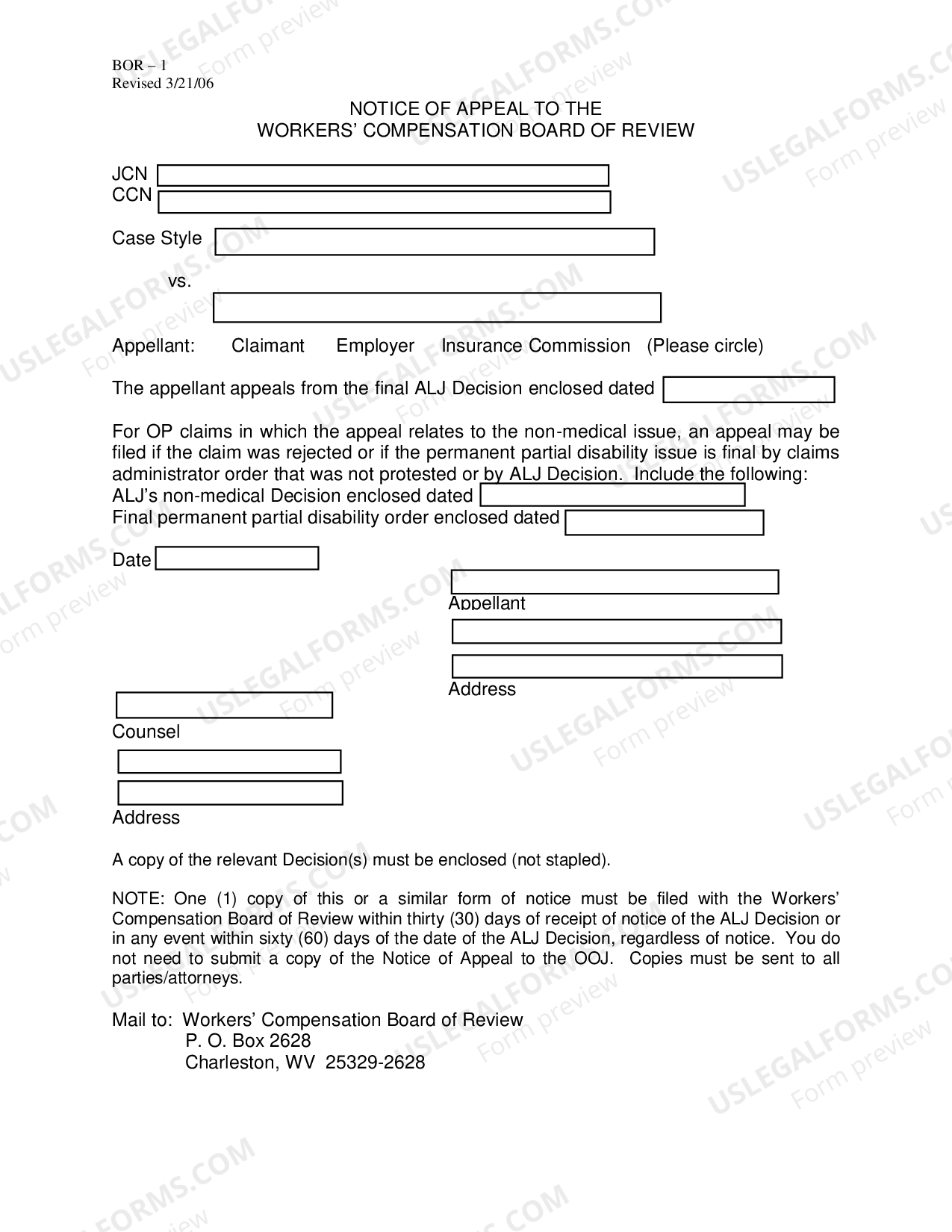
If a worker or insurance carrier disagrees with a judge’s Findings and Award, the primary legal remedy is filing a Petition for Reconsideration with the seven-member Appeals Board panel.
- Deadline: Under standard procedural rules (such as California Labor Code section 5903), a Petition for Reconsideration must be filed within 20 days from the service date of the decision (plus additional days if mailed, depending on state jurisdiction rules).
- Legal Grounds: Reconsideration cannot be requested simply because a party dislikes the result. Valid grounds include allegations that the judge acted without or in excess of powers, that the order was procured by fraud, that the evidence does not justify the findings of fact, or that new material evidence has been discovered that could not previously be produced.
Common Misconceptions Regarding Appeals Board Mail
- "Mail from the Appeals Board means I am being sued."Receiving papers from the WCAB does not mean you are facing criminal charges or a personal injury lawsuit. The workers' compensation system is a no-fault administrative court system designed to resolve employee benefit claims.
- "A Notice of Hearing means my check will stop."A hearing notice is simply a scheduling document. While hearings are called to resolve benefit disputes, the notice itself is an administrative direction to appear, not an immediate order to terminate benefit checks.
- "An Order Approving Compromise & Release leaves medical care open."Unless explicitly modified in the settlement contract, an approved Compromise and Release permanently closes your right to claim future medical treatment paid for by the workers' compensation insurer in exchange for the agreed lump sum.
Frequently Asked Questions
What should I do immediately after receiving mail from the WCAB?
Read the document thoroughly to identify if a court appearance date or response deadline is listed. Check the attached Proof of Service to note the mailing date. If represented, send a copy to your workers' compensation attorney immediately to ensure timely compliance.
What is the difference between a WCAB hearing notice and correspondence from an insurance adjuster?
Correspondence from an insurance adjuster represents the position of the insurance carrier. Papers from the WCAB represent official directives, hearing notices, or legal rulings issued by an administrative court tribunal that carry statutory binding authority.
What happens if I miss a hearing date listed on a WCAB notice?
Failing to appear at a scheduled WCAB hearing can result in severe legal consequences, including the dismissal of your claim for lack of prosecution, financial sanctions, or the judge issuing a ruling based solely on the evidence provided by the insurance carrier.
What does an "Order of Intent to Dismiss" mean?
An Order of Intent to Dismiss indicates that the court intends to close your case due to inactivity or procedural non-compliance unless you file a formal written objection demonstrating good cause within the designated time frame (usually 10 to 30 days).
Can a WCAB judge’s decision be changed after it is issued?
Yes, but only through formal legal channels. Parties can file a Petition for Reconsideration within statutory deadlines (typically 20 days plus mailing time). Once appellate timelines pass without filing, the judge's decision becomes final and unappealable.
Recommended Next Steps
If you receive papers from the Workers’ Compensation Appeals Board:
- Document the Date Received: Write down the exact date you received the document in the mail alongside the postmark date and the date listed on the internal Proof of Service.
- Review Scheduled Dates: Instantly cross-reference any dates on a Notice of Hearing with your personal calendar to ensure mandatory attendance.
- Maintain a Central Case File: Keep all WCAB notices, minutes, awards, and medical reports organized chronologically in a dedicated binder or secure digital file.
- Seek Professional Legal Counsel: Because state administrative regulations governing workers' compensation appeals involve strict procedural rules, complex medical evidence evaluation, and rigid statutory appeal windows, consult a qualified workers' compensation attorney to review the paperwork and protect your legal rights.
Disclaimer: This article provides general administrative and legal information regarding Workers' Compensation Appeals Board documentation. Rules, timelines, and procedural requirements vary significantly by state jurisdiction. This content does not constitute formal legal advice. Injured workers should consult a licensed attorney regarding specific legal matters.
Image Gallery